 PuroClean of Coral Gables
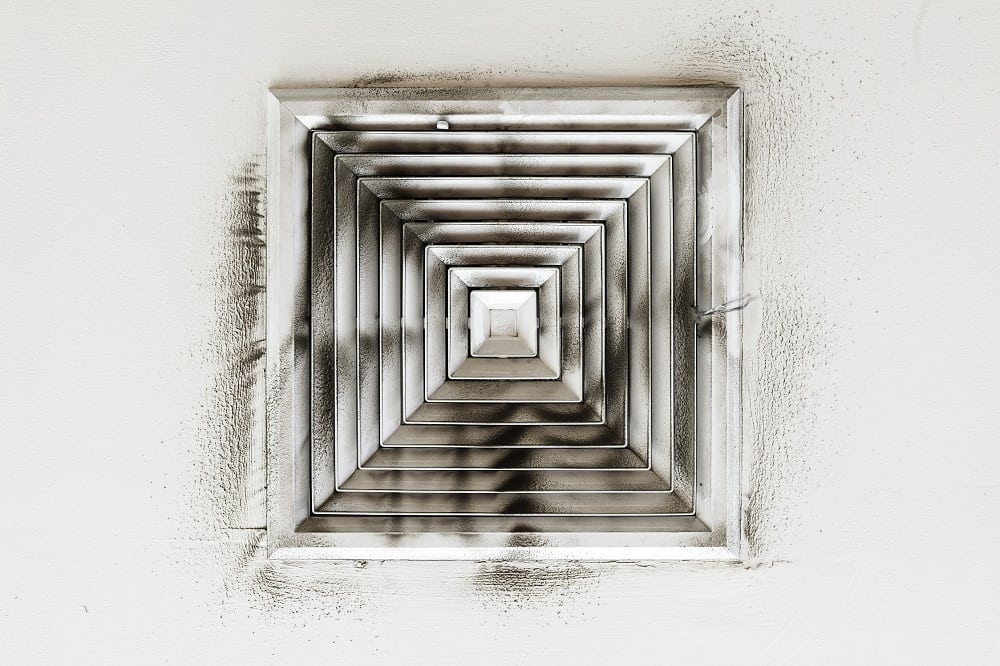
After a house fire, the danger of soot exposure unfortunately doesn’t stop once the flames have been put out. Soot may have spread to your entire home, posing a threat to your health and the building. Learn more about soot, how dangerous it is, and how to restore the damage below.
What is soot?
Soot is made of tiny carbon particles created by incomplete combustion of fossil fuels (wood, oil, coal, and more). Soot contains lots of acids, as well as chemicals, metals, soils, and dust. These particles leave an ugly sight and foul smell.
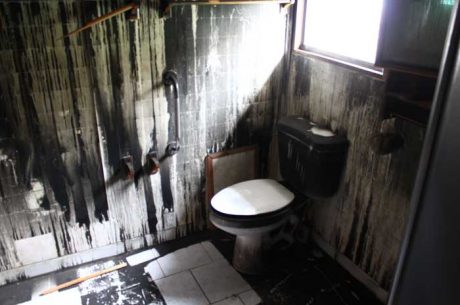
During a fire, soot spreads to the whole house, attaching to surfaces. Thus, the acidic properties of soot can further damage your home and indoor air quality if the soot is not removed immediately.
Soot can inhabit your home even if there wasn’t a fire. Excessive use of candles can lead to soot buildup, so make sure to use them sparingly (they are also a fire risk). Fireplaces can release soot as well if they’re not ventilated enough. Furnaces are also a source of soot contamination when they produce a puff back.
Outdoors, soot is released into the environment when fossil fuels are burned for industrial purposes. The chemical compounds of soot hurt the ecosystem considerably. Soot in your home acts similarly, damaging the indoor air quality in addition to leaving behind bad odors and stains.
What are the dangers of soot exposure?
Statistics show that particle exposure leads to around 20,000 deaths in the U.S. each year. Soot-related diseases are the culprit of many of them. Moreover, soot exposure causes 300,000 asthma attacks and two million lost workdays annually due to respiratory problems.
Soot can enter your body through inhalation, ingestion or via the skin and eyes. These toxic particles can cause breathing issues, including asthma, bronchitis, coronary heart disease, and even cancer. Infants, the elderly, and those who already have breathing problems are the most affected.
To avoid the health risks of soot exposure after a home fire, make sure that all soot-affected areas are properly cleaned and sanitized.
How to clean up soot
Your house likely holds many chemicals, such as plastics, foams, carpets, wood products, and synthetic fabrics. Soot derived from these materials leads to health hazards that make fire restoration a dangerous and difficult task. Even if the fire was small, soot particles can invade your whole property through the HVAC system.
When cleaning soot, wearing safety equipment to protect the lungs, skin, and eyes is essential in reducing soot exposure dangers. Specialized techniques such as air scrubbing and thermal fogging are also needed to restore indoor air quality following a fire.
A dust mask and a household cleaner are not enough to clean up soot! Removing soot thoroughly requires professional tools, knowledge, and expertise. Experts can properly clean soot and odors from your entire home to ensure it is safe to inhabit.
Frequently Asked Questions About Soot Exposure
What is soot exposure?
Soot exposure occurs when fine black particles from fire, smoke, or incomplete combustion are inhaled or come into contact with skin and surfaces. These particles can pose serious health and property risks.
Why is soot exposure dangerous?
Soot exposure can irritate the lungs, eyes, and skin. Prolonged exposure may lead to respiratory problems, allergic reactions, or aggravate conditions like asthma or bronchitis.
Can soot exposure affect indoor air quality?
Yes. Soot exposure can reduce indoor air quality significantly, leaving harmful particles lingering in the air, which can be inhaled even after the fire is out.
How can I minimize soot exposure after a fire?
Wear protective gear like masks and gloves, ventilate the area, and avoid contact with soot-covered surfaces. Professional cleaning is recommended for thorough removal.
Does soot exposure damage property?
Yes. Soot exposure can stain walls, ceilings, furniture, and fabrics. It can also corrode metals and appliances if not cleaned promptly and properly.
What should I do if I suspect health issues from soot exposure?
If you experience coughing, shortness of breath, or irritation after soot exposure, seek medical attention immediately and avoid further contact until the area is professionally cleaned.
Who should handle soot cleanup after a fire?
Professional fire restoration companies should handle soot cleanup. They have specialized equipment and techniques to remove soot safely and prevent ongoing soot exposure risks.
For professional smoke remediation or fire damage repair, contact us on +1 305 894-4343.




 PuroClean of Coral Gables