


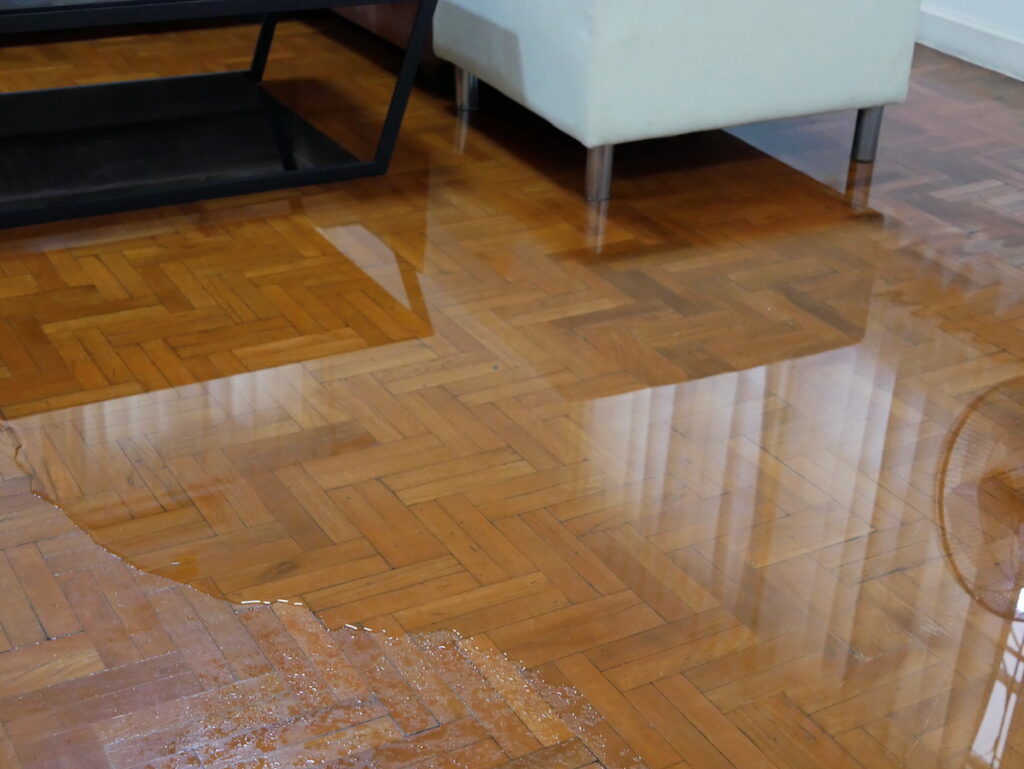
Summer flood emergencies can happen fast in Coral Gables, especially during South Florida’s intense rainy season and hurricane months. One heavy downpour, clogged drain, roof leak, or burst pipe can quickly turn into standing water inside your home. The first few hours after flooding are critical. Acting quickly can reduce structural damage, prevent mold growth, and save thousands of dollars in repairs.
If you are dealing with a flooded kitchen, water-soaked flooring, or stormwater intrusion, knowing exactly what to do next can make a major difference. In this guide, we’ll walk you through the immediate steps to take after a flood, how to protect your property, and when to call professional emergency water damage restoration experts in Coral Gables.
Why Summer Flooding Is Common in Coral Gables
Coral Gables homeowners are no strangers to summer storms. South Florida experiences frequent heavy rainfall, tropical storms, high humidity, and hurricane threats during the summer months. Combined with aging plumbing systems and poor drainage, these conditions increase the risk of indoor flooding and water intrusion.
Some of the most common causes of flooding during summer include:
- Intense thunderstorms
- Hurricane-related rain and storm surge
- Roof leaks
- Overflowing gutters
- Burst pipes
- AC leaks
- Sewage backups
- Appliance malfunctions
Even a small amount of standing water can create serious issues if not handled quickly.
1. Prioritize Safety First
Before entering any flooded area, make safety your top concern.
Floodwater may contain:
- Electrical hazards
- Bacteria and contaminants
- Sharp debris
- Structural dangers
If water levels are high or near electrical outlets, avoid entering the area until power is safely shut off. Never walk through standing water if you suspect electrical risks.
If the flooding resulted from sewage backup or contaminated stormwater, avoid direct contact entirely and contact a professional water mitigation company immediately.
2. Stop the Source of Water
The next step during a Summer Flood situation is identifying where the water is coming from.
Possible sources include:
- Broken pipes
- Leaking roofs
- Overflowing toilets
- Faulty washing machines
- Cracked water heaters
- Stormwater intrusion
If possible:
- Shut off the main water supply
- Turn off appliances connected to water
- Temporarily tarp roof leaks
- Clear blocked drains or gutters if safe
Stopping the water source helps prevent additional damage while cleanup begins.
3. Document the Damage for Insurance
Before moving items or starting major cleanup, document all visible damage.
Take:
- Photos of affected rooms
- Videos of standing water
- Images of damaged furniture and belongings
- Close-ups of walls, ceilings, and flooring
This documentation will help support your insurance claim and speed up the claims process.
Keep receipts for:
- Emergency repairs
- Temporary lodging
- Cleanup supplies
- Restoration services
Many homeowners insurance policies may cover sudden water damage depending on the cause of the flooding.
4. Remove Standing Water Immediately
One of the biggest mistakes homeowners make after a summer flood is waiting too long to remove water.
Water can quickly:
- Soak into drywall
- Warp wood flooring
- Damage insulation
- Weaken structures
- Create mold within 24–48 hours
Small amounts of water may be removed using:
- Wet vacuums
- Mops
- Buckets
- Towels
However, significant flooding usually requires professional water extraction equipment such as:
- Industrial pumps
- High-powered vacuums
- Commercial dehumidifiers
- Air movers
Professional water extraction helps dry hidden moisture areas that homeowners often miss.
5. Dry the Area as Fast as Possible
After water removal, drying is the next critical phase.
South Florida’s humidity creates the perfect environment for mold growth. Even if surfaces appear dry, moisture can remain trapped inside:
- Walls
- Flooring
- Cabinets
- Subfloors
- Insulation
To speed up drying:
- Open windows if weather permits
- Use fans
- Run dehumidifiers
- Remove wet rugs and furniture
- Lift wet cushions and mattresses
Professional moisture detection tools can identify hidden water behind walls and under floors before it becomes a bigger issue.
6. Prevent Mold Growth
Mold growth is one of the most common problems after a summer flood event in Coral Gables.
Because of the region’s warm temperatures and humidity, mold can begin growing rapidly after water exposure.
Signs of mold include:
- Musty odors
- Dark spots on walls or ceilings
- Peeling paint
- Allergy symptoms indoors
Areas most vulnerable to mold:
- Bathrooms
- Kitchens
- Crawl spaces
- Attics
- Behind drywall
Professional mold prevention and mold remediation services may be necessary if moisture remains for too long.
7. Remove Damaged Materials
Not every material can be salvaged after flooding.
Porous materials often absorb contaminated water and may need removal, including:
- Wet drywall
- Carpet padding
- Insulation
- Ceiling tiles
- Damaged wood
Attempting to save heavily saturated materials can increase mold risks and prolong restoration.
Professional restoration teams evaluate which materials can be restored and which should be replaced.
8. Check Your HVAC System
Your HVAC system can spread moisture and contaminants throughout the home after flooding.
If water reached:
- Air ducts
- Vents
- AC systems
- Filters
Do not run the system until it has been inspected.
Flood-damaged HVAC systems can:
- Spread mold spores
- Circulate contaminated air
- Suffer electrical damage
In Coral Gables, where air conditioning runs heavily during summer, HVAC inspection is especially important after flooding.
9. Know When to Call Professionals
Many homeowners attempt DIY cleanup after flooding, but professional restoration is often necessary when:
- Water has spread across multiple rooms
- Floodwater is contaminated
- Mold is visible
- Water soaked into walls or flooring
- Structural damage is present
- The flooding happened overnight
- Humidity levels remain high
Professional emergency restoration companies use advanced equipment and proven drying techniques to restore homes safely and efficiently.
They also help:
- Prevent secondary damage
- Reduce mold risks
- Support insurance documentation
- Restore property faster
10. Prepare for Future Summer Flooding
Flood prevention is especially important for Coral Gables homeowners during hurricane season.
Helpful prevention tips include:
- Clean gutters regularly
- Inspect roofing systems
- Seal windows and doors
- Install sump pumps if necessary
- Maintain plumbing systems
- Check appliance hoses
- Schedule AC maintenance
- Keep emergency contact numbers handy
You should also create a flood emergency plan for your household.
Why Fast Response Matters After Flooding
Time is everything during a summer flood emergency.
Within hours:
- Drywall absorbs moisture
- Flooring begins warping
- Bacteria spreads
- Mold growth starts
Within days:
- Structural damage worsens
- Odors develop
- Restoration costs increase dramatically
The faster you respond, the greater the chances of minimizing damage and saving your property.
Common Signs of Hidden Water Damage After Flooding
Even after visible water disappears, hidden moisture may remain.
Watch for:
- Bubbling paint
- Warped flooring
- Musty smells
- Soft drywall
- Ceiling stains
- Increased humidity indoors
Professional moisture inspections help detect hidden problems before they become expensive repairs.
FAQs About Summer Flood Emergencies
How quickly should I act after a Summer Flood?
You should act immediately after a Summer Flood.
Floodwater spreads fast and begins damaging building materials within minutes. Drywall, flooring, and insulation can absorb moisture quickly, and within 24–48 hours, mold can begin to develop.
The sooner you respond to a Summer Flood, the better your chances of reducing long-term structural damage and restoration costs.
Can I clean up floodwater myself after a Summer Flood?
Minor spills involving clean water may be manageable, but most Summer Flood situations require professional help.
DIY cleanup is only safe when:
- The water is clean (not stormwater or sewage)
- The affected area is small
- Electrical systems are not at risk
However, during a serious Summer Flood, water is often contaminated and may contain bacteria, debris, or chemicals. In these cases, professional restoration is strongly recommended to ensure safety and proper drying.
Does homeowners insurance cover Summer Flood damage?
Coverage depends on the cause of the Summer Flood.
In general:
- Sudden internal issues (like burst pipes) may be covered under standard homeowners insurance
- Natural Summer Flood events (heavy rain, hurricanes, storm surge) typically require separate flood insurance
Always review your policy and contact your insurance provider immediately after a Summer Flood to understand your coverage and claim options.
How quickly should I act after flooding?
The duration of Summer Flood restoration depends on the severity of the damage.
Typical timelines include:
- Water extraction: 1 day
- Drying and dehumidification: 3–7 days
- Repairs and reconstruction: several days to weeks
Large-scale Summer Flood damage involving structural repairs, mold remediation, or full reconstruction may take longer.
What should I avoid after a Summer Flood?
After a Summer Flood, avoid the following mistakes:
- Using electrical appliances near wet areas
- Entering structurally unsafe rooms
- Delaying cleanup or professional help
- Attempting to remove contaminated water without protection
- Ignoring hidden moisture behind walls or flooring
These actions can increase safety risks and worsen Summer Flood damage.
Can mold grow even after surfaces appear dry?
Yes. Mold growth is one of the biggest hidden risks after a Summer Flood.
Even if surfaces look dry, moisture may still be trapped inside:
- Drywall
- Flooring layers
- Insulation
- Wall cavities
- Subflooring
This hidden moisture from a Summer Flood creates the perfect environment for mold growth, often within 24–48 hours.
Professional moisture detection and drying are essential to ensure all hidden areas affected by a Summer Flood are fully treated.
Protect Your Coral Gables Home With Professional Summer Flood Cleanup Services
A Summer flood can feel overwhelming, but acting quickly can protect your home, health, and finances. From water extraction and structural drying to mold prevention and full restoration, professional help makes recovery faster and safer.
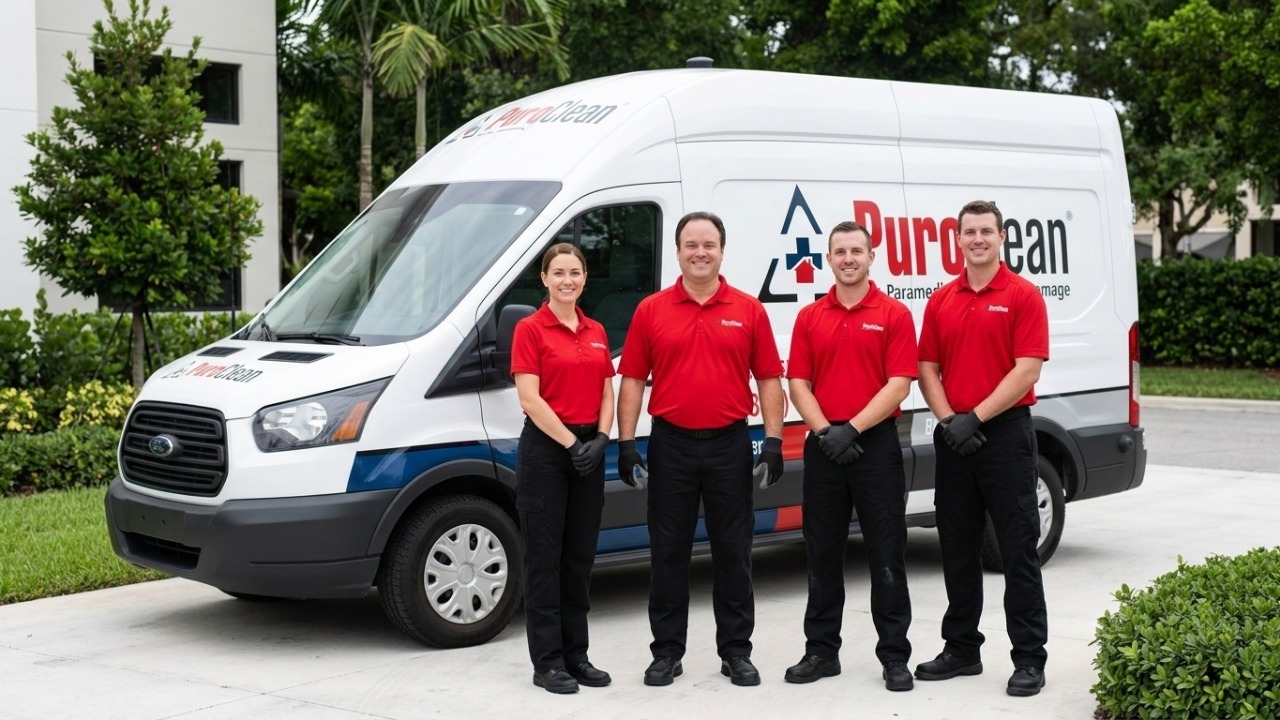
If your home experiences flooding, don’t wait for the damage to spread. PuroClean of Coral Gables provides fast, reliable emergency water damage restoration services throughout Coral Gables and surrounding South Florida communities.
Their experienced team is available to help homeowners recover from:
- Storm flooding
- Burst pipes
- Roof leaks
- Sewage backups
- Appliance leaks
- Water intrusion emergencies
Contact PuroClean of Coral Gables today for rapid response Summer Flood cleanup and water damage restoration services you can trust.
Final Thoughts
A Summer flood emergency requires immediate action. The faster you remove water, dry affected areas, and address hidden moisture, the better your chances of preventing long-term damage and mold growth.
For Coral Gables homeowners, preparation and quick professional response are key during South Florida’s storm season. Whether the flooding comes from storms, plumbing failures, or roof leaks, taking the right steps immediately can save your property and reduce restoration costs.