 PuroClean of Coral Gables
Table of Contents
If your property suffers damage, the first thought that may cross your mind is how you are going to fix the problem. While physical damage can be fixed with some hard work and elbow grease, homeowners commonly forget about the dangers they can’t see. There are hidden hazards lurking within property damage that pose serious health risks to both you and your family.
With October being Healthy Lung Month, it is important to understand the risks we face when our property becomes damaged and why we should not attempt to fix these problems ourselves.
Risky Property Damage Problems To Be Aware OF
Flood Damage
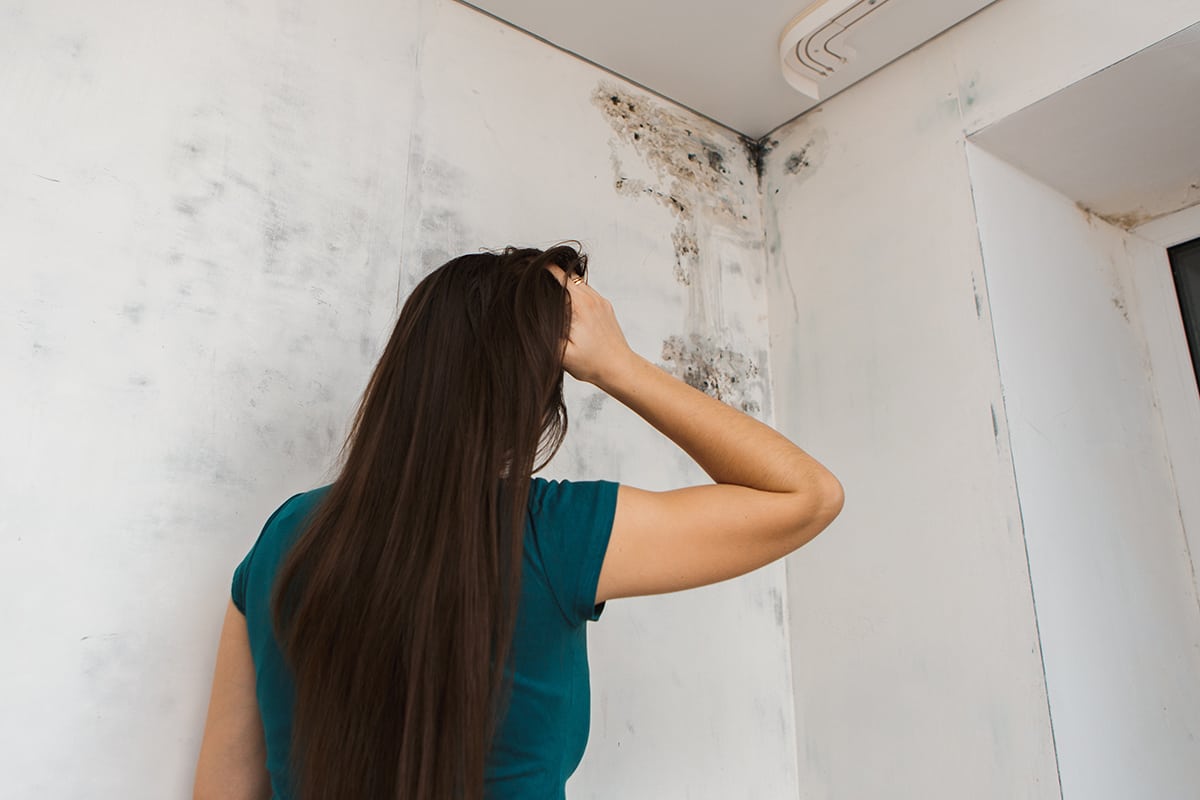
If your home is flooded, the first concern is removing any excess water from inside the home. However, there are residual effects that occur due to flood damage. For example, if your basement flooded and the water ended up soaking the carpet, this could lead to poor air quality and toxic mold growth.
Mold is a type of fungus that has the ability to grow both indoors and outdoors. It can trigger a variety of different symptoms within the body, often mimicking common symptoms of the flu, such as fever, chills, and throat irritation. Lung infections may occur if the amount of mold is abundant and has existed for a prolonged period of time. It is especially important to stay away from spaces containing mold if you have asthma as this can cause difficulty breathing.
Following a flood, carpets and anything else compromised should be professionally removed within 48 hours. Hiring a professional will make sure that the job gets done correctly and helps ensure your family’s safety.
Fire Damage
No matter how small a fire that occurs in your home, the toxins that will exist once the fire is extinguished can impact your health. Depending on the structure and contents that burned in your home, the possibility of the presence of dioxins is high. Dioxins are a group of chemically related compounds that are linked to causing cancer and developmental issues. When melted, PVC piping, which was commonly used in older homes, releases dioxins into the air which can be detrimental to one’s health.
Tests can be done after a fire occurs to make sure the air quality is safe and you should plan on staying elsewhere until the air in your home is deemed breathable.
Natural Wear and Tear
There is a possibility that your home is going to have some type of damage occur over its lifespan. However, structural damage can raise red flags, especially if you live in an older home. Homes built prior to 1980 have a high likelihood of containing asbestos, a deadly carcinogenic mineral used primarily in insulation. Friable asbestos is the most common form used in insulation and is known for its ability to reduce to a powder. If your home contains this insulation and it becomes disturbed, asbestos fibers can be released into the air and could enter your body. These fibers lodge in the lining of the internal organs and may cause cancer, such as pleural mesothelioma to develop. Mesothelioma is a deadly cancer, taking nearly 3,000 lives per year in the United States.
What You Should Do
If your home experiences property damage, call PuroClean immediately to assess the damage and provide the best solution possible. This October, use Healthy Lung Month as a way to inform others about the dangers of property damage, and if your home faces one of these problems, be proactive and seek help.
Written by: Emily Walsh, Mesothelioma Cancer Alliance
Frequently Asked Questions
1. Can property damage really affect my health?
Yes, property damage can have a serious impact on your physical and mental health. Water leaks, mold growth, fire residue, and structural instability can create unsafe living conditions that lead to respiratory problems, allergies, or chronic stress.
2. How does water-related property damage affect health?
When property damage involves water leaks or flooding, it often leads to mold and mildew growth. Breathing in mold spores can cause coughing, sneezing, sinus infections, and asthma attacks, especially for those with allergies or weakened immune systems.
3. Can smoke and fire property damage harm my lungs?
Yes. After a fire, soot and smoke particles can linger in the air and on surfaces. Exposure to these contaminants from property damage can cause respiratory irritation, headaches, and long-term lung issues if not properly cleaned by professionals.
4. How can property damage contribute to stress or anxiety?
Dealing with property damage can be emotionally overwhelming. The disruption of daily life, financial strain from repairs, and the uncertainty of recovery often trigger anxiety, depression, or sleep problems for homeowners and families.
5. Are there hidden health risks from property damage I should know about?
Absolutely. Some forms of property damage expose hidden dangers like asbestos, lead paint, or carbon monoxide leaks. These substances can be toxic and cause serious long-term health effects if not detected and removed safely.
6. How can property damage affect children and the elderly differently?
Children, seniors, and people with existing health issues are more sensitive to contaminants caused by property damage. Mold, smoke, or poor indoor air quality can worsen asthma, allergies, or other chronic respiratory conditions in these groups.
7. Can property damage affect mental health even after repairs?
Yes. The trauma of experiencing property damage—such as a fire, flood, or storm—can linger long after restoration. Many people experience heightened anxiety, fear of recurrence, or financial stress, impacting long-term emotional well-being.
8. What steps can I take to reduce health risks after property damage?
To minimize health risks from property damage, act quickly to dry and disinfect affected areas, ventilate your home, and contact professional restoration experts. Avoid staying in heavily damaged spaces until they’re deemed safe.
9. Should I get a professional inspection after property damage?
Yes, a professional assessment helps identify hidden hazards like moisture behind walls, air contamination, or structural weaknesses. Certified inspectors can ensure your property damage is fully addressed before you return to normal living conditions.
10. How can restoration companies help protect my health after property damage?
Professional restoration companies use specialized equipment and cleaning agents to remove toxins, mold, smoke, and bacteria safely. Working with experts ensures that property damage repairs don’t just restore your home’s appearance but also protect your health and safety.


 PuroClean of Coral Gables