

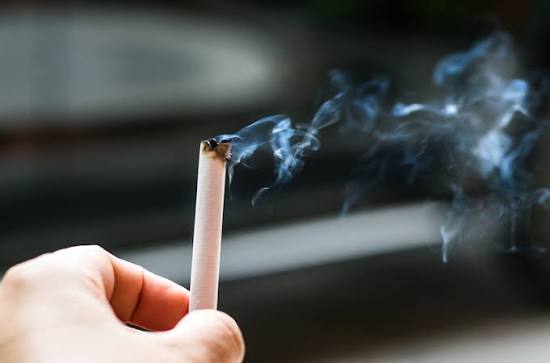
If a home still smells like cigarettes or cigars long after the last smoke, simply opening the windows or spraying air freshener usually isn’t enough. Tobacco smoke remediation addresses the residue and odor left behind on surfaces and materials throughout the property. For Coral Gables homeowners dealing with lingering smoke odors, PuroClean of Coral Gables can help assess the affected areas and develop a professional restoration plan.
The short answer: tobacco smoke can leave persistent residue on walls, floors, furniture, carpets, fabrics, and other indoor surfaces. Professional remediation focuses on identifying where smoke residue has settled, cleaning affected areas, and addressing stubborn odors rather than simply masking them.
Why Tobacco Smoke Can Be So Difficult to Remove
Tobacco smoke doesn’t disappear when the cigarette is extinguished.
Smoke contains thousands of chemicals, and some of the compounds released indoors can remain on surfaces and materials for extended periods. The U.S. Environmental Protection Agency explains that smoke-related chemicals can build up on hard surfaces such as walls, floors, and tables and become embedded in soft materials including carpets, upholstery, drapes, clothing, and bedding.
This lingering contamination is often referred to as thirdhand smoke.
It can be particularly frustrating for homeowners because the odor may return after the property has been cleaned. A room may look spotless while smoke residue remains in places that aren’t immediately obvious.
That’s one reason professional cleaning can be more effective than simply wiping down visible surfaces.
What Is Thirdhand Smoke?
Thirdhand smoke is the residue left behind after tobacco smoke has settled indoors.
Unlike secondhand smoke, which refers to breathing smoke released into the air, thirdhand smoke involves contaminants that remain on surfaces, in dust, and within household materials.
Research has found that tobacco smoke residue can persist in homes even after smokers move out. Studies have detected nicotine and other tobacco-related contaminants on surfaces and in household dust after smoking has stopped.
The EPA’s indoor air quality resources provide additional information about secondhand and thirdhand smoke and its persistence indoors.
Where Tobacco Smoke Residue Can Hide
One of the biggest challenges is that smoke doesn’t stay in one place.
Depending on the property’s layout, smoking history, ventilation, and materials, residue and odor may be present in:
- Walls and ceilings
- Carpets and rugs
- Upholstered furniture
- Curtains and other fabrics
- Cabinets and wood surfaces
- Flooring
- Doors and trim
- Household contents
- Dust and other accumulated particles
- HVAC-related areas
Soft and porous materials can be particularly challenging because they can absorb and retain smoke-related compounds.
For Coral Gables homes that have experienced years of indoor smoking, looking only at yellowing walls or obvious stains may not tell the whole story.

Signs Your Coral Gables Home May Need Professional Help
Not every smoke-affected property will look dramatically different.
Sometimes the strongest warning sign is the smell.
You may want to consider professional assessment if you notice:
1. Persistent Cigarette or Cigar Odor
If the smell returns shortly after cleaning, smoke residue may still be present.
2. Yellow or Brown Discoloration
Smoke residue can contribute to staining on walls, ceilings, doors, and other surfaces.
3. Musty or Stale Indoor Air
A stale smoke smell may become especially noticeable when the property has been closed up for several hours.
4. Smoke Odor After Moving Into a Previously Occupied Home
A former smoker’s property can continue to carry smoke residue even after the previous occupants leave.
5. Odor Coming From Carpets or Upholstery
Fabric and other porous materials can hold onto smoke-related odors long after the source has been removed.
Why Opening the Windows Isn’t Always Enough
Opening windows can improve airflow temporarily, but ventilation alone does not necessarily remove smoke residue that has already settled on surfaces and materials.
The EPA notes that ventilation, filtration, and air-cleaning methods can reduce exposure to indoor smoke contaminants but do not eliminate them.
This distinction matters.
If smoke residue has accumulated over years, the issue isn’t simply the air inside the room. The residue may already be attached to the environment around you.
That is why a professional approach should look beyond the immediate odor.
Why Air Fresheners Don’t Solve the Problem
Air fresheners may make a room smell better for a short period, but they don’t remove the source of tobacco smoke odor.
Think of it as spraying perfume over a dirty shirt. The stronger smell may temporarily dominate, but the underlying problem hasn’t disappeared.
A better approach is to identify affected materials and surfaces and determine what type of cleaning or restoration they require.
What Professional Smoke Remediation May Involve
Every property is different, so the exact process depends on the severity and extent of contamination.
A professional restoration team may begin by assessing the property and identifying affected areas.
Depending on the situation, the work may involve:
1. Inspection and assessment:
Identifying visible residue, persistent odors, and areas that may require deeper attention.
2. Cleaning affected surfaces:
Removing smoke residue from appropriate hard surfaces and other cleanable materials.
3. Treatment of affected contents:
Evaluating furniture, fabrics, and household belongings that may have absorbed smoke odor.
4. Odor control:
Using appropriate professional techniques to address persistent smoke odors rather than simply covering them.
5. Attention to difficult areas:
Considering spaces where residue may be less obvious, including areas around ceilings, flooring, cabinetry, and ventilation systems.
The objective is to treat the source of the problem as thoroughly as practical rather than simply making the room smell fresher.
Why Coral Gables Homeowners May Encounter Smoke Odor Challenges
Coral Gables has a mix of older and newer homes, condominiums, apartments, and properties with different layouts and construction materials.
That means smoke contamination can vary considerably from one property to another.
A longtime smoker’s home may have years of accumulated residue. A recently purchased property may have an odor left behind by a previous occupant. In a condominium or other multi-unit building, smoke can also travel between spaces.
The CDC notes that secondhand smoke can move between units in multi-unit housing through pathways such as hallways and ventilation systems.
For this reason, identifying the source and extent of the odor is an important first step.
Tobacco Smoke Remediation vs. Regular House Cleaning
Regular housekeeping is important, but heavy smoke contamination can require a more specialized approach.
Routine cleaning generally focuses on everyday dirt, dust, spills, and household buildup.
Tobacco smoke remediation is different because the contamination may have penetrated or settled into materials throughout the property.
If you have already cleaned your home several times and the cigarette smell keeps coming back, repeating the same cleaning routine may not solve the underlying issue.
A professional assessment can help determine what is actually contributing to the persistent odor.
Should You Paint Over Smoke-Stained Walls?
Painting may improve the appearance of stained walls, but it doesn’t automatically address smoke residue elsewhere in the property.
If smoke contamination remains on surrounding surfaces, inside porous materials, or in other affected areas, the odor can continue.
Before repainting a smoke-affected property, it makes sense to determine the extent of the contamination and clean appropriately.
This can be particularly important when preparing a home for sale or welcoming new occupants.
Smoke Damage After a Home Sale or Move
A common scenario is purchasing a home and discovering a strong tobacco smell after moving in.
The previous owner may have stopped smoking, cleaned the home, or even repainted before selling it. Yet the odor can still become noticeable once the property is occupied.
For buyers in Coral Gables, this can be an unpleasant surprise.
If you are dealing with persistent smoke odor in a recently purchased home, don’t assume you simply have to live with it. A professional assessment can help determine where the odor is coming from and what restoration options may be appropriate.
Is Tobacco Smoke Remediation Necessary for Every Smoker’s Home?
Not necessarily.
The severity of smoke contamination can depend on factors such as how frequently smoking occurred indoors, how long it continued, the size and layout of the property, ventilation, and the types of materials inside.
A property with occasional indoor smoking may have a very different level of contamination from a home where smoking occurred every day for many years.
That is why professional assessment is valuable. It allows the restoration team to understand the specific situation rather than applying the same solution to every property.
FAQs About Tobacco Smoke Remediation
How long does tobacco smoke odor stay in a home?
It can persist for a long time, particularly when smoke residue has accumulated on surfaces and porous materials. The EPA notes that smoke-related chemicals can remain indoors and become embedded in materials even after smoking stops.
Can cigarette smoke odor be removed completely?
Results depend on the severity of contamination and the materials affected. Professional restoration can address accessible sources of residue and odor, but heavily contaminated porous materials may present greater challenges.
Does cleaning remove thirdhand smoke?
Cleaning can reduce contamination, but the effectiveness depends on the material, severity, and cleaning method. Some smoke residue can remain in dust and porous materials, which is why heavily affected properties may require more comprehensive treatment.
Does an air purifier remove tobacco smoke?
Air cleaning can help reduce certain airborne pollutants, but it should not be considered a complete solution for residue that has already settled on surfaces and materials. The EPA specifically notes that ventilation, filtration, and air cleaning do not eliminate indoor smoke exposure.
Can smoke odor come back after cleaning?
Yes. If smoke residue remains in affected surfaces, fabrics, dust, or other materials, odor may return. Finding and treating the underlying source is more effective than simply masking the smell.
Is professional tobacco smoke remediation worth it?
For properties with persistent, extensive, or difficult-to-remove smoke odor, professional help can save homeowners from repeatedly cleaning the same areas without resolving the problem.
How do I know if my Coral Gables home needs Tobacco Smoke Remediation?
If cigarette or cigar odors remain after regular cleaning, or you notice yellowish residue on walls, ceilings, cabinets, or other surfaces, your home may benefit from tobacco smoke remediation. A professional assessment can help determine the extent of the smoke damage.
Can Tobacco Smoke Remediation remove cigarette stains from walls?
Professional cleaning can help remove smoke residue and discoloration from many washable surfaces. Heavily affected materials may require additional treatment or replacement depending on their condition.
Can Tobacco Smoke Remediation help before selling a home?
Yes. Lingering cigarette odors can make a property less appealing to potential buyers. Professional Tobacco smoke remediation can help address smoke residue and persistent odors before listing your Coral Gables home.
Does Tobacco Smoke Remediation include furniture and carpets?
Depending on their condition, professional restoration may include cleaning and treating affected furniture, carpets, upholstery, and other contents. The appropriate approach depends on the material and level of smoke contamination.
Why should I hire professionals for Tobacco Smoke Remediation?
Heavy smoke contamination can affect more than what you can see. Tobacco smoke remediation professionals have specialized knowledge and equipment to identify affected areas, clean appropriate surfaces, and address persistent odors more thoroughly than ordinary household cleaning.
Get Professional Help With Smoke Odor in Coral Gables
If your Coral Gables home still smells like cigarettes or cigars after the smoking has stopped, don’t spend weeks trying to cover the odor with sprays and household cleaners.
PuroClean of Coral Gables can help you assess the situation and determine the appropriate restoration approach for your property.
Whether you’re dealing with a former smoker’s home, preparing a property for sale, or simply want to restore a fresher indoor environment, professional attention can make the process easier.
Call PuroClean of Coral Gables today at (305) 894-4343.
The Bottom Line
Tobacco smoke remediation is about more than getting rid of a cigarette smell. Smoke can leave persistent residue on walls, floors, furnishings, fabrics, dust, and other areas of a home. Opening windows or using air fresheners may provide temporary relief, but they don’t necessarily address the residue that keeps the odor coming back.
For Coral Gables homeowners facing persistent tobacco smoke odor, professional assessment and restoration can help identify the problem and determine the right way forward.
If the smoke is gone but the smell isn’t, PuroClean of Coral Gables is ready to help. Call (305) 894-4343.