 PuroClean of Coral Gables
 Table of Contents

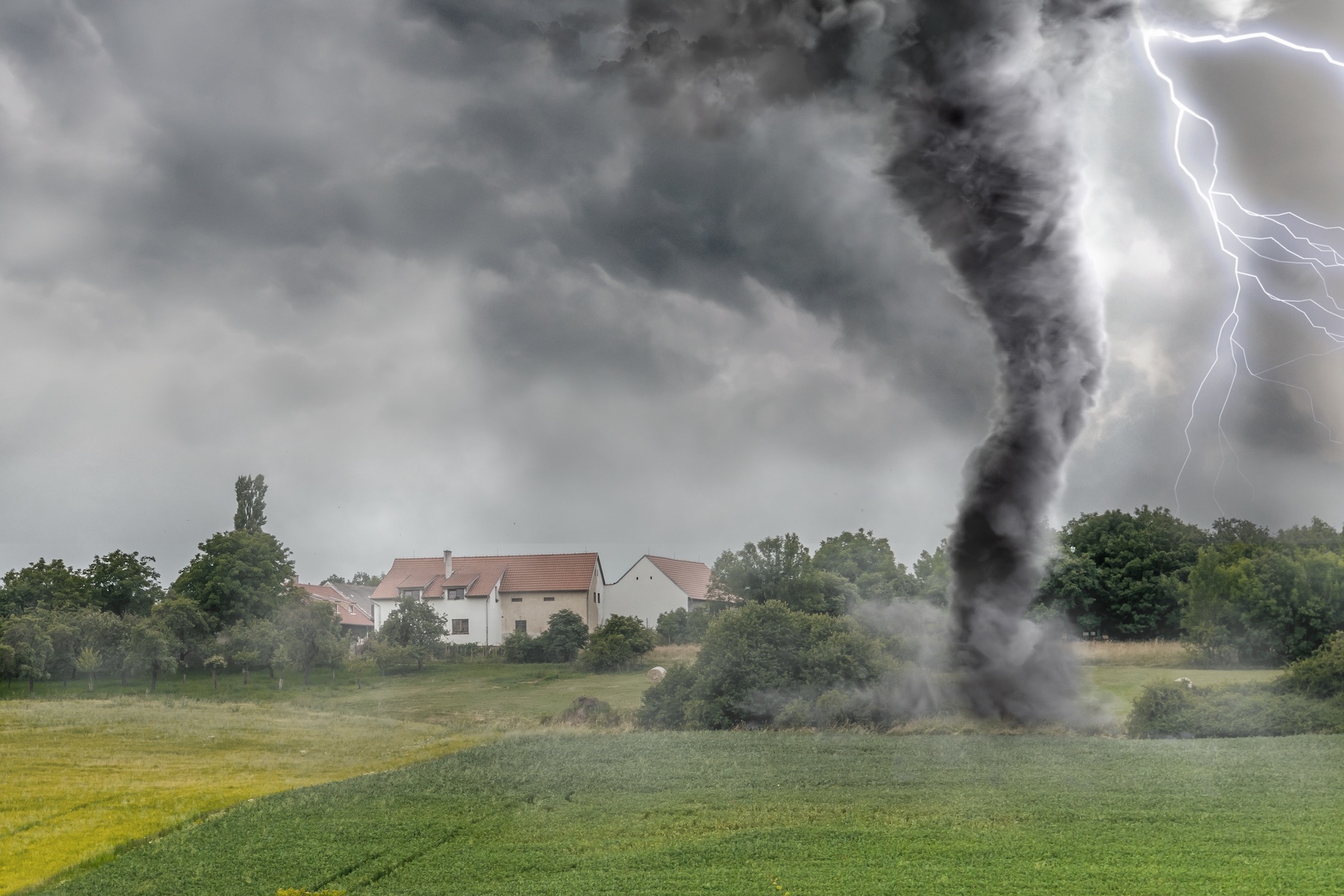
Most tornadoes don’t lift houses into the air. Instead, they can do heavy damage to buildings, produce flying debris, and cause injuries or worse. Each year in the U.S., there are an average of 1,000 recorded tornadoes that cause 1,500 injuries and 80 deaths. Here’s how to prepare for a tornado and how to stay safe during and after one.
Before
- Find out your community’s tornado risk – tornadoes are most common in the Midwest and the Southeast in the U.S.
- Create a disaster preparedness plan with your family, as well as an emergency kit. Establish where to take shelter and where to meet after a disaster. Practice drill at least once a year. Be prepared to protect your pets in an emergency, too.
- Know the signs of a tornado: rotating clouds, whirling dust or debris on the ground, and a continuous loud roar.
- Know the difference between a watch and a warning. A watch is when the conditions are right for tornadoes to form, and a warning signals the approach of an existing tornado. Stay alert for weather reports.
- Protect your home:
- Make a list of items to bring inside when a tornado is approaching.
- Prune trees and shrubs to make them more wind-resistant.
- Reduce the amount of loose items in your yard.
- Install permanent shutters on windows.
- Reinforce garage doors.
During
- If you’re in a house, avoid windows and go to the lowest area like the basement. If there is no basement, go to the lowest floor in a room with no windows, such as bathroom or inner hallway.
- If you’re in an office building, hospital, or high-rise building, don’t use the elevator. Take shelter on a lower level, away from windows and glass.
- Get under some form of protection like a sturdy table. Cover yourself with thick padding, such as a blanket or mattress. Crouch as low as possible facing down and cover your head with your hands.
- If you’re in a mobile home, go to a safe building immediately. Most tornadoes can wreck even a tied-down mobile home.
- If you’re in a car or outdoors, don’t try to outrun a tornado. Get out of the car and find shelter underground or in a nearby building. Don’t go under bridges or highway overpasses. If you can’t get to a safe place, protect your head with your arms and cover your body with a coat or blanket.
- Listen to alerting systems like NOAA Weather Radio for up-to-date emergency information and instructions.
After
- Make sure the storm has passed and go to a safe place. Don’t return home until local authorities say it’s safe.
- Keep listening for updated information on the disaster. Let your loved ones know you’re safe and check your family’s safety. Help those who are injured.
- If you are trapped, avoid breathing in dust by covering your mouth with a cloth or mask. Don’t shout – send a text, bang on a pipe or wall, or use a whistle instead.
- Stay away from downed wires, damaged buildings, and dangerous debris like broken glass or sharp objects.
- Don’t use matches, lighters and candles – there may be natural gas leaks nearby. Use battery-operated flashlights.
Hurricanes are also very common natural disasters you should prepare for. Check out how to stay safe during a hurricane. For emergency flood repair or mold removal services, call your local PuroClean office.
Download a copy of this handy Emergency Preparedness Document and use it to gather and record important numbers, such as your property or medical insurance provider, A/C repair service, etc.
Frequently Asked Questions About Tornado Safety
What should I do when a warning is issued?
When the warning is issued, seek shelter immediately in a basement, storm cellar, or an interior room on the lowest floor with no windows. Stay tuned to weather updates until it’s safe to come out.
Where is the safest place to be during a tornado?
The safest place is in a small, windowless interior room—like a bathroom, hallway, or closet—on the lowest floor of your home. Avoid areas with large, unsupported roofs such as gyms or auditoriums.
How can I prepare my home for the season?
Prepare by securing outdoor objects, reinforcing doors and windows, and identifying your home’s safest shelter location. Also, keep an emergency kit with food, water, and first aid supplies ready.
What items should I include in my tornado emergency kit?
Your emergency kit should include bottled water, non-perishable food, a flashlight, batteries, a first aid kit, a whistle, important documents, and a battery-powered weather radio.
What should I do if I’m driving during a tornado?
If caught driving, do not try to outrun it. Instead, find a sturdy building to shelter in. If there’s no safe structure nearby, lie flat in a low area such as a ditch and cover your head.
How do I stay safe after a tornado passes?
Stay away from damaged buildings, downed power lines, and broken gas lines. Check for injuries, listen to emergency updates, and avoid using matches or lighters until it’s confirmed safe.
Can tornadoes happen at night or outside tornado season?
Yes, tornadoes can strike at any time of year and often occur at night when visibility is low. That’s why it’s important to have weather alerts enabled on your phone at all times.


 PuroClean of Coral Gables