


Table of Contents

Mold is a common household issue, but did you know that there are multiple types of mold, each with unique effects on your home and health? Understanding the various types of mold is key to managing mold issues effectively. In this comprehensive guide, we’ll explore the different types of mold, their characteristics, where they tend to grow, and how they impact your home environment.
1. Common Types of Mold Found in Homes
While there are over 100,000 types of mold, only a handful frequently appear in homes. Let’s dive into some of the most common types:
1.1 Aspergillus
- Description: Aspergillus is one of the most common types of mold found in household dust and can appear in many colors, from green to yellow.
- Where it Grows: It thrives on organic materials like food, clothing, and inside wall cavities.
- Health Effects: This mold can cause respiratory issues, especially in people with compromised immune systems or asthma.
1.2 Cladosporium
- Description: Cladosporium is another common type that is often found indoors and outdoors. It appears as a green, brown, or black powdery substance.
- Where it Grows: Commonly found on carpets, wood surfaces, and fabrics, this mold can also grow in HVAC systems and ducts.
- Health Effects: Exposure to Cladosporium can lead to skin irritation, eye infections, and respiratory problems in some individuals.
1.3 Stachybotrys (Black Mold)
- Description: Known as “black mold,” Stachybotrys is infamous for its potential health risks. It’s dark green or black in color and thrives in high humidity.
- Where it Grows: It’s most commonly found on materials like drywall, wood, and cardboard, especially after water damage.
- Health Effects: Stachybotrys can produce mycotoxins, which may cause serious respiratory issues, chronic fatigue, headaches, and skin irritation.
1.4 Penicillium
- Description: Penicillium appears in shades of blue, green, and white, with a fuzzy texture.
- Where it Grows: It’s commonly found on water-damaged furniture, wallpaper, carpets, and insulation.
- Health Effects: Exposure to this type of mold can trigger allergic reactions, respiratory inflammation, and sinus infections.
1.5 Alternaria
- Description: Alternaria is an allergenic mold that is dark green or brown and has a velvety texture.
- Where it Grows: Often found in damp areas, such as bathrooms, kitchens, and around windows, it also appears outdoors on plants.
- Health Effects: Alternaria can cause severe allergic reactions and asthma-like symptoms, particularly in people sensitive to allergens.
2. How Different Types of Mold Affect Your Home
Each type of mold affects your home in unique ways. Here’s what you need to know about their impact on structures and materials:
2.1 Structural Damage
Some types of mold, like Stachybotrys, can severely damage your home’s structure. This mold grows deep into porous materials, which can weaken walls, floors, and ceilings over time. Left untreated, mold infestation can lead to costly repairs and even compromise your home’s safety.
2.2 Damage to Furniture and Belongings
Certain types of mold, such as Penicillium and Cladosporium, target fabrics, carpeting, and upholstered furniture. Over time, mold can discolor and degrade these materials, leading to permanent damage.
2.3 Impact on HVAC Systems
Mold like Cladosporium can grow in HVAC systems and ducts, affecting your entire home’s air quality. As air circulates through the system, mold spores can spread to every room, impacting both health and cleanliness. Regular HVAC maintenance can help prevent these types of mold from taking hold.
2.4 Reduced Property Value
If your home has visible mold or a history of mold issues, it can deter potential buyers, as many people are wary of mold-related problems. Some types of mold, especially black mold, can significantly reduce your property value due to the health risks and structural damage associated with it.
3. Prevention Tips for Managing All Types of Mold
Managing mold growth in your home starts with understanding the types of mold that may appear and knowing how to prevent them. Here are some effective ways to control mold:
- Control Humidity: Since mold thrives in high humidity, use dehumidifiers in damp areas, such as basements and bathrooms.
- Ventilate Properly: Proper ventilation in bathrooms, kitchens, and laundry areas reduces moisture buildup.
- Repair Leaks Promptly: Leaks in pipes, roofs, or windows provide moisture that mold needs to grow. Addressing leaks immediately helps prevent mold infestations.
- Clean Regularly: Regularly clean areas prone to moisture, including bathroom tiles and around sinks.
- Use Mold-Resistant Materials: Consider using mold-resistant drywall, insulation, and paint, especially in moisture-prone areas.
4. Removing Different Types of Mold from Your Home
Removing mold requires different approaches depending on the type and location of the mold. Here are some general guidelines:
- Small, Surface Mold (e.g., Cladosporium): Use a mixture of water and mild detergent to scrub off small mold patches on hard surfaces. Wear gloves and ensure the area is ventilated.
- Porous Materials (e.g., Stachybotrys): For mold on porous materials like drywall or insulation, professional remediation is often necessary to completely eliminate the mold and prevent recurrence.
- HVAC System Mold: If you suspect mold in your HVAC system, consult a professional HVAC cleaner to prevent the spread of spores through your home.
- Persistent Mold (e.g., Aspergillus): For persistent or large-scale mold growth, especially if it affects your health, seek professional mold remediation services.
5. When to Seek Professional Help for Different Types of Mold
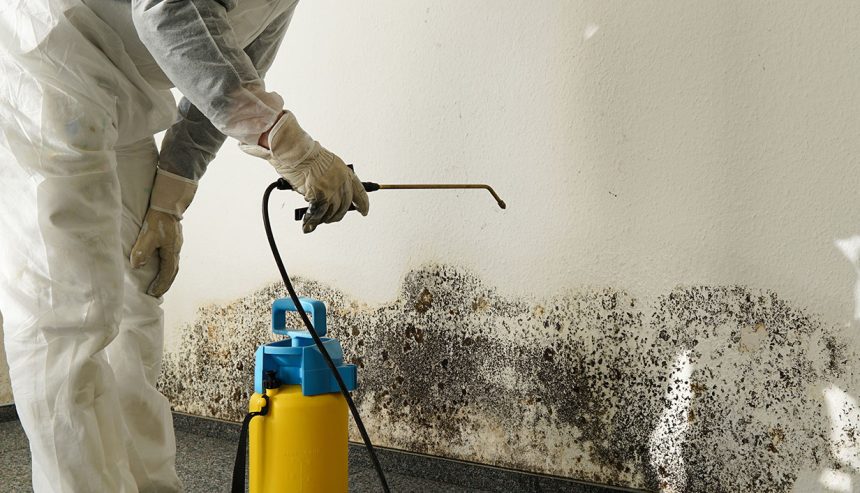
While minor mold growth can often be handled with DIY methods, certain situations require professional intervention:
- Extensive Growth: If mold covers an area larger than 10 square feet, it’s best to hire a professional.
- Black Mold (Stachybotrys): Due to the potential health risks associated with black mold, professional remediation is recommended.
- Mold in HVAC Systems: Professionals can safely clean and treat mold in ductwork, preventing mold spores from spreading.
- Health Symptoms: If you or your family experience persistent health symptoms that may be linked to mold, professional remediation can help eliminate the source.
Conclusion
Understanding the types of mold that can grow in your home, where they thrive, and the risks they pose is the first step toward maintaining a safe and healthy environment. Regular inspections, moisture control, and prompt repairs are essential in keeping all types of mold at bay. If you suspect mold in your home, especially black mold or any type that causes health symptoms, consider consulting a professional mold remediation service. By taking proactive measures, you can protect your family, your belongings, and your property value from the damaging effects of mold.