

Water damage after heavy rain is one of the most common and costly problems homeowners face in Coral Gables, especially during Florida’s stormy summer and hurricane seasons. From roof leaks and flooded rooms to mold growth and structural damage, heavy rainfall can quickly turn a small issue into a major restoration emergency.
If you live in Coral Gables, South Miami, Key Biscayne, or nearby areas, understanding how to identify, prevent, and respond to storm-related water intrusion can save you thousands of dollars in repairs and protect your family’s health. In this guide, we’ll explain the warning signs, common causes, prevention strategies, and what to do immediately after severe rain impacts your property.
Why Heavy Rain Causes Serious Property Damage in Coral Gables
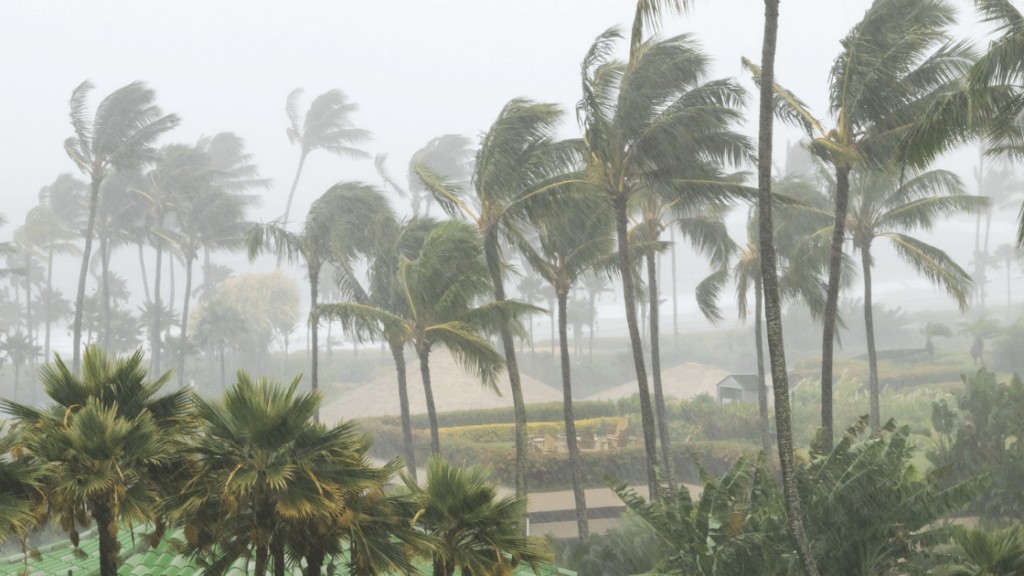
Coral Gables homeowners are no strangers to intense Florida rainstorms. During the summer months, tropical systems, hurricanes, and sudden downpours can overwhelm drainage systems and expose weak points in residential properties.
Older homes in Coral Gables are especially vulnerable because aging roofs, deteriorating plumbing, clogged gutters, and foundation cracks can allow water to enter the property quickly.
What makes the situation worse is Florida’s high humidity. Even after the rain stops, trapped moisture can remain inside walls, flooring, insulation, and ceilings, creating the perfect environment for mold growth and structural deterioration.
Without immediate cleanup and drying, what starts as a minor leak can become a full restoration project within days.
Common Causes of Water Damage After Heavy Rain
Understanding the causes can help homeowners act early before severe damage occurs.
1. Roof Leaks During Storms
Heavy rainfall combined with strong winds can damage roofing materials or expose weak areas. Missing shingles, cracked flashing, and worn roof seals often allow water to seep into attics and ceilings.
2. Poor Drainage Around the Property
When gutters and downspouts become clogged with debris, rainwater cannot flow properly away from the home. Water may pool near the foundation and eventually enter crawl spaces or lower levels.
3. Foundation Cracks
Small cracks in the foundation can allow rainwater to enter the property during prolonged storms. Over time, repeated exposure can weaken structural integrity.
4. Faulty Windows and Doors
Improperly sealed windows and doors are common entry points for moisture during South Florida storms.
5. Overflowing Plumbing Systems
Heavy rain can overload drainage and sewer systems, increasing the risk of backups and indoor flooding.
Signs You May Have Hidden Water Damage
Not all storm damage is immediately visible. In many cases, moisture remains hidden behind walls or under flooring for days or weeks.
Watch for these warning signs:
- Water stains on ceilings or walls
- Bubbling or peeling paint
- Musty odors indoors
- Warped flooring or baseboards
- Sudden mold growth
- Damp carpets or rugs
- Increased indoor humidity
- Cracks appearing near windows or ceilings
If you notice any of these symptoms after a storm, it’s important to schedule a professional inspection quickly.
The Hidden Dangers of Delaying Cleanup
Many homeowners assume water will dry naturally once the weather improves. Unfortunately, lingering moisture can create much bigger issues.
1. Mold Growth
In South Florida’s humid climate, mold can begin developing within 24–48 hours after water exposure. Mold spores spread quickly through HVAC systems and may affect indoor air quality.
2. Structural Damage
Water weakens drywall, wood framing, insulation, and flooring materials over time. Untreated moisture can compromise the stability of parts of your home.
3. Electrical Hazards
Water intrusion near outlets, appliances, or electrical panels can create dangerous fire and shock risks.
4. Increased Restoration Costs
The longer water remains untreated, the more extensive and expensive the restoration process becomes.
What To Do Immediately After Heavy Rain Damage
When dealing with Water Damage After Heavy Rain, the first few minutes and hours are the most important. Quick, informed action can significantly reduce structural damage, prevent mold growth, and improve the overall success of restoration efforts. Delaying response even slightly can allow moisture to spread deeper into walls, flooring, and insulation, making repairs more expensive and time-consuming.
Below are the essential steps every homeowner should follow immediately after Water Damage After Heavy Rain occurs.
Taking the right steps immediately can reduce long-term damage and improve restoration outcomes.
1. Prioritize Safety
The very first step after Water Damage After Heavy Rain is ensuring the safety of everyone in the home. Flooded areas can hide serious electrical hazards, structural weaknesses, and contamination risks.
Take immediate precautions:
- Avoid walking through standing water if electrical outlets or appliances are submerged
- Turn off electricity to affected areas if it is safe to reach the breaker panel
- Do not touch wet electrical devices or wiring
- Be cautious of slippery floors and weakened structures
Water combined with electricity creates a life-threatening risk, so safety must always come before cleanup during Water Damage After Heavy Rain situations.
2. Stop the Source of Water Intrusion
If it is safe to do so, try to minimize further water entering the property after Water Damage After Heavy Rain begins.
Common quick actions include:
- Placing tarps over roof leaks
- Closing and sealing windows or doors where possible
- Using towels or sandbags to block minor water entry points
- Clearing clogged gutters or drains if accessible
These temporary fixes will not replace professional repairs, but they can help slow down Water Damage After Heavy Rain until restoration experts arrive.
3. Remove Valuable Items
Once safety is ensured, immediately begin moving important belongings away from the damaged area during Water Damage After Heavy Rain.
Prioritize:
- Electronics (TVs, computers, appliances)
- Important documents and paperwork
- Furniture that can be moved safely
- Clothing, bedding, and personal items
- Sentimental or irreplaceable belongings
The goal is to prevent further loss while minimizing exposure to moisture. The longer items remain exposed during Water Damage After Heavy Rain, the higher the risk of permanent damage.
4. Document the Damage
Proper documentation is extremely important after Water Damage After Heavy Rain, especially when filing an insurance claim.
Take clear:
- Photos of all affected rooms
- Videos showing the extent of flooding or leaks
- Close-up images of damaged furniture, walls, and flooring
- Shots of water entry points (roof, windows, etc.)
Do not start major cleanup before documentation is completed unless it is necessary for safety reasons. Accurate records of Water Damage After Heavy Rain help ensure smoother insurance processing and better claim outcomes.
5. Contact a Professional Restoration Company
One of the most critical steps after Water Damage After Heavy Rain is calling a professional water damage restoration company as soon as possible.
Professional technicians provide:
- Emergency water extraction
- Industrial drying and dehumidification
- Moisture detection and monitoring
- Mold prevention and remediation
- Sanitization and odor control
- Structural drying and repairs
Even if the damage appears minor, hidden moisture from Water Damage After Heavy Rain can remain trapped inside walls, flooring, and ceilings, leading to mold growth within 24–48 hours.
Fast professional response ensures that Water Damage After Heavy Rain is properly addressed before it turns into a larger structural or health problem.
Why DIY Cleanup Often Fails
Many homeowners attempt to handle storm cleanup themselves using fans or household wet vacuums. While this may remove surface water, it rarely addresses hidden moisture inside walls, subfloors, and insulation.
Professional restoration teams use advanced moisture detection tools, industrial dehumidifiers, and high-powered drying systems to ensure the property is fully dried.
DIY cleanup may also overlook bacterial contamination or mold risks caused by floodwater exposure.
How Professional Restoration Works
A professional restoration company follows a systematic process to restore the property safely and efficiently.
1. Inspection and Moisture Detection
Technicians identify both visible and hidden moisture using specialized equipment.
2. Water Extraction
Standing water is removed using commercial-grade extraction systems.
3. Structural Drying
Industrial air movers and dehumidifiers dry affected materials thoroughly.
4. Sanitization and Cleaning
Contaminated areas are disinfected to reduce bacteria and mold risks.
5. Repairs and Restoration
Damaged drywall, flooring, and structural materials are repaired or replaced.
How Coral Gables Homeowners Can Prevent Future Storm Damage
While severe weather cannot be avoided, proactive maintenance can significantly reduce your risk.
1. Maintain Your Roof
Schedule annual roof inspections and repair damaged shingles immediately.
2. Clean Gutters Regularly
Ensure gutters and downspouts remain clear before hurricane season begins.
3. Seal Windows and Doors
Inspect caulking and weather seals around openings to prevent leaks.
4. Improve Drainage
Make sure landscaping directs water away from the property foundation.
5. Install a Sump Pump
Homes in flood-prone areas may benefit from additional flood prevention systems.
6. Schedule Routine Property Inspections
Professional inspections can identify hidden vulnerabilities before storms arrive.
Why Coral Gables Homes Face Unique Risks
Coral Gables properties experience a combination of weather and environmental factors that increase storm-related risks.
These include:
- Tropical storms and hurricanes
- High annual rainfall totals
- Humidity that accelerates mold growth
- Aging residential infrastructure
- Coastal flood risks near surrounding communities
Because of these conditions, homeowners should treat storm-related water intrusion seriously, even if the damage initially appears minor.
When To Call a Water Damage Restoration Company
You should contact professionals immediately if:
- Water entered multiple rooms
- Ceilings or walls are soaked
- Floodwater entered the home
- Mold odor develops after rainfall
- Flooring becomes warped or soft
- The property remains damp after 24 hours
Fast response is essential for minimizing permanent damage and restoration costs. (305) 894-4343
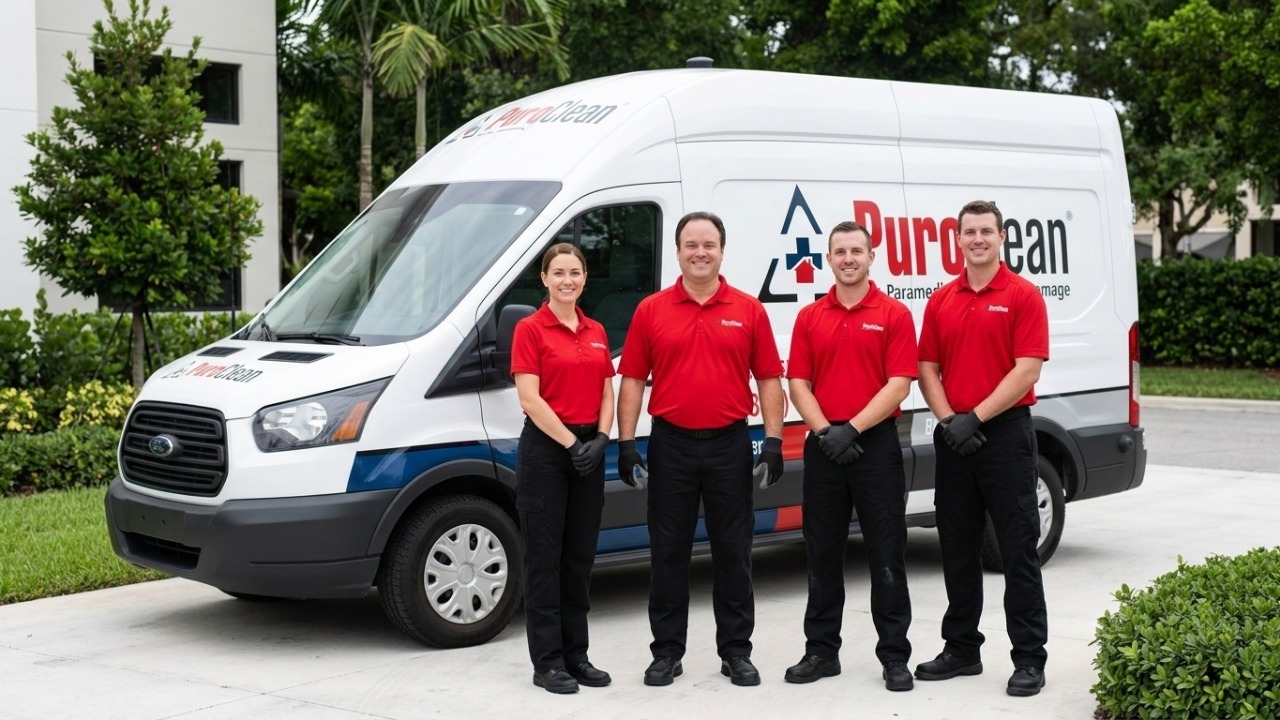
Trust PuroClean of Coral Gables for Fast Storm Damage Restoration
When severe weather strikes, homeowners need a restoration company that responds quickly and understands the unique challenges of South Florida properties.
PuroClean of Coral Gables provides professional emergency restoration services for homes and businesses throughout Coral Gables, South Miami, Key Biscayne, Doral, Glenvar Heights, and surrounding communities.
Their trained technicians use advanced equipment to handle:
- Emergency water extraction
- Structural drying
- Moisture detection
- Mold remediation
- Storm damage restoration
- Flood cleanup services
With 24/7 emergency response, the team works quickly to reduce damage and restore peace of mind when homeowners need help most.
If your property experiences storm-related flooding or leaks, acting fast can make all the difference.
Frequently Asked Questions
How quickly should water damage be addressed after heavy rain?
Water damage should be addressed immediately. Mold can begin growing within 24–48 hours, especially in humid climates like Coral Gables.
Can heavy rain cause hidden mold problems?
Yes. Moisture trapped behind walls, under flooring, or inside insulation can create ideal conditions for mold growth even if surfaces appear dry.
Does homeowners insurance cover storm water damage?
Coverage depends on the source of the water and your policy details. Sudden storm-related damage is often covered, but flood damage may require separate flood insurance.
How long does water damage restoration take?
The timeline depends on the severity of the damage. Minor drying projects may take a few days, while major structural restoration can take longer.
What areas does PuroClean of Coral Gables serve?
They serve Coral Gables, South Miami, Key Biscayne, Doral, Glenvar Heights, and nearby South Florida communities.
Final Thoughts
Water damage after heavy rain can quickly escalate from a small inconvenience into a major restoration emergency if left untreated. In Coral Gables, where intense summer storms and humidity are common, fast action is critical to protecting your property and avoiding mold and structural issues.
By recognizing the warning signs early, maintaining your property, and contacting experienced restoration professionals immediately after storm damage occurs, homeowners can minimize long-term costs and restore their homes safely.
If your home has been affected by severe rain or flooding, PuroClean of Coral Gables is ready to help with fast, professional restoration services throughout Coral Gables, South Miami, Key Biscayne, Doral, and surrounding areas.
From emergency water extraction and structural drying to mold prevention and complete restoration, their team responds 24/7 to protect your property and restore your peace of mind. Don’t wait for the damage to worsen, contact PuroClean of Coral Gables immediately for expert Water Damage After Heavy Rain cleanup services.