Table of Contents
A small leak may seem harmless at first, but over time it can lead to severe water damage and mold problems. Hidden moisture in walls, ceilings, and floors can create structural issues and health hazards, making your home unsafe. In this blog, we’ll explore how small leaks escalate into big problems, the signs to watch for, and why hiring PuroClean of Coral Gables for professional water damage and mold remediation is the safest solution.
Why Small Leaks Should Never Be Ignored
Small leaks are often seen as minor annoyances, like a dripping faucet or a tiny pipe leak. But these minor issues can quickly turn into major water damage and mold problems because:
- Water spreads silently: Moisture can seep into drywall, insulation, and flooring without detection.
- Mold spores thrive in damp environments: Even minimal moisture can create an ideal environment for mold growth.
- Structural damage escalates over time: Wood, flooring, and drywall weaken when exposed to prolonged water.
Even a slow drip over weeks or months can cause hidden damage that isn’t visible until it’s too late.

How Water Damage and Mold Develop From Small Leaks
Step 1: Moisture Accumulation
Moisture from a small leak slowly saturates building materials. This hidden water can accumulate behind walls, under floors, and in ceilings, creating a perfect breeding ground for mold.
Step 2: Hidden Damage
Often, homeowners don’t notice the damage until it manifests as stains, odors, or warped flooring. By this point, water damage and mold have already compromised structural integrity.
Step 3: Mold Growth
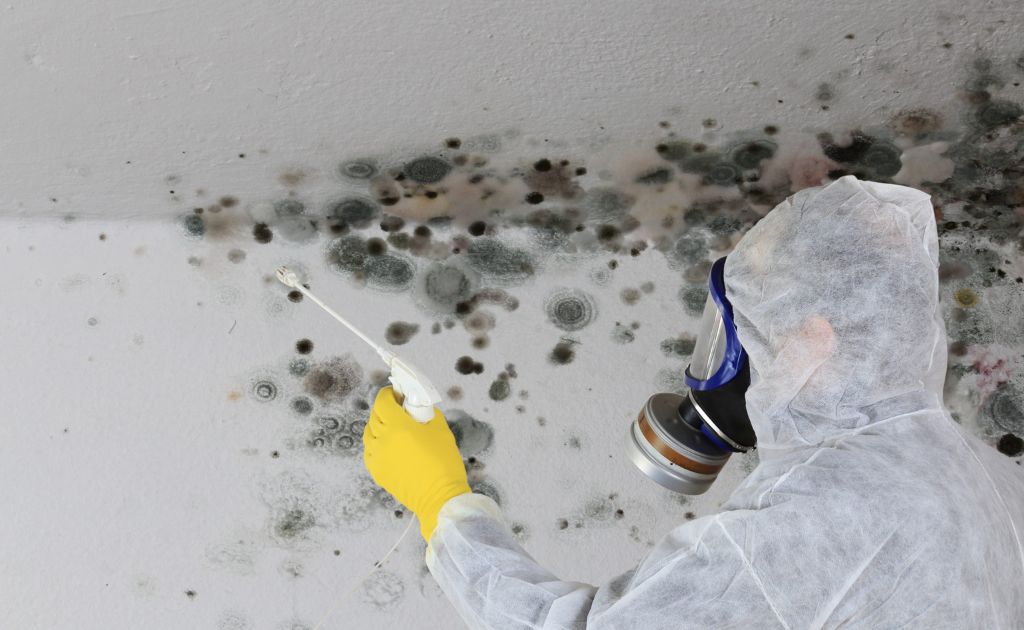
Mold spores are microscopic and exist naturally in the air. When they encounter moisture from leaks, they begin growing within 24–48 hours.
- Health risks: Exposure can cause allergies, respiratory irritation, headaches, or more severe reactions in sensitive individuals.
- Structural risks: Mold weakens wood, drywall, and flooring, leading to costly repairs.
Even minor leaks can quickly evolve into a serious water damage and mold problem that threatens your home’s safety.
Common Causes of Water Damage and Mold From Small Leaks
Knowing the sources of leaks can help prevent serious damage:
- Plumbing issues: Dripping faucets, leaking pipes, or worn-out seals.
- Roof leaks: Damaged shingles, flashing, or gutters allowing water to penetrate ceilings.
- HVAC problems: Condensation lines, clogged drains, or leaky units.
- Appliance malfunctions: Washing machines, dishwashers, or refrigerators can leak slowly over time.
- Foundation and drainage issues: Water seeping in from cracks or poor grading.
Identifying these sources early and fixing them is critical to stopping water damage and mold from escalating.
Signs You Might Have Water Damage and Mold
Even small leaks leave clues. Watch for:
- Musty odors: Often the first sign of hidden mold.
- Discoloration or stains: Yellow, brown, or dark spots on walls or ceilings.
- Warped or soft flooring: Wood or laminate floors may buckle or feel spongy.
- Allergy-like symptoms: Sneezing, coughing, or watery eyes, particularly in previously healthy individuals.
- Condensation or dripping water: Even small amounts can indicate bigger hidden issues.
Ignoring these signs allows water damage and mold to spread, increasing repair costs and health risks.
Why DIY Cleanup Often Fails
Many homeowners attempt to clean up small leaks themselves, but DIY methods usually fail to prevent long-term problems:
- Surface-only drying: You may remove visible water but not hidden moisture inside walls or under floors.
- Mold spores: Scrubbing visible mold does not eliminate spores in the air or behind surfaces.
- HVAC contamination: Spores in ducts can recirculate and spread mold throughout the home.
Professional water damage and mold remediation ensures moisture is fully removed, mold is treated, and the home is restored safely.
Professional Water Damage and Mold Remediation Steps
When you hire PuroClean of Coral Gables, experts follow a multi-step process to fully restore your home:
1. Inspection and Assessment
Professionals inspect every area affected by water damage and mold, including hidden spaces, and create a customized remediation plan.
2. Containment
Affected areas are contained to prevent spores from spreading to other rooms.
3. Water Extraction and Drying
Industrial pumps, air movers, and dehumidifiers are used to remove water and dry all surfaces thoroughly.
4. Cleaning and Mold Removal
Specialized HEPA vacuums, chemical cleaners, and antifungal treatments remove mold from surfaces, furniture, and HVAC systems.
5. Restoration
Repairing damaged walls, ceilings, floors, and trim restores your home’s appearance and ensures structural safety.
6. Prevention and Monitoring
Experts provide guidance to prevent future leaks and mold growth, protecting your home long-term.
Preventing Water Damage and Mold From Small Leaks
- Inspect plumbing and appliances regularly.
- Fix leaks immediately, no matter how minor.
- Maintain proper ventilation in basements, bathrooms, and attics.
- Use moisture detectors in high-risk areas.
- Schedule professional inspections if you notice any signs of water damage or mold.
Prevention is always cheaper and safer than waiting for a small leak to turn into a big problem.
Real-Life Examples of Small Leaks Becoming Big Problems
- Kitchen Sink Leak: A small drip went unnoticed for months, causing the cabinetry to rot and mold to grow behind drywall. Professional remediation restored the kitchen fully.
- Roof Leak: A missing shingle during hurricane season led to water seeping into the attic, promoting mold growth and damaging insulation. Early detection prevented structural collapse.
- AC Condensation Line: Slow leakage caused hidden mold behind the wall, which homeowners only noticed after persistent odors. Professional remediation cleaned and restored the area safely.
These examples show why professional water damage and mold remediation is essential.
FAQs About Water Damage and Mold
Q: Can minor leaks really cause major mold problems?
Yes. Even small leaks can saturate walls, floors, and ceilings, creating a perfect environment for mold growth.
Q: How fast does mold grow after water exposure?
Mold can begin growing within 24–48 hours in moist environments.
Q: Can DIY cleanup stop mold?
DIY methods may remove visible mold but cannot address hidden moisture or airborne spores. Professionals ensure complete remediation.
Q: Is professional water damage and mold remediation expensive?
Costs vary, but professionals prevent long-term structural damage and health risks, saving money over time.
Q: Does insurance cover remediation?
Many homeowners’ policies cover sudden water damage. PuroClean assists with documentation and claims support.
Why Hire PuroClean of Coral Gables
Even small leaks can escalate quickly into costly water damage and mold issues. PuroClean of Coral Gables offers:
- 24/7 emergency response for fast action
- Certified, trained technicians following industry standards
- Advanced equipment for water extraction, drying, and mold remediation
- Insurance support for hassle-free claims
- Full restoration of affected walls, floors, ceilings, and furniture
Professional water damage and mold remediation ensures your home is fully restored, safe, and free of lingering mold.
Final Summary:
Minor leaks may seem harmless, but they can escalate into major water damage and mold problems that compromise your home and health. DIY cleanup often fails to remove hidden moisture or mold spores. Professional remediation with PuroClean of Coral Gables guarantees safe, thorough, and long-lasting results, restoring your home fully and preventing future issues. Don’t wait, contact PuroClean today and protect your home from small leaks before they turn into big problems.