 PuroClean of Coral Gables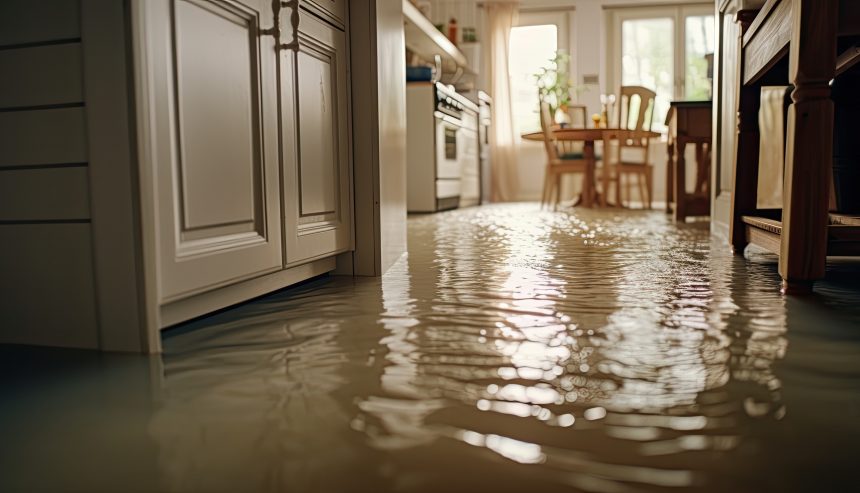
A water damage claim may be denied for reasons like gradual leaks, lack of maintenance, flood exclusion, or poor documentation. This blog breaks down the most common pitfalls and explains how to protect your home and your claim. If water damage hits your Coral Gables home, PuroClean of Coral Gables is ready to respond fast, restore thoroughly, and help you get covered.
Table of Contents
Why Understanding Water Damage Claims Matters
When disaster strikes and your floors are soaked or your ceiling starts dripping, your first instinct might be to file a water damage claim. You assume your insurance company will step in but many homeowners are blindsided by claim denials. Why? Because not all water damage is treated equally under your policy.
Let’s explore the most common reasons your water damage claim might be denied and what you can do to avoid it.
1. The Damage Was Gradual, Not Sudden
One of the most common reasons insurers deny a water damage claim is because the damage didn’t happen all at once. Most standard homeowners’ policies only cover sudden and accidental water damage such as a burst pipe or an appliance leak. However, gradual leaks that occur over weeks or months (like under a sink or behind a wall) are considered maintenance issues, not covered losses.
Solution:
- Regularly inspect areas prone to hidden leaks (e.g., under sinks, around toilets, behind appliances).
- Take before-and-after photos of maintenance work.
- If you suspect a slow leak, get it repaired and documented by a licensed plumber before it escalates.
2. You Didn’t Maintain Your Property Properly
Insurance policies assume the homeowner is taking reasonable steps to maintain their property. If the water damage occurred because of a lack of basic maintenance such as ignoring a leaking roof, not heating your home during winter (causing frozen pipes), or not cleaning out gutters, your water damage claim may be denied.
Solution:
- Keep a home maintenance checklist and stick to a seasonal schedule.
- Save invoices for roof inspections, plumbing checks, and HVAC servicing.
- Take photos as proof that your property was well-maintained.
3. Flood Damage Is Not Covered by Standard Policies
Many homeowners mistakenly believe flood damage is included in their standard policy. It’s not. Damage caused by surface water, overflowing rivers, storm surge, or any “act of nature” flood event is only covered if you’ve purchased separate flood insurance under the National Flood Insurance Program (NFIP).
According to FEMA, flood insurance is only available through participating insurance companies or the NFIP. Coverage includes structural damage and belongings, but standard homeowners insurance does not.
Solution:
- Check if you live in a FEMA-designated flood zone.
- Visit FloodSmart.gov to get a quote or buy a flood policy.
- Consider flood insurance even if you’re in a moderate- or low-risk area — over 20% of flood claims come from these zones.
4. Sump Pump Failure or Sewer Backup Wasn’t Covered
A sump pump failure or sewer backup can leave your basement soaked in minutes. But unless you’ve added a water backup endorsement to your homeowners insurance, these events are usually not covered.
Insurance providers classify sump pump and sewage-related damage as “optional risks,” which means you need an add-on policy or endorsement to get coverage.
Solution:
- If you have a basement or sump pump, check your policy for exclusions.
- Add backup/sump pump failure coverage if you don’t already have it.
- Install battery backups and alarms to help prevent damage in the first place.
5. Mold Damage Was Deemed Preventable
Mold can begin to grow within 24–48 hours of water exposure. Insurance companies are very specific about when and why mold appears. If mold growth results from a sudden water event (e.g., a pipe burst), it may be covered. But if the mold is due to poor ventilation, neglected leaks, or moisture buildup over time, your water damage claim may be denied.
Solution:
- Dry out water-affected areas immediately.
- Use dehumidifiers and fans to reduce moisture.
- Keep documentation (photos, receipts) showing your attempts to mitigate damage.
6. You Filed Late or Lacked Documentation
Every insurance policy has specific deadlines for reporting damage. If you delay filing a water damage claim, you risk denial. Similarly, if you lack adequate documentation (e.g., photos, contractor estimates, receipts), the insurer may not be able to verify your loss.
Solution:
- File your claim immediately after discovering water damage.
- Take clear, timestamped photos and videos of all affected areas.
- Save all receipts for emergency mitigation (e.g., water extraction, drying equipment).
- Keep a log of phone calls, emails, and adjuster visits.
7. You Made Unapproved Repairs Before the Insurance Adjuster Arrived
It’s tempting to jump into repairs quickly, especially if water is threatening to cause mold or structural damage. But if you start major repairs before the adjuster has inspected the property, your water damage claim may be rejected.
Insurance companies want to verify the extent and source of damage before approving repairs.
Solution:
- Make only temporary repairs to prevent further damage (e.g., tarps, shutting off water).
- Keep damaged materials on-site for the adjuster’s inspection.
- Save receipts and photos of any temporary repairs.
Bonus Tip: Know What Your Policy Covers
Every insurance policy is different. Some cover water damage from specific sources (e.g., air conditioners or appliances), while others don’t. Read your policy carefully — or better yet, have your agent walk you through it.
For example, Investopedia explains that most policies do not cover the broken pipe itself but may cover the resulting water damage if it was sudden and accidental.
Recap: How to Avoid a Denied Water Damage Claim
Here’s a quick checklist to protect your next water damage claim:
- Fix slow leaks before they cause visible damage
- Maintain your roof, HVAC, plumbing, and appliances
- Buy flood insurance if you’re in a risk zone
- Add sump pump and sewer backup coverage
- Act fast — dry, document, and file right away
- Avoid full repairs until your insurer approves
- Read your policy and ask about gray areas
Don’t Risk It — Call PuroClean of Coral Gables
When water damage hits, the last thing you want is a denied claim or costly mistake. That’s where PuroClean of Coral Gables comes in:
- 24/7 Emergency Response
- Certified Technicians with industry-leading equipment
- Documentation Support for insurance claims
- Water Removal & Drying using commercial-grade tools
- Mold Prevention & Cleanup
- Direct billing and support with your insurer
We help you prevent denial, minimize damage, and recover faster. Don’t wait for mold or structural problems to settle in. Call the pros you can trust. (305) 894-4343.
📍 Proudly serving Coral Gables, South Florida, and surrounding areas.
Why Are Water Damage Claims Denied?
A water damage claim may be denied due to preventable maintenance issues, excluded events like flooding, lack of documentation, or untimely filing. By taking preventive steps and calling professionals like PuroClean of Coral Gables early, you improve your chances of getting approved — and getting back to normal faster.


 PuroClean of Coral Gables