

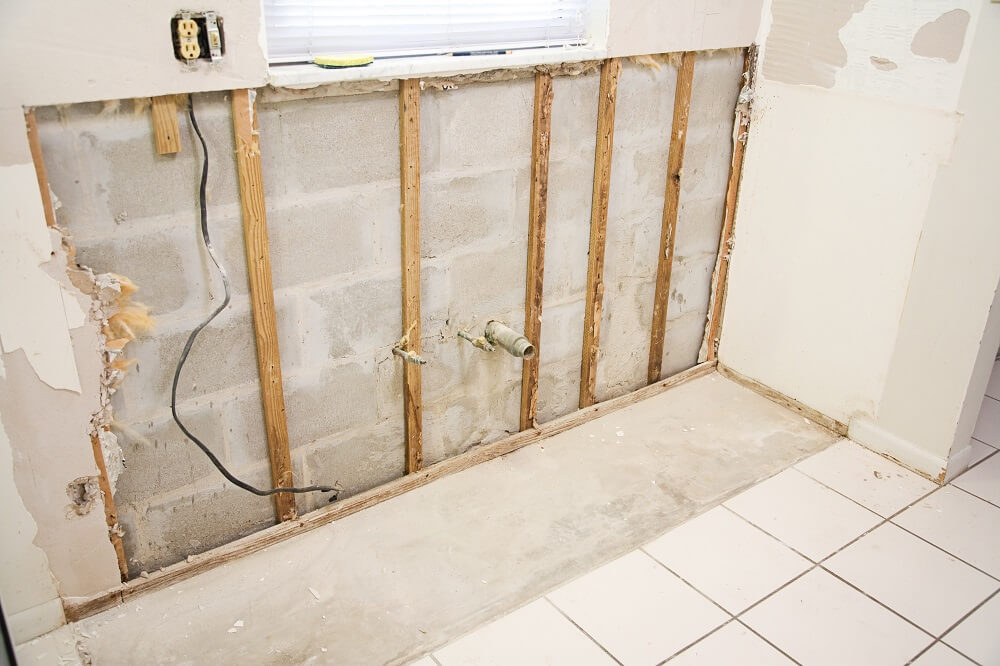
If you’re searching for water damage drywall repair, the short answer is this: act fast. Drywall absorbs moisture quickly, and what looks like a minor stain on your wall could hide significant damage behind the surface. In Coral Gables, where heavy rain, tropical storms, plumbing leaks, and high humidity are common, prompt inspection and professional restoration can prevent mold growth, structural issues, and costly repairs.
Many homeowners assume a stained wall only needs fresh paint. Unfortunately, water often travels beyond the visible damage. Proper drying, moisture detection, and restoration are critical to protecting your property and avoiding recurring problems.
For homeowners in Coral Gables, water damage is a year-round concern due to South Florida’s heavy rainfall, tropical storms, hurricanes, aging plumbing systems, and high humidity levels. Even a small leak behind a wall can cause significant damage if left untreated. That’s why understanding the importance of water damage drywall repair can help you minimize repair costs, prevent health hazards, and protect your property’s value.
In this comprehensive guide, we’ll discuss nine powerful facts every Coral Gables homeowner should know about water damage drywall repair, explain the restoration process, and share practical tips to prevent future water damage.
Why Water Damage Drywall Repair Is So Important
Drywall, also known as gypsum board or sheetrock, is one of the most commonly used building materials in residential homes. Although it provides a smooth and durable interior finish, drywall is highly porous and absorbs water quickly.
When drywall becomes saturated, it can:
- Lose structural strength
- Warp and swell
- Sag or crumble
- Develop stains
- Harbor mold growth
- Trap unpleasant odors
- Damage paint and finishes
- Affect indoor air quality
Prompt water damage drywall repair helps restore your home’s safety while preventing more extensive structural and mold-related issues.
Signs You May Need Water Damage Drywall Repair
One of the biggest mistakes homeowners make is ignoring early warning signs.
Look for these indicators:
1. Water Stains and Discoloration
Yellow, brown, or dark rings on walls and ceilings often indicate moisture intrusion. These stains may continue growing if the source of water has not been fully resolved.
2. Bubbling or Peeling Paint
Paint that bubbles or peels away from the wall typically signals moisture trapped beneath the surface.
3. Soft or Crumbling Drywall
Press gently on the affected area. If it feels soft, weak, or crumbles under pressure, the drywall may have lost its structural integrity.
4. Sagging Ceilings or Walls
A sagging ceiling is a serious warning sign that water may have accumulated above the drywall. Immediate inspection is recommended.
5. Musty Odors
A persistent musty smell often indicates hidden moisture or mold growth behind walls.
6. Visible Mold Growth
Dark spots around walls, ceilings, or baseboards should never be ignored. Mold can begin developing within 24 to 48 hours under the right conditions.
Why Coral Gables Homes Face Unique Water Damage Risks
Living in South Florida comes with many benefits, but it also presents unique challenges.
Coral Gables homeowners regularly deal with:
- Tropical storms and hurricanes
- Intense seasonal rainfall
- High year-round humidity
- Aging plumbing systems in older homes
- Wind-driven rain infiltration
These factors increase the likelihood of hidden moisture problems, especially behind drywall.
A wall that appears dry on the surface may still contain moisture within the wall cavity. This is why professional moisture detection is often necessary.
Can Water-Damaged Drywall Be Repaired or Must It Be Replaced?
This is one of the most common questions homeowners ask.
The answer depends on several factors:
Repair May Be Possible When:
- The leak was discovered quickly
- Water exposure was minimal
- Moisture levels are low
- No mold is present
- The drywall remains structurally sound
In these cases, professional drying equipment may remove moisture successfully before repairs are completed.
Replacement Is Usually Necessary When:
- Drywall has been wet for an extended period
- Mold is present
- The material is swollen or warped
- Drywall is crumbling
- Floodwater contamination occurred
Once drywall loses its structural integrity, replacement is often the safest and most effective solution.
The Professional Water Damage Drywall Repair Process
A successful water damage drywall repair project involves much more than simply patching a damaged wall or applying a fresh coat of paint. Water can penetrate deep into drywall, insulation, wood framing, and other structural components, creating hidden moisture that may lead to mold growth, unpleasant odors, and long-term structural problems if not properly addressed.
Professional restoration companies follow a proven, systematic process to ensure your water damage drywall repair is completed safely, thoroughly, and in accordance with industry standards. Here’s what homeowners can expect during the restoration process.
1. Moisture Inspection
Every water damage drywall repair project begins with a comprehensive moisture inspection. Restoration technicians use advanced tools such as moisture meters, hygrometers, and thermal imaging cameras to identify both visible and hidden moisture within walls, ceilings, floors, and surrounding building materials.
This detailed inspection helps professionals:
- Determine the full extent of the water damage
- Locate hidden moisture behind drywall
- Identify affected insulation and framing
- Develop an effective restoration plan
- Prevent overlooked moisture from causing future mold growth
Accurate moisture detection is essential because water often travels far beyond the area where visible damage first appears.
2. Source Identification
Before any water damage drywall repair can begin, the source of the water intrusion must be identified and corrected. Repairing drywall without addressing the underlying problem will only lead to recurring damage.
Common sources include:
- Burst or leaking pipes
- Roof leaks
- Appliance failures
- HVAC condensation
- Overflowing sinks or bathtubs
- Water heater leaks
- Foundation seepage
- Storm or hurricane damage
Once the source is repaired, technicians can proceed with confidence that the restored drywall will remain dry and protected.
3. Water Extraction and Drying
After stopping the water source, the next step in water damage drywall repair is removing excess moisture from the affected area.
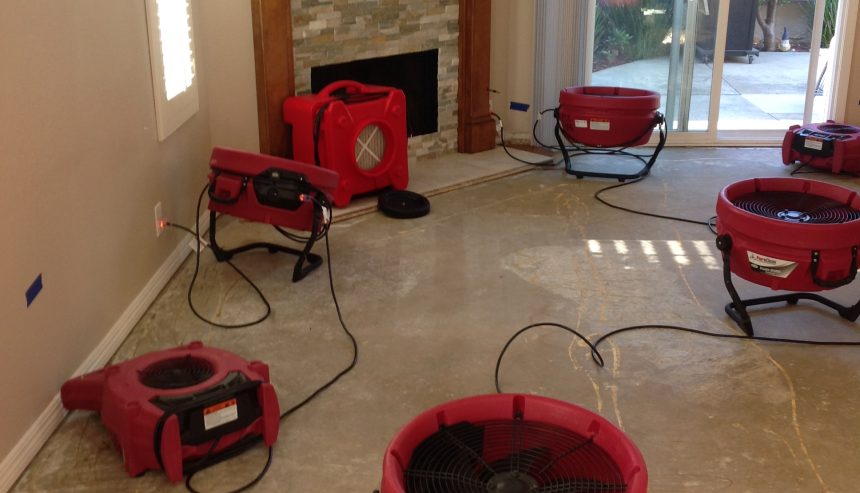
Professional restoration companies use specialized equipment, including:
- Commercial water extractors
- Industrial air movers
- High-capacity dehumidifiers
- Drying mats
- Moisture monitoring systems
These tools work together to remove water from drywall, insulation, framing, flooring, and other structural materials.
Proper structural drying is one of the most critical stages of water damage drywall repair because trapped moisture can lead to mold growth, wood rot, and ongoing deterioration if left untreated.
4. Removal of Unsalvageable Materials
Not all water-damaged drywall can be saved. If the drywall has become severely saturated, lost its structural integrity, or has been contaminated by gray or black water, it may need to be removed and replaced.
During this stage of water damage drywall repair, technicians may remove:
- Damaged drywall panels
- Wet insulation
- Water-damaged baseboards
- Contaminated building materials
- Mold-infested materials when necessary
Removing unsalvageable materials helps eliminate hidden moisture, prevents mold from spreading, and creates a clean foundation for rebuilding.
5. Cleaning and Sanitization
Once damaged materials have been removed, professionals thoroughly clean and sanitize the affected area.
This important step in the water damage drywall repair process helps:
- Remove dirt and debris
- Eliminate bacteria and contaminants
- Reduce microbial growth
- Address unpleasant odors
- Improve indoor air quality
Depending on the source of the water damage, antimicrobial treatments may also be applied to help prevent future mold development.
Proper cleaning and sanitization ensure the repaired area is safe, healthy, and ready for reconstruction.
6. Drywall Repair or Replacement
After the area has been completely dried and sanitized, restoration professionals begin the actual water damage drywall repair.
Depending on the extent of the damage, this may involve:
- Installing new drywall panels
- Replacing insulation
- Taping drywall joints
- Applying joint compound
- Sanding smooth surfaces
- Matching existing wall textures
- Priming repaired areas
- Repainting to blend seamlessly with surrounding walls
Experienced technicians work carefully to ensure the repaired area matches the rest of your home, restoring both appearance and structural integrity.
7. Final Inspection
The final step in the water damage drywall repair process is a comprehensive inspection to verify that the restoration has been completed successfully.
Technicians will:
- Take final moisture readings
- Confirm all materials are completely dry
- Inspect repaired drywall for quality
- Verify structural stability
- Ensure there are no remaining signs of hidden moisture
- Confirm the area is ready for normal use
This final quality check provides homeowners with confidence that their water damage drywall repair has been completed properly and that the risk of future moisture-related issues has been minimized.
The Cost of Waiting Too Long
Delaying repairs often increases both damage and restoration costs.
When moisture remains trapped behind walls, homeowners may face:
- Mold remediation expenses
- Structural deterioration
- Damaged insulation
- Paint failure
- Indoor air quality concerns
- Higher insurance claim costs
What begins as a small leak can quickly turn into a major restoration project.
DIY vs. Professional Restoration
While minor cosmetic repairs may seem manageable, hidden moisture often tells a different story.
Many DIY projects fail because homeowners repair the wall before confirming it is completely dry. Moisture trapped behind drywall can cause recurring stains, mold growth, and future wall failure.
Professional restoration companies use specialized equipment to detect moisture that is invisible to the naked eye.
For significant water damage, professional intervention is usually the safest option.
How to Prevent Future Drywall Water Damage
Coral Gables homeowners can reduce their risk by:
- Inspecting roofs annually
- Checking plumbing connections regularly
- Monitoring water bills for unexplained increases
- Cleaning gutters and downspouts
- Maintaining HVAC systems
- Addressing leaks immediately
- Installing leak detection devices
Preventive maintenance can save thousands of dollars in future repairs.
Frequently Asked Questions
How long does drywall stay wet after a leak?
Depending on humidity levels and the extent of damage, drywall may remain wet for several days. Professional drying equipment significantly accelerates the process.
Can mold grow inside drywall?
Yes. Mold can begin developing within 24 to 48 hours when moisture remains trapped inside drywall.
Should stained drywall always be replaced?
Not necessarily. Some stained drywall can be salvaged if the material remains structurally sound and has been properly dried.
Is water-damaged drywall dangerous?
It can be. Wet drywall may weaken structurally and contribute to mold growth that impacts indoor air quality.
Does homeowners insurance cover drywall water damage?
Coverage depends on the cause of the damage and your policy terms. Sudden and accidental water damage is often covered, while long-term neglect typically is not.
Water Damage Drywall Repair Services in Coral Gables
To summarize, water damage drywall repair should never be delayed. Water can travel behind walls, damage structural materials, and create conditions for mold growth long before visible signs become severe.
If you’ve noticed stains, soft spots, peeling paint, musty odors, or other signs of moisture, professional inspection is the best way to determine the true extent of the problem.
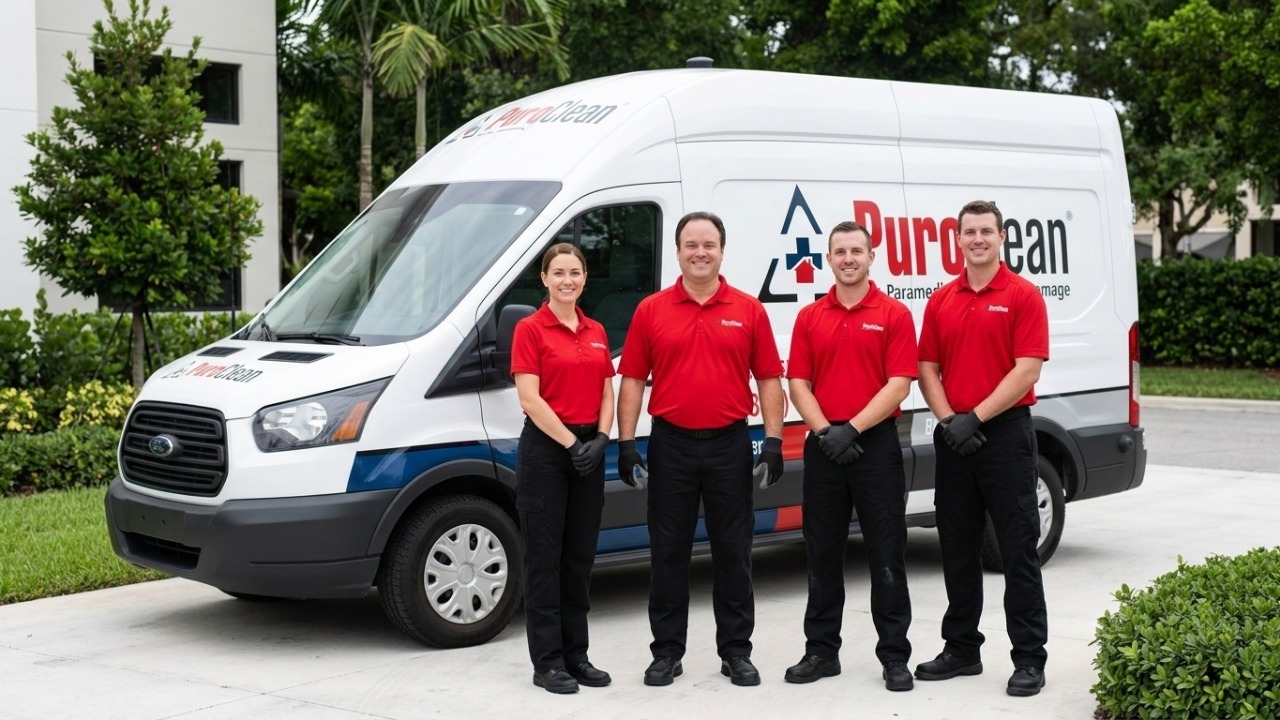
At PuroClean of Coral Gables, our team provides rapid response water damage restoration, moisture detection, structural drying, drywall repair, and mold prevention services. We understand the unique challenges South Florida homeowners face and use advanced equipment to restore properties safely and efficiently.
Whether you’re dealing with a recent plumbing leak, storm damage, or hidden moisture issues, we’re here to help protect your home and restore your peace of mind.
Don’t wait for a small problem to become a costly repair. Contact PuroClean of Coral Gables today for expert assessment and professional restoration solutions.