


Table of Contents
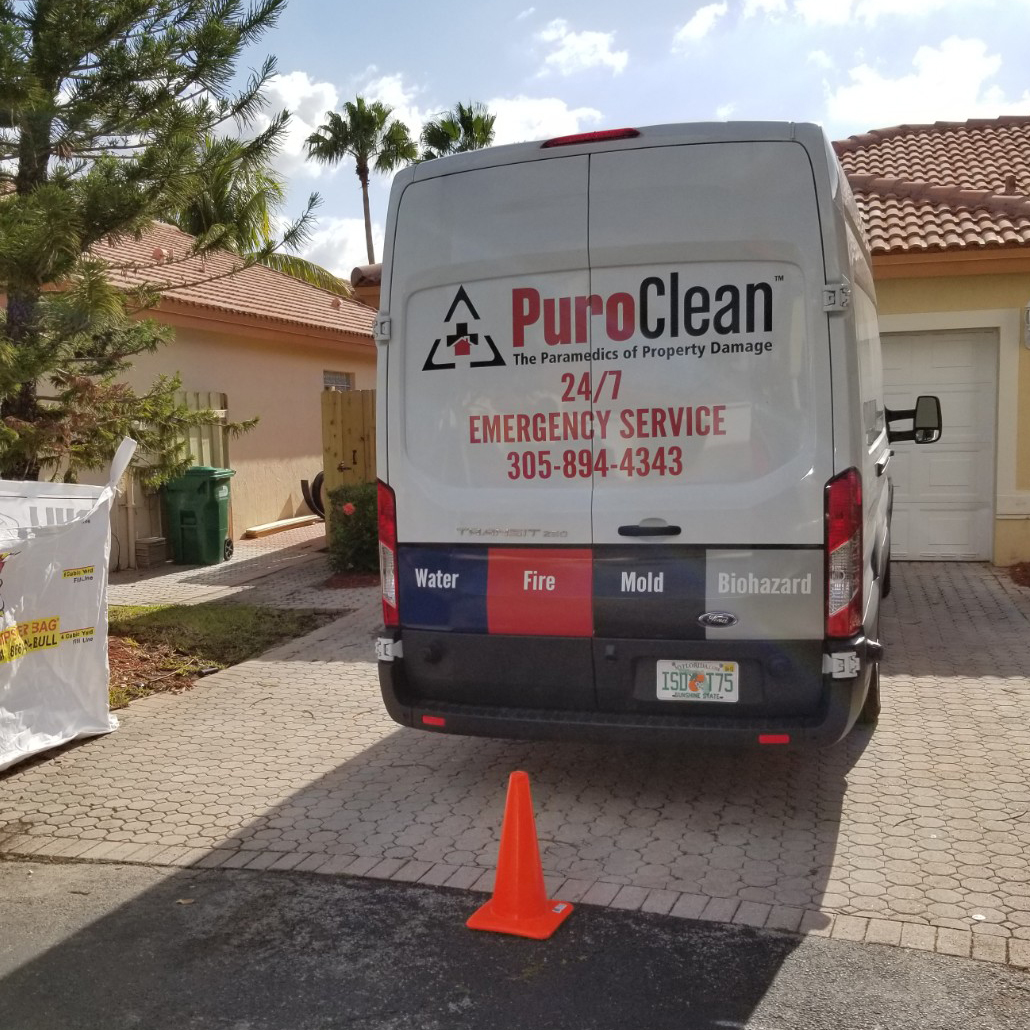
Water damage is one of the most unpredictable and potentially devastating issues a property owner can face. From burst pipes to unexpected flooding, water damage doesn’t just threaten the appearance of your home—it can also impact its structural integrity and create health risks. However, not all water damage scenarios are equal, and knowing when to call for emergency restoration services can make all the difference in minimizing long-term damage.
In this guide, we’ll explore critical situations where immediate emergency restoration is essential to safeguard your property and health.
Understanding When Water Damage Calls for Emergency Restoration
Water damage can escalate rapidly, with potential impacts on both property and health. Emergency restoration services are designed to respond quickly, addressing the water damage, drying out affected areas, and preventing further issues like mold growth or structural damage. Here are some of the most urgent scenarios where calling in emergency restoration experts is crucial.
1. Sewage Backups: An Immediate Health Hazard
One of the most hazardous types of water damage is a sewage backup. When sewage backs up into a home, it introduces harmful pathogens, bacteria, and viruses into the environment, posing serious health risks. Exposure to contaminated water can lead to diseases like Hepatitis A, E. coli infection, and other severe illnesses.
Emergency restoration is crucial in these cases to sanitize the affected areas and remove any contaminated materials safely. Professionals use specialized equipment and protective gear to handle sewage backups, ensuring your home is properly disinfected and safe to inhabit again.
2. Floodwater Infiltration: Swift Action Needed
Flooding due to natural disasters or heavy rain can cause significant damage. Floodwater is often classified as Category 3, or “black water,” which means it’s highly contaminated and may contain chemicals, debris, or biological waste. Flooded areas can quickly deteriorate, damaging walls, flooring, furniture, and even electrical systems if not addressed immediately.
Professional emergency restoration teams are trained to handle the risks associated with floodwater, which include drying and disinfecting the area to prevent mold growth, structural weakening, and contamination. Quick action is essential to reduce the extent of water penetration and save as many belongings as possible.
3. Burst Pipes and Major Leaks
Burst pipes and major water leaks are common causes of water damage, especially in colder climates where pipes are more susceptible to freezing. When a pipe bursts, hundreds of gallons of water can flood your property in minutes, leading to extensive water damage. Prompt emergency restoration is necessary to halt the spread of water and begin drying the area, reducing the risk of mold growth and structural damage.
Waiting too long to address a burst pipe can result in secondary damage to walls, floors, and insulation, making repairs more costly and time-consuming. Emergency restoration services are equipped to quickly extract the water, assess damage, and start the drying process to minimize long-term impacts.
4. Roof Leaks During Heavy Rain
A leaking roof, especially during a rainstorm, can quickly become a significant problem. Water can seep into walls, ceilings, and insulation, leading to extensive damage that isn’t always immediately visible. If water from a roof leak is allowed to linger, it can compromise the structural integrity of the roof and other parts of your home.
Immediate emergency restoration helps to prevent further water infiltration, addresses potential mold risks, and ensures your property remains structurally sound. Restoration teams can also identify areas of hidden damage that may worsen if left unattended, such as wet insulation or compromised drywall.
5. Water Heater Failures and Appliance Malfunctions
Appliance failures, particularly water heaters, washing machines, or dishwashers, can lead to significant water leaks. If a water heater bursts or an appliance hose breaks, it can release large amounts of water, causing sudden, extensive damage. Quick emergency restoration can help prevent water from spreading to unaffected areas, reducing the risk of mold and damage to flooring, walls, and nearby furniture.
Emergency restoration experts can assess the affected area, stop the water flow, and initiate drying processes to restore your space and prevent further complications. Given that appliance leaks can contain mineral buildup or sediment, cleaning and restoration by professionals also ensure safe and thorough water removal.
6. Mold Growth After Prolonged Moisture Exposure
While mold growth might not seem like an immediate emergency, it often signifies an underlying water issue that has gone untreated. Mold can start growing within 24 to 48 hours of water exposure and can quickly spread throughout a property, causing serious health risks, especially for those with respiratory issues or allergies. When you notice signs of mold due to water damage, contacting emergency restoration professionals is essential.
Restoration teams can address the source of moisture, contain and remove mold, and treat affected areas to prevent recurrence. Immediate emergency restoration helps protect your property and health by halting mold’s spread and eliminating the underlying water issues that fuel its growth.
Why You Should Choose Professional Emergency Restoration Services
Attempting to handle significant water damage on your own can result in further complications, including missed areas of damage or improper drying that leads to mold and decay. Here are a few reasons why emergency restoration services are invaluable:
- Advanced Equipment: Professionals use specialized drying equipment, moisture meters, and extraction tools to thoroughly remove water and dry all affected areas, even those not immediately visible.
- Expertise in Contamination Control: For instances like sewage or floodwater, emergency restoration teams have the training and tools to handle contamination safely, preventing health hazards.
- Mold Prevention: Emergency restoration services work quickly to dry and disinfect affected areas, reducing the risk of mold growth, which can cause respiratory issues and property damage.
- Structural Assessment: Restoration professionals can identify hidden structural damage and provide recommendations to prevent future issues, ensuring your property remains safe and sound.
Final Thoughts: When to Call for Emergency Restoration
Water damage can quickly escalate into a major problem that affects the safety, value, and integrity of your property. Knowing when to call for emergency restoration services can make a critical difference in mitigating damage, preserving property value, and ensuring the health of everyone in your household. Whether it’s a sewage backup, floodwater intrusion, or burst pipe, swift action is the best way to safeguard your home and reduce repair costs.
Don’t wait for water damage to worsen—contact our emergency restoration team at the first sign of trouble. We have the expertise, equipment, and knowledge to restore your property effectively and efficiently, helping you recover faster and with less hassle.