


Table of Contents
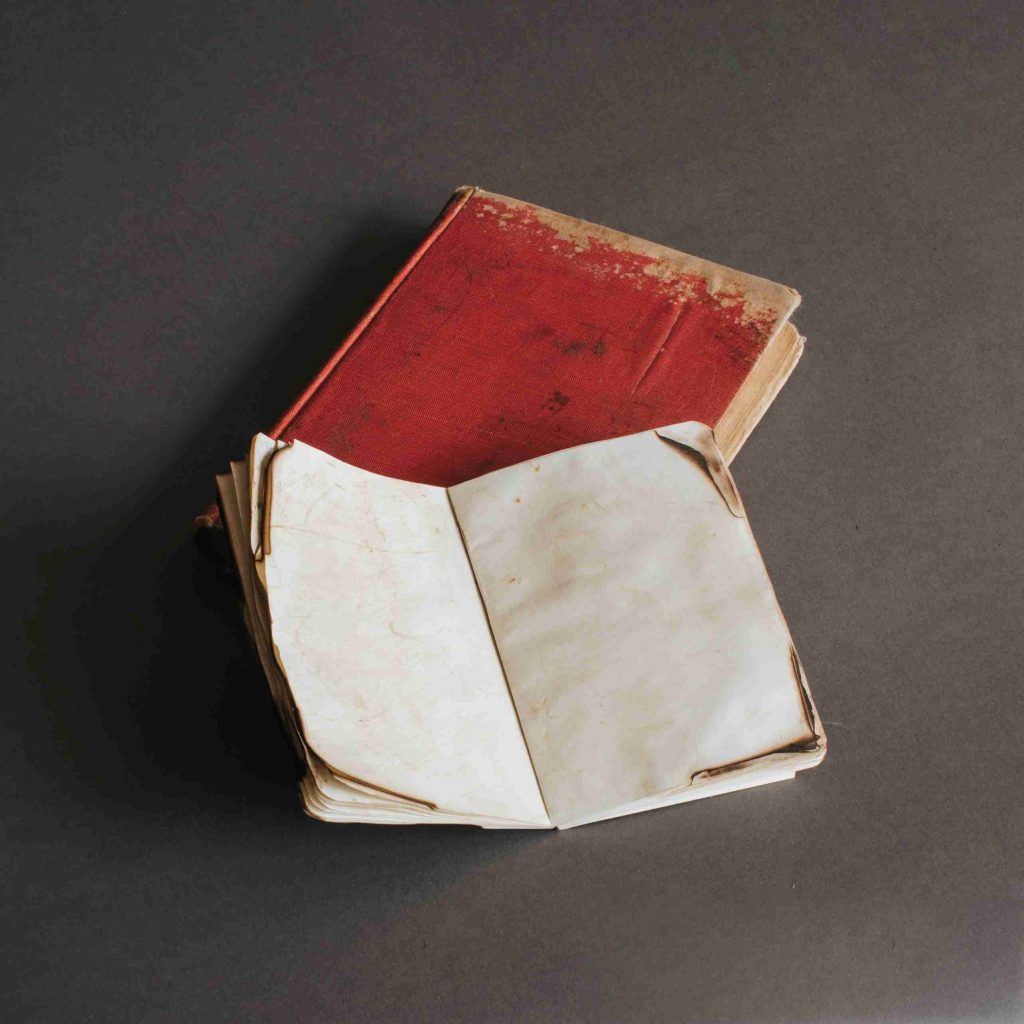
During a flooding incident, your collections such as documents and books are at great risk. These personal artifacts can hold value beyond measure and we understand the importance of preserving their sentimental weight.
It’s important to start salvaging your water damaged collections such as photos, books, and documents within two days or they will start to become moldy and deteriorate. Both the water and the ensuing humidity in the air can cause permanent deterioration. The good news is that there is a way how to save water damaged collections (photos, papers, and books), but only if you act fast and work with caution.
Saving Water Damaged Collections
– Photos
- Save pictures in frames when they are still drenched, otherwise you might damage the photos when trying to remove them. To safely separate a wet photo from a picture frame, gently rinse both photo and frame with water, and carefully remove the photo.
- For saving very old photos, consult a professional conservator first. These historical photographs are more sensitive to damage and restoration.
- When you’re ready, remove the photos from the water or mud being careful not to touch the front of the photos.
- Place the photos image side up onto a rigid surface like a board.
- If photos have dirt on them, rinse them gently using clean water in a bucket or sink.
- After cleaning the photos, lay them on blotting paper, such as a paper towel. Don’t use newspapers to prevent ink from smudging the photos.
- Dry the photos indoors. Don’t take them outside as sunlight and wind will cause photos to curl more quickly.
- Let photos air-dry, but change the paper towels every one to two hours.
- If drying the photos is not your first priority, you can buy some time by freezing them. Just make sure to first rinse them of dirt and stack them between sheets of wax paper. This will make them easier to separate when treated.
– Books and Documents
- Remove your documents from the water with care. If the papers are dirty, gently rinse them and lay them on a flat surface on top of blotted paper. Use paper towels without prints and avoid newspaper. Keep changing the paper towels.
- Don’t dry them outside where sunlight and wind can curl the items. Let them air-dry indoors and run an oscillating fan in the room to increase air circulation and speed up drying.
- For waterlogged books, place one absorbent paper between every 20 to 50 wet pages and lay the books flat to dry. Change the blotting paper every few hours.
- If you can put the books in a vertical position, try to fan the pages out and allow to air-dry. Speed up the drying process using a fan.
- To postpone the drying of paper documents or books, seal them in plastic zipper bags and stick them in the freezer. This helps preserve them and stops mold from developing until they’re ready to be restored.
- If papers and books smell musty after drying, place them in an open box and put that inside a closed container with baking soda to absorb odors. Don’t let baking soda touch the books.
Frequently Asked Questions About Water Damaged Collections
What should I do immediately if I discover water damaged collections?
If you find water damaged collections such as photos, papers, or books, act quickly to prevent further damage. Remove the items from standing water, gently blot excess moisture, and separate pages or photos to avoid sticking or mold growth.
Can water damaged collections be fully restored?
The ability to restore water damaged collections depends on the material, the extent of the damage, and how quickly you respond. While some items can be completely salvaged, others may only be partially restored. Quick action significantly improves the chances of recovery.
Should I use heat to dry water damaged collections?
No, using direct heat like hairdryers or ovens can cause further damage, warping pages, and fading ink. It’s best to air dry items, use blotting paper, or consult a professional restoration service for proper drying techniques.
How do I prevent mold in water damaged collections?
To prevent mold in water damaged collections, keep items separated, air out the area, and use fans or dehumidifiers to reduce moisture. Avoid stacking wet items together, as trapped moisture accelerates mold growth.
Can I freeze water damaged collections?
Yes, freezing water damaged collections can stabilize them temporarily and prevent mold growth while you plan proper drying or restoration. This method works well for books and photos until professional treatment can be applied.
Is it safe to clean water damaged collections with household cleaners?
No, household cleaners can damage fragile items like photographs, old papers, or books. Use only blotting methods or specialized archival cleaning techniques recommended by restoration professionals.
When should I call a professional for water damaged collections?
You should contact a professional immediately if your water damaged collections are rare, valuable, or irreplaceable. Experts have the tools and experience to properly dry, restore, and preserve delicate materials without causing further harm.
For Professional Water Damage Restoration, Call PuroClean
Although you may be able to follow all of these steps yourself, hiring a document and photo restoration professional is generally a safer alternative. PuroClean’s trained technicians have the equipment and experience to salvage sensitive documents and bring them safely back to life. If your property suffers from water damage, call us at PuroClean of Coral Gables.
How do you handle water damaged records?
To handle water-damaged records:
Remove from water: Retrieve records promptly.
Air-dry: Place them vertically and allow to air-dry.
Separate pages: Gently separate wet pages.
Blot excess water: Use absorbent materials to blot excess water.
Avoid heat: Don’t use heat sources; air-dry gradually.
Use fans: Increase airflow to expedite drying.
Freeze if needed: If unable to dry promptly, freeze records to prevent further damage.
Consult professionals: For valuable or severely damaged records, consult restoration professionals.