

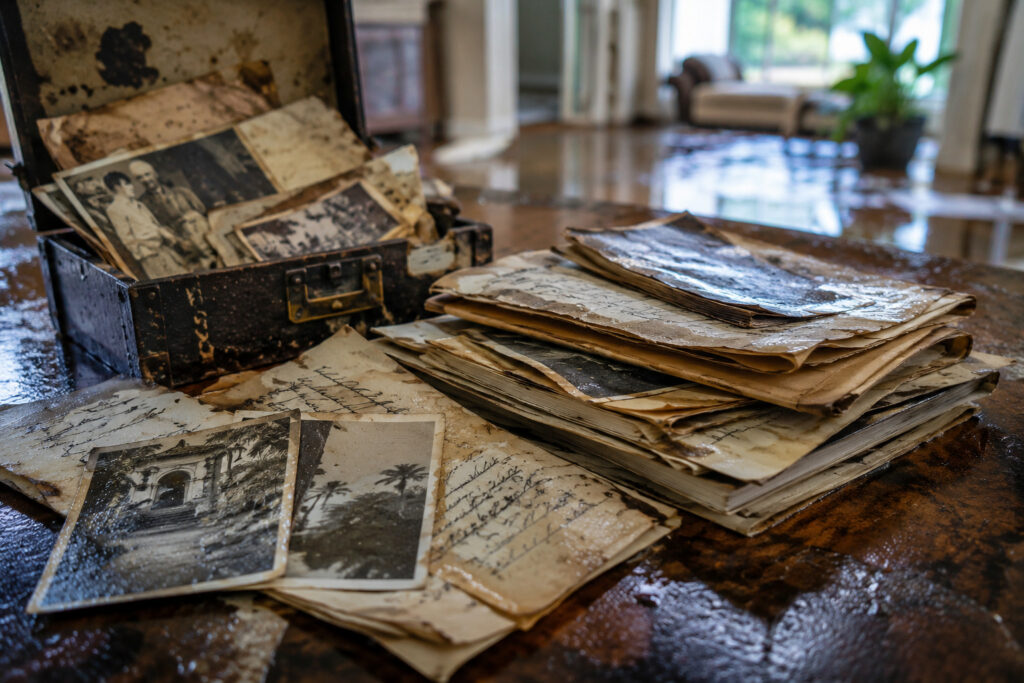
Water damaged documents can often be saved if action is taken quickly. Whether caused by a burst pipe, roof leak, appliance malfunction, or South Florida storm, water exposure can threaten important records, family photographs, legal paperwork, and other irreplaceable valuables. The first 24 to 48 hours are especially critical because moisture can lead to mold growth, ink deterioration, and permanent damage.
For Coral Gables homeowners, the combination of high humidity and frequent water-related incidents makes rapid response even more important. While some items can be successfully restored using professional techniques, others may become permanently damaged if left untreated.
In this guide, you’ll learn what restoration professionals can save, what may be beyond recovery, and the immediate steps you should take to maximize the chances of preserving your most valuable belongings.
Why Water Damaged Documents Are So Vulnerable
Paper is highly absorbent. Once exposed to water, it begins to swell, weaken, and deteriorate almost immediately. Ink can smear, pages can stick together, and mold can begin developing within days.
In Coral Gables, these risks increase because South Florida’s warm, humid climate slows natural drying and creates ideal conditions for microbial growth.
Many homeowners mistakenly focus only on structural damage after a water loss event. While flooring, drywall, and furniture are important, personal records and family keepsakes are often impossible to replace.
Items commonly affected include:
- Birth certificates
- Passports
- Property deeds
- Tax records
- Medical documents
- Family photographs
- Legal paperwork
- School records
- Business files
- Historical documents
The sooner these items receive professional attention, the better the chances of recovery.
The First 48 Hours Matter Most
One of the most important facts about water damaged documents is that time directly impacts restoration success.
Within the first 24 hours:
- Paper fibers begin absorbing moisture.
- Ink may start bleeding.
- Pages become fragile.
Within 24 to 48 hours:
- Mold growth can begin.
- Staining becomes more severe.
- Recovery rates start declining.
After several days:
- Documents may become permanently bonded together.
- Mold damage can spread throughout the material.
- Structural deterioration becomes difficult to reverse.
This is why professional water damage cleanup companies prioritize contents recovery as soon as they arrive on site.
What Restoration Professionals Can Often Save
Many people assume wet paper records are automatically ruined. Fortunately, that is not always the case.
Standard Paper Records
Financial documents, contracts, printed forms, and office records can often be restored if treated quickly.
Professional restoration methods may include:
- Controlled air drying
- Dehumidification
- Desiccant drying
- Vacuum freeze drying
Vacuum freeze drying is particularly effective for heavily saturated records because it removes moisture while minimizing distortion and further damage.
Family Photographs
Photographs are among the most emotionally valuable items affected by water damage.
Many printed photos can be recovered when:
- They are separated quickly.
- Dirt and debris are removed safely.
- Drying occurs under controlled conditions.
Professional restoration specialists understand how to handle delicate photo materials without causing additional damage.
Books and Important Files
Books, journals, and bound records often respond well to professional drying techniques.
Recovery depends on:
- How long they were wet
- Water contamination levels
- Type of paper
- Drying speed
In many cases, valuable books can be stabilized and preserved even after significant water exposure.
What Water Damage Restoration Cannot Always Save
While modern restoration technology is impressive, some losses may be unavoidable.
Severely Mold-Infested Records
When mold has extensively penetrated paper fibers, restoration becomes significantly more difficult.
Mold can:
- Weaken document structure
- Destroy text and images
- Create health concerns
- Continue spreading if not addressed properly
Inkjet Printed Materials
Home-printed documents often use water-soluble ink.
Once saturated, these materials may experience:
- Smearing
- Bleeding
- Complete text loss
Laser-printed documents generally perform much better because toner bonds differently to the paper.
Documents Exposed to Contaminated Water
Sewage backups and floodwaters introduce bacteria and contaminants that can make restoration unsafe or impractical.
Examples include:
- Category 3 water damage
- Sewage intrusion
- Storm surge flooding
- River flooding
In these situations, professionals evaluate each item individually to determine whether recovery is feasible.
Emergency Steps to Take Immediately
If you discover Water Damaged Documents in your Coral Gables home, taking the right actions can make a significant difference.
1. Prioritize Safety
Before handling any wet materials:
- Turn off electricity if necessary.
- Avoid contaminated water.
- Wear gloves when appropriate.
2. Separate Wet and Dry Items
Prevent moisture from spreading to unaffected belongings.
Place wet documents away from dry records and photographs.
3. Avoid Using Heat
Do not use:
- Hair dryers
- Ovens
- Direct sunlight
Excessive heat can warp paper and worsen damage.
4. Freeze Items if Professional Help Is Delayed
Freezing can temporarily halt deterioration and mold growth.
Place materials in sealed plastic bags before freezing.
5. Contact a Restoration Professional
Professional intervention often determines whether valuable items can be saved.
The longer documents remain wet, the lower the recovery rate becomes.
Why Coral Gables Homes Face Increased Risk
Coral Gables properties encounter several unique water damage challenges.
High Humidity
South Florida humidity can slow drying and accelerate mold development.
Frequent Storm Activity
Heavy rain events can overwhelm roofing systems, windows, and drainage systems.
Older Properties
Many Coral Gables homes contain:
- Historical records
- Valuable antiques
- Family heirlooms
- Original photographs
These items often require specialized restoration techniques.
Plumbing and Appliance Failures
Common causes of document damage include:
- Burst pipes
- Water heater leaks
- Washing machine failures
- Air conditioning condensate issues
- Refrigerator water line leaks
Regular maintenance can reduce these risks but cannot eliminate them entirely.
Insurance Considerations for Water-Damaged Records
Many homeowners do not realize that personal property coverage may help with document restoration and replacement.
To support your claim:
- Photograph affected items immediately.
- Create an inventory.
- Save damaged materials when possible.
- Document the source of water damage.
Professional restoration companies frequently work directly with insurance providers and can assist throughout the claims process.
Professional Restoration Techniques Used Today
Modern restoration services use advanced equipment to improve recovery outcomes.
Common technologies include:
1. Industrial Dehumidification
Industrial dehumidifiers play a critical role in restoring water damaged documents by removing excess moisture from the surrounding environment. Lowering the humidity helps stop additional water absorption and creates conditions that discourage mold growth.
By maintaining controlled humidity levels, restoration professionals can stabilize wet documents while preventing nearby building materials, furniture, and storage boxes from introducing more moisture. Industrial dehumidification is often one of the first steps taken during the restoration process, especially after flooding, burst pipes, or storm damage.
2. Air Movers
Air movers are high-powered fans designed to circulate air efficiently around wet materials. During the restoration of water damaged documents, they work alongside dehumidifiers to accelerate controlled drying without exposing sensitive paper to excessive heat.
Proper airflow helps:
- Reduce drying time
- Minimize page warping
- Prevent paper from sticking together
- Lower the risk of mold development
- Protect surrounding contents from secondary moisture damage
Because paper is delicate, restoration professionals carefully position air movers to ensure documents dry evenly while avoiding unnecessary stress on fragile materials.
3. Moisture Monitoring
Successful restoration of water damaged documents depends on knowing exactly how much moisture remains in the affected materials. Restoration technicians use advanced moisture meters and thermal imaging equipment to monitor moisture levels throughout the drying process.
Moisture monitoring helps professionals:
- Identify hidden moisture within storage boxes and filing cabinets
- Determine when documents have reached safe moisture levels
- Prevent over-drying, which can make paper brittle
- Ensure surrounding walls, floors, and shelving are also thoroughly dried
- Reduce the risk of mold returning after restoration
Continuous moisture monitoring allows technicians to make adjustments throughout the drying process, resulting in better preservation of valuable documents.
4. Vacuum Freeze Drying
One of the most effective methods for restoring water damaged documents is freeze drying.
This specialized process:
- Stops deterioration.
- Prevents mold growth.
- Reduces ink migration.
- Preserves paper fibers.
- Minimizes page distortion.
During freeze drying, moisture is removed through sublimation, allowing ice to convert directly into vapor without becoming liquid again.
Because the process minimizes additional handling, it greatly improves restoration outcomes for valuable records.
Many government agencies, libraries, museums, and businesses rely on freeze drying to preserve irreplaceable documents after floods.
5. Contents Cleaning and Sanitization
After drying is complete, many water damaged documents require professional cleaning and sanitization, especially if they were exposed to contaminated water or stored in environments where mold has begun to develop.
Specialized cleaning techniques help:
- Remove dirt and debris
- Eliminate contaminants
- Reduce microbial growth
- Remove mold spores when possible
- Improve document appearance
- Protect long-term preservation
When documents have been exposed to sewage backups or floodwaters, professional sanitization becomes particularly important to reduce health risks while preserving the integrity of the recovered materials.
How to Protect Important Documents Before Disaster Strikes
Prevention remains the best protection.
Consider these proactive measures:
- Store documents in waterproof containers.
- Digitize important records.
- Back up files to secure cloud storage.
- Keep originals elevated above floor level.
- Review insurance coverage annually.
- Maintain plumbing systems and appliances.
A few preventative steps today can save countless headaches later.
Frequently Asked Questions about Water Damaged Documents
Can Water Damaged Documents be restored?
Yes. Many water damaged documents can be successfully restored using professional drying, cleaning, and preservation techniques. The sooner restoration begins, the higher the likelihood of recovery.
How long do I have before mold develops?
Mold can begin growing within 24 to 48 hours under favorable conditions.
Should I dry documents with a fan?
Gentle airflow may help, but excessive airflow can cause pages to curl and become damaged. Professional guidance is recommended.
Can photographs be saved after water damage?
Many photographs can be recovered if handled correctly and treated quickly.
Is freezing wet paperwork a good idea?
Yes. Freezing can slow deterioration and mold growth when immediate restoration is not possible.
Will homeowners insurance cover document restoration?
Coverage varies by policy and cause of loss. Contact your insurance provider and restoration company for guidance.
Protect Your Valuable Records with Professional Water Damage Cleanup
Water damaged documents do not always have to become permanent losses. Fast action, proper handling, and professional restoration can often save records, photographs, books, and personal valuables that seem beyond recovery.
For Coral Gables homeowners, time is the most important factor. The humid South Florida climate accelerates deterioration and mold growth, making immediate response essential.
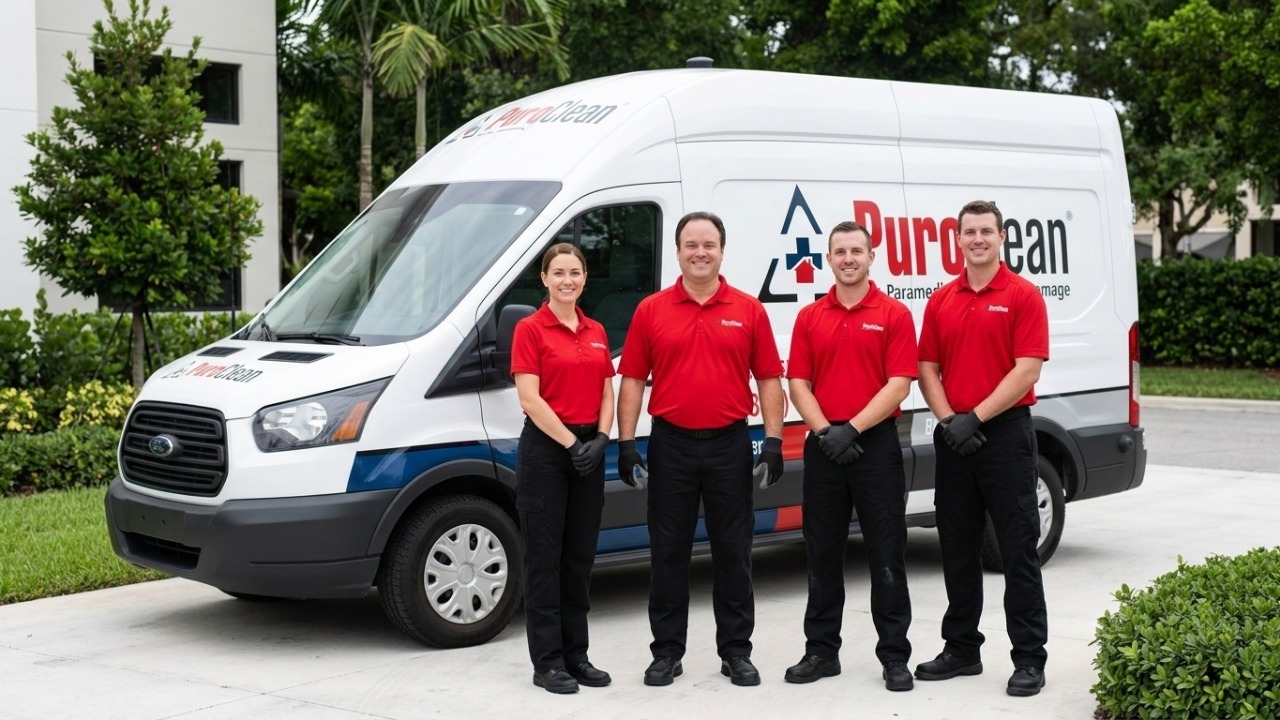
If your home or business experiences water damage, trust the experienced team at PuroClean of Coral Gables. Our certified technicians provide rapid water damage cleanup, moisture removal, drying, contents recovery, and restoration services designed to protect both your property and your priceless belongings.
Available 24 hours a day, 7 days a week, we respond quickly to help minimize damage and maximize recovery.
Call PuroClean of Coral Gables today at (305) 894-4343 for immediate assistance.
Why Choose PuroClean of Coral Gables for Water Restoration?
When water damage affects your home, every item matters including your most valuable paperwork. At PuroClean of Coral Gables, we understand that water damaged documents often hold financial, legal, and sentimental value that cannot simply be replaced.
Our experienced restoration professionals respond quickly to stabilize water damage, prevent further deterioration, and coordinate specialized document recovery when possible. From burst pipes and appliance leaks to storm flooding and fire suppression damage, we provide comprehensive restoration services designed to protect both your property and your irreplaceable records.
With advanced restoration equipment, rapid emergency response, and a commitment to exceptional customer care, PuroClean of Coral Gables is here to help you recover with confidence.
Final Summary
Water damaged documents can often be restored when action is taken within the first 24 to 48 hours. Quick drying, proper handling, and professional restoration techniques significantly improve recovery outcomes. Whether you’re dealing with family photographs, legal records, financial paperwork, or treasured keepsakes, acting immediately gives you the best chance of preserving what matters most.