

After water damage in Coral Gables, the recovery process depends on two critical stages: removing standing water and fully drying the affected structure. Water extraction and drying is what prevents long-term damage like mold growth, structural weakening, and persistent odors. The faster this process begins, the better the outcome for your home or business.
Understanding Water Damage in Coral Gables
Coral Gables is no stranger to heavy rain, tropical storms, and humidity-driven moisture problems. When water enters a property, it doesn’t stay on the surface—it spreads quickly into walls, flooring, insulation, and hidden cavities.
This is where water extraction and drying becomes essential. Without a structured approach, water damage escalates from a surface issue to a deep structural problem within hours.
Why Water Extraction Is the First Critical Step
The first stage of recovery is immediate water removal. Professionals use pumps, vacuums, and industrial equipment to remove standing water as quickly as possible.
During water extraction and drying, the extraction phase focuses on stopping further absorption into materials like drywall and wood. The longer water sits, the more damage it causes.
In Coral Gables homes, where humidity is already high, delayed response can accelerate mold growth within 24–48 hours.
What Happens During Water Extraction
This stage is more complex than it looks. It’s not just about removing visible water.
Professionals performing water extraction and drying typically:
- Identify water-damaged zones using moisture meters
- Remove standing water using high-powered pumps
- Extract water trapped in carpets and padding
- Begin protecting unaffected areas from cross-contamination
Effective water extraction and drying at this stage reduces repair costs and shortens total restoration time significantly.
The Drying Process: Where Hidden Moisture Is Removed
Once visible water is gone, the real challenge begins—hidden moisture.
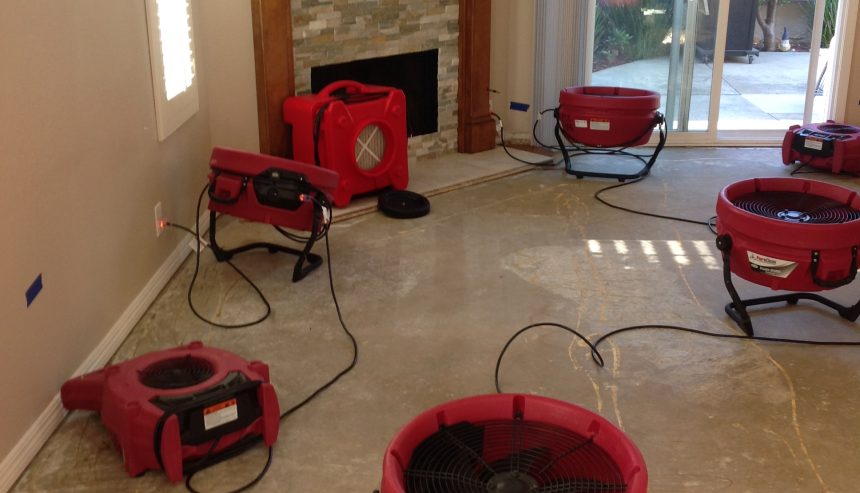
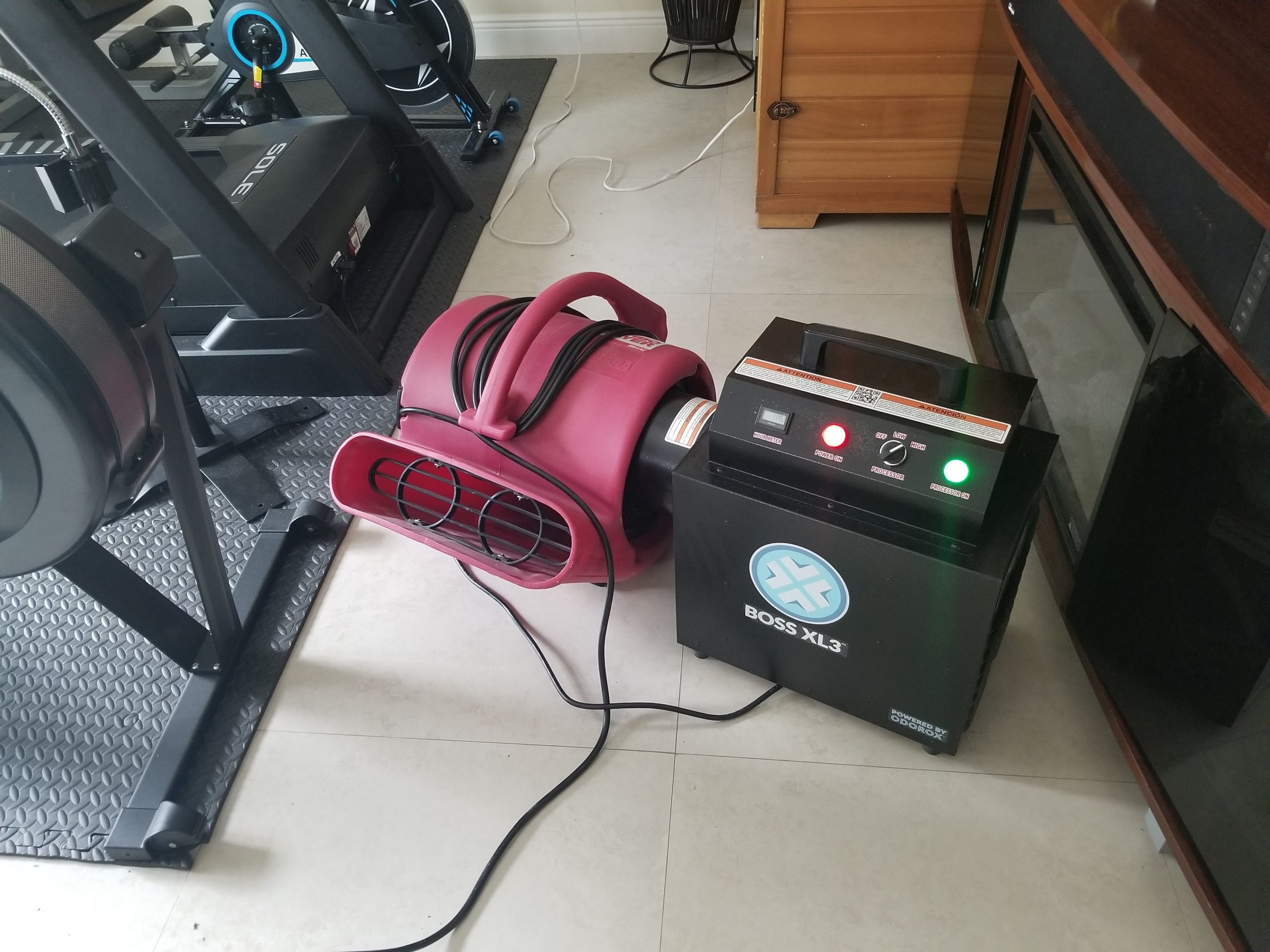
The drying phase of water extraction and drying uses air movers, dehumidifiers, and controlled airflow to pull moisture from structural materials.
Even when surfaces look dry, water can still be trapped inside walls, flooring layers, and insulation. That’s why water extraction and drying must always include a controlled drying process.
Without proper drying, materials may warp, weaken, or develop mold growth over time.
Why Both Water Extraction and Drying Are Necessary
Many property owners assume once water is removed, the job is done. That’s a costly mistake.
The success of water extraction and drying depends on both phases working together. Extraction removes the immediate threat, but drying ensures long-term safety.
Skipping or rushing either step can lead to:
- Mold infestations
- Structural deterioration
- Persistent odors
- Hidden moisture pockets
In Coral Gables’ humid climate, incomplete water extraction and drying often results in recurring damage even months later.
Local Challenges in Coral Gables
Coral Gables presents unique restoration challenges due to its environment.
High humidity levels mean that even after extraction, moisture lingers longer in building materials. Storm surges and seasonal flooding also increase the severity of water intrusion.
This makes professional water extraction and drying especially important in the area. Without industrial-grade drying systems, homes rarely return to safe moisture levels naturally.
Professional Restoration Process with PuroClean of Coral Gables
When dealing with water damage, experience and equipment matter.
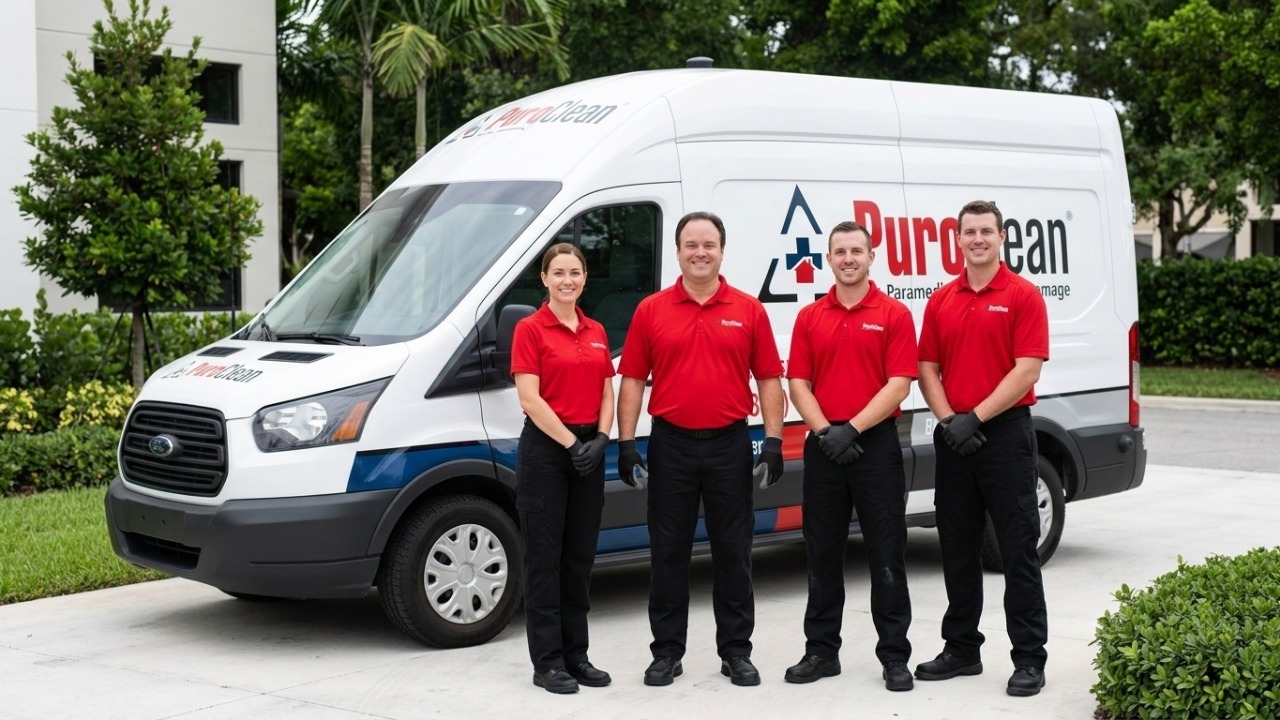
PuroClean of Coral Gables follows a structured restoration process designed to fully handle water extraction and drying from start to finish:
- Emergency response and inspection
- Rapid water extraction using advanced equipment
- Moisture detection in hidden areas
- Controlled structural drying
- Ongoing monitoring until safe moisture levels are reached
Their approach to water extraction and drying ensures both visible and hidden damage is addressed properly, reducing the risk of future issues.
Common Mistakes Homeowners Make
One of the biggest mistakes after water damage is waiting too long or attempting DIY cleanup.
Improper water extraction and drying often leads to:
- Using household fans instead of industrial drying systems
- Ignoring moisture inside walls
- Failing to measure humidity levels
- Cleaning visible areas without addressing structural water
These shortcuts often make restoration more expensive in the long run.
How Long Does Water Extraction and Drying Take?
The duration of water extraction and drying depends on several factors:
- Size of the affected area
- Type of water (clean, gray, or contaminated)
- Material saturation level
- Environmental humidity
In Coral Gables, drying may take longer due to constant moisture in the air. However, professional equipment significantly reduces the timeline compared to natural drying.
Health Risks of Incomplete Drying
Incomplete water extraction and drying can create hidden health hazards.
Moist environments encourage mold growth, which can lead to respiratory issues, allergies, and unpleasant odors inside the property.
That’s why fast and complete water extraction and drying is not just about property protection, it’s also about health and safety.
FAQs
1. How soon should Water Extraction and Drying begin after water damage?
Immediately. The first 24–48 hours are critical to prevent mold growth and structural damage.
2. Can I handle Water Extraction and Drying myself?
Small spills may be manageable, but significant water damage requires professional equipment for complete results.
3. Why is drying necessary after water extraction?
Because water often remains hidden inside walls, floors, and insulation even after visible removal.
4. Does humidity in Coral Gables affect drying time?
Yes, high humidity can slow down the drying process significantly without professional equipment.
5. What equipment is used in Water Extraction and Drying?
Professionals use pumps, industrial air movers, dehumidifiers, and moisture detection tools.
Final Summary
Water damage is not just about removing water, it’s about restoring safety and structure. Water extraction and drying is the foundation of proper restoration, ensuring that both visible and hidden moisture are fully addressed.
In a humid area like Coral Gables, delays or improper handling can quickly turn a small issue into major structural damage. That’s why professional intervention is essential.
If you’re dealing with water damage, fast and complete water extraction and drying is the difference between a quick recovery and long-term repair costs.
For reliable service, PuroClean of Coral Gables provides expert response, advanced drying technology, and a proven restoration process to bring your property back to pre-loss condition.