 PuroClean of Coral Gables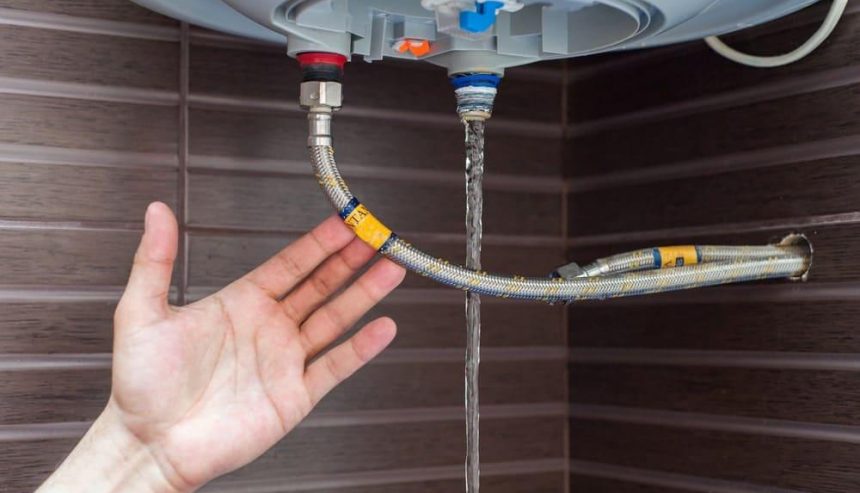
Table of Contents
Water heater flooding is one of those home emergencies that can escalate in minutes, soaked floors, damaged walls, and the looming risk of mold. The key to minimizing damage is knowing exactly what to do, and doing it fast.
In this guide, you’ll learn the 7 urgent actions to take immediately, what causes the problem, how to prevent it, and when to call professionals to restore your property safely.
What Should You Do Immediately?
If you’re dealing with water heater flooding, here’s the short answer:
- Turn off power or gas
- Shut off the water supply
- Stop the leak if possible
- Drain the tank
- Remove standing water
- Start drying the area
- Call a professional restoration company
Acting quickly can save you thousands in repairs and prevent long-term issues like mold growth.
What Causes Water Heater Flooding?
Before diving into the steps, it helps to understand why water heater flooding happens in the first place.
Common causes include:
- Tank corrosion due to age
- Sediment buildup increasing internal pressure
- Faulty valves or connections
- Excessive pressure inside the tank
- Cracks or leaks in the unit
Most homeowners don’t notice the issue until water starts pooling, which is why fast action matters so much.
Water Heater Flooding: 7 Urgent Actions To Take
When water heater flooding occurs, every minute counts. Follow these steps in order:
1. Turn Off the Power or Gas Supply
Safety comes first.
If you have:
- Electric heater → switch off the breaker
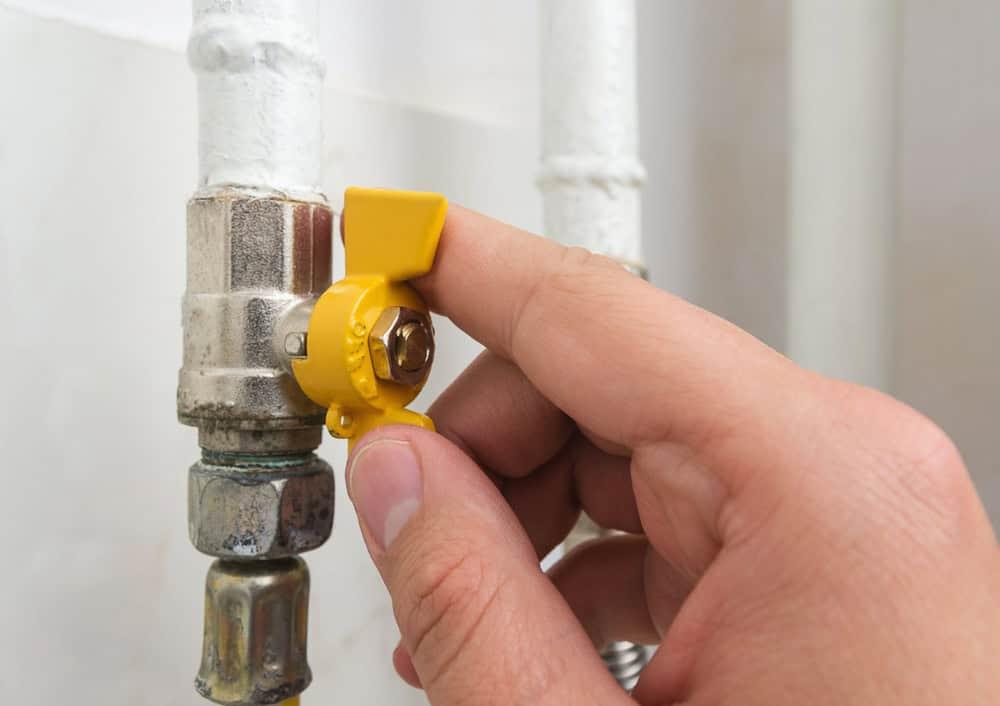
- Gas heater → turn off the gas valve
Water and electricity are a dangerous mix, so never skip this step.
2. Shut Off the Water Supply
Next, stop more water from entering the tank.
Locate the cold water shut-off valve (usually above the heater) and turn it clockwise.
This prevents the flooding from getting worse.
3. Identify and Stop the Leak
Now try to locate the source of the problem.
Is it:
- A loose pipe?
- A leaking valve?
- A crack in the tank?
If it’s a minor connection issue, tightening it may help. But if the tank itself is leaking, replacement is often the only solution.
4. Drain the Water Heater Tank
Draining the tank reduces pressure and removes remaining water.
How to do it:
- Attach a hose to the drain valve
- Run it to a safe drainage area
- Open the valve carefully
This step helps limit further water heater flooding inside your home.
5. Remove Standing Water Immediately
Now it’s time to tackle the visible damage.
Use:
- Towels and mops
- Wet/dry vacuum
- Buckets
The faster you remove water, the lower your risk of structural damage and mold.
6. Begin Drying and Ventilation
Even after removing visible water, moisture remains.
To dry effectively:
- Open windows and doors
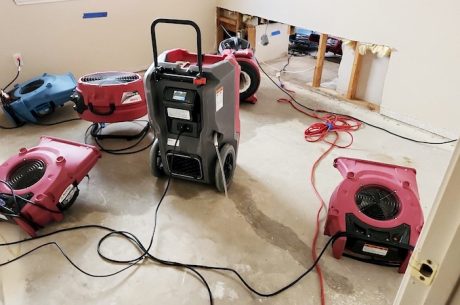
- Use fans and dehumidifiers
- Lift wet carpets or rugs
Proper drying is essential to prevent mold growth, which can begin within 24–48 hours after water heater flooding.
7. Call a Professional Water Damage Restoration Company
This is the step many people delay and regret later.
Professional teams use:
- Industrial-grade drying equipment
- Moisture detection tools
- Antimicrobial treatments
Even if everything looks dry, hidden moisture can lead to long-term damage.

Why Water Heater Flooding Is More Serious Than It Looks
At first glance, it may seem like just water on the floor. But water heater flooding can cause:
1. Structural Damage
Water seeps into drywall, wood, and flooring, weakening your home’s structure.
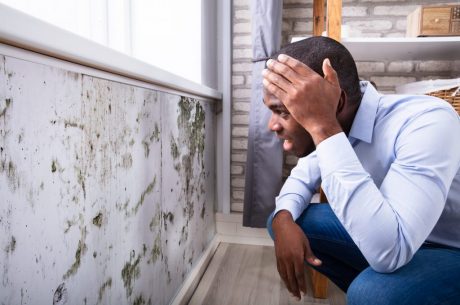
2. Mold and Mildew Growth
Damp environments create the perfect conditions for mold.
3. Electrical Hazards
Water can reach outlets and wiring, increasing safety risks.
4. Expensive Repairs
Delays often turn a small issue into a major restoration project.
How to Prevent Water Heater Flooding
Prevention is always cheaper than repair.
Simple maintenance tips:
- Flush the tank once a year
- Check for rust or corrosion
- Inspect valves and connections
- Replace old units (8–12 years lifespan)
- Install a drain pan under the heater
Taking these steps significantly reduces your risk of water heater flooding.
Tank vs Tankless: Which Is Safer?
Choosing the right system can also make a difference.
Traditional Tank Heaters
- Store large amounts of water
- Higher risk of flooding if the tank fails
Tankless Systems
- No water storage
- Lower risk, but leaks can still occur
While tankless systems are safer, they’re not completely risk-free.
Cost of Water Heater Flooding Damage
The cost of water heater flooding depends on how quickly you act.
Typical costs:
- Water removal: $500–$3,000
- Repairs: $1,000–$5,000+
- Mold remediation: $500–$6,000
Fast action can drastically reduce these costs.
When Should You Call for Help?
Call a professional if:
- Water has spread beyond a small area
- Walls or flooring are affected
- The flooding lasted more than a few hours
- You notice musty odors
These are signs the damage goes deeper than it appears.
1. How long does cleanup take?
Most cases take 2–5 days, depending on the severity.
2. Can I clean it up myself?
Small leaks, yes. Major flooding requires professional equipment.
3. Will insurance cover it?
Often yes, if it’s sudden and accidental not due to neglect.
4. Should I replace my water heater after flooding?
If the tank caused the issue, replacement is usually necessary.
5. How fast does mold grow?
Mold can begin forming within 24–48 hours in damp conditions.
Need Fast Help? Call PuroClean of Coral Gables
When water heater flooding hits, time is everything.
PuroClean of Coral Gables provides:
- Rapid emergency response
- Advanced water extraction and drying
- Mold prevention and remediation
- Full restoration services
Their experienced team ensures your property is not just dry but safe, clean, and fully restored.
Don’t wait for the damage to spread. Contact PuroClean of Coral Gables today for expert cleanup services you can trust.
Final Summary
Water heater flooding can quickly turn into a costly disaster, but the right response makes all the difference.
Turn off power, stop the water source, remove standing water, and begin drying immediately. Most importantly, don’t overlook hidden moisture, professional cleanup ensures your home is fully restored and protected from long-term damage.


 PuroClean of Coral Gables