

Table of Contents
Water leak damage can spread quickly, weaken structures, and create the perfect environment for mold within just 24 to 48 hours. The most important steps are to stop the water source, ensure safety, document the damage, remove standing water, and begin drying right away. Acting fast reduces repair costs, protects your belongings, and helps the insurance process go more smoothly.
A small leak might look harmless at first. Maybe it’s a drip under the sink or a small stain on the ceiling. But water rarely stays in one place. It travels behind walls, under flooring, and into insulation. By the time the damage becomes visible, the problem may already be much bigger than it appears.
That is why knowing exactly what to do in the first few hours can make a major difference.
Why Acting Fast Matters After Water Leak Damage
Water has a way of spreading into every available space. It seeps into drywall, wood framing, baseboards, cabinets, and flooring. Even materials that look dry on the surface can hold moisture inside.
Within hours, water begins to:
- Weaken drywall and cause it to crumble
- Warp wood floors and cabinets
- Damage electrical systems
- Soak insulation inside walls
- Create musty odors
Within one to two days, mold can begin to grow if moisture is not properly removed. What could have been a simple cleanup can quickly turn into a major restoration project.
The faster you act, the more you can save.
Water Leak Damage: Step-by-Step Actions to Take Immediately
1. Stop the Water Source
Your first priority is to stop the leak. As long as water continues to flow, the damage will keep spreading.
- Shut off the main water valve if a pipe bursts.
- Turn off the water supply to the leaking appliance or fixture.
- If the source is not obvious, call a plumber immediately.
Stopping the flow of water prevents further damage and gives you control of the situation.
2. Turn Off Electricity in Affected Areas
Water and electricity are a dangerous combination. Even a small amount of standing water can create a serious hazard.
- Turn off power at the breaker panel if water is near outlets or appliances.
- Avoid touching electrical devices in wet areas.
- Do not step into standing water if electricity may be present.
Your safety and the safety of your family should always come first.
3. Document the Water Leak Damage
Before you start cleaning, take time to record the condition of the property.
- Take clear photos of affected rooms.
- Capture images of damaged furniture and belongings.
- Record any visible leaks or broken pipes.
- Keep receipts for emergency repairs.
This documentation can be extremely helpful when filing an insurance claim. It provides proof of the damage and helps speed up the process.
4. Remove Standing Water
The next step is to remove as much water as possible.
- Use towels and mops for small areas.
- Use a wet/dry vacuum for moderate amounts of water.
- Place buckets under active drips.
- Use pumps if there is significant flooding.
The sooner water is removed, the less chance it has to soak deeper into materials.
5. Move and Protect Belongings
Water can ruin furniture, electronics, and personal items in a short amount of time.
- Move valuables to a dry area.
- Elevate furniture using blocks or foil under the legs.
- Remove rugs, cushions, and fabrics to dry separately.
- Take electronics out of affected areas.
Even small actions like lifting furniture off wet floors can prevent costly replacements.
6. Start Drying the Area
After removing visible water, drying becomes the top priority.
- Open windows if the weather allows.
- Use fans to circulate air.
- Run dehumidifiers to remove moisture from the air.
- Open cabinet doors and closets to improve airflow.
Drying is more important than many people realize. Water that remains trapped inside materials can lead to mold, odors, and structural damage.
7. Call a Professional Water Restoration Company
Even when the area looks dry, moisture may still be hidden behind walls, under floors, or inside insulation.
Professional restoration teams use specialized equipment such as:
- Industrial air movers
- High-capacity dehumidifiers
- Moisture meters
- Thermal imaging cameras
These tools help detect and remove hidden moisture that household fans and dehumidifiers cannot reach. Professional drying ensures the problem is fully resolved, not just temporarily covered up.
Common Mistakes to Avoid After Water Leak Damage
Many homeowners unintentionally make the situation worse. Here are some common mistakes to avoid:
1. Waiting Too Long to Act
Water damage becomes more severe every hour. Delaying cleanup increases the risk of mold and structural problems.
2. Assuming the Area Is Dry
Just because a surface feels dry does not mean the structure underneath is dry. Moisture often remains trapped inside materials.
3. Using Household Fans Alone
Regular fans are not strong enough to remove deep moisture. Professional equipment is designed specifically for restoration.
4. Throwing Away Items Too Quickly
Some belongings that appear ruined may be salvageable with professional cleaning and drying.
5. Skipping Documentation
Failing to photograph the damage can make insurance claims more difficult.
Signs of Hidden Water Leak Damage
Not all leaks are obvious. Some develop slowly behind walls or under floors.
Watch for these warning signs:
- Musty or damp odors
- Warped or buckling floors
- Peeling paint or bubbling walls
- Water stains on ceilings
- Sudden increase in water bills
- Loose or soft drywall
These signs often indicate moisture trapped where you cannot see it.
How Professionals Handle Water Leak Damage
A professional restoration company follows a proven process to ensure the property is safe and dry.
1. Inspection and Moisture Detection
Technicians inspect the property and use moisture meters to locate hidden water.
2. Water Extraction
Powerful equipment removes standing water quickly.
3. Drying and Dehumidification
Industrial air movers and dehumidifiers dry affected materials.
4. Cleaning and Sanitizing
Surfaces are cleaned and treated to prevent mold growth.
5. Repairs and Restoration
Damaged materials are repaired or replaced to restore the property.
This process ensures both visible and hidden moisture are properly addressed.
How Fast Can Water Leak Damage Lead to Mold?
Mold can begin growing within 24 to 48 hours after water exposure if the area is not properly dried.
Mold thrives in:
- Damp drywall
- Wet carpets
- Insulation inside walls
- Wood framing
Once mold develops, cleanup becomes more complex and expensive. Fast action is the best way to prevent it.
FAQs About Water Leak Damage
How urgent is Water Leak Damage?
It is very urgent. Damage can worsen within hours, and mold can begin forming within one to two days.
Can I handle Water Leak Damage myself?
Small spills may be manageable, but larger leaks often require professional equipment to remove hidden moisture.
Will insurance cover Water Leak Damage?
Most insurance policies cover sudden and accidental leaks, but not damage caused by long-term neglect.
How long does water damage restoration take?
Drying usually takes between two and five days, depending on the severity. Repairs may take longer.
What items usually cannot be saved?
Heavily soaked materials like insulation, certain carpets, and damaged drywall may need replacement.
Get Fast, Professional Water Leak Damage Cleanup in Coral Gables
When water leak damage happens, every minute counts. The longer moisture sits, the greater the risk of mold, structural damage, and expensive repairs.
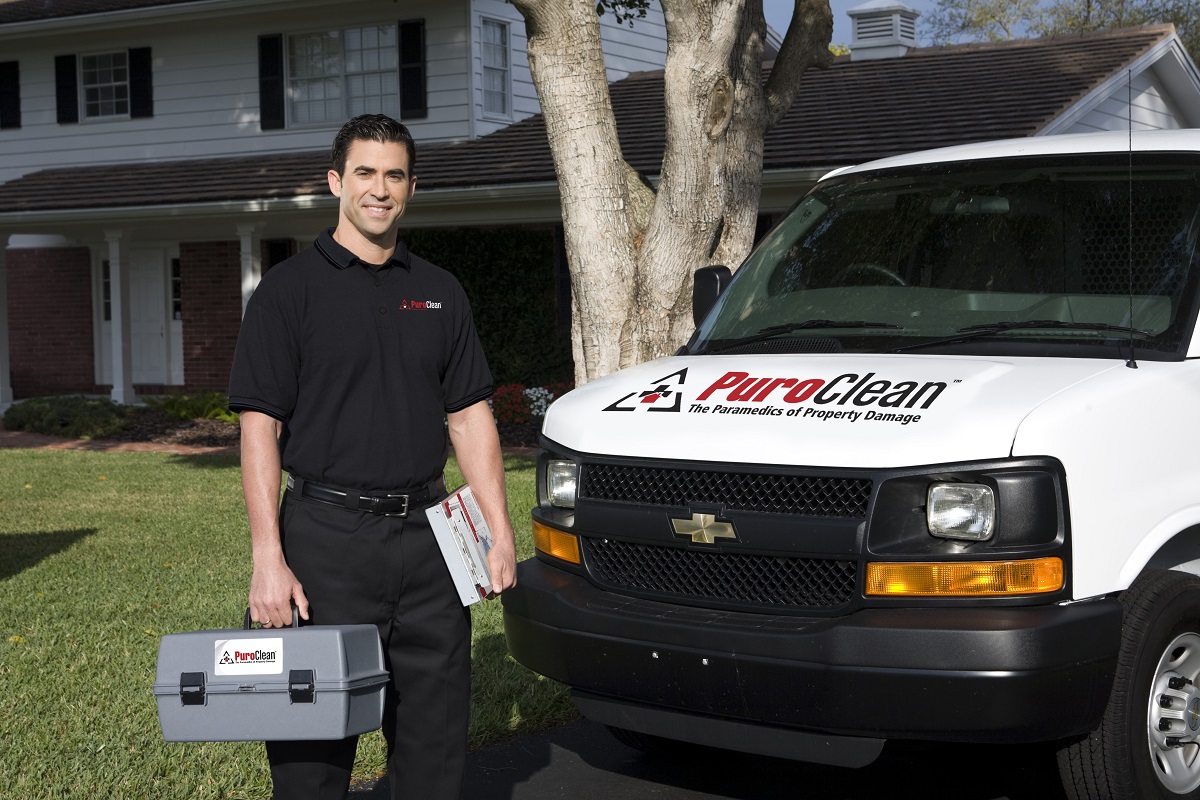
PuroClean of Coral Gables provides:
- 24/7 emergency response
- Advanced water extraction and drying
- Mold prevention and sanitation
- Insurance claim assistance
- Complete restoration services
Our trained technicians use professional equipment to detect and remove hidden moisture, ensuring your property is safe and fully restored.
If you are dealing with a leak, do not wait for the damage to get worse. Call PuroClean of Coral Gables for immediate help.
What to Do After Water Leak Damage
If you discover a leak:
- Stop the water source.
- Turn off electricity in affected areas.
- Document the damage.
- Remove standing water.
- Protect your belongings.
- Start drying immediately.
- Call a professional restoration company.
Taking these steps quickly can save your home, your belongings, and thousands of dollars in repair costs. If the situation feels overwhelming, professional help is just a call away. (305) 894-4343