 PuroClean of Muncie
Even if a house looks clean and well-maintained on the surface, previous water damage can leave behind structural problems, mold growth, and costly repair bills. To protect your investment, it’s essential to know how to identify the signs of flood or water damage, whether in your current home or when purchasing a new one. If you do have water damage, PuroClean of Muncie is your one source for professional water damage assessment and restoration.

1. Look for Stains or Discoloration
Water often leaves behind visible traces. Brown, yellow, or rust-colored stains on ceilings, walls, or baseboards may indicate a past or ongoing leak. Pay special attention to corners, around windows, and below bathroom or kitchen fixtures. If a room looks recently painted, ask why—it could be an attempt to hide water stains.
2. Check for Warped or Buckled Flooring
Water can cause wood and laminate flooring to swell, buckle, or warp. Look closely at the base of walls and door frames for uneven flooring, gaps between planks, or areas that feel soft or spongy underfoot. Carpet that feels damp or musty, especially in basements, is another red flag.
3. Inspect the Basement or Crawlspace
Basements and crawl spaces are common areas for water intrusion. Signs of water damage include:
- Efflorescence (a white, powdery residue on concrete or brick)
- Cracks in the foundation
- Peeling paint or wallpaper
- Mold or mildew odors
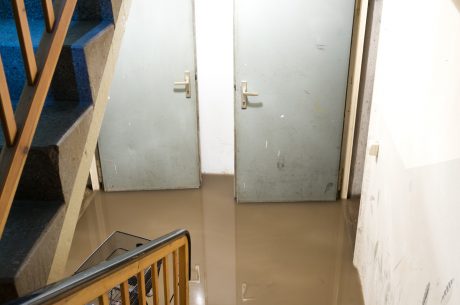
Standing water or a sump pump that’s running constantly could indicate chronic flooding or poor drainage around the home.
4. Look for Mold and Mildew
Mold thrives in damp environments and can be dangerous to your health. Even if it’s not visible, a musty smell can point to hidden growth. Check under sinks, behind appliances, in closets, and around window sills. Black or green spots on drywall, wood, or tile grout are clear signs of mold. Mold remediation is important for your health and safety.
5. Examine the Roof and Attic
Roof leaks are a major source of water damage. When touring the home, inspect the ceilings for signs of sagging or staining. If possible, look in the attic for:
- Wet or moldy insulation
- Rotted wood
- Light coming through the roof boards
Also, ask about the age and condition of the roof—an old or damaged roof may be more prone to leaks.
6. Check Plumbing and Fixtures
Leaky pipes, water heaters, and toilets can all cause hidden water damage. Look under sinks for signs of corrosion, rust, or water stains. Listen for dripping water, and check around toilets and tubs for soft spots or discoloration in the flooring.
Leaky pipes, water heaters, and toilets can all cause hidden water damage. Look under sinks for signs of corrosion, rust, or water stains. Listen for dripping water, and check around toilets and tubs for soft spots or discoloration in the flooring.
7. Review Property History and Ask Questions
Before buying a house, ask if the home has ever experienced a flood, roof leak, or plumbing issue. Review the seller’s disclosure and consider pulling a CLUE (Comprehensive Loss Underwriting Exchange) report, which can reveal past insurance claims related to water damage.
Water damage can be sneaky and expensive. Before buying a home, take the time to carefully inspect all areas, and don’t hesitate to hire a professional home inspector with experience in water damage detection. A little diligence now can save you thousands later—and ensure your new home is truly safe and sound. If you spot water damage, contact PuroClean of Muncie at (765) 216-3210 for professional water damage restoration services. You can count on us to be professional and transparent throughout the entire process.

 PuroClean of Muncie