Key Takeaways
- Professional biohazard cleanup cost varies by contamination type – Crime scene cleanup averages $1,500-$5,000, while trauma cleanup ranges $2,000-$8,000
- Insurance often covers biohazard cleanup cost – Most homeowners and commercial policies include coverage for crime scenes, trauma, and sewage incidents
- Immediate response prevents higher biohazard cleanup cost – Quick action limits contamination spread and reduces overall expenses
- Specialized equipment affects biohazard cleanup cost – Professional-grade PPE, hospital-grade disinfectants, and industrial equipment ensure complete decontamination
- Regulatory compliance impacts biohazard cleanup cost – OSHA, EPA, and state regulations govern proper cleanup, disposal, and documentation procedures
- Multiple biohazard types have different cleanup costs – Crime scenes, sewage, infectious diseases, and hoarding each require specialized protocols with varying expenses
- Professional services provide value beyond biohazard cleanup cost – Compassionate, discreet handling during traumatic situations with insurance coordination
When disaster strikes and biological contaminants threaten your property, understanding biohazard cleanup cost becomes crucial for making informed decisions. Beyond the emotional toll, property owners face serious health risks and complex cleanup challenges that require professional expertise. Understanding when to call specialists like PuroClean of Nanuet and what services are available can make all the difference in protecting your family, employees, and community while managing biohazard cleanup cost effectively.
Biohazard cleanup isn’t just cleaning; it’s about protecting health, complying with regulations, and restoring peace of mind. PuroClean of Nanuet handles crime scenes, sewage backups, hoarding, and more, following NY State guidelines for safe and lawful biohazard disposal.
Biohazard Cleanup in Nanuet: Crime Scenes, Sewage, Hoarding
Need biohazard cleanup in Nanuet? Learn how PuroClean of Nanuet safely handles crime scenes, sewage, and hoarding situations.
Understanding Biohazard Cleanup Costs
Professional biohazard cleanup costs vary depending on contamination type, affected area size, and complexity of the situation. Understanding these biohazard cleanup costs upfront helps property owners make informed decisions and prepare for insurance claims.
Typical Biohazard Cleanup Cost Ranges:
- Crime scene cleanup: $1,500 – $5,000 for average residential incidents
- Trauma cleanup: $2,000 – $8,000 depending on severity and area affected
- Sewage backup cleanup: $1,000 – $4,000 for residential properties
- Infectious disease decontamination: $500 – $3,000 per affected area
- Hoarding cleanup: $2,500 – $15,000+ depending on home size and contamination level
These biohazard cleanup costs reflect the specialized equipment, protective gear, disposal requirements, and extensive labor involved in safe biohazard remediation. However, many property owners are surprised to learn that insurance often covers a significant portion of these expenses, making professional services like PuroClean of Nanuet more accessible than expected.
What Constitutes a Biohazard?
Biohazards are biological substances that pose a threat to human health or the environment. These materials contain infectious agents, toxic substances, or pathogenic microorganisms that can cause disease or contamination. Common biohazards include blood, bodily fluids, sewage, mold, bacteria, viruses, and decomposing organic matter.
The Centers for Disease Control and Prevention (CDC) classifies biohazards into different risk levels, each requiring specific handling procedures and protective equipment. What makes professional cleanup essential is not just the visible contamination, but the invisible threats that can persist long after initial cleaning attempts.
Types of Biohazard Cleanup PuroClean of Nanuet Handles
Crime Scene and Trauma Cleanup
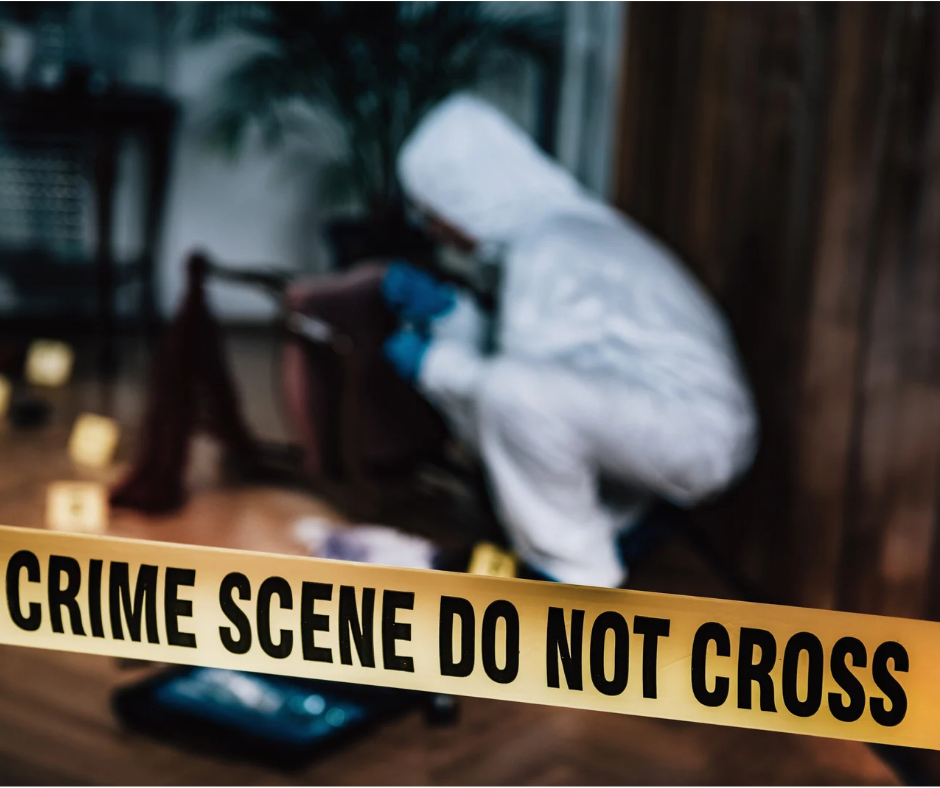
After law enforcement leaves, property owners face cleaning blood, bodily fluids, and sometimes pepper spray residue. The biohazard cleanup cost for crime scenes typically ranges from $1,500 to $5,000 depending on the extent of contamination. PuroClean of Nanuet provides discreet, safe, and compassionate cleanup following OSHA and state guidelines, working directly with insurance companies to manage biohazard cleanup cost effectively.
Crime scenes present unique challenges beyond the obvious contamination that affect biohazard cleanup cost. Blood can seep into porous materials like wood, concrete, and carpeting, creating hidden reservoirs of biological material that increase cleanup expenses. Additionally, the psychological impact on property owners and their families requires a sensitive approach that combines technical expertise with genuine compassion.
Our technicians arrive equipped with specialized tools including ATP meters to detect biological residue invisible to the naked eye, ensuring complete decontamination. We understand that these situations often involve insurance claims and legal considerations, so we provide detailed documentation and work directly with insurance companies to streamline the process.
Sewage and Black Water Cleanup
Sewage backups and category 3 water contain bacteria, viruses, and parasites. The biohazard cleanup cost for sewage emergencies typically ranges from $1,000 to $4,000 for residential properties. Immediate cleanup and decontamination by professionals like PuroClean of Nanuet protect health and prevent property damage while managing biohazard cleanup cost through insurance coordination.
Black water emergencies are among the most hazardous cleanup situations property owners can face, significantly impacting biohazard cleanup cost due to the extensive decontamination required. This contaminated water contains not only human waste but also chemicals, pesticides, and dangerous microorganisms like E. coli, Salmonella, and Hepatitis. The longer contaminated water sits, the more it spreads and the greater the health risk becomes, ultimately increasing overall biohazard cleanup cost.
Our rapid response team uses industrial-grade extraction equipment, antimicrobial treatments, and specialized drying systems to prevent secondary damage like mold growth. We also conduct air quality testing to ensure your environment is safe for reoccupation. The cleanup process involves removing contaminated materials, thoroughly disinfecting all surfaces, and implementing moisture control measures to prevent future problems.
Infectious Disease Decontamination
Outbreaks of C. diff, MRSA, or other pathogens require specialized cleaning with hospital-grade disinfectants and adherence to strict protocols. The biohazard cleanup cost for infectious disease decontamination typically ranges from $500 to $3,000 per affected area. PuroClean of Nanuet follows CDC guidelines to ensure effective pathogen elimination while managing biohazard cleanup cost through proper insurance documentation.
Healthcare-associated infections and antibiotic-resistant bacteria pose serious threats in both medical facilities and residential settings, affecting biohazard cleanup cost based on contamination severity. These pathogens can survive on surfaces for extended periods, making thorough decontamination crucial for preventing spread and avoiding higher long-term biohazard cleanup costs.
Our infectious disease protocols follow CDC guidelines and include the use of EPA-registered disinfectants proven effective against specific pathogens. We employ electrostatic spraying technology to ensure even coverage of all surfaces, including hard-to-reach areas where traditional cleaning might miss contamination. Our team also provides recommendations for ongoing prevention measures to reduce the risk of recontamination.
Hoarding Cleanup
Hoarding situations often involve biohazards like waste, mold, and expired food. The biohazard cleanup cost for hoarding situations ranges from $2,500 to $15,000+ depending on home size and contamination level. PuroClean of Nanuet approaches hoarding cleanup with empathy while ensuring safety and habitability, working with families to manage biohazard cleanup cost through available insurance coverage.
Hoarding cleanup requires a delicate balance of technical expertise and psychological sensitivity, with biohazard cleanup cost varying significantly based on contamination severity. These environments often harbor multiple biohazards including rodent droppings, insect infestations, mold colonies, and decomposing organic matter. The accumulation of materials can also create structural hazards and fire risks, potentially increasing overall biohazard cleanup cost.
Our team works closely with mental health professionals, social workers, and family members to develop a comprehensive cleanup plan that respects the individual’s dignity while addressing safety concerns. We sort through belongings to identify salvageable items, safely dispose of biohazardous materials, and restore the property to a safe, habitable condition.
The Professional Difference: Why DIY Isn’t an Option
Health and Safety Considerations
Understanding biohazard cleanup cost includes recognizing the value of professional safety measures. Biohazard cleanup involves exposure to potentially deadly pathogens, making proper protection essential. Professional technicians use personal protective equipment (PPE), including respirators, chemical-resistant suits, and specialized gloves designed for biological contamination. They also receive training in decontamination procedures and emergency response protocols. Attempting DIY cleanup to save on biohazard cleanup cost can result in serious illness and much higher medical expenses.
Proper Equipment and Technology
While biohazard cleanup cost may seem high, professional cleanup companies invest in specialized equipment, including negative air machines, ozone generators, thermal foggers, and industrial-grade disinfectants not available to consumers. This equipment ensures thorough decontamination and prevents cross-contamination during the cleanup process, ultimately providing better value than multiple DIY attempts that fail to address the contamination properly.
Legal and Regulatory Compliance
Numerous regulations including OSHA bloodborne pathogen standards, EPA waste disposal requirements, and local health department guidelines govern biohazard cleanup. Professional services ensure compliance with all applicable regulations and provide proper documentation for insurance and legal purposes.
Emotional Support and Discretion
Beyond technical expertise, professional cleanup teams understand the emotional impact of traumatic events. They provide compassionate service while maintaining strict confidentiality and discretion throughout the process.
The Cleanup Process: What to Expect
Initial Assessment and Planning
Every biohazard situation begins with a thorough assessment to identify all affected areas and develop a comprehensive cleanup plan. This includes air quality testing, moisture detection, and documentation of all contaminated materials.
Containment and Protection
Before cleanup begins, technicians establish containment barriers to prevent spread of contamination. This includes sealing HVAC systems, installing negative air pressure, and creating decontamination zones.
Removal and Disposal
All contaminated materials are carefully removed and disposed of according to federal and state regulations. This includes porous materials that cannot be effectively decontaminated, as well as any items that pose ongoing health risks.
Cleaning and Disinfection
Using EPA-registered disinfectants and proven protocols, technicians thoroughly clean and disinfect all affected surfaces. This process may involve multiple applications and verification testing to ensure complete decontamination.
Restoration and Reconstruction
The final phase involves restoring the property to its pre-incident condition. This may include replacing flooring, repainting walls, and addressing any structural damage caused by the contamination.
Prevention and Preparedness
While some biohazard situations are unavoidable, property owners can take steps to minimize risks and prepare for emergencies:
- Maintain proper plumbing and septic systems to prevent sewage backups
- Address water damage immediately to prevent mold growth
- Implement infection control measures in healthcare and commercial settings
- Develop emergency response plans and maintain contact information for professional cleanup services
- Ensure adequate insurance coverage for biohazard cleanup and restoration
When to Call Professional Services
Contact biohazard cleanup professionals immediately when dealing with:
- Any situation involving blood or bodily fluids
- Sewage backups or contaminated water
- Suspected infectious disease contamination
- Mold growth covering more than 10 square feet
- Chemical spills or unknown substances
- Hoarding situations with potential health hazards
Choosing the Right Cleanup Company
When selecting a biohazard cleanup service, consider:
- Proper licensing and insurance
- Experience with your specific type of contamination
- 24/7 emergency response capability
- Compliance with all regulations and safety standards
- Compassionate, professional staff
- Transparent pricing and insurance coordination

Does Insurance Cover Biohazard Cleanup?
Coverage varies by policy, but many homeowners and commercial insurance plans may cover biohazard cleanup after crime scenes, trauma, or sewage incidents.
One of the most pressing concerns for property owners facing biohazard situations is understanding what costs their insurance will cover. The financial burden of professional cleanup can be substantial, but many people are surprised to learn that their insurance policies may provide more coverage than they initially expected.
Understanding Your Coverage
Most standard homeowners and commercial insurance policies include provisions for biohazard cleanup under specific circumstances. However, coverage details vary significantly between insurers and policy types. Understanding your specific coverage before an emergency occurs can save valuable time and reduce stress during an already difficult situation.
Homeowners Insurance Coverage:
- Crime scene cleanup is often covered under personal property protection
- Trauma and suicide cleanup may be included under liability coverage
- Sewage backup coverage is typically an add-on endorsement
- Mold remediation coverage varies but may be included for sudden incidents
Commercial Insurance Coverage:
- General liability policies often include biohazard cleanup provisions
- Workers’ compensation may cover workplace incidents
- Business interruption insurance can help with lost income during cleanup
- Specific biohazard endorsements are available for high-risk businesses
What’s Typically Covered
Insurance companies generally provide coverage for biohazard cleanup when the contamination results from covered perils. Common covered situations include:
Crime-Related Incidents: Most policies cover cleanup costs related to violent crimes, break-ins, or vandalism that results in biological contamination. This includes blood cleanup, bodily fluid removal, and property restoration.
Accidental Trauma: Unintentional injuries that result in biological contamination are typically covered under standard policies. This includes accidents that occur on the property and result in blood or other bodily fluid contamination.
Sewage Backups: While basic policies may exclude sewage damage, many insurers offer sewage backup endorsements that cover both the cleanup and property damage caused by contaminated water.
Infectious Disease Outbreaks: Some policies may cover decontamination costs related to infectious disease outbreaks, particularly in commercial settings.
What’s Often Excluded
Understanding common exclusions helps property owners prepare for potential out-of-pocket expenses:
Intentional Acts: Damage resulting from intentional acts by the policyholder is typically excluded from coverage.
Gradual Contamination: Long-term contamination issues, such as chronic mold problems or ongoing sewage seepage, may not be covered.
Maintenance-Related Issues: Contamination resulting from poor maintenance, such as neglected plumbing leading to sewage problems, is often excluded.
Criminal Activity by Residents: Some policies exclude coverage for cleanup related to criminal activity conducted by residents or tenants.
Tips for Navigating Insurance
Contact your provider to confirm biohazard coverage under your policy: Before you need it, review your policy or speak with your insurance agent to understand your specific coverage limits and exclusions. Ask about deductibles, coverage caps, and any required endorsements.
Request a claim number to initiate the process: As soon as you determine that professional cleanup is necessary, contact your insurance company to report the incident and obtain a claim number. This begins the official process and ensures proper documentation from the start.
Contact PuroClean of Nanuet for assessment and documentation to support your claim: Professional cleanup companies understand insurance requirements and can provide detailed documentation to support your claim. This includes photographic evidence, detailed scope of work, and proper billing procedures.
Working with Your Insurance Company
Document Everything: Take photographs of all damage before any cleanup begins. Create a detailed inventory of damaged items and maintain records of all communications with your insurance company.
Understand Your Deductible: Know your deductible amount and how it applies to biohazard cleanup claims. Some policies have separate deductibles for different types of damage.
Get Written Estimates: Obtain detailed written estimates from professional cleanup companies. Your insurance company may require multiple estimates for larger claims.
Keep Receipts: Maintain receipts for all expenses related to the incident, including temporary housing, meals, and emergency supplies.
Communicate Regularly: Stay in regular contact with your claims adjuster and provide requested documentation promptly to avoid delays in processing your claim.
Maximizing Your Coverage
Act Quickly: Most insurance policies require prompt notification of incidents. Delaying cleanup can also lead to additional damage that may not be covered.
Use Approved Vendors: Some insurance companies have preferred vendor networks that may streamline the claims process and ensure proper billing procedures.
Understand Depreciation: Know whether your policy provides replacement cost or actual cash value coverage, as this affects your reimbursement amount.
Review Additional Living Expenses: If biohazard contamination makes your property uninhabitable, your policy may cover temporary housing and related expenses.
Special Considerations for Commercial Properties
Commercial properties face unique insurance challenges related to biohazard cleanup:
Business Interruption: Consider how cleanup time affects your business operations and whether your policy covers lost income during the restoration period.
Employee Safety: Workers’ compensation may cover employee-related biohazard exposures, but general liability typically covers customer or visitor incidents.
Regulatory Compliance: Commercial cleanup must meet stricter regulatory requirements, which may affect coverage and costs.
Tenant Relationships: Property owners should understand how biohazard incidents affect tenant relationships and whether lease agreements address cleanup responsibilities.
When Insurance Doesn’t Cover Everything
Even with insurance coverage, property owners may face out-of-pocket expenses. Common scenarios include:
- Deductible amounts
- Coverage limits that don’t cover full cleanup costs
- Excluded items or circumstances
- Depreciation on older materials
- Upgrades required by current building codes
In these situations, professional cleanup companies often offer financing options or payment plans to help manage costs.
The Importance of Professional Documentation
Insurance companies require detailed documentation to process biohazard cleanup claims. Professional cleanup companies like PuroClean of Nanuet provide:
- Detailed scope of work documentation
- Before and after photographs
- Air quality testing results
- Itemized billing that meets insurance requirements
- Communication with insurance adjusters
- Compliance documentation for regulatory requirements
This professional documentation significantly improves the likelihood of full claim approval and faster processing.
The Path Forward
Biohazard cleanup is never just about removing visible contamination—it’s about restoring safety, health, and peace of mind. Professional services like PuroClean of Nanuet combine technical expertise with genuine compassion to help property owners navigate these challenging situations.
Understanding your insurance coverage before an emergency occurs can provide peace of mind and ensure you’re prepared to act quickly when needed. Remember that insurance policies vary significantly, so reviewing your specific coverage with your agent or company is essential.
Remember, attempting to handle biohazard cleanup without proper training and equipment puts you and your loved ones at serious risk. Professional cleanup services provide the expertise, equipment, and support needed to safely restore your property and protect your health.
If you’re facing a biohazard situation, don’t wait. Contact PuroClean of Nanuet immediately for rapid, professional response. Our experienced team is ready to help you through this difficult time with the expertise and compassion you deserve—and we’ll work directly with your insurance company to ensure the claims process goes as smoothly as possible, helping you manage biohazard cleanup cost effectively.
Act Quickly to Protect Health and Property
Biohazard situations should be addressed immediately to prevent illness and property damage. Delays can increase health risks and cleanup costs.
PuroClean of Nanuet is available 24/7 for emergency biohazard cleanup in Rockland County and surrounding areas to restore your property safely and compassionately.
Learn more about our trusted Biohazard Cleanup Services in Nanuet, NY: Complete Cost and Safety Guide
Frequently Asked Questions
What is considered a biohazard in restoration?
Any material posing a health risk, including blood, bodily fluids, sewage, and contaminated water.
Can I clean up biohazard waste myself?
It is not recommended due to health risks and legal issues. Professionals ensure safe disposal and thorough decontamination.
How quickly should I call for biohazard cleanup?
Immediately. Waiting increases health hazards and property damage risks.
Is biohazard cleanup covered by insurance?
Often, yes. Confirm coverage with your insurance provider.
How long does biohazard cleanup take?
Cleanup time varies by the severity and size of the situation, but PuroClean prioritizes rapid response and thorough service.