Key Takeaways for Rockland County Homeowners
Most Critical Actions:
- Test your sump pump system before winter weather arrives—spring flooding from snowmelt is common in our area
- Clear window wells completely and install covers to prevent ice dam formation against basement windows
- Address any grading or drainage issues now, as freeze-thaw cycles will make small problems exponentially worse
Don’t Forget These Safety Checks:
- Test your water heater’s pressure relief valve annually to prevent catastrophic flooding
- Clean dryer exhaust systems thoroughly—blocked vents cause both fires and moisture problems that lead to mold
- Inspect and clear brick weep holes to prevent structural moisture damage
Property Value Protection:
- Seal all penetration points where utilities enter your home, especially on north-facing walls
- Service whole-house humidifiers properly to maintain 30-50% humidity and prevent mold growth
- Ensure proper attic ventilation to prevent ice dams that cause extensive interior damage
Professional Tip: Take photos of potential problem areas each fall. This helps track changes over time and provides valuable documentation if damage occurs.
Remember: These overlooked tasks take minimal time but prevent the most expensive property damage claims we see each winter in Rockland County.
Water Damage Prevention: The Critical Indoor Tasks
Test Your Sump Pump System Before Winter Arrives
Why This Matters: We respond to dozens of basement flooding calls each spring when sump pumps fail during Rockland County’s snowmelt season. Don’t wait for an emergency to discover your pump isn’t working.
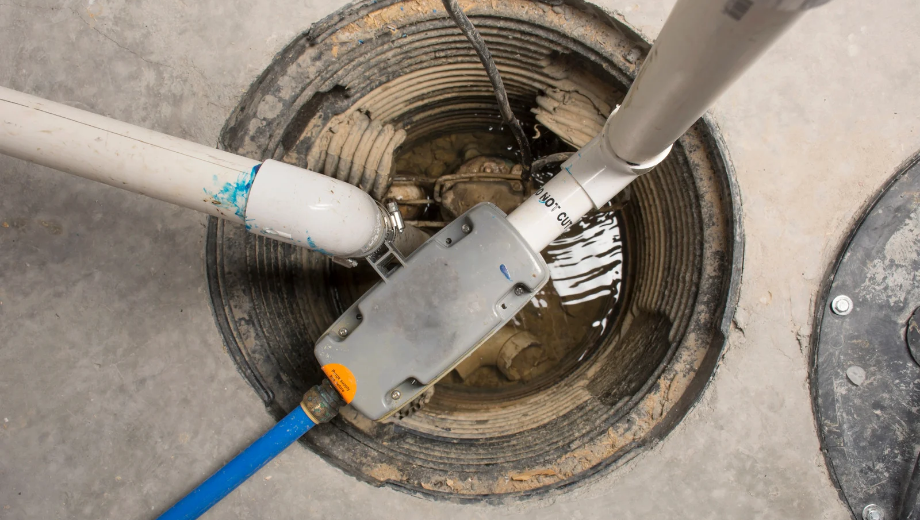
What to Do: Pour a bucket of water into the sump pit to ensure the pump activates properly. Clean debris from the pit, check that the discharge pipe directs water at least 10 feet from your foundation, and verify that the backup power system works. If your pump is over 7 years old or shows signs of wear, consider replacement before the critical season arrives.
Inspect and Clear Window Wells Completely
The Hidden Danger: Clogged window wells are a leading cause of basement water damage in Rockland County. Leaves, debris, and poor drainage create ice dams that can crack foundation walls or flood basements.
Prevention Steps: Remove all debris from window wells and ensure drainage systems are clear. Install or repair window well covers to prevent snow accumulation. Check that the well liner isn’t cracked and that caulking around basement windows is intact. A small investment in well maintenance prevents thousands in water damage restoration costs.
Deep Clean Your Dryer Exhaust System
Fire and Moisture Prevention: Beyond fire safety, blocked dryer vents create humidity problems that lead to mold growth and structural damage. We’ve seen entire laundry rooms require mold remediation due to poor dryer ventilation.
Complete Solution: Remove the exterior vent cover and clear all lint buildup. Check that the vent flap opens freely and isn’t blocked by snow or ice buildup from previous winters. Consider installing a pest guard to prevent animals from nesting in the vent line.
Foundation Protection: Often-Missed Exterior Tasks
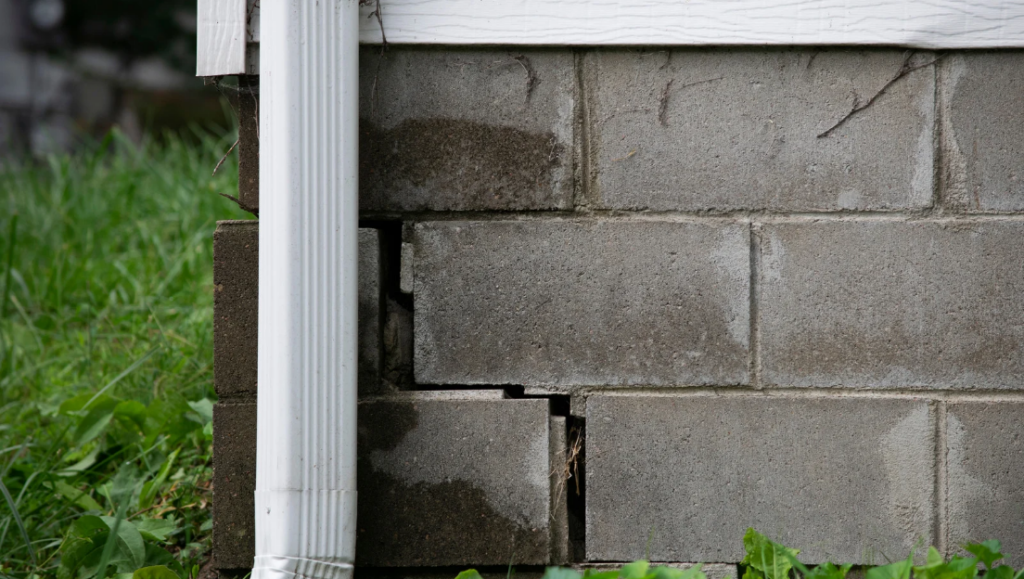
Address Grading and Drainage Issues Now
Why It’s Critical: Poor drainage is the number one cause of foundation problems we see. Water that pools against your foundation will find a way inside, and freeze-thaw cycles make small problems exponentially worse.
Action Plan: Walk your property during or right after heavy rain. Water should flow away from your foundation—not pool against it. Add soil where needed to create positive drainage, clean out existing drainage channels, and ensure gutters direct water well away from the house. This single task prevents more property damage than any other maintenance activity.
Seal Every Penetration Point
The Hidden Water Entry Points: We regularly find water damage that started at forgotten entry points: where utilities enter the house, around outdoor spigots, through foundation cracks, and where different building materials meet.
Comprehensive Sealing: Use appropriate sealants for each material type. Pay special attention to the north side of your home, which faces the harshest winter weather. Check where pipes, cables, and conduits enter your home—these are common failure points that lead to expensive interior damage.
Clean and Inspect Brick Weep Holes
Often Overlooked: These small drainage holes in brick walls prevent moisture buildup behind the veneer. When blocked, trapped moisture can cause serious structural problems and create ideal conditions for mold growth.
Simple Fix: Use a thin wire to carefully clear each weep hole. This five-minute task per hole can prevent thousands in structural repairs and mold remediation costs.
Preventing Mold and Indoor Air Quality Issues
Service Your Whole-House Humidifier Properly
The Mold Connection: Improperly maintained humidifiers can create excessive moisture that leads to mold growth throughout your home. We’ve remediated entire HVAC systems contaminated by neglected humidifier maintenance.
Complete Maintenance: Replace the water panel, clean all mineral buildup, check the water supply line for leaks, and ensure the humidistat is calibrated correctly. Set humidity levels between 30-50% to prevent both dry air problems and mold-friendly conditions.
Inspect Attic Ventilation for Ice Dam Prevention
Property Damage Prevention: Ice dams cause some of the most expensive winter property damage we see. They lead to roof leaks, ceiling damage, wall damage, and often require extensive mold remediation.
Critical Checks: Ensure soffit vents aren’t blocked by insulation, verify ridge vents are clear, and check that bathroom and kitchen exhaust fans vent outside (not into the attic). Proper ventilation keeps your roof deck cold, preventing the ice dam formation that causes interior water damage.
System Failures That Cause Major Damage
Test Your Water Heater’s Pressure Relief Valve
Catastrophic Failure Prevention: A failed water heater can flood entire floors of your home. The pressure relief valve is your safety net, but it needs annual testing to ensure it functions when needed.
Safety Test: Carefully lift the valve lever to release a small amount of water (have a bucket ready). If no water comes out or if the valve continues leaking afterward, call a plumber immediately. This simple test can prevent catastrophic flooding.
Inspect Outdoor Electrical Components
Fire and Safety Prevention: Damaged outdoor electrical components are fire hazards that worsen in winter weather. With holiday decorations coming, electrical safety becomes even more critical.
Complete Inspection: Check that all outdoor outlets have working GFCI protection, ensure covers fit tightly, and look for corrosion around your electrical meter and main panel. Any signs of damage require immediate professional attention.
The PuroClean Prevention Advantage
As property damage restoration professionals, we see the aftermath of these overlooked maintenance issues every winter. The homeowners who avoid major damage claims aren’t necessarily the ones who spend the most on maintenance—they’re the ones who address these commonly forgotten tasks before problems develop.
Our Professional Recommendation: Create a photo documentation system for potential problem areas. Take pictures of your foundation, attic spaces, and mechanical systems each fall. This helps you track changes over time and provides valuable documentation if damage does occur.
Beyond the Basics: Complete Property Protection
While these overlooked tasks are critical, they should complement—not replace—standard fall maintenance activities. For a comprehensive checklist covering all essential fall preparation tasks, we recommend this thorough guide from Allstate.
When you combine their complete maintenance checklist with our damage-prevention focus on commonly missed items, you’re giving your property the best possible protection against winter-related damage.
Your Local Restoration Experts
At PuroClean of Nanuet, we’re committed to helping property owners in Rockland County prevent damage before it happens. While we’re here 24/7 when disasters strike, we’d much rather help you avoid needing our emergency services in the first place.
Remember: an ounce of prevention truly is worth a pound of cure, especially when it comes to property damage. These overlooked maintenance tasks take minimal time and investment but can save you thousands in restoration costs and weeks of displacement from your home.
Frequently Asked Questions About Fall Home Maintenance in Rockland County
Q: When should I start my fall home maintenance checklist in Rockland County? A: At PuroClean of Nanuet, we recommend beginning your fall home maintenance tasks in early to mid-September. We’ve seen too many emergency calls from homeowners who waited until October and discovered major issues when it’s too late to properly address them. Rockland County’s climate means starting early gives you time to fix problems before winter weather hits.
Q: What fall maintenance tasks are most critical for preventing water damage in Rockland County homes? A: Based on our restoration experience, the three most critical fall maintenance tasks are testing your sump pump system, clearing window wells completely, and ensuring proper drainage around your foundation. These three tasks prevent about 70% of the winter water damage calls we respond to in Rockland County.
Q: How often should I perform fall home maintenance on my HVAC system? A: We see countless mold remediation projects that started with improperly maintained HVAC systems. Your heating system needs professional fall maintenance annually, but you should also replace filters monthly, test humidifier systems, and ensure all vents are clear. Poor HVAC maintenance creates the moisture conditions that lead to expensive mold problems.
Q: Are there specific fall maintenance concerns for older homes in Rockland County? A: Absolutely. We respond to more emergency calls from older Rockland County homes because they often have outdated sump pump systems, foundation settling issues that worsen with freeze-thaw cycles, and electrical systems that can’t handle increased winter loads. We recommend extra attention to these systems during fall maintenance.
Q: What fall home maintenance tasks can I do myself versus hiring professionals? A: From a damage prevention standpoint, you can handle basic fall maintenance like cleaning gutters, sealing minor cracks, testing sump pumps, and clearing window wells. However, we strongly recommend professionals for electrical inspections, major plumbing work, and HVAC servicing—these are areas where DIY mistakes often lead to the emergency calls we receive.
Q: How does Rockland County’s climate affect my fall maintenance priorities? A: Our local climate creates specific challenges we see repeatedly: heavy leaf accumulation clogs drainage systems, freeze-thaw cycles worsen small foundation cracks into major problems, and temperature fluctuations create ice dams. We’ve restored hundreds of homes damaged by these predictable seasonal issues that proper fall maintenance could have prevented.
Q: What’s the most commonly overlooked fall home maintenance task that leads to property damage? A: Hands down, it’s sump pump testing. We get dozens of panicked calls each spring from homeowners discovering their pumps failed during snowmelt. This single fall maintenance task—testing your sump pump—could prevent thousands of dollars in basement flooding damage and the stress of emergency restoration.
Q: Should I schedule professional fall maintenance inspections for my Rockland County home? A: As restoration professionals, we always recommend professional inspections for HVAC, electrical, and structural components. We’d much rather help you prevent damage through proper fall maintenance than restore your home after preventable disasters. Professional inspections catch issues before they become emergencies.
Q: How much should I budget for fall home maintenance in Rockland County? A: We tell our clients to budget $300-800 annually for fall home maintenance. Yes, it seems like a lot, but we routinely see restoration projects costing $10,000-50,000 from neglected maintenance. The investment in proper fall maintenance is always a fraction of what emergency restoration costs.
Q: What fall maintenance records should I keep for insurance purposes? A: Keep detailed records of all your fall home maintenance activities. We’ve helped many clients with insurance claims, and documentation of regular maintenance shows you’re a responsible homeowner. Take photos, save receipts, and maintain logs of sump pump testing, HVAC servicing, and repairs—this documentation can be invaluable if damage does occur.
Your Local Restoration Experts
At PuroClean of Nanuet, we’re committed to helping property owners prevent damage before it happens. While we’re here 24/7 when disasters strike, we’d much rather help you avoid needing our emergency services in the first place.
Remember: an ounce of prevention truly is worth a pound of cure, especially when it comes to property damage. These overlooked maintenance tasks take minimal time and investment but can save you thousands in restoration costs and weeks of displacement from your home.
Take action now, before winter weather arrives. Your property—and your peace of mind—depend on it.