 PuroClean of Nanuet
 Key Takeaways
- Mold can begin growing within 24 to 48 hours of water intrusion or high humidity.
- Poor indoor air quality (IAQ) can trigger allergies, asthma, and long-term health concerns.
- PuroClean of Nanuet provides certified mold remediation in Orangetown, following IICRC and EPA standards.
- Our process includes inspection, containment, removal, HEPA filtration, disinfection, and odor control.
- PuroClean does not conduct direct mold testing but coordinates with certified third-party testing providers as needed.
Why Mold and Indoor Air Quality Matter in Orangetown
Mold isn’t just unsightly—it compromises both your property and your health. Spores circulate through HVAC systems and remain in the air, lowering indoor air quality and contributing to respiratory issues. For Orangetown homeowners, mold represents both an immediate health concern and a potential threat to property value, especially given New York’s strict disclosure requirements for home sales.
The impact of mold extends beyond what you can see on walls or ceilings. Microscopic spores become airborne during normal household activities—walking across a floor, opening a closet door, or running your heating system. Once airborne, these spores are easily inhaled, triggering allergic reactions and respiratory problems. Children, elderly residents, and anyone with compromised immune systems face particularly serious risks from prolonged mold exposure.
That’s why PuroClean of Nanuet offers 24/7 mold remediation in Orangetown. Our certified technicians not only remove visible mold but also treat the underlying causes, restoring your space to safe living conditions. We understand that discovering mold in your home is stressful, which is why we prioritize clear communication, rapid response, and thorough remediation that addresses both the symptoms and the source.
Common Mold Risks in Orangetown
Orangetown’s unique geography and climate create specific challenges for homeowners trying to prevent mold growth. Understanding these risk factors helps property owners take proactive steps before minor moisture issues become major mold problems.
Environmental Factors
- Leaks from roofs, plumbing, or appliances — A small drip behind a refrigerator or under a sink can go unnoticed for weeks, providing constant moisture that mold needs to thrive.
- Flooding from storms or groundwater intrusion — Heavy rainfall can overwhelm drainage systems, pushing water into basements and crawl spaces.
- High humidity in the summer months — Orangetown’s summer humidity regularly exceeds 70%, well above the 60% threshold where mold growth accelerates.
- Ice dams and condensation in winter — Freeze-thaw cycles damage roofing materials, while temperature differences between heated indoor spaces and cold attics create condensation.
- Poorly ventilated attics, basements, or crawlspaces — Stagnant air traps moisture, creating ideal conditions for mold colonies to establish themselves.
Orangetown-Specific Challenges
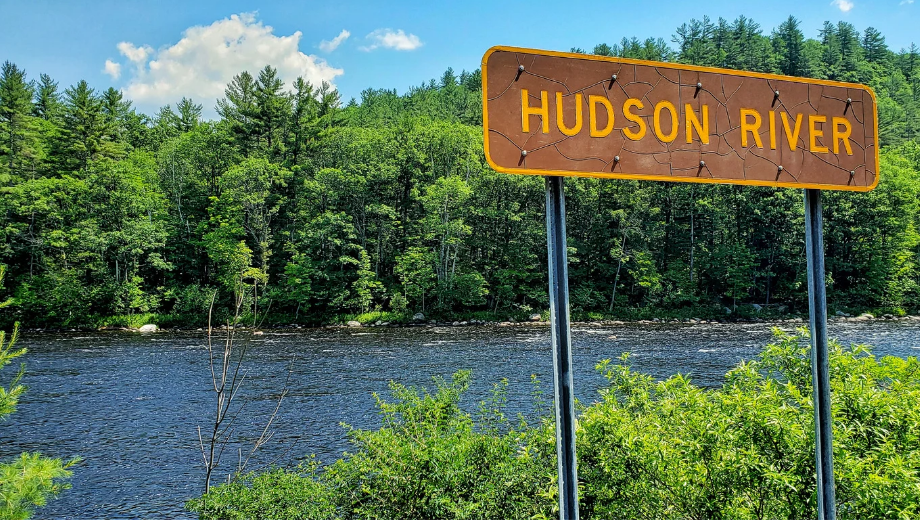
In Orangetown, proximity to the Hudson River combined with the area’s older housing stock creates persistent humidity challenges—especially in basements and crawl spaces where moisture easily accumulates after heavy rainfall. Many homes in the area were built before modern moisture barriers and ventilation systems became standard, making them particularly vulnerable to water intrusion.
The town’s varied terrain also means that water naturally flows toward low-lying properties during storms. Homes built in valleys or near streams face increased flooding risk, while properties on slopes may experience foundation seepage as groundwater moves downhill. Additionally, mature trees—while beautiful—can complicate drainage patterns and damage foundations with root growth, creating entry points for water.
The PuroClean Mold Remediation Process
Our comprehensive approach ensures that mold is completely removed and prevented from returning. Each step is carefully executed by IICRC-certified technicians using industry-leading equipment and EPA-approved products.
1. Inspection & Assessment
The remediation process begins with a thorough property inspection. We use advanced tools—infrared cameras, moisture meters, and hygrometers—to identify hidden moisture and map out all affected areas. Infrared cameras reveal temperature differences that indicate moisture behind walls, while moisture meters provide precise readings that help us determine the extent of water damage.
During this phase, we document everything with detailed photographs and written reports. This documentation is crucial for your insurance claim and creates a baseline against which we can measure remediation progress. We also identify the moisture source—whether it’s a leaky pipe, roof damage, or foundation seepage—so we can recommend permanent solutions.
2. Containment
Once we’ve mapped the affected areas, we establish containment zones to prevent mold spores from spreading to clean areas of your home. We seal off affected zones with heavy-duty plastic sheeting, creating physical barriers between contaminated and clean spaces.
We also establish negative air pressure using specialized air filtration devices. This creates a pressure differential that pulls air from clean areas toward contaminated zones, then filters it through HEPA systems before exhausting it outside. This prevents cross-contamination and protects your family during the remediation process.
3. Air Filtration
Our HEPA air scrubbers capture airborne spores, allergens, and contaminants, improving indoor air quality throughout the process. These machines run continuously during remediation, filtering the air multiple times per hour. HEPA filters capture 99.97% of particles as small as 0.3 microns—smaller than most mold spores—ensuring that the air in your home becomes progressively cleaner as we work.
4. Removal of Mold & Contaminated Materials
Effective mold remediation requires removing materials that cannot be adequately cleaned. Porous materials like drywall, insulation, and carpet absorb mold deeply into their fibers, making complete cleaning impossible.
- Non-salvageable materials like drywall, carpet, and insulation are carefully removed and bagged to prevent spore release.
- Surfaces are cleaned with EPA-registered antimicrobial agents that kill mold at the cellular level.
- HEPA vacuums remove residual spores from surfaces, ensuring that even microscopic particles are captured.
We take great care during removal to minimize disturbance. Materials are misted with water to prevent spores from becoming airborne, then double-bagged in heavy-duty plastic before removal from your property. Hard surfaces like wood framing and concrete are treated rather than removed whenever possible, reducing both cost and disruption.
5. Cleaning & Disinfection
After removing contaminated materials, we apply fungicides and hospital-grade disinfectants to kill mold at the root, not just the surface. Unlike bleach—which only bleaches surface stains—our EPA-registered antimicrobial products penetrate porous surfaces and prevent regrowth.
We also clean all contents in affected areas—furniture, belongings, and personal items—using specialized techniques appropriate for each material type. HEPA vacuuming, antimicrobial wiping, and in some cases ultrasonic cleaning ensure that your belongings are safe to return to your home.
6. Odor Removal
Mold produces volatile organic compounds (VOCs) that create persistent musty odors. These odors don’t just smell unpleasant—they indicate that spores and mycotoxins are present in the air.
Persistent odors are treated with advanced deodorization systems such as hydroxyl generators or ozone treatments. Hydroxyl generators produce safe, naturally occurring hydroxyl radicals that break down odor molecules at the molecular level. For severe cases, controlled ozone treatment—performed when the building is unoccupied—provides even more aggressive odor elimination.
7. Restoration & Prevention
PuroClean of Nanuet also offers reconstruction services, such as drywall replacement, insulation installation, and painting. This means you work with a single contractor from start to finish, eliminating the need to coordinate between multiple companies and ensuring a seamless restoration process.
We also provide comprehensive recommendations for mold prevention, including:
- Dehumidifier installation — Whole-home or portable units that automatically maintain optimal humidity levels.
- Improved attic or basement ventilation — Exhaust fans, ridge vents, and foundation vents that promote air circulation.
- HVAC system maintenance and duct cleaning — Regular servicing prevents condensation and removes accumulated spores.
- Keeping indoor humidity below 40% — The single most important factor in preventing mold growth.
We educate homeowners about moisture control strategies, helping you understand how simple habits—like running exhaust fans during showers or fixing leaks promptly—can prevent future mold problems.
Mold & Indoor Air Quality (IAQ)
Mold spores don’t just affect walls and floors—they linger in the air, compromising the quality of every breath you take indoors. Poor IAQ can lead to:
- Coughing, sneezing, and allergies — Even people without diagnosed mold allergies often experience respiratory irritation.
- Worsening asthma and breathing difficulties — Mold is a known asthma trigger and can cause severe attacks in sensitive individuals.
- Fatigue, headaches, and long-term exposure risks — Chronic low-level exposure may contribute to more serious health issues over time.
The connection between mold and indoor air quality is particularly important in Orangetown, where residents spend significant time indoors during cold winters and humid summers. When your HVAC system circulates air throughout your home, it also circulates any mold spores present in ductwork or on surfaces. This means a small mold problem in a basement can affect air quality throughout your entire home.
How PuroClean Improves IAQ:
- HEPA filtration during remediation — Continuously cleans air while we work, providing immediate improvement.
- Recommendations for long-term humidity and ventilation improvements — Addresses root causes of poor air quality.
- Optional duct cleaning to reduce spores in HVAC systems — Removes accumulated contamination from your heating and cooling system.
We also advise homeowners about whole-home air quality solutions like UV lights in HVAC systems, which kill mold spores and bacteria as air passes through, and ERV (Energy Recovery Ventilator) systems that bring fresh outdoor air inside while maintaining energy efficiency.
Understanding Mold Remediation Costs in Orangetown
One of the first questions homeowners ask is: “How much will this cost?” While every situation is unique, understanding the factors that influence pricing helps you budget appropriately and make informed decisions.
Cost Factors
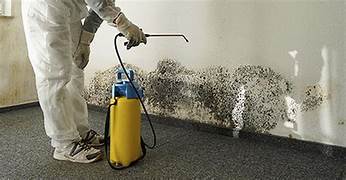
Several variables determine the final cost of mold remediation:
- Extent of contamination — A small bathroom problem costs far less than whole-basement remediation.
- Location of mold — Easy-access areas cost less than mold behind walls or in crawl spaces.
- Type of materials affected — Cleaning hard surfaces is cheaper than replacing insulation and drywall.
- Moisture source complexity — Simple leak repairs cost less than foundation waterproofing.
Typical Price Ranges
- Small, contained areas (less than 10 square feet): $500–$1,500
- Single-room remediation (bathroom, bedroom): $1,500–$4,000
- Basement or crawl space remediation: $3,000–$8,000
- Whole-home or severe contamination: $10,000–$30,000+
These ranges include inspection, containment, removal, cleaning, and basic restoration. Additional costs may apply for extensive reconstruction, HVAC cleaning, or addressing underlying structural issues like foundation repairs.
Insurance Considerations
Understanding your insurance coverage before mold appears helps you respond quickly when problems arise without worrying about whether costs will be covered.
- Mold coverage is often limited or capped in homeowner policies — Many policies include sub-limits of $5,000–$10,000 for mold-related claims.
- Most policies only cover mold if it results from a covered water event (like a burst pipe) — Gradual leaks, maintenance issues, and flooding from outside sources are typically excluded.
- PuroClean provides detailed documentation—photos, moisture readings, and estimates prepared with Xactimate, the insurance industry standard.
We work directly with insurance adjusters, providing the documentation they need to process your claim efficiently. Our familiarity with insurance requirements means we know exactly what information adjusters need, reducing delays and helping you get the maximum coverage available under your policy.
Important tip: Contact your insurance company immediately when you discover water damage or mold. Quick reporting not only helps your claim but also demonstrates that you took prompt action to mitigate damage—a requirement in most policies.
Mold Testing
PuroClean does not provide mold testing directly. Independent testing serves several purposes: it identifies specific mold species, quantifies spore concentrations, and provides post-remediation clearance verification. When selling a home in New York, professional testing documentation can satisfy disclosure requirements and provide buyers with confidence as attic mold is the most common real estate challenge we see.
Why Choose PuroClean of Nanuet in Orangetown?
- IICRC-Certified Technicians: Advanced mold remediation training and certification ensures we follow industry best practices.
- EPA-Approved Products: We use only registered antimicrobial products that target mold at its source.
- Proven Systems: Containment protocols, HEPA air scrubbers, and antimicrobial treatments backed by decades of industry research.
- Transparent Communication: Updates at every step, with clear insurance documentation you can understand.
- Local Ownership + National Support: Personalized service from neighbors who understand Orangetown’s unique challenges, backed by a national network of resources.
- Compassionate Service: We know mold problems are stressful and work to ease—not add to—your burden.
Frequently Asked Questions
How fast does mold spread?
Mold can begin to grow within 24–48 hours of moisture exposure, and colonies can spread in a matter of days if left untreated. This rapid growth is why immediate action is so important when you discover water damage.
Is mold dangerous?
Yes. Mold spores can trigger allergies, asthma, and other health issues. Certain types release mycotoxins, which may be harmful with prolonged exposure. Black mold (Stachybotrys chartarum) is particularly concerning for vulnerable populations.
Can I clean mold myself?
No. Household cleaners like bleach only treat surface stains. They do not kill mold at the root and often spread spores further. Professional remediation is the safest solution, especially for areas larger than 10 square feet.
Will insurance cover mold remediation?
It depends. Policies often have sub-limits and may only cover mold when caused by a sudden, covered water loss. We provide the documentation needed to support your claim and maximize your coverage.
Do you perform mold testing?
No. Testing is performed by independent, certified companies. PuroClean works with these providers when testing is required, ensuring unbiased results that satisfy legal and insurance requirements.
How long does mold remediation take?
Smaller jobs may take 3–5 days. Larger projects with demolition and drying may take one to two weeks or more, depending on the extent of contamination and the complexity of restoration work.
How do I prevent mold from returning?
Keep humidity below 40%, ensure proper ventilation, fix leaks promptly, and use dehumidifiers in basements or crawlspaces. Regular HVAC maintenance and immediate attention to any water intrusion are also critical.
Is it safe to stay in the home during remediation?
For minor jobs with proper containment, yes. For widespread mold or severe contamination, temporary relocation may be recommended for safety, particularly for children, elderly residents, or those with respiratory conditions.
Related Services
- Water Damage Restoration — Water events are the most common cause of mold. Quick response prevents mold from developing after floods, leaks, or appliance failures.
- Fire & Smoke Damage Restoration — Water from firefighting efforts often leads to mold problems if not properly dried and treated.
- Biohazard Cleanup — Other hazardous conditions requiring specialized expertise and certified handling.
- Orangetown Services — See all PuroClean services available in Orangetown and throughout Rockland County. Driving directions to PuroClean of Nanuet.
Call PuroClean of Nanuet Today
If you see or suspect mold in your Orangetown home or business, don’t wait. Call PuroClean of Nanuet at (845) 570-5060. We’ll eliminate mold, improve indoor air quality, and help protect your property and health.
Our 24/7 emergency response means help is always available when you need it most. The sooner we begin remediation, the less damage mold can cause—and the lower your restoration costs will be.


 PuroClean of Nanuet