


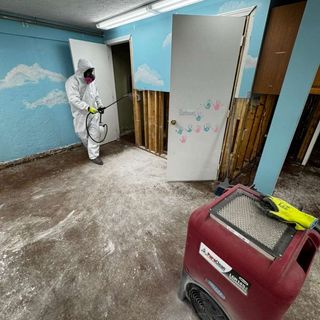
Can wet drywall be saved? In some situations, yes. Drywall that becomes wet does not automatically need to be removed. Whether it can be successfully dried depends on the source of the water, how long the drywall remained wet, its physical condition, the amount of moisture it absorbed, and what is happening inside the wall cavity.
A small amount of clean water caught quickly can be very different from drywall that has remained saturated, started to swell, been exposed to contaminated water, or has wet insulation trapped behind it.
For homeowners in New Bedford and Southeastern Massachusetts, understanding the difference can help prevent unnecessary demolition while also avoiding the mistake of leaving damaged materials in place when they should be removed.
Quick Answer: Does Wet Drywall Need to Be Replaced?
Not always.
Wet drywall may potentially be dried in place when the water source is appropriate for restoration, the damage is addressed quickly, the drywall remains structurally sound, the seams are intact, and the wall assembly can be effectively dried.
Removal may be necessary when drywall:
- Has significant swelling or deterioration
- Is sagging, crumbling, or losing integrity
- Has damaged or separating seams
- Cannot be effectively dried
- Has remained wet for an extended period
- Shows evidence of mold growth
- Has been affected by contaminated water
- Has wet or contaminated materials trapped behind it
The important question isn’t simply “Did the drywall get wet?”
The better question is:
“Can the drywall and the materials behind it be appropriately dried and restored based on the conditions of this particular water loss?”
Why Does Drywall Absorb So Much Water?
Drywall, also called gypsum board or wallboard, consists primarily of a gypsum core surrounded by paper facing.
Because these materials are porous, drywall can absorb moisture when exposed to water.
More importantly, water doesn’t necessarily remain at the exact height where you can see it.
Moisture can move upward through drywall through a process commonly called wicking. This means the actual wet area may extend above the visible water line.
Water can also enter the wall cavity and affect:
- Insulation
- Wood framing
- Electrical components
- The opposite side of the wall
- Baseboards and trim
- Flooring and subflooring
That is why looking at the surface of the drywall alone may not reveal the full extent of a water loss.
How Do Professionals Determine How Wet Drywall Is?
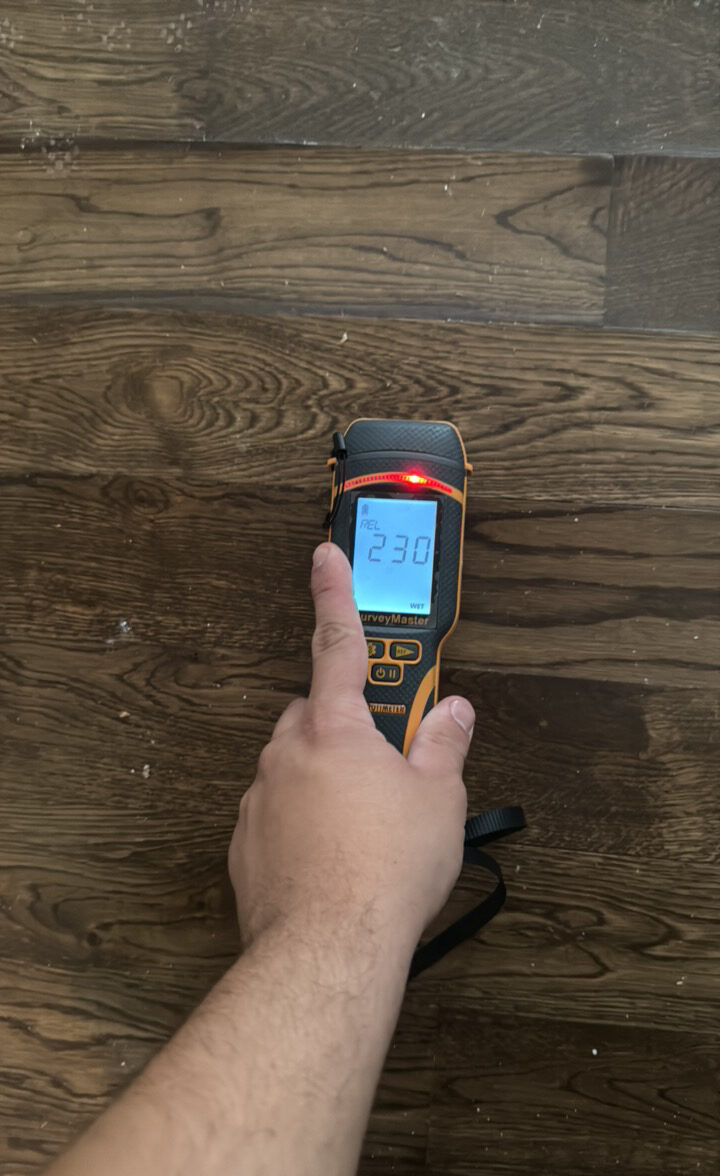
One of the most useful tools during a water-damage evaluation is a moisture meter.
Rather than assuming drywall is wet—or assuming it has dried because the surface feels dry—moisture readings can help identify affected areas and monitor changes during the drying process.
Measurements can also help determine how far moisture has traveled.
For example, when water enters drywall from the floor level, readings may be taken progressively higher on the wall to help identify where elevated moisture conditions stop.
The affected readings can then be compared with dry materials in an unaffected area of the property.
This helps create a more informed picture of where the water actually traveled, rather than relying solely on visible staining.
1. When Wet Drywall May Be Able to Be Saved
Wet drywall may be a candidate for drying when the water damage is discovered quickly and the material is still in good condition.
Some factors professionals consider include:
- Source of the water: Clean water from a supply line is very different from sewage or other contaminated water.
- Amount of time wet: The longer materials remain wet, the greater the potential for deterioration and microbial growth.
- Condition of the drywall: Drywall that remains firm and intact may have a better chance of being dried than drywall that is soft, swollen, sagging, or crumbling.
- Condition behind the wall: Insulation and other materials inside the wall cavity also need to be evaluated.
- Ability to dry the assembly: Even drywall that looks relatively normal may require removal if moisture trapped behind it cannot be properly addressed.
In some situations, professional drying equipment can be used to remove moisture without unnecessarily removing otherwise salvageable drywall.
2. When Wet Drywall Should Be Removed
There are situations where attempting to save drywall may not be appropriate.
Removal may be recommended when the drywall has:
- Become soft or lost structural integrity
- Started sagging or bowing
- Swollen significantly
- Begun crumbling
- Developed damaged or separating seams
- Been affected by mold growth
- Been exposed to contaminated water
- Remained wet long enough that effective drying is questionable
Another important consideration is what is behind the drywall.
For example, a wall may contain wet insulation even though the visible drywall surface doesn’t look severely damaged. Simply drying the outside surface would not necessarily address moisture trapped inside the wall cavity.
3. What About Wet Insulation Behind Drywall?
This is one of the reasons water damage can become more complicated than it initially appears.
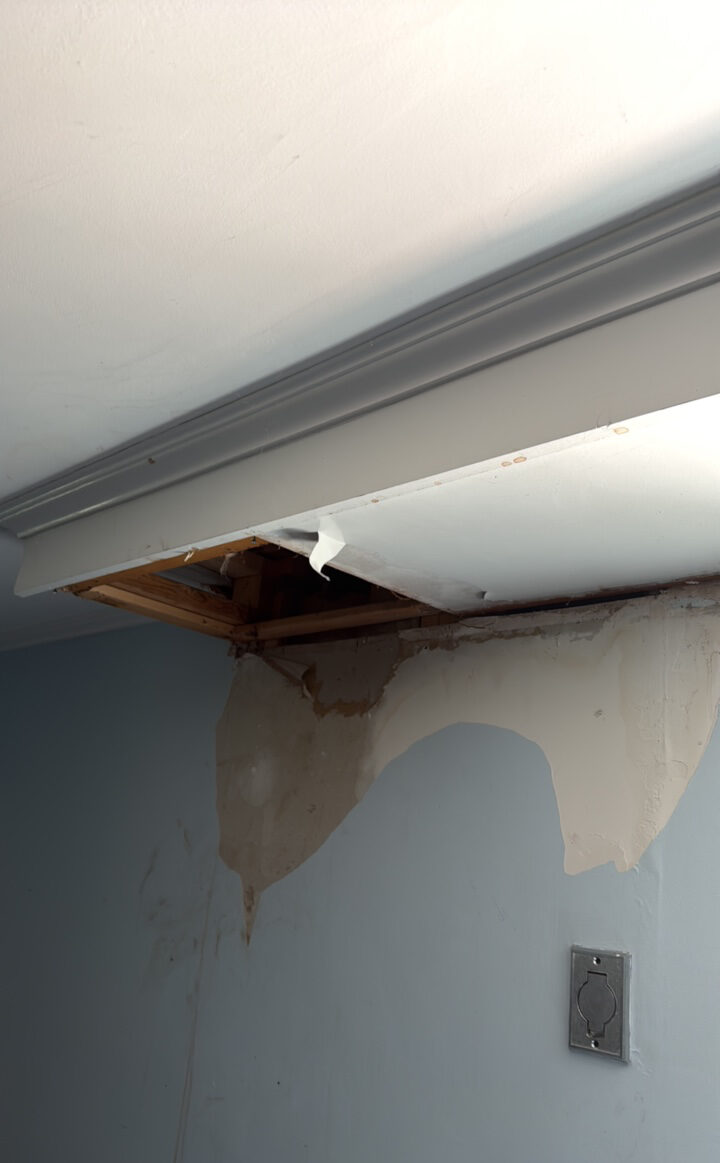
Water entering a wall cavity may affect insulation along with the drywall and framing.
Depending on the type of insulation, amount of water, contamination level, and condition of the material, wet insulation may need to be removed to properly address the affected wall assembly.
Opening portions of a wall may also be necessary to provide access for drying.
This doesn’t necessarily mean the entire wall needs to be demolished.
Professional water-damage restoration focuses on identifying the actual extent of damage so that affected materials can be addressed while unnecessary demolition is avoided whenever reasonably possible.
4. Can You Just Put Fans on Wet Drywall?
Household fans can move air, but successfully drying a water-damaged structure involves more than simply blowing air at a wet wall.
Professional structural drying may involve a combination of:
- Water extraction
- Commercial air movers
- Dehumidification
- Moisture measurements
- Temperature and humidity monitoring
- Removal of materials that prevent effective drying
Air movers help increase evaporation from wet materials, while dehumidifiers help remove moisture from the air.
The drying process should also be monitored. A wall that looks dry or feels dry to the touch can still contain elevated moisture.
That is why professional drying typically relies on measurements rather than appearance alone.

5. How Long Does Wet Drywall Take to Dry?
There is no single drying time that applies to every water-damage situation.
Drying time can vary depending on:
- How much water the drywall absorbed
- How long the water was present
- Whether insulation is behind the drywall
- Temperature and humidity inside the property
- Air movement
- Dehumidification
- Whether other wet materials are affecting the wall
- The ability to access moisture inside the wall cavity
This is why simply waiting a certain number of days isn’t a reliable way to determine whether drywall is dry.
Moisture readings should be used to track the drying process and compare affected materials with appropriate dry reference areas.
6. How Quickly Should You Respond to Wet Drywall?
Water damage should be addressed as quickly as reasonably possible.
The longer drywall, insulation, wood framing, flooring, and other building materials remain wet, the greater the opportunity for additional damage and microbial growth.
If you discover water damage:
- Stop the water source if it is safe and possible to do so.
- Avoid electrical hazards and unsafe areas.
- Document visible damage with photos and videos.
- Move unaffected belongings away from the wet area when safe.
- Contact your insurance carrier when appropriate.
- Have the affected materials evaluated and begin water removal and drying as soon as possible.
If you’re dealing with a larger water loss, you can also read our What to Do After Water Damage guide for a more complete step-by-step explanation.
7. Why Hidden Moisture Matters
One of the biggest mistakes after a water loss is assuming that once the visible water disappears, the problem is over.
Water can migrate into areas that aren’t immediately visible, including:
- Behind drywall
- Under flooring
- Beneath cabinets
- Inside insulation
- Around baseboards
- Into subflooring
- Within wall cavities
A small stain on a wall can therefore be only one visible sign of a larger moisture problem.
Professional moisture detection helps determine the extent of the affected area before decisions are made about what should be dried, removed, or restored.
Wet Drywall in New Bedford and Southeastern Massachusetts
If your home or business has experienced a leak, burst pipe, appliance failure, overflow, or other water loss, PuroClean of New Bedford can evaluate the affected materials and develop an appropriate drying and restoration plan.
Our water-damage restoration process may include water extraction, moisture detection, structural drying, dehumidification, removal of unsalvageable materials, cleaning, and restoration based on the conditions of the loss.
We provide water damage restoration services throughout New Bedford and surrounding communities in Southeastern Massachusetts, including Dartmouth, Fairhaven, Acushnet, Fall River, Freetown, Mattapoisett, Marion, Rochester, Wareham, and surrounding areas.
Need Help With Wet Drywall or Water Damage?
Don’t rely only on what the wall looks or feels like.
If you’re unsure whether wet drywall can be saved, a professional moisture evaluation can help determine how far the water traveled and whether drying or removal is the appropriate next step.