


Table of Contents
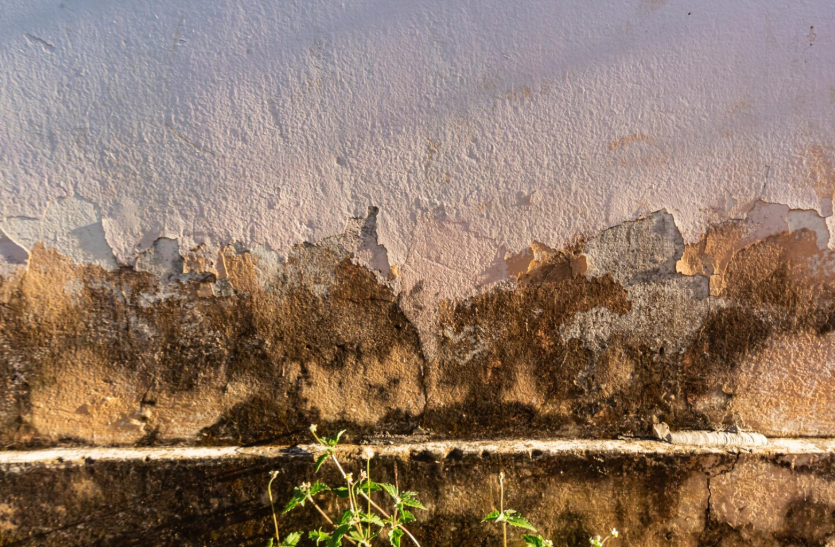
Foundation-related water damage is a serious and common issue in North McKinney, TX because expansive clay soils expand during rainy periods and shrink during drought. This soil movement causes foundations to shift, creating cracks that allow water intrusion. If you notice cracking walls, uneven floors, or moisture near baseboards, immediate inspection and professional drying are critical to prevent structural damage and mold growth.
What Is Foundation-Related Water Damage?
Foundation-related water damage occurs when structural movement in a home’s foundation creates openings that allow water to enter the building envelope.
In McKinney homes, this often results from soil expansion and contraction beneath slab foundations. When concrete shifts, it develops stress fractures that allow moisture penetration.
This type of damage commonly leads to:
- Cracked slab or foundation walls, which allow rainwater to seep inside during heavy storms and increase indoor humidity levels.
- Interior drywall damage, including bubbling paint, soft spots, and baseboard swelling caused by prolonged moisture exposure.
- Structural water damage to framing, where wood absorbs moisture and begins to weaken or rot over time.
- Hidden moisture pockets, which can trigger mold growth inside wall cavities within 24–48 hours.
Why Foundation Shifting Happens in McKinney, TX
North McKinney is built on clay-heavy soil that reacts dramatically to moisture changes.
Primary Causes of Foundation Movement
- Seasonal rainfall followed by extended dry periods, which causes soil to repeatedly expand and shrink, placing stress on the slab.
- Poor exterior drainage, where gutters or grading direct water toward the foundation instead of away from it.
- Undetected plumbing leaks beneath the slab, which continuously saturate soil and create uneven support.
- Tree root systems near the home, which absorb moisture inconsistently and destabilize soil structure.
This repeated soil movement creates structural stress, leading to foundation cracks and water intrusion through foundation cracks during storms.
Signs of Foundation-Related Water Damage
Early detection prevents costly structural repairs.
Watch for these warning signs:
- Cracks forming in drywall or ceilings, especially near door frames and windows where stress concentrates.
- Doors and windows that suddenly stick or misalign, indicating foundation settlement or shifting.
- Musty odors near exterior-facing walls, suggesting hidden moisture behind drywall.
- Damp carpet edges or warped flooring, particularly after rainfall.
- White powder residue (efflorescence) on concrete, signaling moisture movement through porous surfaces.
These symptoms frequently indicate developing structural water damage tied to foundation movement.
How Water Enters Through a Shifted Foundation
Step-by-Step Process
- Soil becomes saturated after heavy rainfall.
- Expanding soil pushes unevenly against the foundation.
- Concrete develops stress fractures or widens existing cracks.
- Hydrostatic pressure forces water through these openings.
- Moisture spreads into flooring, drywall, and insulation materials.
Hydrostatic pressure is the force exerted by water-saturated soil against foundation walls. Even small cracks can allow significant moisture entry under pressure.
Without intervention, this can result in:
- Mold growth beginning within 24–48 hours.
- Deterioration of wood framing and insulation materials.
- Increased indoor humidity and potential air quality concerns.
- Long-term weakening of structural components.
Foundation Crack vs. Plumbing Leak
| Issue | Primary Cause | Typical Indicators | Risk Level |
|---|---|---|---|
| Foundation crack | Soil movement | Wall cracks, sloping floors, moisture after storms | High |
| Slab plumbing leak | Broken pipe beneath slab | Warm floor spots, unexplained water bills | Very High |
| Drainage issue | Improper grading | Pooling water near foundation | Moderate to High |
Accurate diagnosis often requires both a structural evaluation and professional moisture mapping.
What to Do If You Notice Water Damage
Immediate Actions to Take
- Move furniture and valuables away from wet areas to prevent secondary damage and staining.
- Document visible damage with photos and videos, which can support insurance claims.
- Avoid using household fans alone, as they rarely remove trapped moisture behind walls or under flooring.
- Contact a professional restoration company promptly, especially if moisture has been present for more than 24 hours.
Why Professional Drying Is Necessary
Surface drying does not address moisture trapped inside structural materials. PuroClean in North McKinney uses:
- Advanced moisture meters to detect hidden water pockets.
- Infrared thermal imaging to locate moisture behind walls.
- Commercial-grade dehumidifiers and air movers.
- Structural drying methods aligned with IICRC industry standards.
Proper mitigation reduces the risk of mold growth and long-term structural weakening.
Preventing Future Foundation-Related Water Damage
Prevention focuses on managing soil moisture and drainage.
Drainage Improvements
- Extend downspouts at least 5–10 feet away from the foundation to reduce soil saturation.
- Ensure landscaping slopes away from the home to prevent pooling water.
- Install French drains or surface drains if water accumulation is frequent.
Foundation Monitoring
- Inspect exterior walls and slab edges twice per year for new cracking.
- Seal minor foundation cracks before they widen.
- Maintain consistent soil moisture during drought to limit extreme expansion and contraction cycles.
Professional Help in North McKinney, TX
When foundation-related water damage occurs, fast mitigation prevents compounding structural issues.
PuroClean in North McKinney provides:
- Emergency water extraction and moisture mapping.
- Structural drying and humidity control.
- Mold prevention and antimicrobial treatment.
- Insurance documentation support.
Local expertise matters because soil conditions and seasonal weather patterns in McKinney directly influence foundation stability.
Frequently Asked Questions
Can foundation shifting really cause water damage?
Yes. When foundations shift, cracks form that allow rainwater to enter. Over time, this leads to moisture buildup, mold growth, and structural weakening.
How serious is water intrusion through foundation cracks?
Even small cracks can allow significant moisture entry under hydrostatic pressure. If ignored, this can cause structural water damage and mold contamination.
Coverage depends on whether the damage is sudden or gradual. Always review your policy and consult your insurance provider for clarification.
How quickly does mold grow after water intrusion?
Mold can begin growing within 24–48 hours if moisture is not properly removed. Professional drying significantly reduces this risk.
Should I repair the foundation before addressing water damage?
Water mitigation should begin immediately to prevent further damage. Structural repairs can follow after moisture has been properly addressed.
Contact PuroClean in North McKinney, TX
If you suspect foundation-related water damage, do not wait for visible mold or worsening cracks. Early intervention reduces repair costs and protects your home’s structural integrity.
Call PuroClean in North McKinney, TX today at (945) 234-4566 for a professional assessment and rapid response water damage restoration services.
Key Takeaways
- Foundation-related water damage is common in McKinney due to expansive clay soil.
- Soil expansion and contraction create cracks that allow water intrusion.
- Early warning signs include drywall cracks, sticking doors, and damp flooring.
- Professional moisture detection prevents hidden mold growth.
- Drainage improvements significantly reduce future risk.
- Fast mitigation limits structural and financial damage.
- PuroClean provides expert restoration services in North McKinney, TX.
Read also about:


