


Table of Contents
Poor drainage around your home is one of the most common causes of drainage water damage in North McKinney, TX. When water is not properly directed away from your foundation, it collects near the structure, seeps into materials, and creates long-term issues like cracks, mold, and structural instability. The most important takeaway: if water consistently pools near your home, you likely already have a drainage problem that needs to be fixed before damage escalates.
What Is Drainage Water Damage?
Drainage water damage refers to damage caused by water that is not effectively diverted away from a property. Instead of flowing outward through proper grading or drainage systems, water accumulates near the home and gradually penetrates the structure.
Key causes include:
- Improper yard grading: When the ground slopes toward the home instead of away from it, rainwater naturally flows toward the foundation and begins to collect in vulnerable areas.
- Clogged or inefficient gutters: When gutters are blocked or downspouts are too short, water overflows and drops directly next to the foundation instead of being carried away safely.
- Poor landscaping drainage design: Features like flower beds, hardscaping, or compacted soil can trap water and prevent proper runoff, increasing the risk of moisture buildup.
- Soil conditions and erosion: Clay-heavy soil, common in North McKinney, TX, retains water and expands when saturated, putting pressure on foundation walls.
Why Poor Drainage Is a Major Problem in North McKinney, TX
Local conditions make drainage issues more than just a minor inconvenience. The combination of soil type and weather patterns increases the likelihood of water pooling around foundation areas.
Local risk factors:
- Expansive clay soil: This type of soil absorbs water quickly, expands, and places pressure on foundations, which can lead to cracking and shifting over time.
- Heavy seasonal rainfall: Sudden storms can overwhelm drainage systems, especially if they are already inefficient or poorly designed.
- Flat lot construction: Many homes are built on lots with minimal slope, which reduces natural water runoff and increases pooling risks.
- Urban development patterns: New construction and paved surfaces can redirect water flow, unintentionally pushing more water toward residential properties.
How Poor Drainage Leads to Structural Damage
Water damage from drainage issues happens gradually, but the effects can be severe if ignored.
Step-by-step impact:
- Water accumulates near the foundation: Poor drainage allows rainwater to settle around the base of the home instead of flowing away.
- Soil becomes oversaturated: As the soil absorbs water, it expands and increases pressure against foundation walls.
- Hydrostatic pressure builds: This pressure forces water through small cracks or porous materials in the foundation.
- Cracks and leaks develop: Over time, repeated exposure leads to visible damage and water intrusion.
- Interior damage occurs: Moisture spreads to floors, walls, and crawl spaces, leading to mold and structural weakening.
This chain reaction is a leading cause of foundation water damage in residential properties.
Signs You Have a Drainage Problem
Recognizing early signs can help you address issues before they become expensive repairs.
Look for:
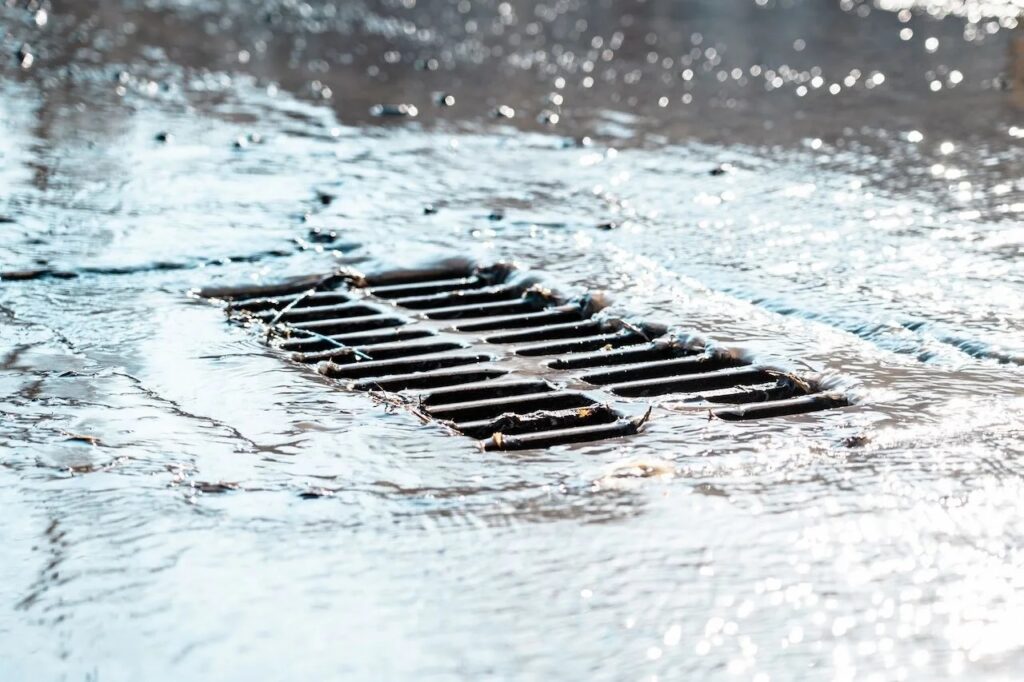
- Standing water after rainfall: If water remains in certain areas of your yard for hours or days, it indicates poor drainage and improper runoff.
- Soil erosion near the home: Washed-out soil or exposed foundation edges suggest water is consistently moving in the wrong direction.
- Cracks in walls or flooring: These can signal shifting caused by uneven moisture levels in the soil beneath the home.
- Persistent musty odors indoors: Moisture trapped in walls or crawl spaces often leads to noticeable odors over time.
- Visible mold or mildew growth: Mold typically appears in areas where moisture is present, especially in basements or lower levels.
These symptoms are strong indicators of poor yard drainage issues that require attention.
Drainage Issues vs. Proper Drainage
| Factor | Poor Drainage | Proper Drainage |
|---|---|---|
| Water flow | Water collects near foundation and seeps inward | Water is directed away from the structure |
| Soil condition | Oversaturated and unstable | Balanced and well-drained |
| Foundation risk | High risk of cracking and movement | Minimal structural stress |
| Mold risk | Increased due to excess moisture | Low due to proper drying |
| Long-term cost | High repair costs over time | Lower maintenance costs |
How to Prevent Drainage Water Damage
Preventing damage is always more cost-effective than repairing it later.
Key solutions:
- Correct yard grading: Ensuring the ground slopes away from the home allows gravity to naturally direct water away from the foundation.
- Extend and maintain downspouts: Downspouts should carry water several feet away from the house to prevent pooling near the base.
- Install drainage systems: French drains, surface drains, or channel drains can effectively redirect water and manage runoff.
- Maintain gutters regularly: Keeping gutters clean ensures water flows properly and doesn’t overflow into unwanted areas.
- Control irrigation practices: Overwatering landscaping near the home can contribute to ongoing moisture problems and should be carefully managed.
These measures help reduce water damage from poor drainage and protect your property long-term.
Why Professional Help Matters
Drainage issues are often more complex than they appear. A surface-level fix may temporarily move water but fail to solve the underlying problem. Proper evaluation ensures water is redirected safely without creating new risks.
PuroClean helps homeowners in North McKinney, TX identify and resolve drainage water damage issues with solutions designed for long-term protection.
FAQs
What causes drainage water damage around a house?
It typically results from poor grading, clogged gutters, or improper drainage systems that allow water to collect near the foundation.
How do I know if my yard drainage is bad?
Standing water, soil erosion, foundation cracks, and musty odors are common signs of drainage problems.
Can poor drainage cause foundation damage?
Yes. Excess moisture increases soil pressure, which can lead to cracks and structural movement over time.
Is drainage water damage preventable?
In most cases, yes. Proper grading, drainage systems, and maintenance significantly reduce the risk.
When should I call a professional?
If you notice recurring water pooling, structural cracks, or indoor moisture issues, it’s best to get an expert assessment.
Protect Your Home from Drainage Water Damage
If you’re seeing signs of drainage water damage, taking action early can save you significant time and cost. PuroClean provides expert support in North McKinney, TX to help identify drainage problems and prevent further damage.
Contact PuroClean today at (945) 234-4566 to schedule an inspection and protect your home from long-term water damage risks.
Key Takeaways
- Poor drainage is a primary cause of drainage water damage
- Water pooling near foundations leads to structural issues over time
- North McKinney homes face higher risk due to soil and weather conditions
- Early warning signs include standing water, odors, and visible cracks
- Preventive solutions like grading and drainage systems are highly effective
- Professional assessment ensures the problem is solved correctly
- Acting early reduces repair costs and protects property value
Read more on our blog:


