 PuroClean of North McKinney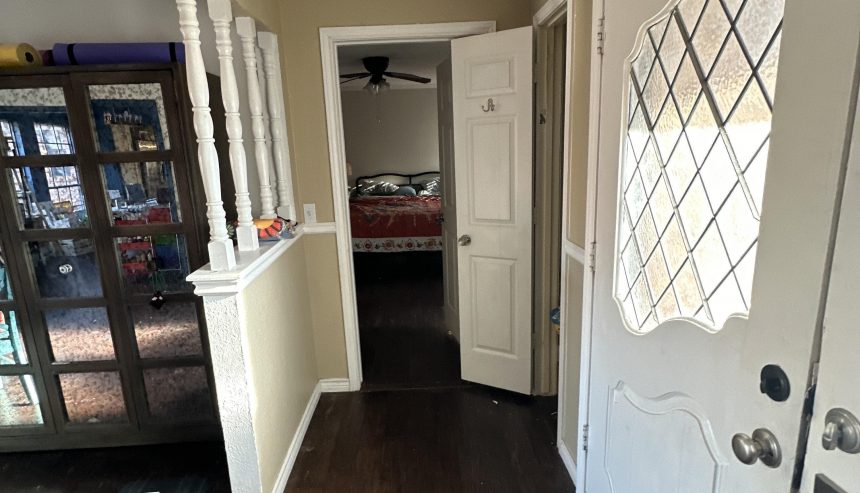
Table of Contents
There’s some truth to the old saying, “Don’t judge a book by its cover.” Although a structure may look dry and unmarred, it could harbor extensive water damage beneath. Many leaks start covertly; the underside could be affected when visible signs of damage are apparent. Don’t hesitate to contact a professional immediately if you notice a leak. The faster you act, the less damaging it will be to your property.
Common Sources of Hidden Water Damage
Some forms of damage are visible—like flooding or burst pipes—but many start quietly. Hidden damage can take weeks to appear and often stems from:
- Leaking water heaters or plumbing joints. Small leaks from worn seals, loose fittings, or corroded pipes can drip slowly over time, soaking insulation and drywall. Because these leaks often occur in utility closets or attics, homeowners may not notice the problem until staining or odors appear.
- Roof or attic leaks after heavy rain. Damaged shingles, flashing gaps, or blocked gutters allow rainwater to seep through the roof deck into attic insulation. Over time, this moisture can lead to ceiling stains, sagging drywall, and even structural rot if not repaired promptly.
- HVAC system condensation buildup. When condensate lines clog or drain pans overflow, water can accumulate inside air-handling units and spread into surrounding areas. Regular HVAC maintenance prevents this subtle but common source of interior moisture.
- Cracks in foundation or basement walls. Even small foundation cracks can allow groundwater to seep into basements, especially during periods of heavy rain. Persistent dampness in lower levels may lead to musty odors, peeling paint, or mold growth along baseboards.
- Slow appliance leaks under dishwashers or washing machines. Flexible hoses and water supply lines can loosen over time. Because these areas are often hidden, small drips can saturate cabinetry, subfloors, and nearby walls long before anyone realizes there’s a problem.
Unchecked, this moisture can lead to mold growth, warping wood, and even electrical hazards.
How Professionals Detect and Assess the Damage
Professional restoration teams use specialized tools to locate moisture you can’t see. These include:
- Moisture meters measure the exact water content inside walls, floors, and trim. By comparing readings across different areas, technicians can tell which materials are saturated and which can be saved.
- Thermal imaging cameras detect subtle temperature differences that signal hidden moisture behind drywall, ceilings, or insulation. This non-invasive method prevents unnecessary demolition.
- Hygrometers monitor humidity and dew point during the drying process, ensuring conditions remain optimal for full recovery and mold prevention.
After detection, technicians create a moisture map of the property, identifying all affected areas to ensure no wet materials are left behind. This approach prevents structural damage and mold issues later.
DIY Cleanup vs. Professional Restoration
| Aspect | DIY Cleanup | Professional Restoration |
|---|---|---|
| Detection | Surface-level only | Full moisture mapping |
| Equipment | Fans, shop vacs | Commercial-grade dehumidifiers |
| Drying Speed | Slower | Controlled, monitored process |
| Mold Prevention | Limited | Antimicrobial application |
| Insurance Support | Self-managed | Documentation provided |
A Two-Story Collin County Case
A few weeks ago, we received a call about drywall damage on the first floor of a two-story Collin County family home. The family realized something was wrong when the wallpaper on the foyer ceiling began peeling.
Determining the Extent of the Damage
When our team arrived on the scene, we traced a leak back up to the attic and determined that the source was the water heater.
The water had traveled down through the second floor’s walls and significantly damaged the first floor’s ceiling and walls. We thought there might be some evidence of water damage on the second floor. However, there were no visible signs. Upon further investigation, we found smaller areas of damage behind the walls on the second floor.

We used a moisture meter during our inspection to determine the extent of the damage.
Method: Repairing the Water-Damaged Drywall
Our experts went straight to work. Initially, we treated this as a water damage remediation case and used state-of-the-art equipment to prevent wet-damaged materials from further deterioration. However, when the drying process took longer than anticipated, we knew this was a more serious issue.
We learned that the water heater had been leaking for a few days before the family contacted us. This information prompted us to change our method. Rather than continuing to dry out the materials, we determined it was safer to remove the saturated drywall in case of contamination. Luckily, we successfully dried out the materials on the second floor, so we didn’t have to remove them there.

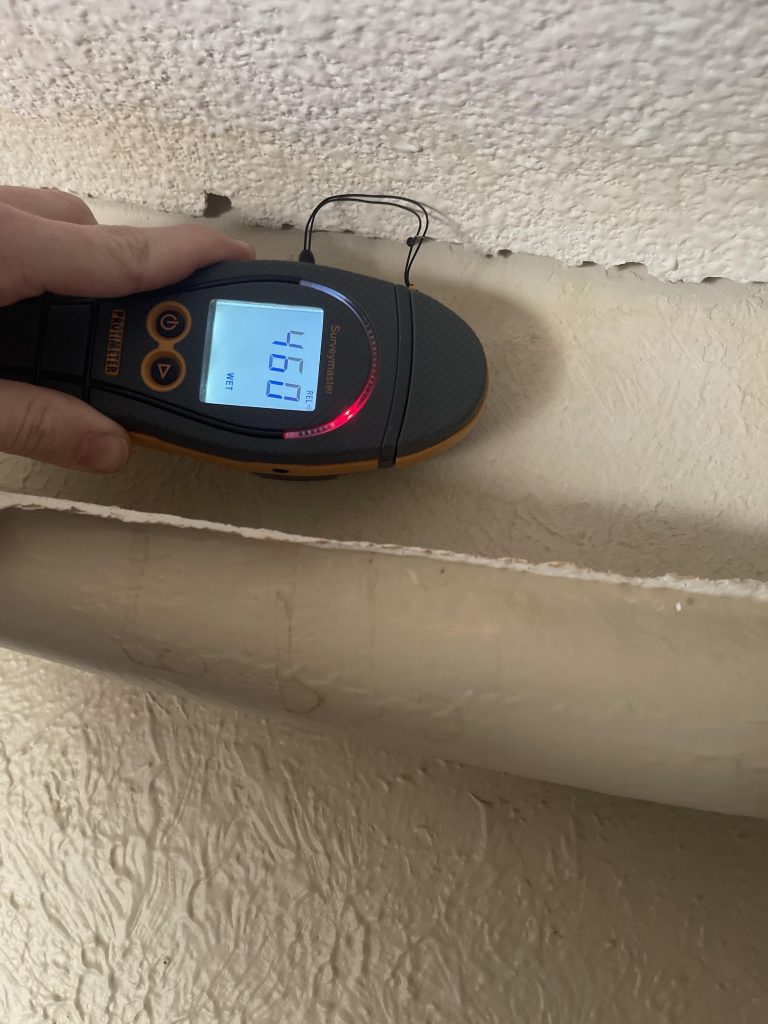
Our findings confirmed that the drywall was still wet despite initial drying efforts.
After removing the drywall, we cleared the area of debris and continued with the drying process. Air movers and dehumidifiers ensured that future mold growth wouldn’t be an issue. There was no evidence of water damage on the floors, which was great news for the family.
Our dedicated technicians were able to have the area ready for drywall repair promptly. The homeowners were pleased with our professionalism and ability to diagnose the issue quickly and efficiently. Terrific job, everyone!

The best course of action was to remove the drywall in case of mold growth.
Preventing Future Water Damage in Your Home
A few proactive steps can help reduce the risk:
- Inspect water heaters annually for rust or leaks. Over time, sediment buildup or corrosion inside the tank can weaken connections and cause small, undetected leaks. Regular inspections and flushing help extend the lifespan of your unit and prevent sudden failures.
- Check roof shingles and gutters before storm season. Loose or damaged shingles and clogged gutters can let rainwater seep into the attic or down exterior walls. Clearing debris and repairing minor roof issues early can save you from major repairs later.
- Install water leak detectors near sinks, laundry areas, and basements. Smart leak sensors can detect moisture the moment it appears and send real-time alerts to your phone, helping you respond quickly before significant damage occurs.
- Clean HVAC condensate lines regularly to avoid overflow. Condensate lines often collect dust and algae, leading to blockages that cause water to back up into your home. A quick annual cleaning or professional inspection keeps your system draining properly.
- Review your home insurance coverage for water-related incidents. Not all policies cover the same types of water events. Make sure you understand your coverage limits and consider adding a rider or flood policy if your area is prone to heavy rainfall or plumbing failures.
Frequently Asked Questions
1. How can I tell if I have hidden water damage?
Look for subtle signs such as musty odors, peeling paint, warped flooring, or higher water bills. Thermal imaging and professional moisture testing can confirm it.
2. How long does water damage restoration take?
Minor cases can dry within 2–3 days, while extensive leaks may take a week or more, depending on material saturation and humidity levels.
3. Can water damage cause mold?
Yes. Mold can begin forming within 24–48 hours in damp environments, which is why immediate drying and dehumidification are vital.
4. Is water damage covered by insurance?
Most policies cover sudden and accidental leaks but not long-term maintenance issues. Document the damage and contact your insurance company promptly.
5. When should I call a professional?
If water has soaked into drywall, flooring, or ceilings—or if you suspect contamination—contact a certified restoration company like PuroClean immediately.
Conclusion: Don’t Ignore Hidden Leaks—Act Fast
Hidden leaks can escalate into serious water damage before you realize it. This Collin County case proves that quick professional action prevents costly repairs and long-term health risks.
If you notice signs of moisture or suspect a hidden leak, don’t wait. Call PuroClean of North McKinney at (945) 234-4566 for expert water damage restoration and mitigation services. Our certified technicians are available 24/7 to restore your home safely and efficiently.
PuroClean of North McKinney — the Paramedics of Property Damage®.
Read also about:


 PuroClean of North McKinney