A professional hoarding cleanup follows a clear order. The team walks through the home to find hazards and builds a plan around the family’s wishes. Then belongings are sorted room by room, debris is removed, and the space is cleaned and disinfected. Sorting takes the most time, because the homeowner or family decides what stays.
Knowing the hoarding cleanup process ahead of time can make the first conversation easier, whether you are helping a parent or settling a relative’s home. PuroClean of North East Austin provides hoarding cleanup as part of its biohazard cleanup services, and this guide walks through each stage.
Key Takeaways
Here is what to know before a cleanup begins:
- A cleanup starts with a walkthrough to find hazards and agree on goals before anything is moved.
- The homeowner or family has the final say on what stays.
- Clutter can hide blocked exits, leaks, mold, pests, and animal waste.
- Areas exposed to biological contamination are disinfected, not just cleaned.
- The timeline depends on the home’s size, the volume of belongings, the hazards found, and how many decisions need to be made.
How the Hoarding Cleanup Process Starts
Before anything is moved, the cleanup team walks through the home with the homeowner or a family contact. The goal is to understand the layout, spot safety hazards, decide where work should start, and agree on what a finished cleanup looks like.
The walkthrough usually covers:
- Safe paths into each room and whether any exits are blocked
- Hazards such as animal waste, spoiled food, pests, mold, or early signs of hidden water damage
- Which rooms need to be usable first, such as the kitchen or a bathroom
- Who makes decisions about belongings and how involved they want to be
This is also the time to set ground rules. You can ask the team to watch for photos, legal documents, keys, medications, jewelry, and cash. Agreeing on this early helps protect things that cannot be replaced.
How Belongings Are Sorted and Kept
Sorting is usually the longest part of a hoarding cleanup. Items are grouped into categories agreed on during the walkthrough, and anything uncertain goes back to the homeowner or family.
A cleanup often uses categories like these:
| Category | What usually goes here |
|---|---|
| Keep | Items the homeowner chooses to keep |
| Set aside for review | Documents, photos, and items of possible value or meaning |
| Donate or recycle | Usable items the family agrees to part with |
| Discard | Trash, spoiled food, and items too damaged or contaminated to keep |
Contaminated belongings need a careful conversation. Soft, absorbent items like mattresses, upholstered furniture, and carpet may not be safe to keep once they are contaminated, and a technician can explain why. No one can promise every item will be saved, but a decision to discard something should never come as a surprise.
Common Hazards Found During Hoarding Cleanup
Clutter can hide problems that build up slowly over months or years. Cleanup teams look for hazards like these:
- Blocked exits and unstable piles: Narrow paths and tall stacks raise the risk of falls and can slow an exit in an emergency.
- Fire risk: Paper, fabric, and boxes near heaters, stoves, or outlets add fuel close to heat sources.
- Structural strain: The weight of stored items can put stress on floors and other parts of the structure.
- Leaks and mold: A slow leak behind boxes can go unnoticed, and damp, covered materials can support mold growth.
- Pests and animal waste: Droppings, urine, and nesting material are handled as biohazards.
- Sharps and spoiled food: Needles, broken glass, old food, and expired medications need careful disposal.
- Sewage: Backed-up toilets or drains call for professional sewage cleanup, not a DIY fix.
If you need to clear a path before help arrives, stay away from outlets, cords, and the electrical panel, and do not handle wiring yourself. If you see sparking or smell burning, leave and call 911. If you smell gas, leave and call 911 or the gas utility from outside.
Some people need extra caution around a cleanup. If someone has a respiratory condition or is pregnant, ask their doctor before they spend time near the work area. For pets, ask a veterinarian.
How the Space Is Cleaned and Disinfected
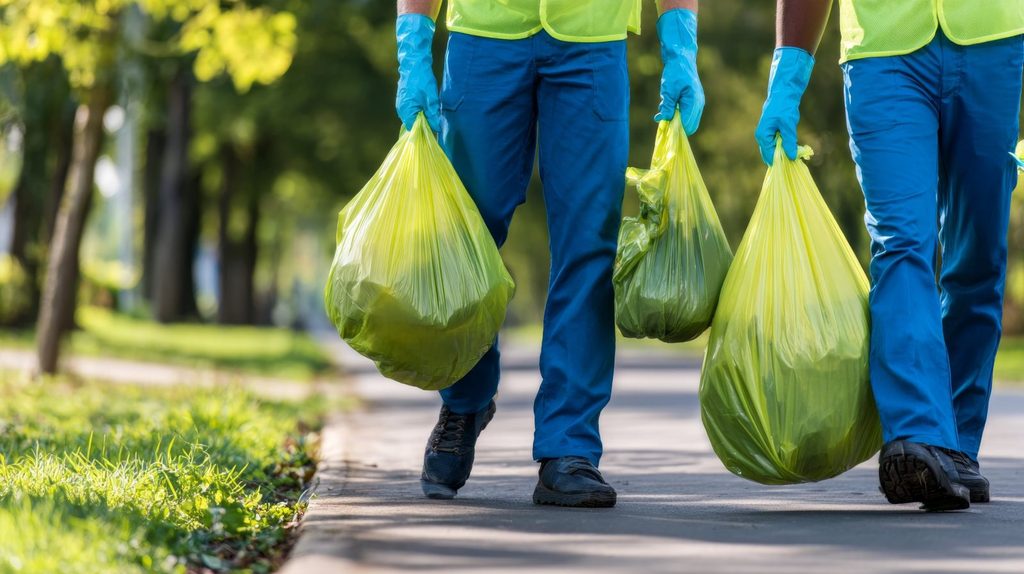
Once belongings are sorted and debris is removed, technicians clean the floors, walls, and fixtures that were underneath. Areas exposed to animal waste, bodily fluids, sewage, or spoiled food are disinfected and deodorized.
The difference matters. Sanitizing reduces bacteria on surfaces, while disinfecting kills bacteria and viruses, which is why biohazard cleanup calls for disinfection. Technicians wear personal protective equipment (PPE) suited to the conditions, such as gloves, eye protection, and respiratory protection.
Sewage needs its own care. The Institute of Inspection Cleaning and Restoration Certification (IICRC) publishes the S500 Standard for Professional Water Damage Restoration. Under that standard, sewage is Category 3 water, the most contaminated category. Porous materials it soaks into, such as carpet pad or drywall, may need to be removed.
How Long a Hoarding Cleanup Usually Takes
There is no standard timeline. A single room and a whole home are very different jobs, so an estimate should come after the walkthrough, not before it.
These factors have the biggest effect on the timeline:
| Factor | How it affects the timeline |
|---|---|
| Size of the home and rooms affected | More rooms mean more sorting and removal |
| Volume of belongings | Deeper layers take longer to sort safely |
| Hazards found | Biohazards add protective steps and disinfection |
| Family involvement | Sorting together is slower but keeps the family in control |
| Damage uncovered | Leaks, mold, or repairs add drying and remediation time |
Hidden damage is the hardest factor to predict. If cleared areas show water damage inside walls, drying or repairs may need to happen before the room is back in use.
Hoarding Cleanup Help From PuroClean of North East Austin
Blocked exits, animal waste, sewage, or more belongings than a family can safely sort are all signs it is time for a professional team. PuroClean of North East Austin takes a respectful, customized approach to each hoarding cleanup and works discreetly. Its technicians are trained to handle hazards like animal waste and spoiled food and to disinfect and deodorize affected areas.
Learn more about hoarding cleanup in North East Austin or call (512) 333-0077 to talk through your situation.
FAQs
These answers cover a few more questions families ask before a cleanup starts.
Do I Need to Be Home During a Hoarding Cleanup?
Not always. Many families stay for sorting so they can make decisions in real time. Others agree on sorting rules and a list of items to set aside, then check in at set points.
Does Homeowners Insurance Cover Hoarding Cleanup?
It depends on your policy and on what caused the damage. Ask your insurance company how your policy applies before work begins, and keep photos and notes of the conditions you find.
What Happens If the Cleanup Uncovers a Leak?
Stop the water at its source first. If a pipe or supply line is leaking, follow these emergency steps after a pipe leak and call a licensed plumber for the repair.
Can Mold Grow Under Piled Belongings?
Yes, if moisture is present. Items stacked against walls or floors can trap dampness and block airflow. Watch for the same signs of hidden mold that show up after a humid season: musty odors, staining, and discolored drywall.
How Is Hoarding Cleanup Different From a Deep Clean?
A deep clean removes dirt and grime from surfaces. Hoarding cleanup adds sorting, debris removal, hazard handling, and disinfection of contaminated areas, using PPE and methods designed for biohazards.