24/7 Emergency Mold Post-Remediation Verification Services in North East Austin, TX
Removing contaminated materials is not necessarily the final step of a mold remediation project. Before reconstruction begins, the treated area should be evaluated to determine whether the moisture source was corrected, the remediation scope was completed, and visible mold, dust, and debris were properly removed. PuroClean supports mold post-remediation verification in North East Austin, TX, by preparing the work area for evaluation, documenting the remediation process, and coordinating with qualified assessors when independent verification is required.
This final review provides property owners, managers, and other stakeholders with clearer information about the condition of the remediated space before walls are closed, finishes are installed, or occupants return.
Mold post-remediation verification, often abbreviated as PRV, is an evaluation conducted after mold remediation has been completed but before containment is removed or reconstruction begins.
The purpose is not to guarantee that no mold spores exist anywhere in the building. Mold spores occur naturally indoors and outdoors. Instead, the evaluation determines whether the specific remediation area meets the clearance criteria established in the remediation plan or assessment protocol.
The ANSI/IICRC S520 Standard for Professional Mold Remediation provides an industry framework for planning, performing, and evaluating mold remediation work. Depending on the project, the applicable criteria may include the absence of visible mold growth, removal of contaminated materials, acceptable cleanliness, correction of moisture conditions, and completion of the specified remediation procedures.
The exact scope depends on the size of the affected area, the original remediation plan, building use, and any requirements established by an assessor, insurer, property manager, or other stakeholder.
A post-remediation evaluation may include:
Sampling is not automatically necessary for every mold project. The CDC’s National Institute for Occupational Safety and Health notes that visual inspections and the identification of dampness or musty odors can often provide more useful information than routine air sampling. Testing may still be included when it is required by an assessor, contract, regulation, or project-specific clearance plan.
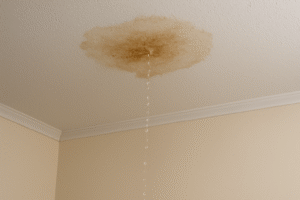
A remediated area may appear clean while still containing elevated moisture. If a plumbing leak, roof problem, HVAC condensate issue, or humidity condition remains unresolved, mold growth may return after reconstruction.
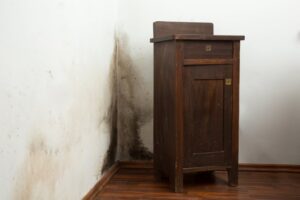
The U.S. Environmental Protection Agency explains that remediation cannot be considered complete until the water or moisture problem has been corrected. The EPA also recommends examining the treated area for visible mold, mold-related odors, and continuing signs of water damage.
Moisture meters, thermal imaging, and relative humidity readings may be used to evaluate conditions. Thermal cameras identify temperature patterns rather than mold itself, so findings should be confirmed with direct moisture measurements and a physical inspection.
The evaluation should normally occur after contaminated materials have been removed, the affected surfaces have been cleaned, and the area has reached the required drying conditions. It should take place before new drywall, insulation, flooring, or finishes conceal the remediated surfaces.
Verification may be particularly valuable when:
When third-party clearance is required, the inspection should be performed by an appropriately qualified and independent mold assessor rather than the company responsible for the remediation. PuroClean can provide project records and coordinate access to support that evaluation.
North East Austin properties are exposed to warm temperatures, humid periods, severe thunderstorms, and occasional plumbing or HVAC drainage failures. Moisture may become trapped behind walls, beneath flooring, or around air-conditioning systems, particularly when water intrusion is not discovered immediately.
The area also contains a mixture of established homes, newer developments, apartment communities, offices, schools, and commercial buildings along corridors such as I-35, US-290, and SH-130. Different construction materials and mechanical systems can affect how moisture travels and how remediation results should be evaluated.
A documented final review helps confirm that the specific moisture and mold conditions identified in the remediation plan have been addressed before repairs proceed.
Throughout the remediation project, PuroClean may maintain photographs, moisture readings, equipment records, material removal notes, and cleaning documentation. These records provide useful context for an independent assessor, insurance representative, property manager, or contractor.
When additional cleaning or drying is needed, our team can address the identified conditions and prepare the area for another evaluation.
Do not begin reconstruction until the remediated area has been properly evaluated according to the project requirements. Closing walls or installing finishes too early may conceal residual moisture or incomplete cleaning.
Contact PuroClean of North East Austin at (512) 333-0077 for assistance with mold post-remediation verification and remediation documentation. Our team will help prepare the affected area for final evaluation and coordinate the next steps required to move your property toward reconstruction and normal use.
What Our Customers Say:
Find answers to common questions about our services
Mold returning after DIY remediation is likely if the underlying moisture problem is not. Professional remediation includes moisture control measures and post-remediation verification to reduce this risk significantly.
A small, contained project may take only a few days, while large-scale contamination can take weeks. The timeline depends on the extent of damage, materials affected, and whether reconstruction is required.
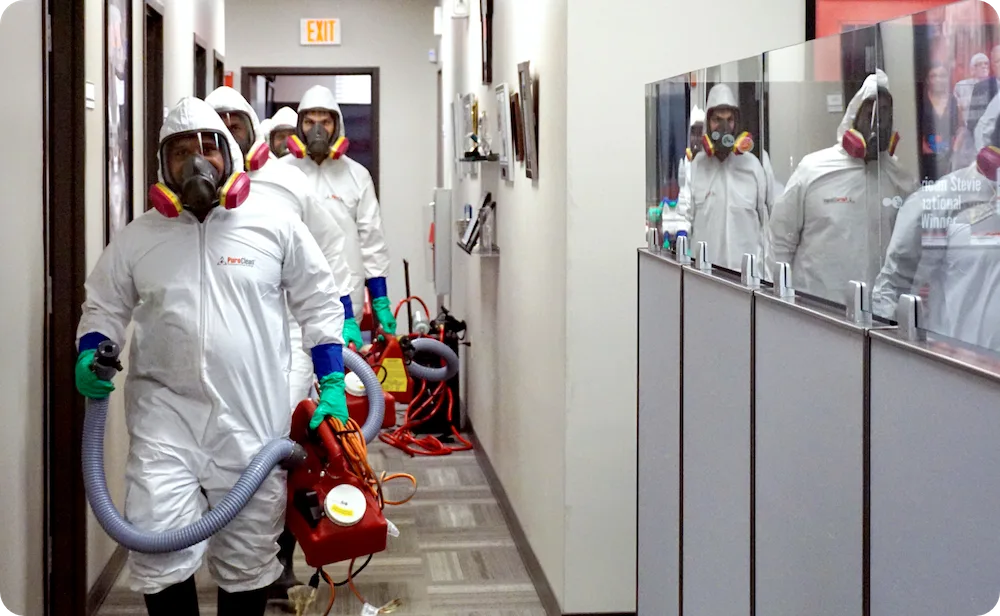
Mold remediation may require partial relocation or temporary closure of affected areas. Containment zones and HEPA air scrubbers minimize disruption, and many properties remain partially usable during the process
Professional technicians at PuroClean of North East Austin use tools such as moisture meters, infrared cameras, and air sampling to detect moisture where mold colonies may be found. Identifying hidden mold is critical, as untreated areas can continue to spread contamination.
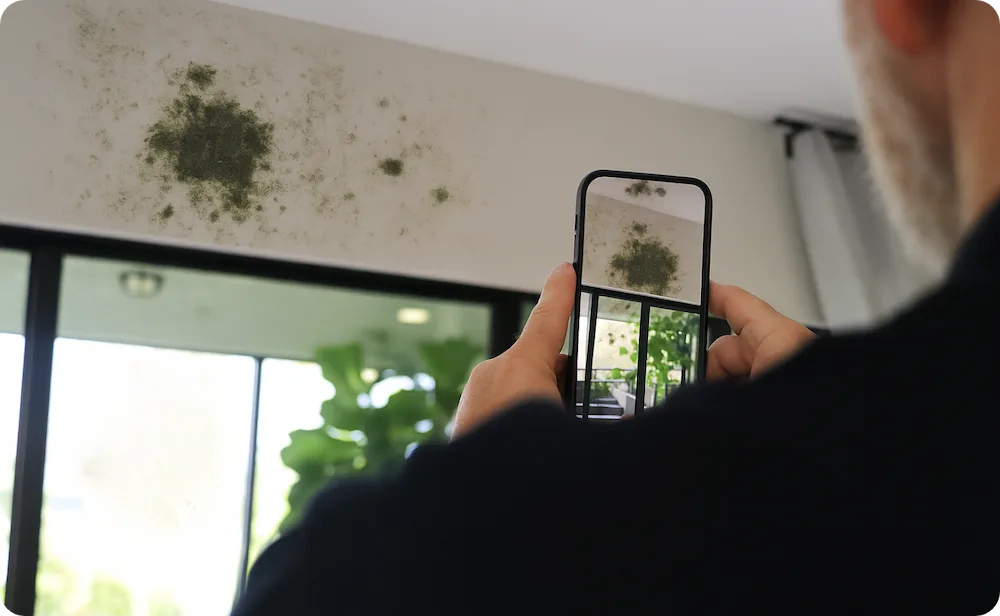
Early indicators include musty odors, visible patches of discoloration on walls or ceilings, and unexplained allergy-like symptoms among occupants. Mold may also hide behind wallpaper, under flooring, or inside HVAC systems
Water damage can result from unexpected leaks, flooding from storms, plumbing failures, or appliance malfunctions. Our certified teams focus on rapid water removal, drying, and stabilization to help prevent further damage and mold growth.
 Explore Our Water Damage Mitigation Services
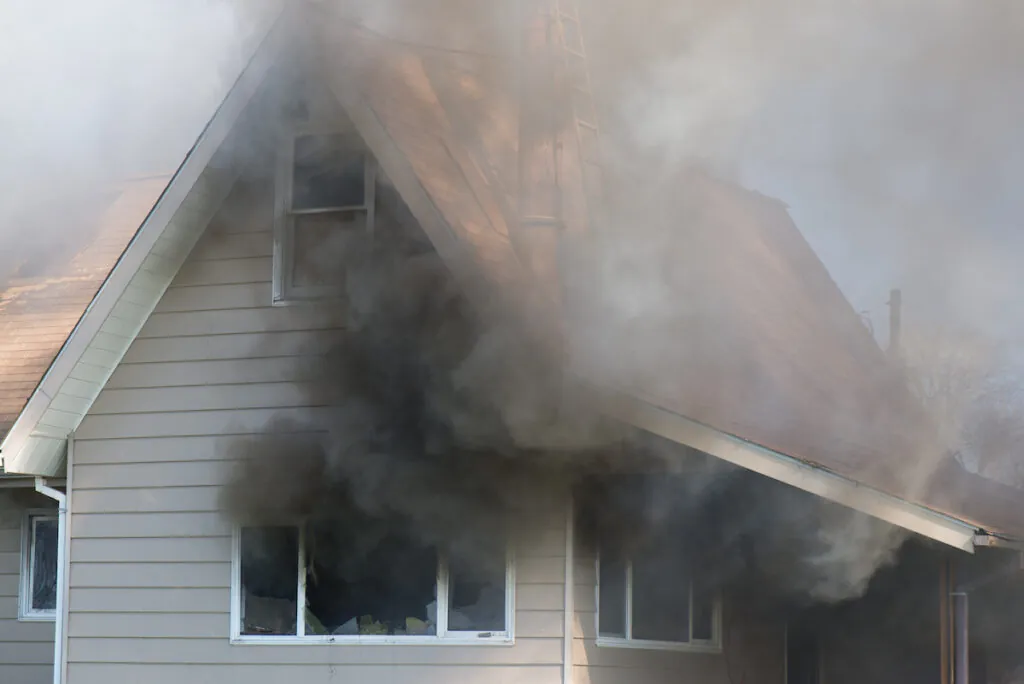
Even after a fire is extinguished, smoke, soot, and odor can continue to affect your home. Fire damage restoration services address visible damage while also helping reduce lingering effects that impact indoor air quality and surfaces.
Explore Our Fire and Smoke Damage Restoration Services
Mold often develops as a result of unresolved moisture or hidden water damage. Professional mold remediation helps identify affected areas, contain growth, and restore healthy indoor conditions.
Explore Our Mold Removal and Remediation Services
Biohazard situations, including crime scene cleanup and virus decontamination, require specialized cleaning and handling to protect health and safety. Biohazard cleanup services address contamination using proper protocols and professional care.
Explore Our Biohazard Cleanup Services
PuroClean provides 24/7 commercial property damage restoration services for businesses and facilities across the United States.
Explore Our Commercial Services
Water damage can result from unexpected leaks, flooding from storms, plumbing failures, or appliance malfunctions. Our certified teams focus on rapid water removal, drying, and stabilization to help prevent further damage and mold growth.
Explore Our Water Damage Mitigation Services

PuroClean of North East Austin
(512) 333-0077
9705 Burnet Road, Austin, TX 78758
© 2026 PuroClean. All Rights Reserved.