 PuroClean of Northeast Sacramento
 Commercial Property Restoration Guide for Emergencies
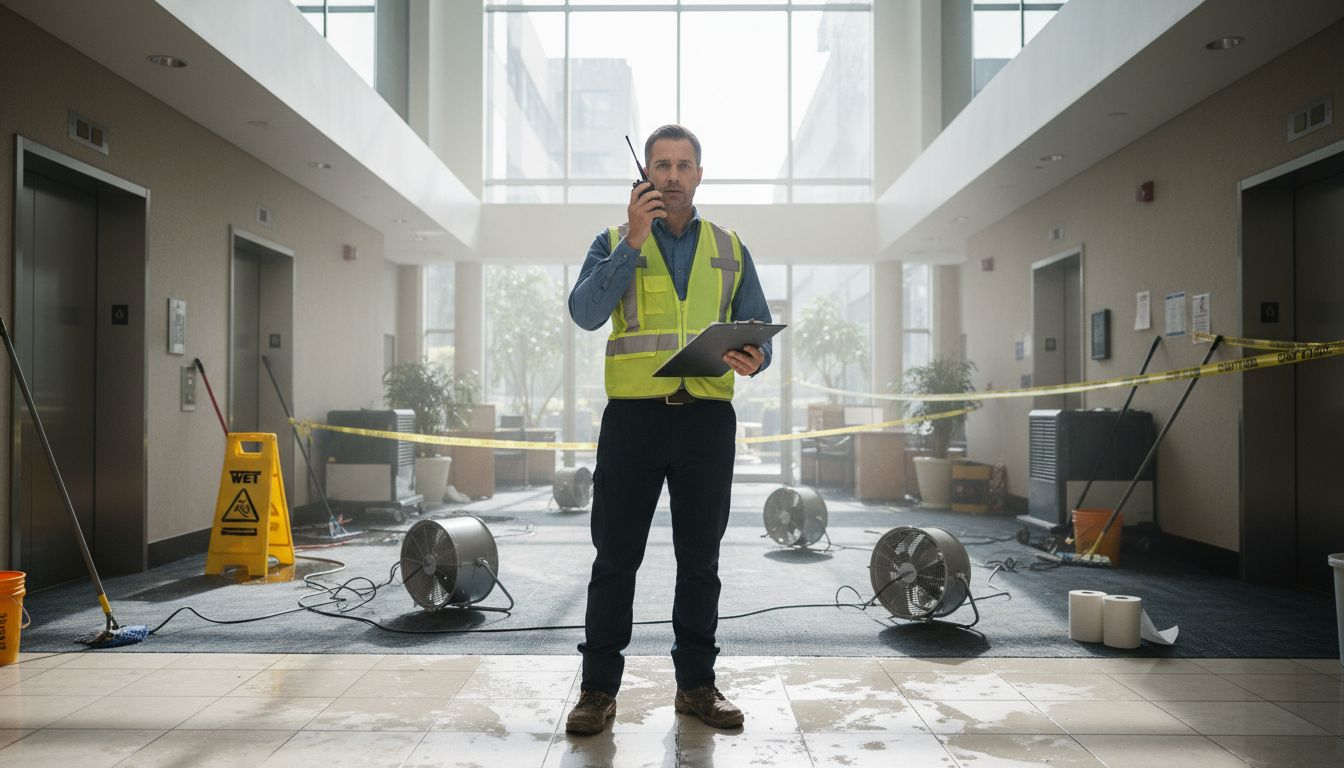
Most American commercial property managers face unexpected disruption when water or fire damage strikes, and over 60 percent report uncertainty around initial safety procedures. Rapid, informed action can save lives and protect assets in Northeast Sacramento’s busy commercial districts. This guide breaks down critical assessment steps, emergency response best practices, and insurance claim documentation, helping you regain control and restore your property with confidence.
Table of Contents
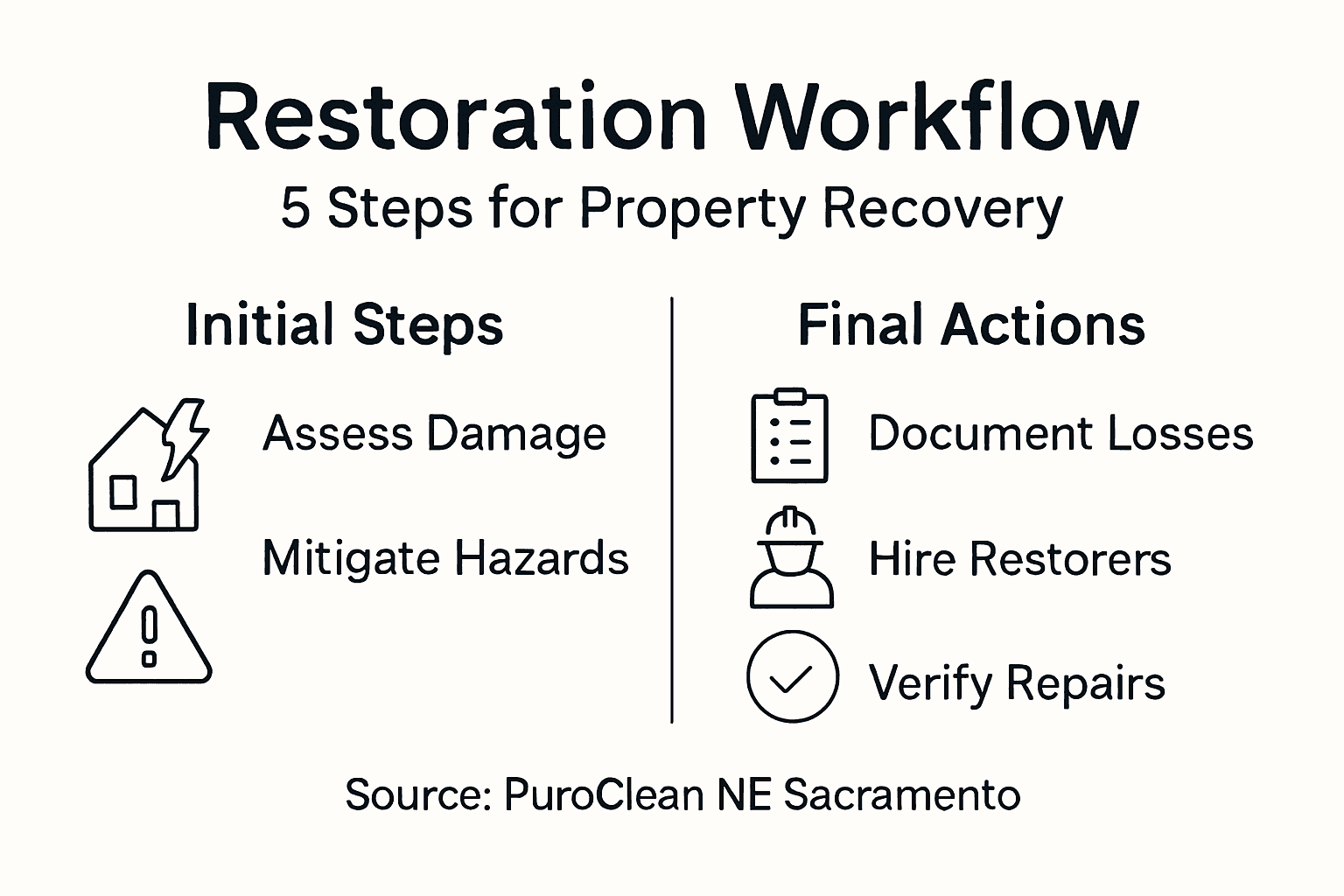
- Step 1: Assess Property Damage And Safety Hazards
- Step 2: Initiate Emergency Response And Mitigation
- Step 3: Document Losses For Insurance Claims
- Step 4: Coordinate Professional Restoration Services
- Step 5: Verify Completed Repairs And Reopen Safely
Quick Summary
| Key Point | Explanation |
|---|---|
| 1. Conduct a thorough safety assessment | Assess structural integrity, electrical hazards, and water damage to ensure safety before proceeding. |
| 2. Activate emergency response protocols | Quickly assemble your team and document damage for effective mitigation and insurance claims. |
| 3. Document all damages meticulously | Keep a detailed inventory and photographs of damages to support insurance claims with thorough evidence. |
| 4. Work with certified restoration experts | Choose qualified professionals for restoration to ensure compliance with safety and building codes. |
| 5. Verify repairs with comprehensive inspections | Inspect completed work and obtain documentation to confirm that all repairs meet safety standards before reopening. |
Step 1: Assess Property Damage and Safety Hazards
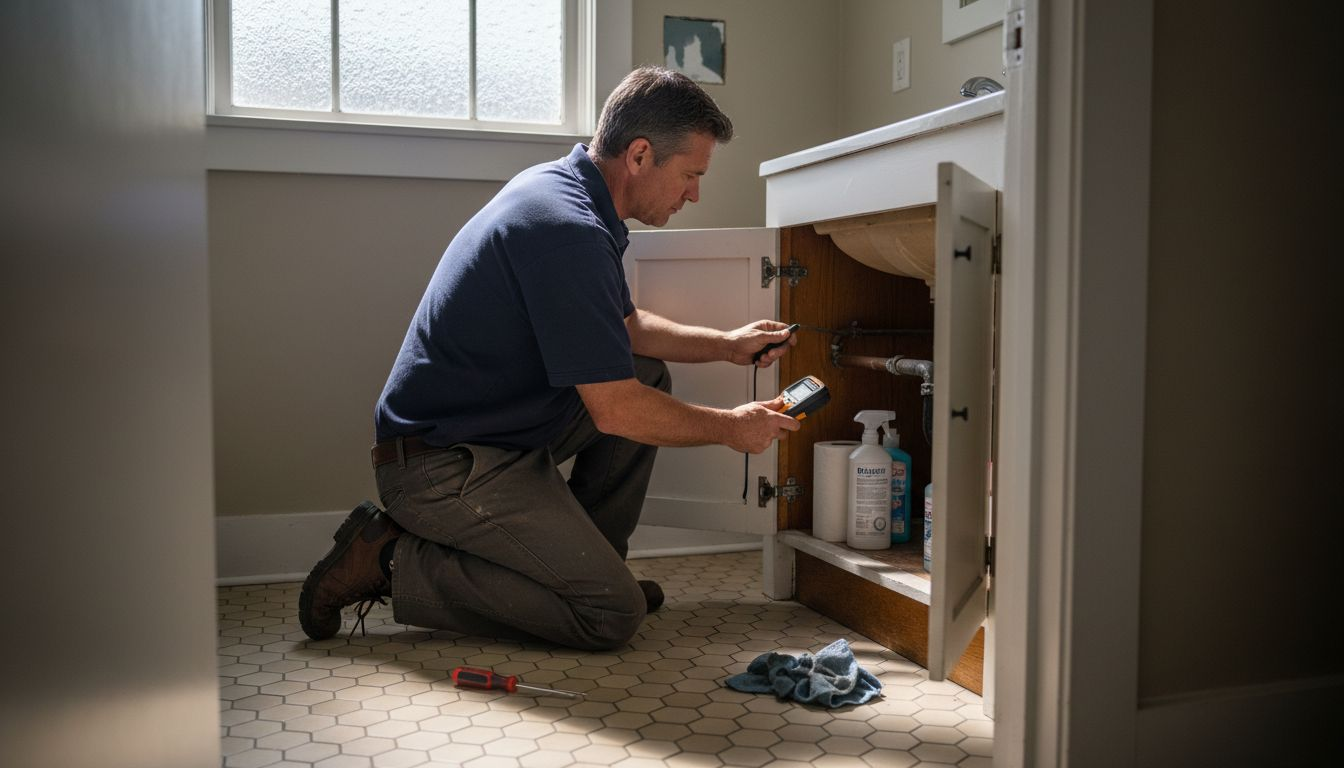
When commercial property damage occurs, your first priority is conducting a comprehensive safety assessment. Damage assessment methodologies provide critical frameworks for understanding the extent and risks present in your property.
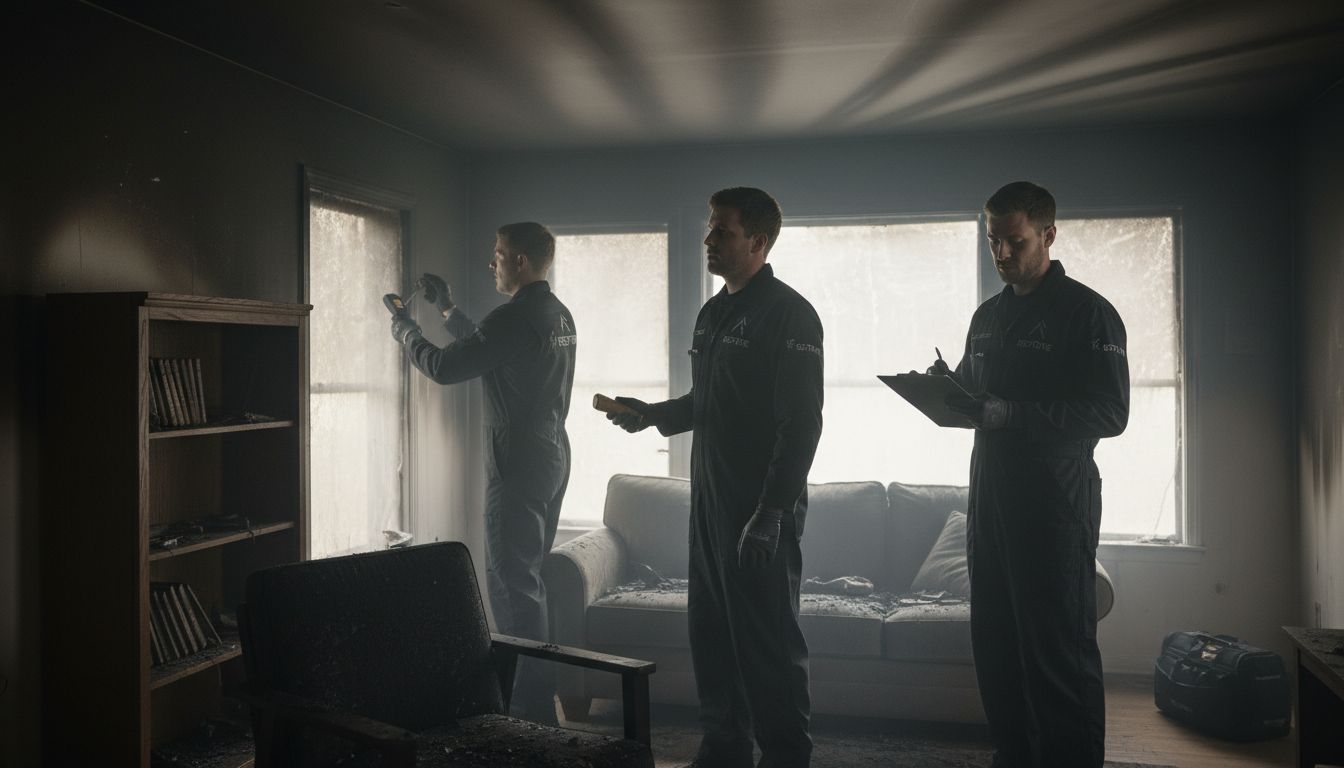
Start by carefully examining the property for immediate safety threats. This involves checking structural integrity, electrical systems, potential water contamination, and environmental hazards. Look for signs of compromised walls, floors, ceilings, exposed electrical wiring, water damage indicators, and potential mold growth. Disaster restoration experts recommend wearing protective equipment during initial inspections to minimize personal health risks.
Here’s a summary of key safety hazards to assess after commercial property damage:
| Hazard Type | Common Indicators | Potential Risks |
|---|---|---|
| Structural Integrity | Cracks in walls or ceilings | Collapse, injury hazard |
| Electrical Systems | Exposed wires, power loss | Fire, electrocution |
| Water Damage | Stains, warped materials | Mold, infrastructure weakness |
| Environmental Hazards | Unusual odors, discoloration | Airborne toxins, contamination |
Document everything meticulously through photographs and written notes. Record specific damage locations, potential safety risks, and the condition of critical infrastructure. This documentation will be crucial for insurance claims, restoration planning, and establishing a clear recovery strategy.
Insider Tip: Always prioritize personal safety and consider hiring professional restoration experts for complex or extensive damage assessments.
Step 2: Initiate Emergency Response and Mitigation
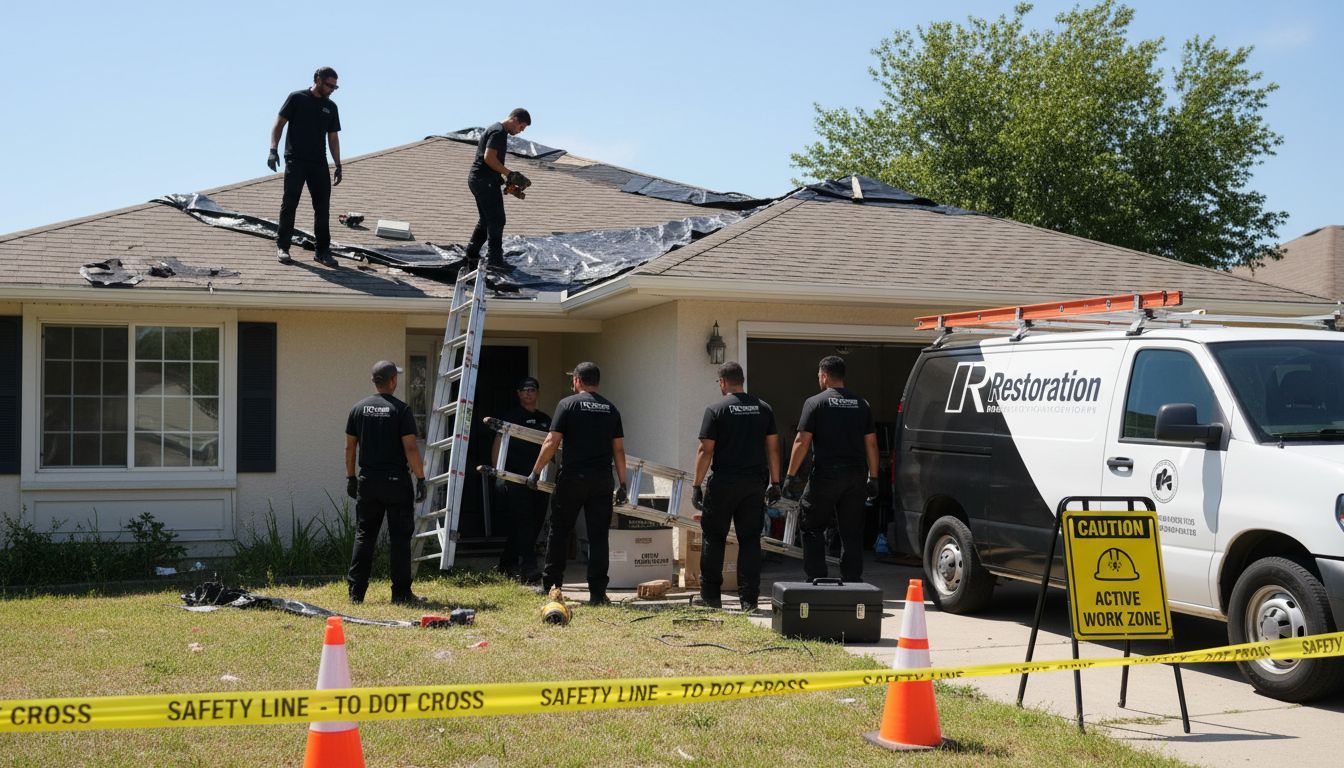
When commercial property damage strikes, swift and strategic action becomes critical. Emergency response systems require immediate activation to minimize potential losses and protect your property’s critical infrastructure.
Begin by assembling your emergency response team and establishing clear communication protocols. This involves identifying key personnel responsible for different aspects of damage control such as safety coordination, equipment protection, and initial mitigation efforts. Proactive mitigation strategies emphasize rapid resource deployment and systematic risk management. Contact your insurance provider, document all visible damage, and secure the property to prevent further deterioration.
Prioritize immediate safety measures like shutting off electrical systems if water damage is present, preventing potential electrical hazards, and containing any hazardous materials. Create a comprehensive inventory of damaged assets and begin preliminary protective actions to stabilize the property and minimize secondary damage.
Insider Tip: Maintain a digital backup of your emergency response plan and key contact information to ensure accessibility during high stress situations.
Step 3: Document Losses for Insurance Claims
Navigating property damage insurance claims requires meticulous and strategic documentation. Casualty loss documentation demands a comprehensive approach to capturing the full extent of property damage for successful claim resolution.
Begin by creating a detailed inventory of all damaged assets. Photograph every affected area from multiple angles, capturing both wide shots and close ups that highlight specific damage. Collect and organize all relevant receipts, repair estimates, and proof of property value. Insurance claim documentation involves preparing a comprehensive packet that includes before and after property valuations, itemized lists of damaged equipment, and estimated replacement or repair costs.
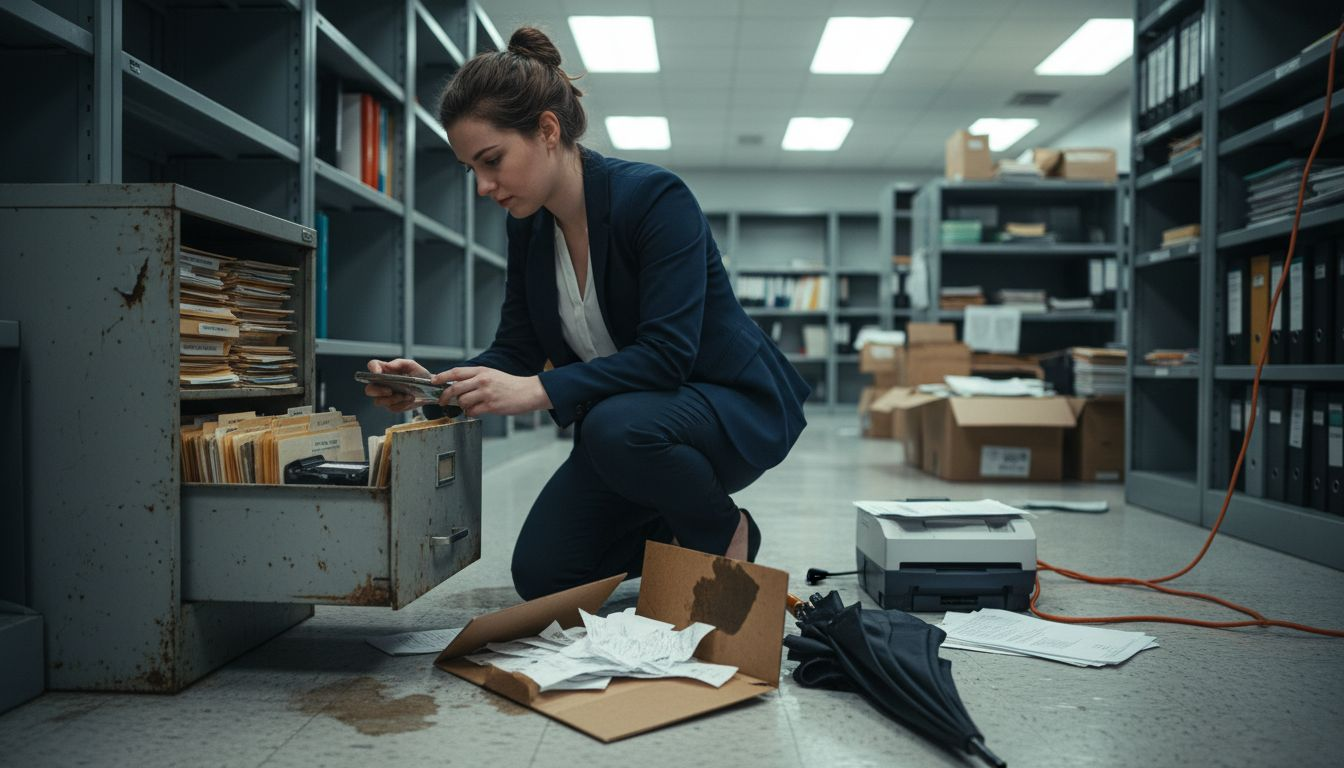
Ensure you maintain digital and physical copies of all documentation. Work closely with your insurance adjuster and professional restoration team to validate each aspect of your claim. Provide clear, chronological evidence that demonstrates the full scope of damage and the necessary restoration efforts required to return your commercial property to its pre damage condition.
Insider Tip: Create a dedicated digital folder with subfolders for photos, receipts, estimates, and correspondence to keep your insurance claim documentation organized and easily accessible.
Step 4: Coordinate Professional Restoration Services
Restoring your commercial property after significant damage requires strategic coordination with experienced restoration professionals. Restoration industry professionals follow comprehensive protocols to ensure efficient and effective recovery of damaged properties.
Start by researching certified restoration specialists with proven expertise in handling commercial property emergencies. Contact multiple companies to compare their credentials, response times, and specialized services. Request detailed assessments and comprehensive restoration plans that address your specific damage scenarios. Restoration service coordination involves verifying professional certifications, understanding their approach to different types of property damage, and ensuring they can handle the full scope of your restoration needs.
Ensure clear communication channels with your chosen restoration team. Request a detailed project timeline, cost estimates, and a step-by-step breakdown of their restoration strategy. Confirm their insurance documentation processes and how they will collaborate with your insurance provider to streamline the claims and restoration process.
This table highlights comparisons between restoration service providers to help you choose the right expert:
| Criteria | Provider A | Provider B |
|---|---|---|
| Response Time | 1 hour average | 3 hours average |
| Certifications Held | IICRC, OSHA | EPA, local certification |
| Service Specialties | Fire and water restoration | Mold remediation |
| Insurance Collaboration | Handles claims directly | Assists, but client-led |
Insider Tip: Request references and verify the restoration company’s track record by checking online reviews and consulting with local property management associations.
Step 5: Verify Completed Repairs and Reopen Safely
The final stage of commercial property restoration requires meticulous verification to ensure your space is completely safe and fully restored. Post remediation verification represents a critical process that confirms all restoration work meets professional safety standards.
Conduct a comprehensive walkthrough with your restoration professionals, systematically examining every repaired area. Inspect structural elements, electrical systems, plumbing, and surfaces for quality and compliance. Request detailed documentation demonstrating that repairs meet building code requirements including structural integrity, fire protection standards, and safety regulations. This should include professional testing reports for air quality, moisture levels, and potential contaminant presence.
Work with your restoration team to obtain official certification that the property is safe for reoccupation. Review all repair documentation, verify insurance compliance, and ensure all necessary permits have been secured. Schedule a final inspection with local building authorities if required to officially confirm the property meets all safety and restoration standards.
Insider Tip: Request a comprehensive repair and safety report with photographic evidence to maintain for your records and potential future insurance documentation.
Protect Your Commercial Property with Trusted Restoration Experts
When facing emergency commercial property damage, the challenges are overwhelming. From assessing hidden safety hazards to coordinating efficient restoration, the process demands expert attention and swift action. Key pain points like structural risks, water and fire damage, mold growth, and the complexities of insurance claims require a reliable partner who understands the urgency and nuances involved.
At PuroClean of Northeast Sacramento, we specialize in comprehensive emergency response and commercial property restoration services tailored to your immediate needs. Our certified team uses advanced technology to quickly assess damage, mitigate risks, and restore your property safely while assisting with insurance documentation every step of the way. Experience peace of mind knowing that all aspects from water damage to biohazard cleanup are handled professionally with compassion and precision.
Take control in your property emergency with proven experts ready 24/7. Learn more about our commercial restoration solutions and explore how we can help you recover faster.
Contact PuroClean of Northeast Sacramento now for rapid response and trusted expertise. Don’t wait until damage worsens. Secure your property’s future and begin your restoration journey today.
Frequently Asked Questions
What should I do first after commercial property damage?
Start by conducting a thorough safety assessment of the property. Check for immediate safety hazards, such as compromised structural integrity and electrical risks, and document any damage for your records.
How can I document losses effectively for insurance claims?
Create a detailed inventory of all damaged assets, taking photographs from multiple angles to clearly show the extent of the damage. Organize receipts and repair estimates to submit a comprehensive insurance claim packet.
When should I hire professional restoration services?
Engage professional restoration specialists as soon as possible after assessing the damage. Look for certified professionals who can handle the specific types of damage you are facing, ensuring a swift and effective restoration process.
How do I verify completed repairs before reopening my property?
Conduct a thorough walkthrough with your restoration team to inspect all repaired areas systematically. Ensure that all repairs comply with safety standards and obtain official documentation certifying that the property is safe for reoccupation.
What safety hazards should I assess after commercial property damage?
Focus on identifying hazards such as structural integrity issues, electrical hazards, water damage, and environmental risks like mold growth. Document indicators of each hazard to guide your mitigation efforts and insurance claims.
Recommended
Efficient Commercial Property Restoration for Your Business
Property Restoration – Disaster Recovery – PuroClean Emergency Property Recovery
Emergency Property Recovery | Eco Friendly Approaches – PuroClean Emergency Property Recovery
 PuroClean of Northeast Sacramento