 PuroClean of Northeast Sacramento
 Fire Damage Assessment: Key Steps for Recovery
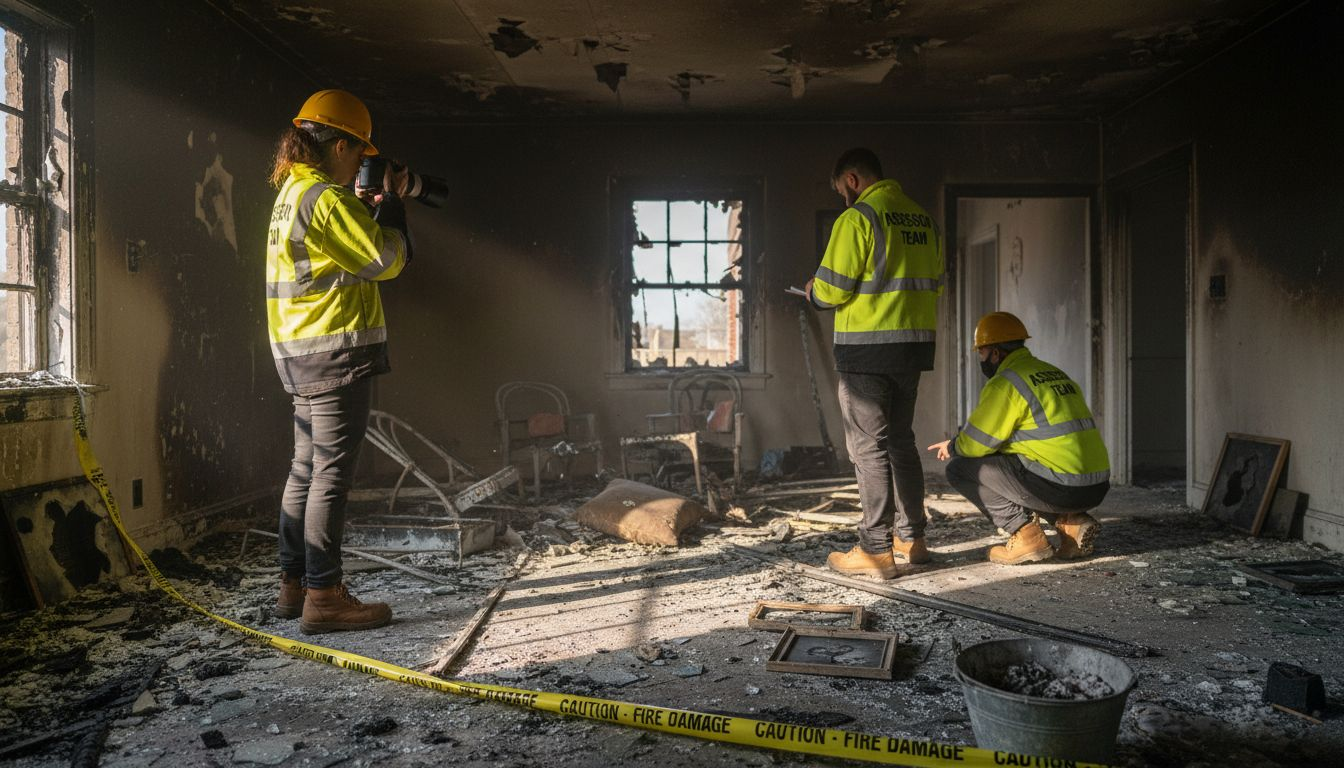
Nearly one in five American properties faces fire damage risks each year, making rapid assessment crucial for homeowners and businesses in Northeast Sacramento. The aftermath of a fire brings urgent questions about safety, insurance, and restoration costs. Understanding the fire damage assessment process gives you a clear path to recovery, accurate insurance claims, and peace of mind after unexpected destruction.
Table of Contents
- What Is Fire Damage Assessment?
- Types of Damage Evaluated After Fires
- Step-by-Step Fire Damage Inspection Process
- Safety Risks and Legal Compliance Issues
- Insurance, Costs, and Documentation Needs
Key Takeaways
| Point | Details |
|---|---|
| Importance of Fire Damage Assessment | A systematic assessment is essential for understanding the extent of damage and formulating a recovery plan post-fire incident. |
| Types of Damage Evaluated | Fire damage includes structural, thermal, smoke, water, and electrical system damage, all of which require professional evaluation. |
| Documentation for Insurance Claims | Comprehensive photographic evidence and detailed assessments are crucial for successful insurance claims and recovery. |
| Safety and Compliance Considerations | Fire damage assessors must adhere to safety regulations and document conditions to ensure both immediate safety and long-term legal protections. |
What Is Fire Damage Assessment?
Fire damage assessment is a critical systematic process designed to comprehensively evaluate the extent, severity, and potential restoration requirements after a fire incident. This professional evaluation provides property owners with a detailed understanding of physical destruction, potential safety hazards, and the strategic roadmap for recovery.
According to FEMA’s Damage Assessment Operations Manual, the assessment involves a structured approach to documenting structural damage, identifying safety risks, and determining the most effective restoration strategies. Professionals conducting these assessments examine multiple dimensions of fire impact, including:
- Structural integrity of walls, floors, and supporting frameworks
- Smoke and soot contamination levels
- Water damage from firefighting efforts
- Electrical system compromises
- Potential hidden damage within walls and ceilings
The primary goal of fire damage assessment is not just to catalog destruction, but to create a comprehensive recovery blueprint that guides insurance claims, restoration efforts, and eventual property rehabilitation. UNNATI’s damage assessment toolkit emphasizes the importance of a multi-sectoral approach that considers not just physical damage, but potential long-term impacts on property functionality and occupant safety.
Pro Tip: Always request a written, detailed fire damage assessment report that includes photographic evidence and specific recommendations for restoration to support your insurance claim and recovery process.
Types of Damage Evaluated After Fires
Fire damage assessments encompass multiple complex layers of destruction that extend far beyond visible surface damage. National Fire Protection Association research reveals that fire incidents result in intricate patterns of damage across structural, environmental, and functional domains, requiring comprehensive professional evaluation.
The primary categories of fire damage typically include:
- Structural Damage: Compromises to building frameworks, including weakened walls, compromised foundations, and load-bearing element deterioration
- Thermal Damage: Direct heat-related destruction affecting materials, causing warping, melting, and structural deformation
- Smoke Damage: Pervasive contamination through soot, residue, and toxic particulate deposits that infiltrate porous surfaces
- Water Damage: Secondary destruction resulting from firefighting efforts, causing potential mold growth and material degradation
- Electrical System Damage: Potential short circuits, wire degradation, and compromised electrical infrastructure
USGS wildfire destruction data highlights that damage complexity varies significantly based on fire intensity, duration, and specific environmental conditions. Professional assessors systematically document these multifaceted damage types, creating a comprehensive restoration roadmap that addresses both immediate and potential long-term property impacts.
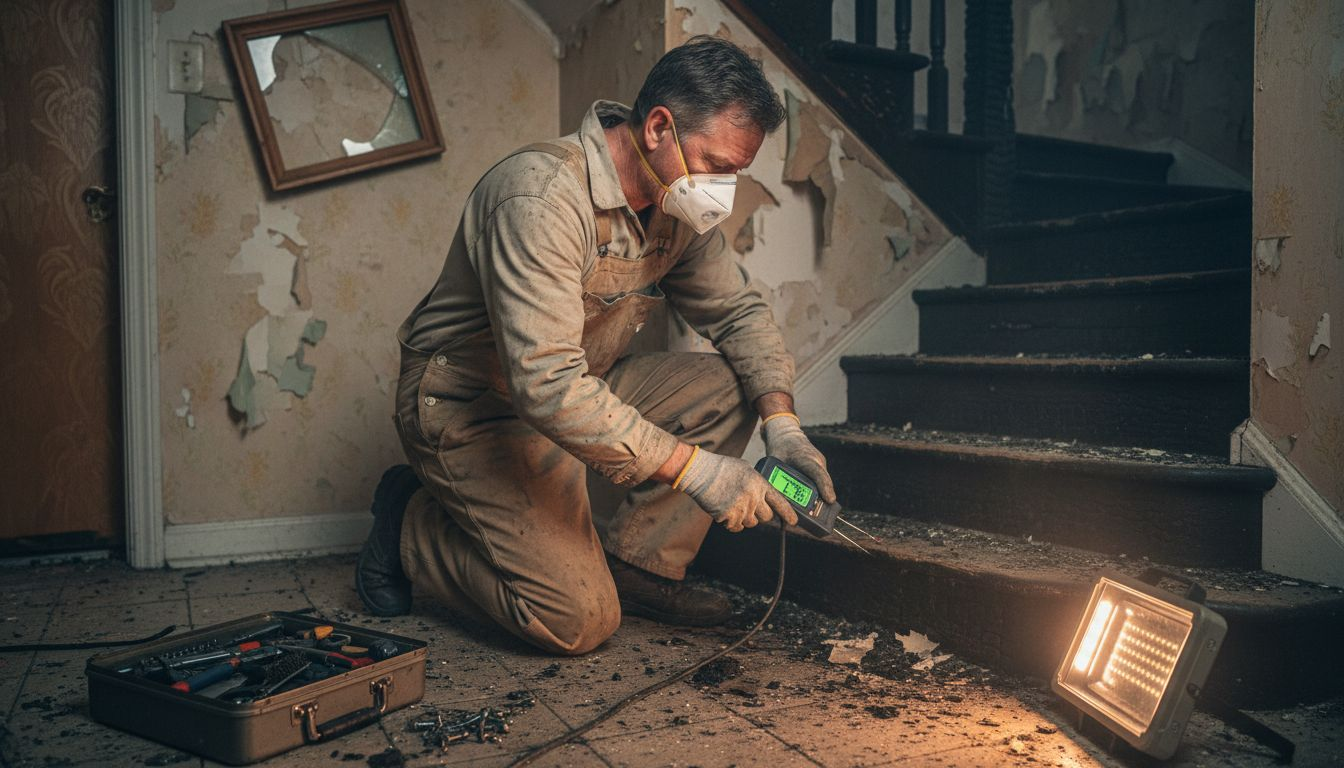
Comparing common types of fire damage and their typical long-term impacts:
| Damage Type | Common Long-Term Impact | Restoration Challenges |
|---|---|---|
| Structural | Weak building support | Expensive repairs required |
| Thermal | Deformed materials | Replacement often necessary |
| Smoke | Persistent odors | Difficult cleanup |
| Water | Mold and rot risks | Full drying may be needed |
| Electrical System | Recurring outages | Complex wiring repairs |
Pro Tip: Request a detailed damage assessment report that provides room-by-room documentation and photographic evidence to support your insurance claim and restoration process.
Step-by-Step Fire Damage Inspection Process
A professional fire damage inspection follows a meticulous, scientifically-driven methodology designed to comprehensively assess property destruction. NFPA 921 fire investigation guidelines establish a structured approach that ensures systematic, evidence-based evaluation of fire-related damage.
The fire damage inspection process typically involves the following critical steps:
- Initial Safety Assessment
- Verify structural stability before entry
- Check for potential electrical hazards
- Ensure personal protective equipment is worn
- Exterior Property Examination
- Document exterior structural damage
- Assess roof and foundation integrity
- Photograph visible fire and smoke impact
- Interior Comprehensive Inspection
- Room-by-room systematic damage documentation
- Evaluate smoke and heat damage patterns
- Identify potential hidden structural compromises
- Evidence Collection and Documentation
- Detailed photographic records
- Collect material samples for analysis
- Create comprehensive written assessment
FEMA’s Damage Assessment Operations Manual emphasizes the importance of thorough documentation, noting that each inspection serves as a critical foundation for insurance claims, restoration planning, and potential legal proceedings.
Pro Tip: Request a digital copy of the fire damage inspection report immediately and maintain multiple backups for insurance and restoration purposes.
Safety Risks and Legal Compliance Issues
Fire damage assessment involves navigating a complex landscape of potential safety hazards and strict legal requirements that demand meticulous attention and professional expertise. OSHA safety standards establish comprehensive guidelines that property owners and restoration professionals must rigorously follow to protect human safety and minimize potential legal liability.
Key safety risks and compliance considerations include:
- Structural Instability: Potential collapse of weakened building elements
- Hazardous Material Exposure: Risks from toxic smoke residues, asbestos, lead
- Electrical System Compromises: Potential short circuits and electrocution dangers
- Respiratory Health Threats: Contamination from smoke particulates and chemical residues
- Environmental Contamination: Potential ground and water pollution from fire debris
International Fire Code regulations mandate specific protocols for emergency response, emphasizing the critical importance of professional assessment and systematic documentation to ensure both immediate safety and long-term legal protection. Property owners must understand that proper documentation serves not just as a restoration roadmap, but as a crucial legal safeguard against potential future claims and liability.
Professional fire damage assessors must maintain rigorous standards of evidence collection, safety protocols, and comprehensive reporting to meet both regulatory requirements and insurance claim specifications.
Pro Tip: Always consult with a certified fire damage professional who understands local safety regulations and can provide a comprehensive, legally compliant damage assessment report.
Insurance, Costs, and Documentation Needs
Navigating fire damage insurance claims requires strategic preparation and meticulous documentation to ensure comprehensive recovery and financial compensation. Insurance Information Institute research highlights the critical importance of systematic evidence collection and precise claim reporting in securing adequate property restoration funding.
Key documentation requirements for successful insurance claims include:
- Comprehensive Photographic Evidence
- Room-by-room damage documentation
- Close-up images of structural and content damage
- Time-stamped photographs showing progression of destruction
- Detailed Property Inventory
- Pre-fire value of damaged items
- Estimated replacement costs
- Serial numbers and purchase documentation
- Professional Assessment Reports
- Comprehensive fire damage evaluation
- Estimated restoration costs
- Structural integrity analysis
Consumer Reports’ insurance claim guidance emphasizes the significance of maintaining organized records, tracking all communication with insurance representatives, and understanding policy coverage limits to maximize potential reimbursement.
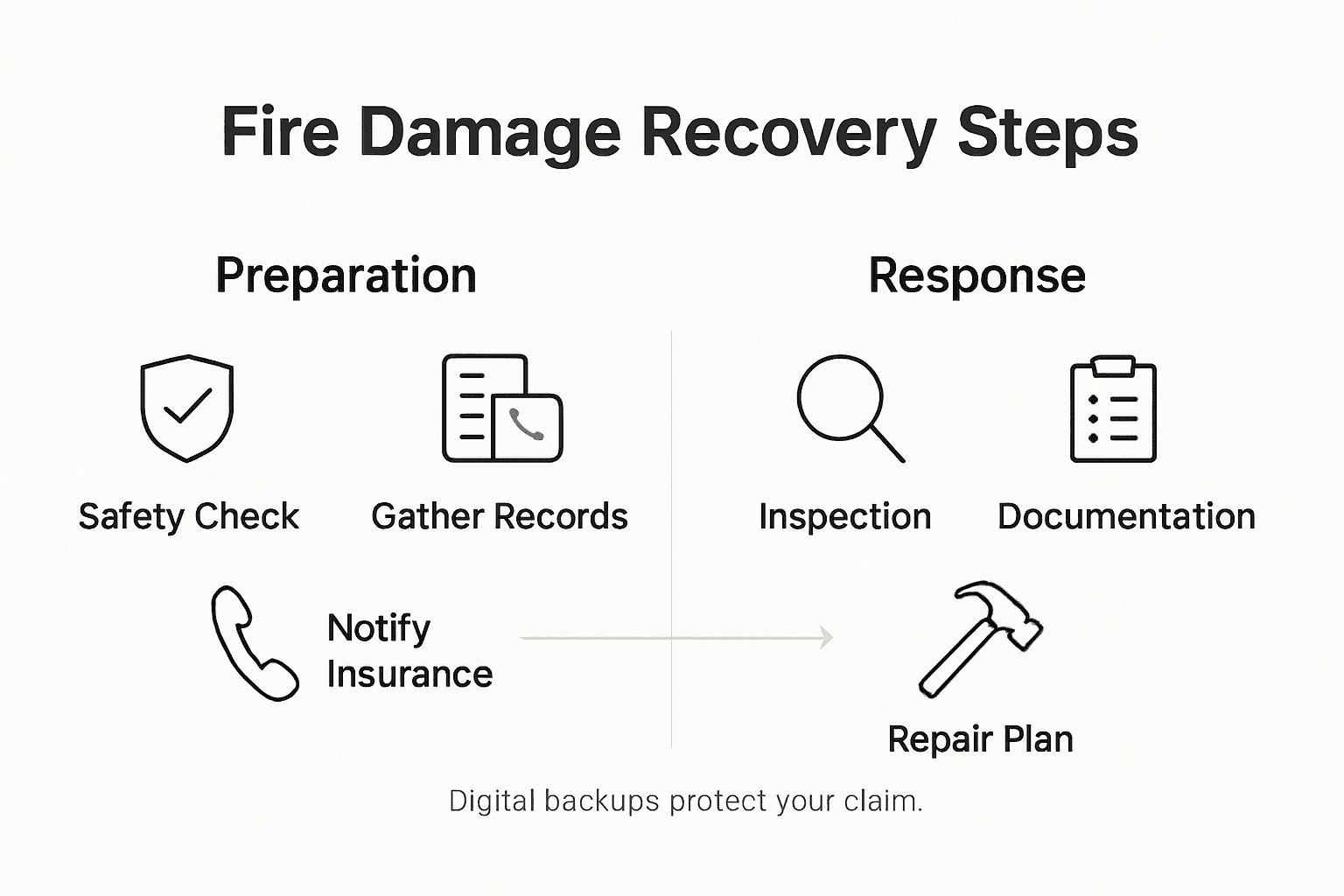
Homeowners should anticipate potential out-of-pocket expenses and understand that insurance coverage varies significantly based on policy type, fire cause, and existing conditions. Proactive documentation and professional assessment can substantially streamline the claims process and improve financial recovery outcomes.
Here’s a quick reference of essential documentation for fire insurance claims:
| Document Type | Key Content Included | Why It’s Needed |
|---|---|---|
| Photographic Evidence | Room and item images | Substantiates extent of losses |
| Property Inventory | List and value of items | Supports reimbursement requests |
| Assessment Reports | Professional evaluations | Validates claim and repair scope |
Pro Tip: Create a digital and physical backup of all fire-related documentation, storing copies in separate secure locations to prevent potential loss.
Ready to Take Control After Fire Damage
Experiencing fire damage can feel overwhelming and uncertain. The detailed fire damage assessment steps you just read highlight critical challenges such as hidden structural risks, smoke contamination, and safety hazards that must be carefully addressed to recover your property fully. You need professional help that not only evaluates damage precisely but also guides your recovery with clarity and compassion.
At PuroClean of Northeast Sacramento, we specialize in prompt, thorough fire and smoke restoration backed by certified experts using advanced technology. Whether you face severe structural compromise or persistent smoke and odor issues, our team understands the importance of detailed documentation and safe restoration that aligns with insurance requirements. We provide 24/7 emergency response, ensuring your property is assessed and stabilized quickly to minimize further loss.
Don’t wait until hidden damages worsen or costly delays impact your claim. Contact us today to get a comprehensive, professional fire damage assessment and begin your recovery with confidence. Visit our fire and smoke restoration page to learn more and reach out immediately for trusted support when you need it most.
Frequently Asked Questions
What is fire damage assessment?
Fire damage assessment is a systematic process that evaluates the extent and severity of damage caused by fire, including structural integrity, smoke contamination, and water damage from firefighting efforts.
What types of damage are typically evaluated in a fire damage assessment?
The assessment usually includes structural damage, thermal damage, smoke damage, water damage, and electrical system damage, each requiring careful documentation for effective restoration.
How should I prepare for a fire damage inspection?
Preparation for a fire damage inspection involves ensuring the property is safe for entry, gathering any pre-fire documentation, and being ready to provide access to all affected areas for thorough examination and documentation.
What documentation is necessary for fire damage insurance claims?
Key documentation includes comprehensive photographic evidence of damage, a detailed property inventory, and a professional assessment report outlining the damage and estimated restoration costs.
Recommended
Title: Fire Damage Restoration: 8 Steps To Restoring Your Home After A Devastating Fire
 PuroClean of Northeast Sacramento