 PuroClean of Northeast Sacramento
 Fire Damage Assessment – Protecting Sacramento Properties
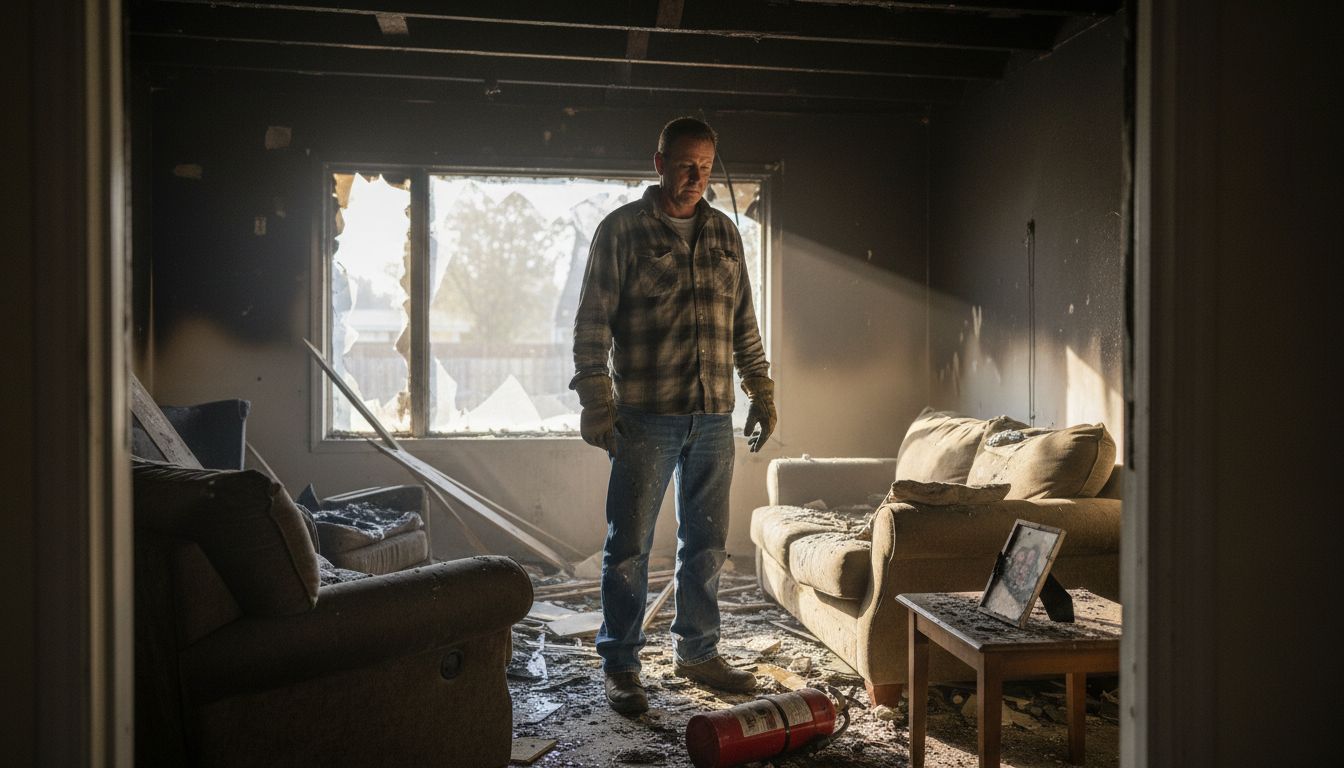
Most American property owners underestimate the complexity of fire recovery, yet fire-related losses cost the United States over 21 billion dollars each year. Understanding the fundamentals of fire damage assessment is the foundation for safe and effective property restoration. From hidden structural dangers to navigating complicated insurance claims, knowing what to expect after a fire helps American families and businesses move forward with clarity and confidence.
Table of Contents
- Fire Damage Assessment Fundamentals Explained
- Types of Fire Damage in Sacramento Properties
- Key Steps in Professional Fire Assessment
- Insurance Claims and Documentation Essentials
- Common Hazards and Safety Precautions
Key Takeaways
| Point | Details |
|---|---|
| Fire Damage Assessment | A thorough evaluation of fire damage is essential for effective recovery, involving structural integrity checks and hidden damage detection. |
| Types of Damage | Fire damage can manifest as thermal, smoke, soot, water, and chemical damage, each requiring specific restoration techniques. |
| Insurance Preparation | Accurate documentation, including photographic evidence and professional assessment reports, is critical for successful insurance claims. |
| Prevention Strategies | Property owners should identify common fire hazards and implement safety precautions, such as installing smoke detectors and maintaining fire extinguishers, to reduce fire risk. |
Fire Damage Assessment Fundamentals Explained
Fire damage assessment represents a critical first step in understanding and recovering from property destruction. Professionals systematically evaluate the extent of damage by examining structural integrity, material degradation, and potential hidden risks. This comprehensive evaluation goes far beyond surface-level observations, requiring specialized knowledge and methodical investigation techniques.
Understanding the factors influencing fire damage is essential for accurate assessment. Researchers from the U.S. Geological Survey highlight critical elements such as vegetation type, weather conditions, and topography that contribute to fire spread and damage intensity. These factors help restoration experts develop targeted strategies for mitigation and recovery. Professionals analyze multiple dimensions, including:
- Structural damage assessment
- Material degradation evaluation
- Smoke and soot contamination analysis
- Hidden damage detection
- Water and chemical damage from firefighting efforts
Post-fire activities require immediate and strategic planning. According to government fire preparedness guidelines, assessment teams create precise repair plans that address immediate structural risks and long-term restoration needs. These plans typically involve comprehensive documentation, strategic cleanup protocols, and systematic restoration approaches designed to minimize secondary damage and restore properties to their pre-fire condition.
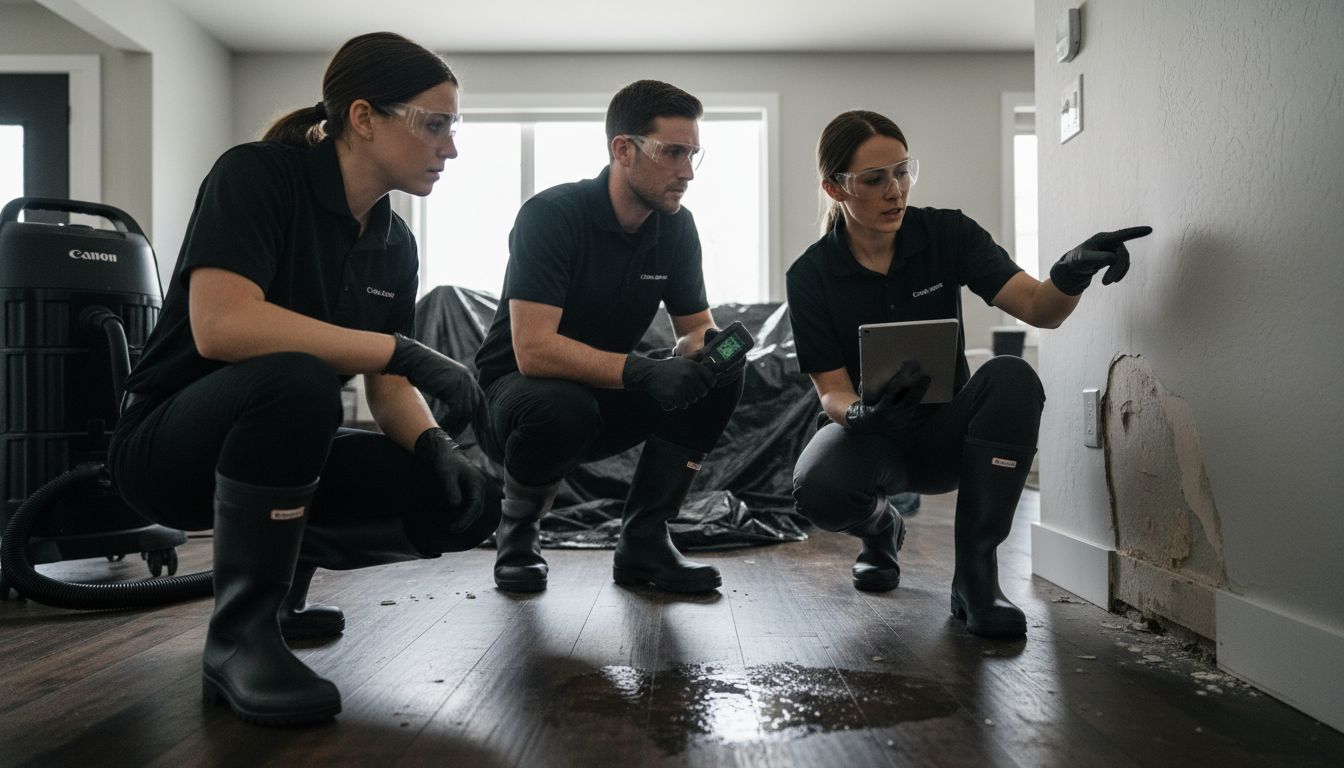
Successful fire damage assessment demands a combination of technical expertise, advanced diagnostic tools, and a methodical approach. Professional restoration teams leverage specialized equipment like thermal imaging cameras, moisture meters, and air quality sensors to uncover hidden damage that might escape untrained observers. By conducting thorough, multi-stage assessments, these experts provide property owners with a clear roadmap for recovery, helping them navigate the complex process of rebuilding and restoration with confidence and precision.
Types of Fire Damage in Sacramento Properties
Fire damage in Sacramento properties manifests through complex and varying forms, each presenting unique challenges for property owners and restoration professionals. Understanding these damage types is crucial for developing targeted recovery strategies. The City of Sacramento’s Housing and Dangerous Buildings division recognizes multiple categories of structural compromise resulting from fire incidents, highlighting the critical nature of comprehensive damage assessment.
Structural fire damage can be categorized into several primary types:
- Thermal Damage: Direct heat destruction of building materials
- Smoke Damage: Residual contamination affecting surfaces and air quality
- Soot Damage: Carbon-based residue penetrating porous materials
- Water Damage: Secondary destruction from firefighting efforts
- Chemical Damage: Corrosive residues from burned synthetic materials
Fire debris analysis by local authorities provides critical insights into damage origins and potential intentional fire scenarios, revealing the complex forensic nature of fire investigation. Professionals examine microscopic evidence to determine fire propagation, material interactions, and potential accelerant usage.
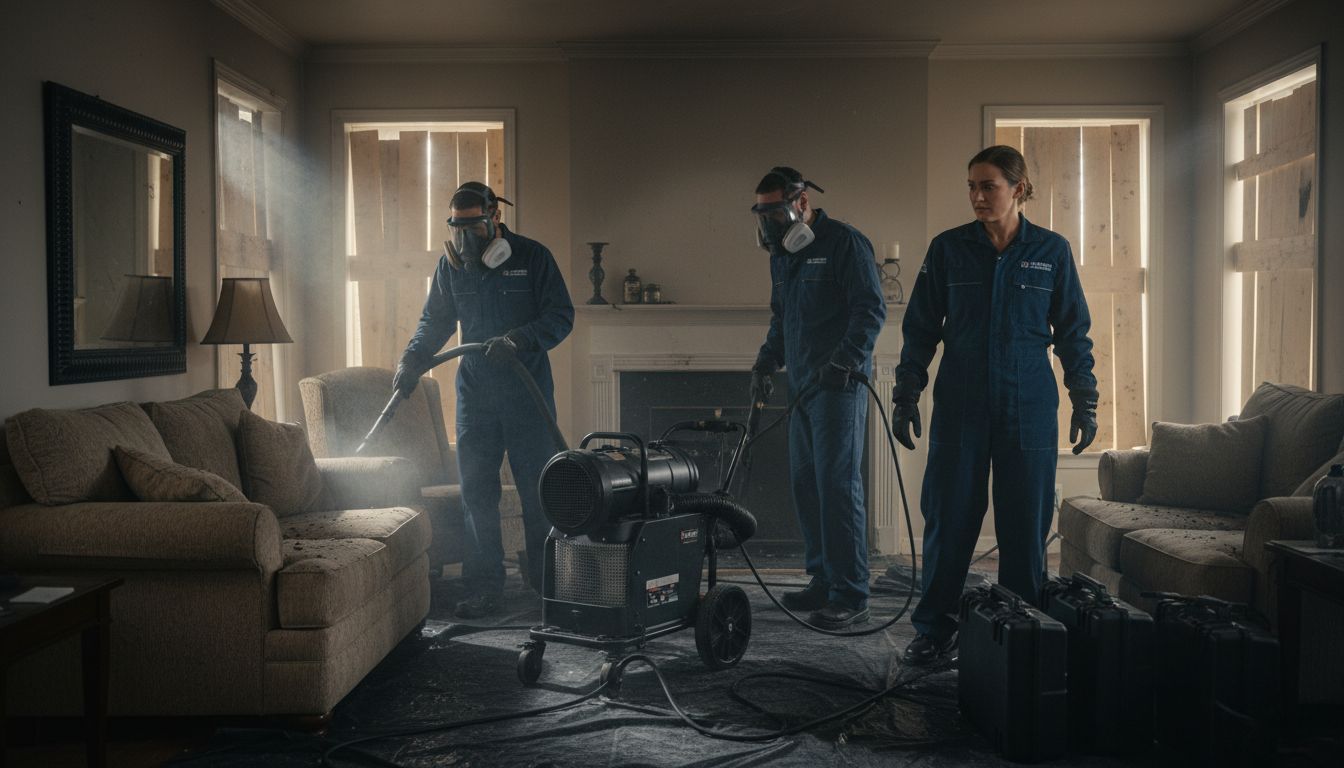
Each damage type requires specialized restoration techniques. Thermal damage might necessitate complete structural reconstruction, while smoke damage demands advanced cleaning protocols using specialized equipment and chemical treatments. Professional restoration teams conduct meticulous assessments, mapping damage progression and developing targeted recovery strategies that address visible and hidden destruction. This comprehensive approach ensures property owners receive precise, effective restoration services that minimize long-term structural risks and restore properties to their pre-fire condition.
Key Steps in Professional Fire Assessment
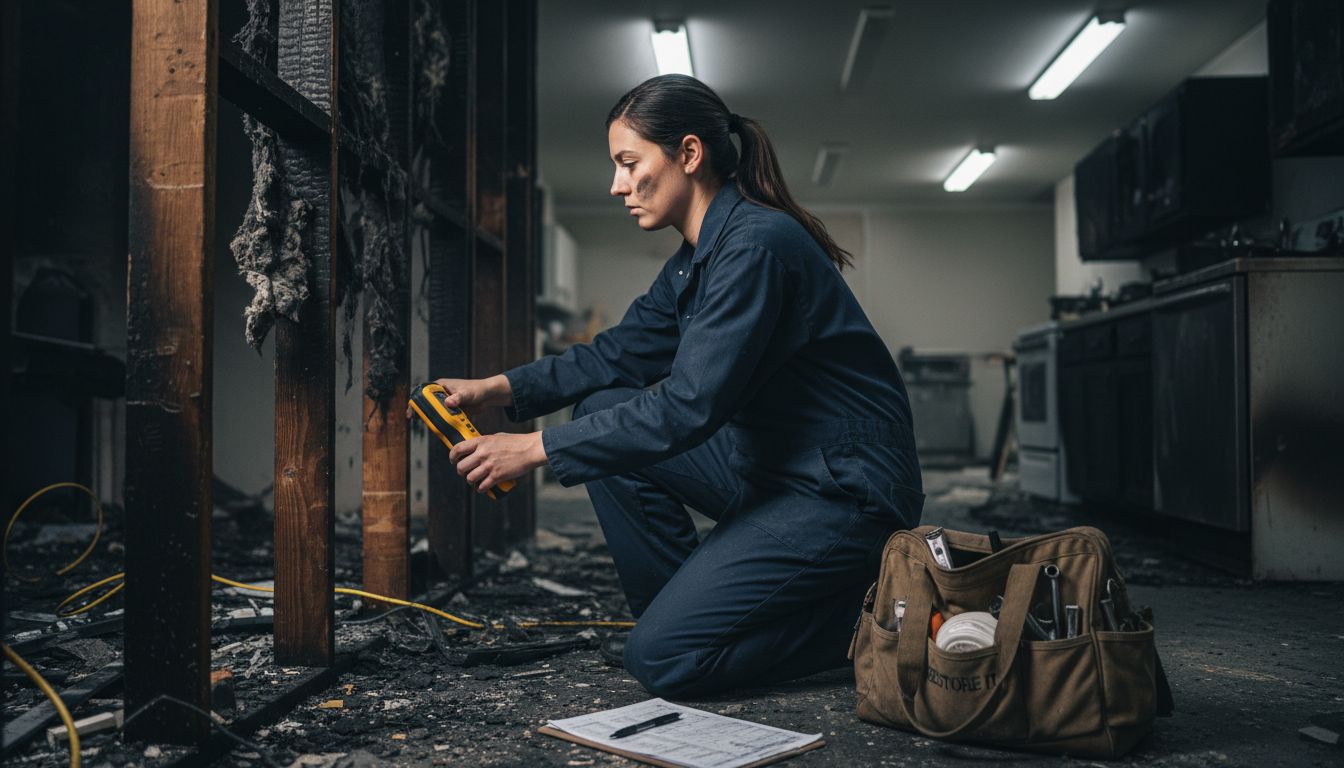
Professional fire damage assessment is a meticulous process that requires systematic expertise and specialized techniques. Government guidelines emphasize the importance of conducting assessments as soon as safely possible after fire suppression activities, ensuring immediate and strategic damage evaluation. Restoration professionals approach these assessments with a comprehensive methodology designed to uncover both visible and hidden damage.
The key steps in professional fire assessment typically involve:
- Initial Safety Evaluation
- Structural integrity check
- Hazard identification
- Personal protective equipment deployment
- Comprehensive Documentation
- Photographic evidence collection
- Detailed damage mapping
- Preliminary damage categorization
- Forensic Analysis
- Fire origin investigation
- Material degradation assessment
- Potential cause determination
Scientists from the U.S. Geological Survey highlight that understanding environmental factors like vegetation type, weather conditions, and topography is crucial for accurate fire damage assessment, providing critical context for restoration strategies. These environmental insights help professionals predict potential long-term structural risks and develop targeted restoration approaches.
Advanced technological tools play a pivotal role in modern fire assessments. Thermal imaging cameras, moisture meters, and air quality sensors allow professionals to detect hidden damage invisible to the naked eye. Restoration experts create comprehensive reports that not only document current damage but also predict potential future deterioration. This proactive approach enables property owners to make informed decisions about restoration, ultimately protecting their investments and ensuring safe, effective recovery from fire-related destruction.
Insurance Claims and Documentation Essentials
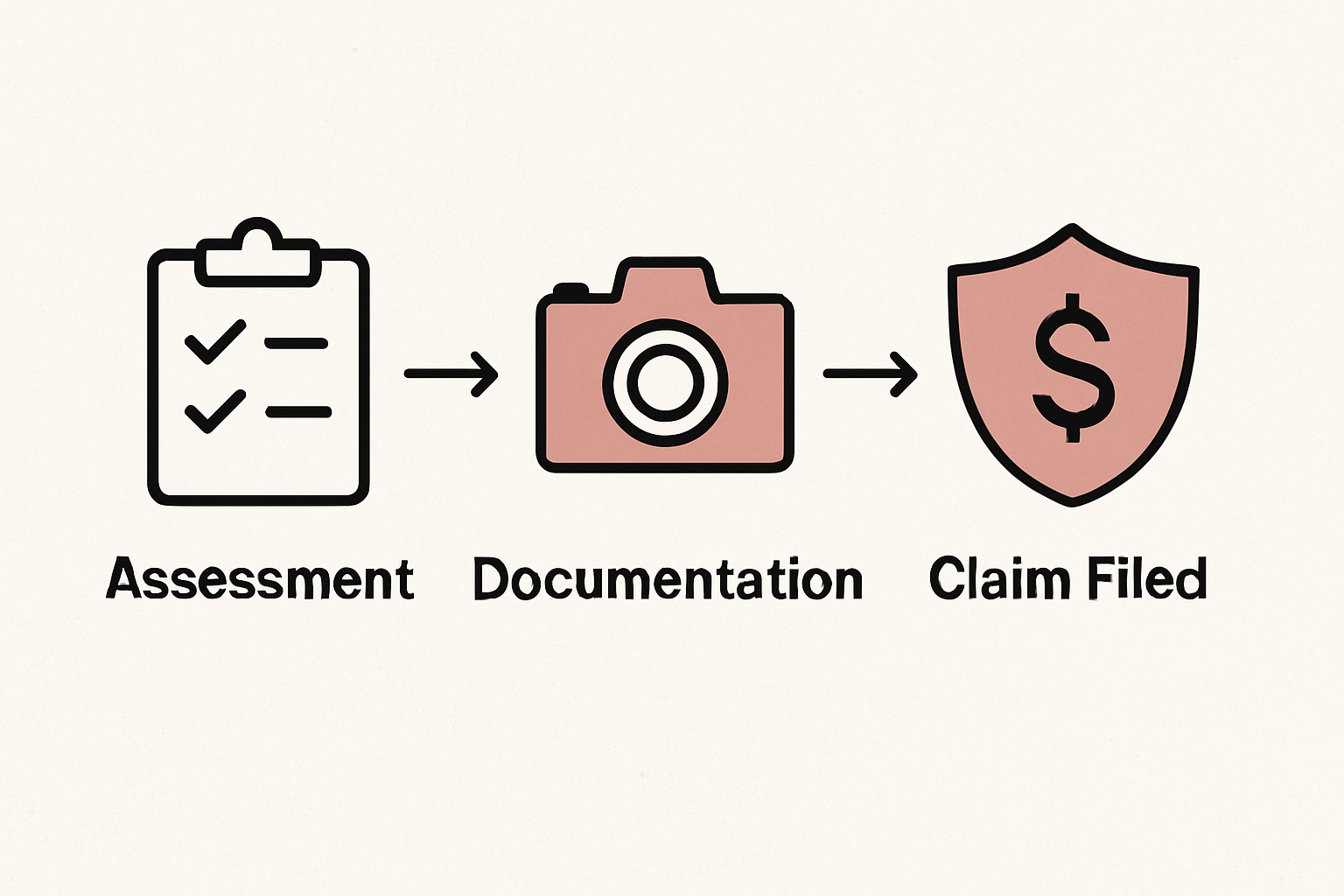
Navigating insurance claims after fire damage requires meticulous documentation and strategic preparation. Sacramento city guidelines emphasize the critical importance of understanding insurance coverage and maintaining current policies to facilitate seamless claims processing, providing property owners with a roadmap for effective recovery.
Key documentation essentials for successful fire damage insurance claims include:
- Comprehensive Photographic Evidence
- Wide-angle room shots
- Detailed close-ups of damaged areas
- Chronological damage progression images
- Detailed Inventory Documentation
- Itemized list of damaged personal property
- Original purchase receipts
- Estimated replacement costs
- Professional Assessment Reports
- Certified damage evaluation
- Structural integrity analysis
- Estimated restoration costs
City preparedness resources recommend property owners proactively review their disaster preparation strategies, including understanding the nuanced details of their insurance coverage, ensuring they are adequately protected against potential fire damage scenarios. This proactive approach can significantly streamline the claims process and reduce potential disputes.
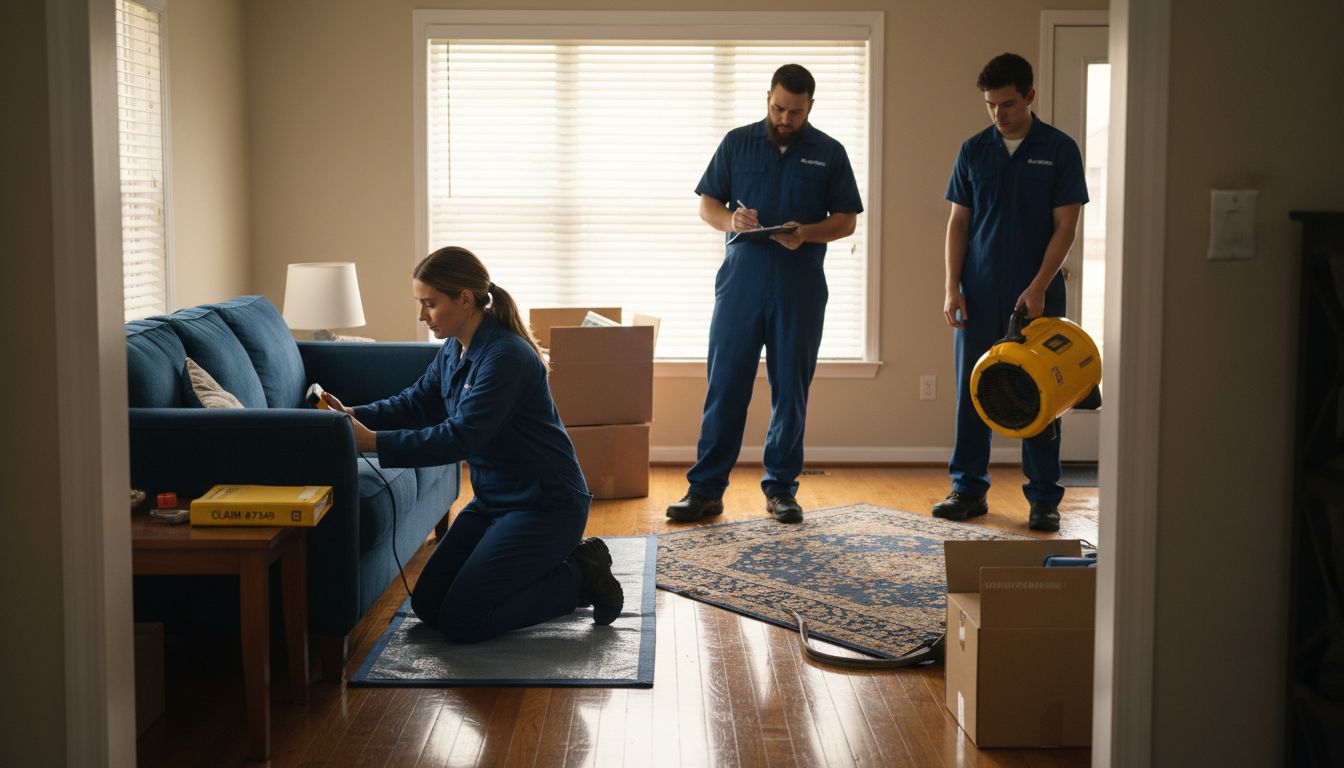
Successful insurance claims demand thorough, organized documentation. Professional restoration experts recommend creating digital and physical backups of all evidence, maintaining clear communication with insurance adjusters, and obtaining multiple professional damage assessments. By systematically compiling comprehensive documentation, property owners can expedite their claims, maximize potential reimbursements, and begin the critical process of rebuilding and recovery with greater confidence and financial security.
Common Hazards and Safety Precautions
Fire safety requires a proactive and comprehensive approach to identifying and mitigating potential risks in residential and commercial properties. Sacramento County provides critical guidance on understanding and preventing common fire hazards, emphasizing the importance of early detection and preventative measures.
Key fire hazards that property owners should be aware of include:
- Electrical Hazards
- Overloaded circuits
- Damaged electrical wiring
- Faulty appliances
- Kitchen Risks
- Unattended cooking
- Grease buildup
- Flammable materials near heat sources
- Heating and Combustion Risks
- Malfunctioning furnaces
- Improper fireplace maintenance
- Space heater placement
Local community preparedness resources stress the critical importance of developing comprehensive disaster prevention strategies, which include regular equipment maintenance and creating strategic safety plans. Essential safety precautions involve implementing multiple layers of protection.
Effective fire prevention requires a multi-dimensional approach. Property owners should install smoke detectors on every floor, maintain fire extinguishers in accessible locations, create clear evacuation routes, and conduct regular safety inspections. Professional restoration experts recommend developing a comprehensive emergency plan that includes contact information for local fire departments, insurance providers, and restoration services. By combining technological safeguards, strategic planning, and ongoing education, property owners can significantly reduce their risk of catastrophic fire damage and protect their most valuable assets.
Protect Your Sacramento Property with Expert Fire Damage Assessment and Restoration
Fire damage can leave your home or business with hidden risks like structural compromise, smoke contamination, and water damage from firefighting efforts. The detailed assessment process outlined in the article highlights how professional evaluation is essential to uncovering these dangers and planning effective recovery. At PuroClean of Northeast Sacramento, we understand the urgency and complexity of fire damage situations. Our certified experts use advanced tools such as thermal imaging and moisture meters to detect unseen damage and develop a thorough restoration plan tailored to your property’s unique needs.
Don’t wait until minor issues become costly repairs. Immediate professional assessment and restoration can safeguard your investment and ensure a safe, quick return to normalcy. Visit our website to learn more about our comprehensive Fire and Smoke Restoration services, and see how we assist with insurance claims through detailed documentation and expert communication.
Ready for rapid, compassionate support when fire strikes?
Contact PuroClean of Northeast Sacramento now for 24/7 emergency fire damage assessment and restoration. Let us help you protect your property and peace of mind with trusted expertise and proven results. Visit us anytime at PuroClean of Northeast Sacramento to get started.
Frequently Asked Questions
What is the purpose of a fire damage assessment?
A fire damage assessment is conducted to evaluate the extent of damage caused by a fire. It involves examining structural integrity, material degradation, and potential hidden risks to develop effective recovery strategies.
What are the common types of fire damage?
Common types of fire damage include thermal damage, smoke damage, soot damage, water damage from firefighting efforts, and chemical damage from burned materials. Each type requires specific restoration techniques to effectively address the destruction.
How soon should a fire damage assessment be conducted after a fire?
A fire damage assessment should be conducted as soon as it is safe after firefighting efforts are completed. Immediate assessments help identify immediate structural risks and develop strategic repair plans to prevent further damage.
What documentation is necessary for filing insurance claims after fire damage?
Key documentation includes comprehensive photographic evidence of the damage, a detailed inventory of affected personal property, original purchase receipts, and professional assessment reports that evaluate damage and restoration costs.
Recommended
Master Fire Safety in Restaurants: Essential Steps for 2025 – Probe IT
7 Essential Fire Restoration Tips for Property Owners – PuroClean of Northeast Sacramento
Fire and Smoke Damage Restoration and Repair in Roseville, CA
What Is Fire Restoration? Complete Guide for 2025 – PuroClean of Northeast Sacramento
Fire Damage Restoration Explained: Complete Process Guide – PuroClean of Northeast Sacramento
 PuroClean of Northeast Sacramento