 PuroClean of Northeast Sacramento
 What Is Fire Remediation? Complete Guide for 2024
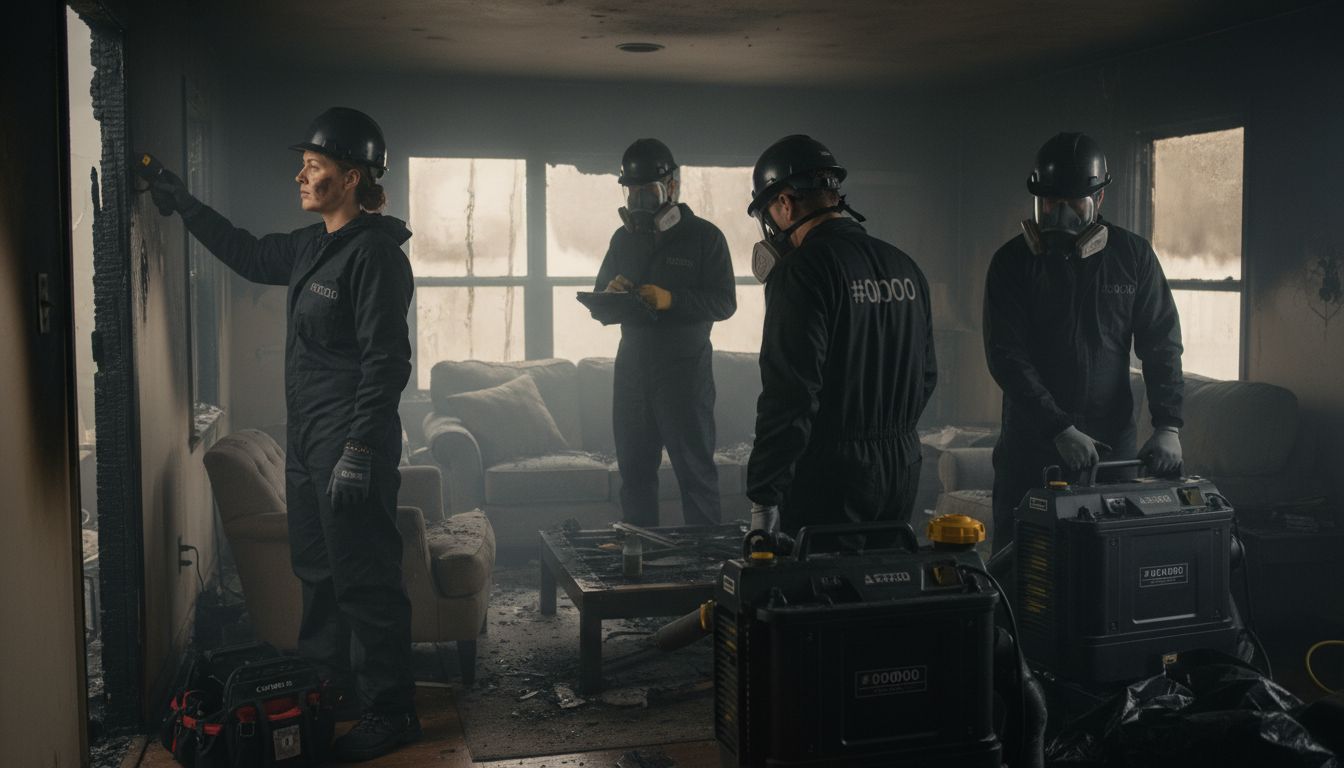
Fires cause over 350,000 home structure blazes each year in the United States, leaving behind more than just visible damage. What happens after the flames are out is just as important for your safety, well-being, and property value. Understanding the true purpose and range of fire remediation reveals how strategic planning and expert intervention make the difference between lingering danger and genuine recovery.
Table of Contents
- Defining Fire Remediation And Its Purpose
- Fire Remediation Types And Key Distinctions
- Fire Remediation Process And Methodologies
- Legal, Insurance, And Safety Requirements
- Costs, Timelines, And Common Mistakes
Key Takeaways
| Point | Details |
|---|---|
| Importance of Fire Remediation | Fire remediation is essential for restoring safety and integrity after fire incidents, involving more than just cleanup. |
| Types of Remediation | Different strategies are tailored for specific environments, including structural, landscape, urban interface, and industrial remediation. |
| Remediation Process | The fire remediation process includes initial assessment, containment, cleaning, structural restoration, and prevention planning. |
| Legal and Insurance Considerations | Property owners must navigate complex legal and insurance requirements, ensuring compliance, detailed documentation, and safety inspections. |
Defining Fire Remediation and Its Purpose
Fire remediation represents a critical recovery process designed to restore environments and structures after dangerous fire incidents. According to research from FEMA, these actions focus on systematically managing hazardous situations and reducing potential risks to human safety and property.
The core purpose of fire remediation extends far beyond simple cleanup. It involves comprehensive strategies to:
- Decontaminate affected spaces
- Remove toxic residues and damaged materials
- Assess structural integrity
- Prevent secondary damage like mold growth
According to FEMA’s incident management guidelines, the remediation phase includes several critical steps: professional decontamination, responsible waste disposal, and thorough verification to confirm the environment is genuinely safe for reoccupation. This meticulous process helps property owners transition from crisis to recovery.
Understanding fire remediation means recognizing it as more than a cleaning service. It’s a systematic approach to restoring safety, protecting health, and rebuilding after potentially devastating fire events. Learn more about fire damage restoration techniques that can help you navigate this complex recovery process.
Fire Remediation Types and Key Distinctions
Fire remediation encompasses diverse strategies tailored to specific environments and risk profiles. Research from the National Institute of Standards and Technology highlights that remediation approaches significantly differ between wildland-urban interface communities and urban settings, demanding customized intervention techniques.
The primary fire remediation types include:
Here’s a comparison of the main types of fire remediation and their primary focus areas:
| Remediation Type | Target Area | Main Objectives |
|---|---|---|
| Structural | Buildings Infrastructure | Repair damage Restore integrity Reduce hazards |
| Landscape | Natural environments Vegetation | Remove debris Replant/regrade Prevent erosion |
| Urban Interface | Zone between developed & wildland areas | Buffer creation Wildfire barriers Community safety |
| Industrial | Factories Commercial sites | Specialized cleanup Equipment restoration Compliance checks |
- Structural Remediation: Focused on buildings and physical infrastructure
- Landscape Remediation: Addressing natural environments and vegetation
- Urban Interface Remediation: Protecting transitional zones between developed and wilderness areas
- Industrial Fire Remediation: Specialized approaches for complex commercial and manufacturing environments
According to NIST’s building risk reduction program, building fire remediation specifically concentrates on enhancing fire resistance through strategic improvements in materials, construction techniques, and advanced detection systems. These techniques aim to minimize potential damage and accelerate recovery processes.
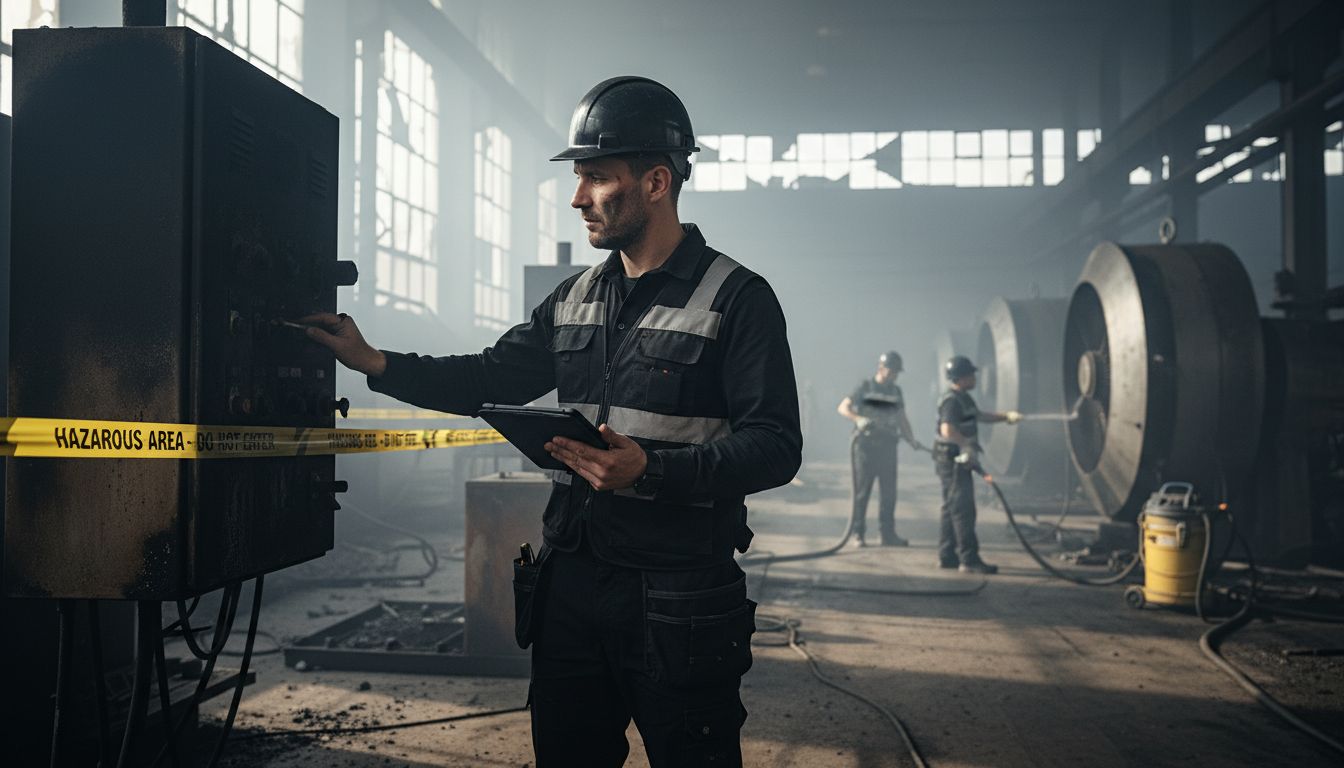
Understanding these distinctions is crucial for property owners and managers. Learn more about fire damage restoration techniques that can help you navigate the complex landscape of fire remediation and protect your property effectively.
Fire Remediation Process and Methodologies
Fire remediation is a structured approach that goes beyond simple cleanup, integrating comprehensive strategies for risk reduction and recovery. According to the National Interagency Fire Center, effective remediation involves critical stages of planning, preparation, and prevention.
The typical fire remediation methodology follows these key stages:
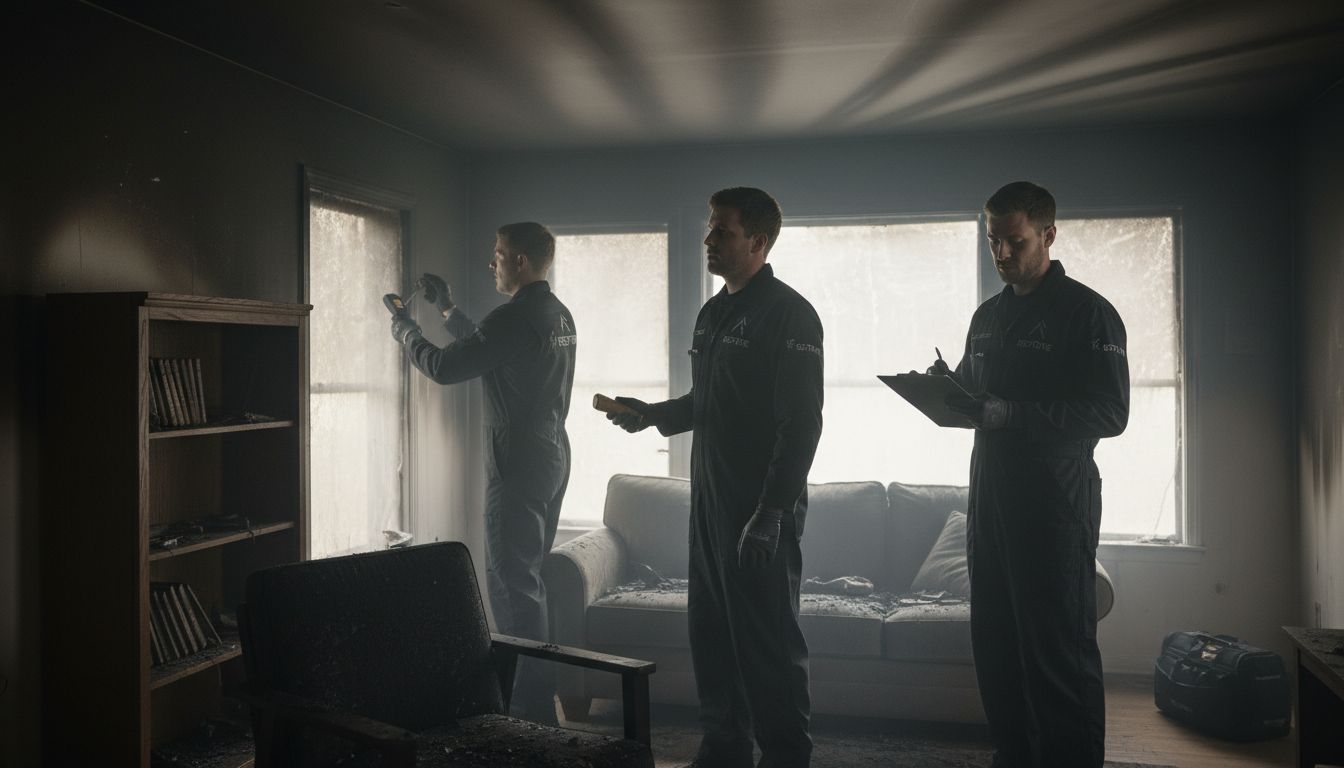
- Initial Assessment: Comprehensive damage evaluation
- Containment: Preventing further spread of damage
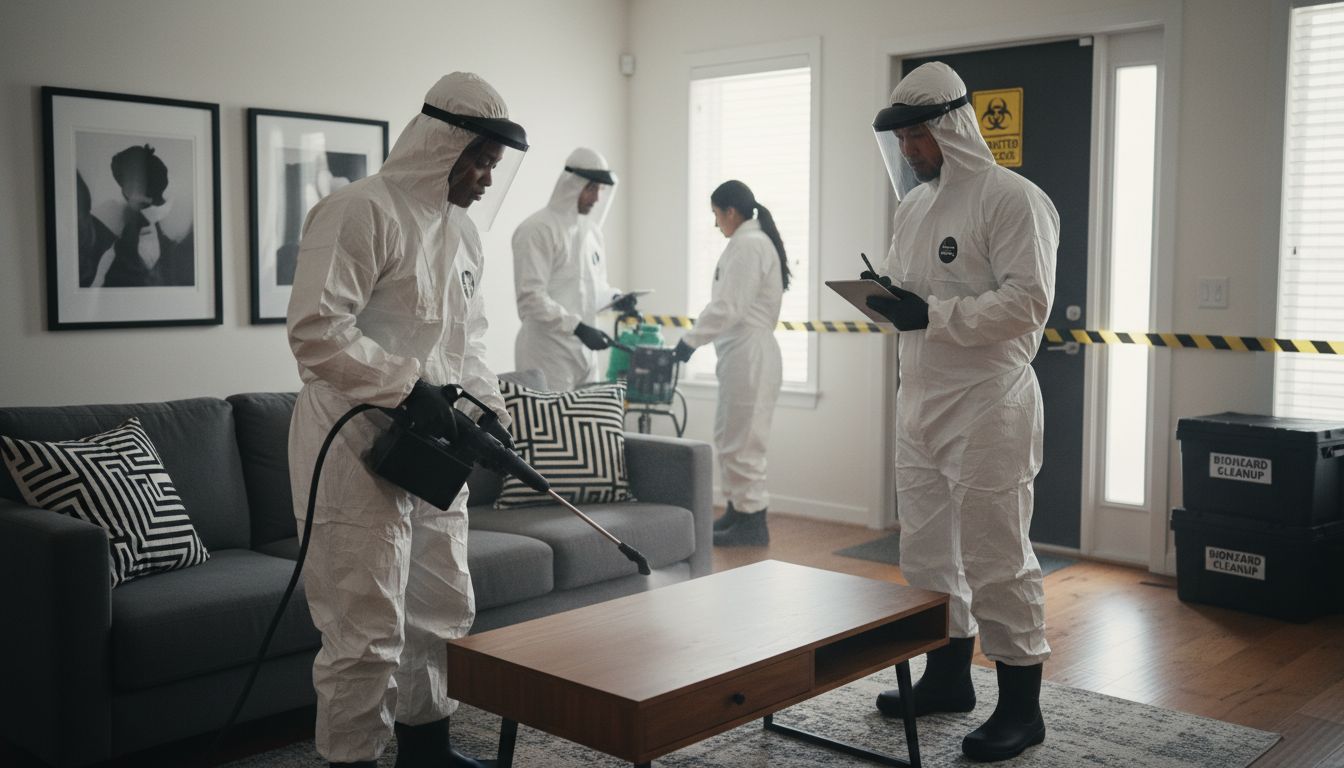
- Cleaning and Decontamination: Removing smoke, soot, and toxic residues
- Structural Restoration: Repairing and rebuilding damaged areas
- Prevention Planning: Implementing strategies to reduce future risks
Research from the United States Fire Administration emphasizes that successful community risk reduction programs integrate both educational and engineering approaches. This means not just cleaning up after a fire, but actively working to mitigate potential risks through proactive measures, advanced detection systems, and community awareness.
Learn more about the comprehensive fire damage restoration process to understand how professionals systematically approach recovery and minimize long-term property damage.
Legal, Insurance, and Safety Requirements
Fire remediation involves complex legal and insurance considerations that property owners must carefully navigate. According to legal research from the Cornell Law Library, the legal framework surrounding fire departments and restoration efforts directly impacts how insurance claims and safety protocols are managed.
Key legal and insurance requirements include:
- Compliance Documentation: Detailed records of restoration processes
- Safety Inspection Protocols: Mandatory assessments before reoccupation
- Insurance Claim Verification: Comprehensive documentation for claims
- Regulatory Adherence: Meeting local and state fire safety standards
Virginia legal statutes explicitly grant authorities the right to inspect and address potentially unsafe building conditions. This means property owners must not only restore their spaces but also demonstrate compliance with stringent safety regulations. Insurance providers typically require professional documentation proving that all potential hazards have been thoroughly addressed.
Explore common misconceptions about mitigation and restoration to understand how professional remediation services help you navigate these complex legal and insurance requirements effectively.
Costs, Timelines, and Common Mistakes
Fire remediation involves complex financial considerations and potential pitfalls that property owners must carefully understand. Research from the National Institute of Standards and Technology highlights that fire protection costs represent a significant portion of building expenses, making strategic planning essential.
Typical fire remediation cost ranges and timelines include:
- Minor Damage: $2,000 – $5,000 | 1-2 weeks
- Moderate Damage: $5,000 – $25,000 | 2-4 weeks
- Extensive Damage: $25,000 – $100,000 | 4-8 weeks
According to NIST research on flame retardants, common mistakes in fire remediation often stem from inadequate understanding of material treatments and risk mitigation. Property owners frequently underestimate the complexity of smoke damage, attempt DIY restoration, or fail to document damage comprehensively for insurance purposes.
Learn about professional approaches to avoid common restoration misconceptions that can help you navigate the challenging landscape of fire damage recovery effectively.
Take Control of Fire Damage with Expert Remediation Support
Experiencing fire damage can feel overwhelming and unsafe. The challenge of navigating smoke removal, structural restoration, and legal requirements is real. You want trusted guidance and fast action to restore your home or business with care and professionalism. The detailed fire remediation steps described in the article show how critical it is to rely on experts who understand containment, decontamination, and lasting prevention.
PuroClean of Northeast Sacramento specializes in fire and smoke restoration services tailored to your unique needs. Our certified team is ready 24/7 to handle every stage of recovery, from initial damage assessment through full structural repair. We use advanced methods to protect your property and help you document claims confidently.
Don’t wait until small problems become costly setbacks. Reach out now to experience fast, compassionate fire remediation services you can trust. Learn how we turn fire damage challenges into recovery victories at PuroClean of Northeast Sacramento. Discover detailed restoration insights on fire damage restoration techniques and prepare your property with confidence.
Frequently Asked Questions
What is fire remediation?
Fire remediation is the process of restoring environments and structures after fire incidents. It involves actions like decontamination, removal of toxic materials, and assessing structural integrity to enhance safety and health.
What are the key types of fire remediation?
The key types of fire remediation include structural remediation (focusing on buildings), landscape remediation (addressing natural environments), urban interface remediation (protecting zones between developed and wildland areas), and industrial remediation (for commercial sites and factories).
What is the typical process of fire remediation?
The fire remediation process typically involves initial assessment of damages, containment of the area to prevent further spread, cleaning and decontamination, structural restoration, and implementing prevention strategies for future risks.
What are common mistakes property owners make during fire remediation?
Common mistakes include underestimating smoke damage, attempting DIY restoration, and failing to document damage adequately for insurance claims. Understanding the complexity and seeking professional help is essential for effective remediation.
Recommended
After The Fire Is Out – PuroClean of Alexandria
How Fire Damage Restoration Prevents Mold Growth After Fire
How to Safely Store and Handle Fireworks – PuroClean of Alexandria
Fire and Smoke Damage Restoration and Repair in Walnut Creek, CA
 PuroClean of Northeast Sacramento