


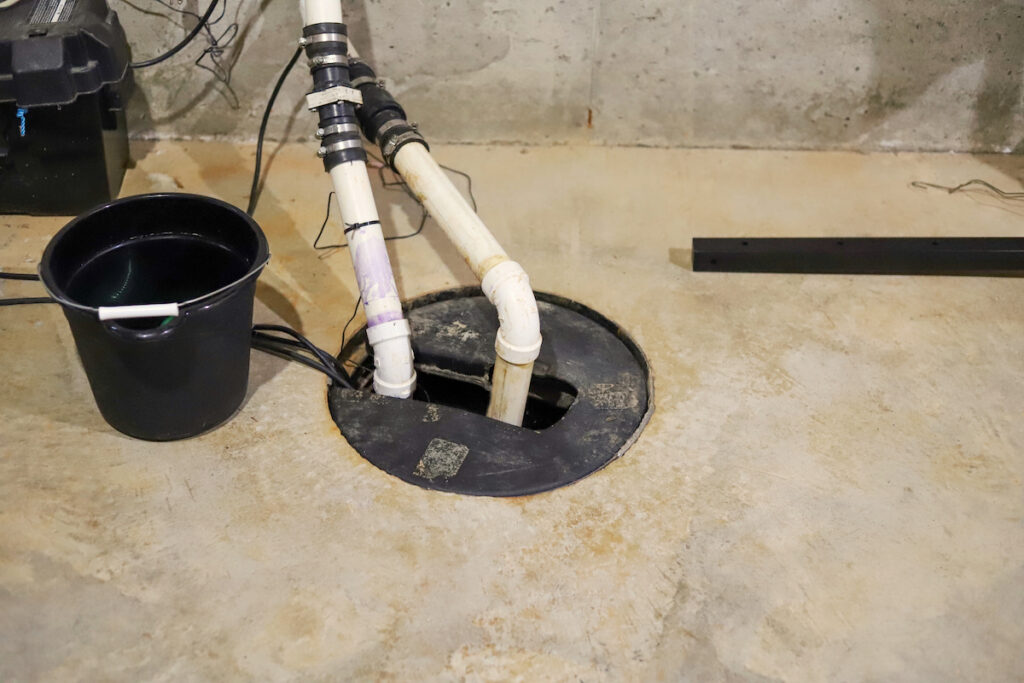
A sewer backup can happen suddenly, sending contaminated water into a basement, bathroom, or other areas of a home. Besides causing unpleasant odors and property damage, sewage can contain harmful contaminants that make cleanup more complicated than a typical water leak.
So, what causes a sewer backup in Palos Hills?
There isn’t always one single cause. Sewer backups can result from clogged pipes, heavy rainfall, tree root intrusion, damaged sewer lines, or problems with a home’s plumbing system. Understanding some of the most common causes can help homeowners recognize warning signs and take steps to reduce the risk of a backup.
Heavy Rain Can Overload Sewer Systems
Heavy rainfall is one potential cause of sewer-related problems.
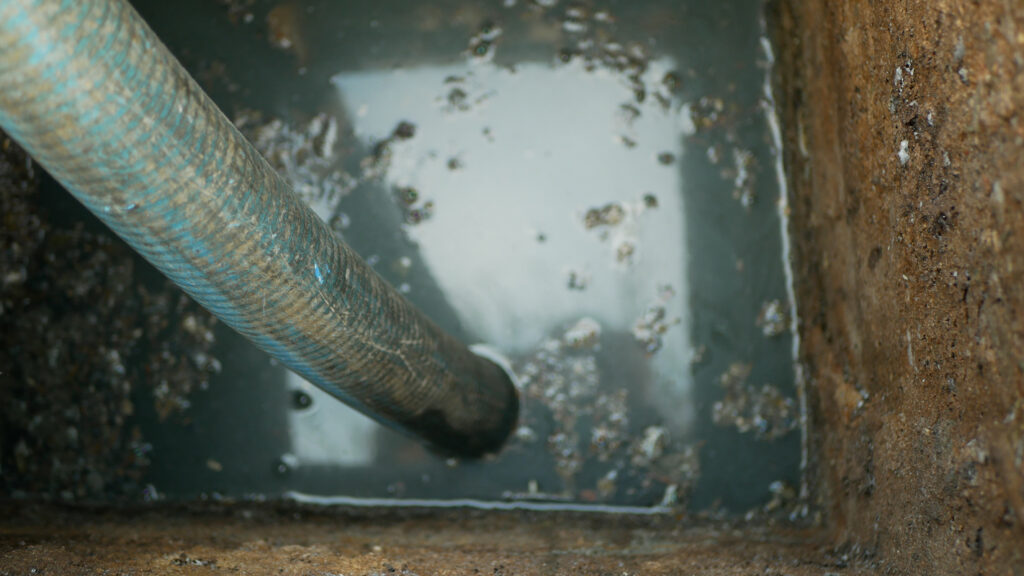
During an intense storm, large amounts of water can enter drainage systems in a short period of time. The City of Palos Hills says that excessive water entering the sanitary sewer system from storm drains and sump pumps can overwhelm the system and contribute to sanitary sewer overflows.
Palos Hills has also experienced periods of intense rainfall that have caused flooding concerns and required Public Works crews to respond to blocked storm sewer inlets and other drainage issues.
When the volume of water entering a sewer system exceeds its capacity, water may have difficulty moving through the system as intended. In some situations, this can contribute to sewage backing up through floor drains or toilets.
Clogged Sewer Lines
A blockage in a sewer line can prevent wastewater from flowing away from a property.
Inside a home, grease, fats, oils, paper products, and other materials can accumulate in plumbing over time. Although some products may be marketed as “flushable,” the City of Palos Hills recommends flushing toilet paper only and disposing of other materials in the trash.
Grease, fats, and oils should never be poured down a drain when cooking. As these substances cool, they can stick to the inside of pipes and create a blockage.
A clog may start as a slow drain or recurring toilet problem before eventually becoming a full sewer backup.
Tree Roots Can Enter Sewer Pipes
Trees can also cause problems to sewer lines believe it or not.
As roots grow underground, they may find small openings or cracks in sewer pipes. Once inside, roots can continue growing and create an obstruction that restricts wastewater flow.
Root intrusion can be particularly difficult to catch because much of the sewer line is underground. A homeowner may not realize there is a problem until drains begin running slowly, toilets repeatedly clog, or wastewater starts backing up.
If a property has mature trees near its sewer line, you may want to get the tree and the line inspected.
Damaged or Deteriorating Sewer Pipes
Sewer pipes do not last forever. Age, shifting soil, corrosion, cracks, separated joints, and other structural problems can damage a sewer line.
A damaged section of pipe may restrict wastewater flow or allow soil and other debris to enter the line. In more serious cases, a collapsed or severely damaged pipe can cause a major blockage.
Palos Hills’ Public Works Department maintains an extensive municipal sewer system, while individual property owners may also be responsible for portions of the sewer line serving their homes.
Problems With Sump Pumps
Basements can be particularly vulnerable when a sump pump does not work as it should.
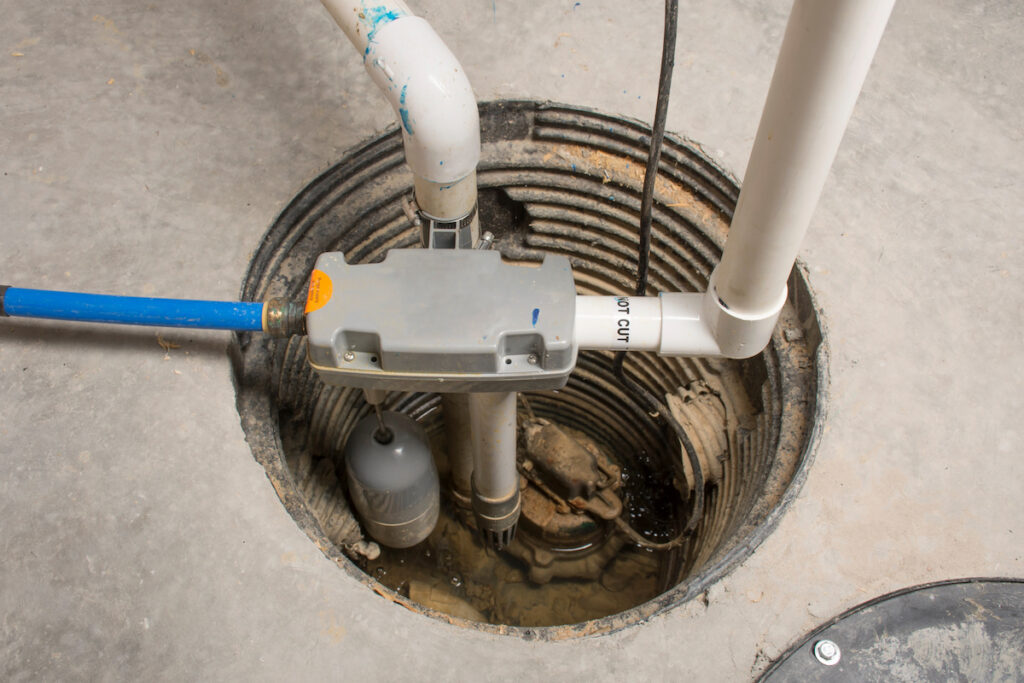
A sump pump can help remove groundwater that collects around a home’s foundation.
A failed pump, power outage, clogged discharge line, or mechanical problem can allow water or wastewater to accumulate. During severe storms, these systems may also have to handle significantly more water than usual.
Regularly checking pumps and making sure they are functioning properly can help homeowners identify problems before they lead to flooding or backup conditions.
What Should You Do After a Sewer Backup?
If sewage has backed up into your home, avoid contact with the contaminated water whenever possible. Keep children and pets away from the affected area and avoid using plumbing fixtures if you can.
You should also address the source of the backup as quickly as possible. Our IICRC certified professionals can help determine whether the problem is related to a blockage, damaged sewer line, pump, or another plumbing issue.
Once the source has been addressed, the areas will still need to be properly cleaned and dried. If you have a problem, our professional sewage cleanup services are the services for you. Call our experts today at (708)708-7876 or fill out our online contact form.