 PuroClean Disaster Mitigation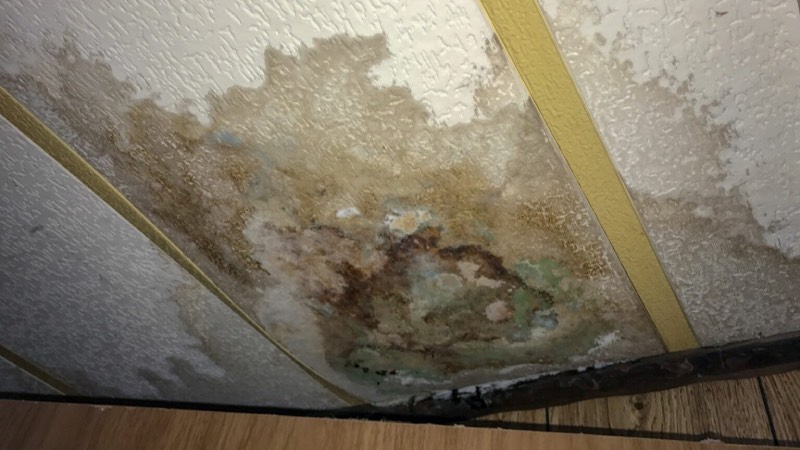
When your home or business suffers damage, one of the first questions you’ll have is: “How long will the property damage restoration process take?” In Illinois, restoration timelines can vary widely depending on the type of damage, the severity of the loss, insurance involvement, weather conditions, and even local regulations. Understanding each stage of the process can help you prepare and set realistic expectations while your property is being restored.
Below, we break down typical timelines for property damage restoration in Illinois. We discuss what affects those timelines, what homeowners can expect, and how professional restoration companies keep projects on track.
Typical Restoration Timelines in Illinois
While every situation is unique, industry averages provide a reliable starting point:
Water Damage
- Minor leaks or localized damage: 3–5 days
- Moderate water intrusion: 7–14 days
- Major flooding or structural saturation: 3–6 weeks
According to the IICRC (Institute of Inspection, Cleaning, and Restoration Certification), most water-damaged materials require continuous drying under controlled conditions. However, the materials involved, any repair, and reconstruction afterward are what can lengthen a restoration timeline.
Fire & Smoke Damage
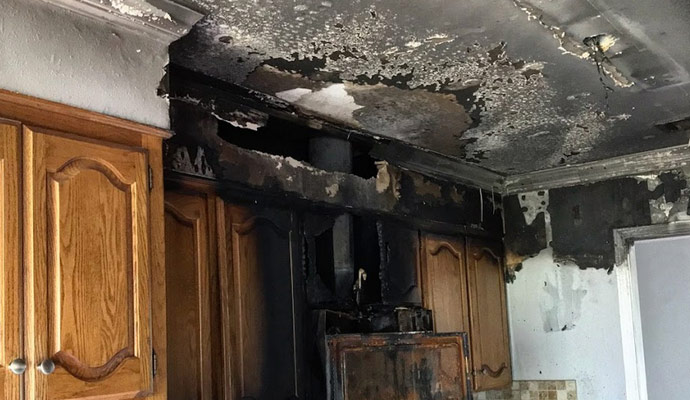
- Small stovetop or contained fire: 1–2 weeks
- Moderate fire affecting several rooms: 4–8 weeks
- Large structural fire: 6–12+ months
The U.S. Fire Administration reports that Illinois experiences thousands of structure fires each year, many of which require full reconstruction. These cases naturally take longer due to structural repairs, smoke removal, and soot cleanup.
Mold Remediation
- Small, contained mold issue: 1–3 days
- Moderate contamination: 3–7 days
- Widespread mold requiring demolition: 1–3 weeks
Mold timelines depend heavily on testing, containment setup, and whether materials need to be removed and replaced.
Storm Damage
- Minor wind/hail repairs: 3–7 days
- Roof repairs or siding replacement: 1–4 weeks
- Major storm or tornado damage: 1–6+ months
Illinois is part of “Tornado Alley’s northern edge”. The state averages around 50 tornadoes annually. Large storm events often delay property damage restoration because local contractors and insurance companies face high demand all at once.
Key Factors That Affect Property Damage Restoration Timelines in Illinois
Illinois has unique regional factors that influence how long restoration projects take. Here are the biggest ones:
1. The Type and Severity of Damage
Depending on the severity of a damage event, timelines will vary. The earlier things are caught and the less time damages have to progress, the quicker property damage restoration will be.
- A pipe burst on the first floor may dry quickly if caught early.
- A basement flood in Dolton, Schaumburg, or Chicago’s South Suburbs can take longer due to poor drainage and Illinois’ high groundwater levels.
- Fire damage in Illinois will often requires structural engineers and municipal inspections.
The more materials affected in the damage event will also increase the restoration timeline.
2. Weather Conditions
Illinois weather plays a huge role in property damage restoration timelines:
- Winter freezes can delay exterior repairs or concrete work.
- High summer humidity slows drying times for water damage, due to excess moisture in the air.
- Spring storms and tornado season (March–June) create contractor backlogs.
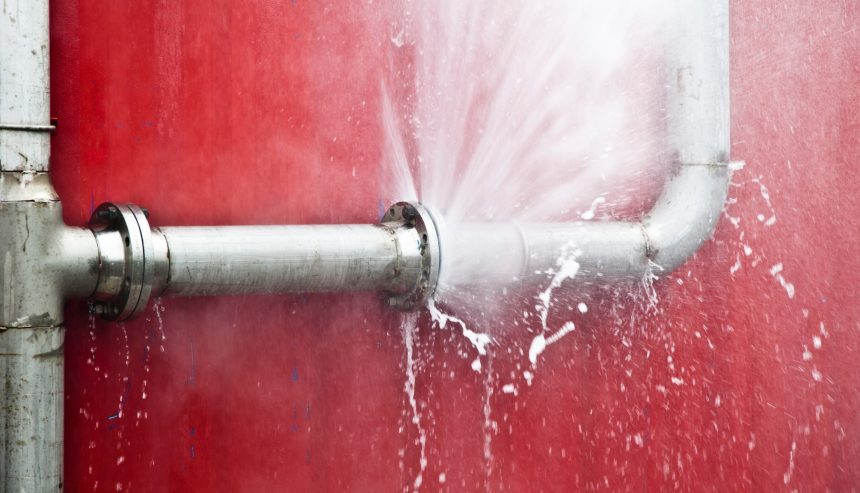
- Severe cold snaps increase home and commercial pipe bursts, which can increase restoration demand and overwhelm companies.
Even indoor environments are influenced by outside conditions, as drying equipment must maintain specific temperature and humidity levels.
3. Insurance Claims & Approvals
Insurance companies are a common property damage restoration timeline determiner. While some claims move quickly, others take time due to:
- Adjuster availability (especially after storms)
- Disputes over coverage
- Necessary documentation and photo evidence
- Replacement cost estimates
- Municipal permit requirements
After a major Illinois storm, adjusters may be spread thin, extending claims by several days or even weeks. Restoration work often cannot begin until the insurer authorizes the job.
4. Permit & Inspection Requirements
Certain Illinois municipalities, especially Cook County, Chicago, Oak Lawn, Joliet, and others, require permits for:
- Structural repairs
- Electrical work
- Roofing
- Fire restoration
- Major reconstruction
In Illinois, permit processing can take anywhere from 1–21 days, depending on the city’s workload.
Fire damage almost always requires multiple inspections:
- Structural
- Electrical
- HVAC
- Framing
- Final occupancy
These inspections protect you but can extend the overall schedule.
5. Material Availability & Supply Chain Delays
Construction materials availability varies seasonally in Illinois. Common delays include:
- Roofing shingles
- Drywall
- Windows and doors
- Flooring
- Cabinets
- Custom materials
After a widespread storm, shingles and roofing materials may be back-ordered for 2–6 weeks depending on demand.
6. Whether Mold Is Present
Illinois’ humidity makes mold extremely common after water damage. If detected, restoration pauses until mold remediation is complete. This step can add 3–7+ days, depending on severity.
What Homeowners Can Do to Speed Up the Property Damage Restoration Process
Although some delays are unavoidable, there are steps homeowners can take to help the process move faster:
1. Call Puroclean Immediately
Fast action prevents secondary damage. The quicker you call 708-348-9100, the shorter the overall property damage restoration timeline will be.
2. Contact Your Insurance Provider Promptly
Start the claim immediately, upload photos, and keep all receipts. Faster communication means faster approval. Once Puroclean is on the job, our team will be able to assist you with documentation.
3. Maintain Open Communication
Respond to your restoration company’s requests for access, information, or approvals as quickly as possible. Keeping open communication with your insurance agency will help us streamline the restoration process as well.


 PuroClean Disaster Mitigation