 PuroClean Disaster Mitigation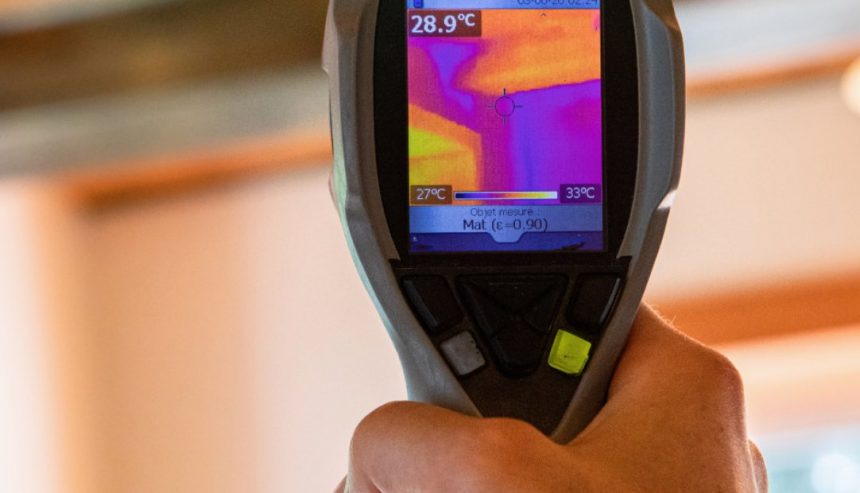
Fire damage leaves more than visible scars on your property. One of the most commonly overlooked consequences of a fire is the fire damage on indoor air quality. Smoke and soot released during a fire contain harmful chemicals that can remain in the air long after the flames are extinguished.
These airborne pollutants may include substances such as carbon monoxide, benzene, and formaldehyde. When inhaled, these particles can lead to respiratory problems and other health issues. These airborne pollutants can be especially harmful to vulnerable individuals like children, seniors, and those with existing health conditions.
Soot particles are extremely small and easily travel through the air, settling into walls, flooring, furniture, and insulation. Even after the fire is out, these materials can continue to release contaminants, prolonging poor indoor air quality.
That’s why professional fire damage cleanup and smoke damage restoration are essential. Proper remediation not only removes visible residue but also addresses the lingering pollutants that compromise indoor air safety.
Understanding the full scope of fire damage on indoor air quality helps highlight the importance of restoring indoor air quality as part of the recovery process. Thorough, professional intervention ensures your property is not only repaired, but safe to occupy once again.
Immediate Steps to Take Following Fire Damage
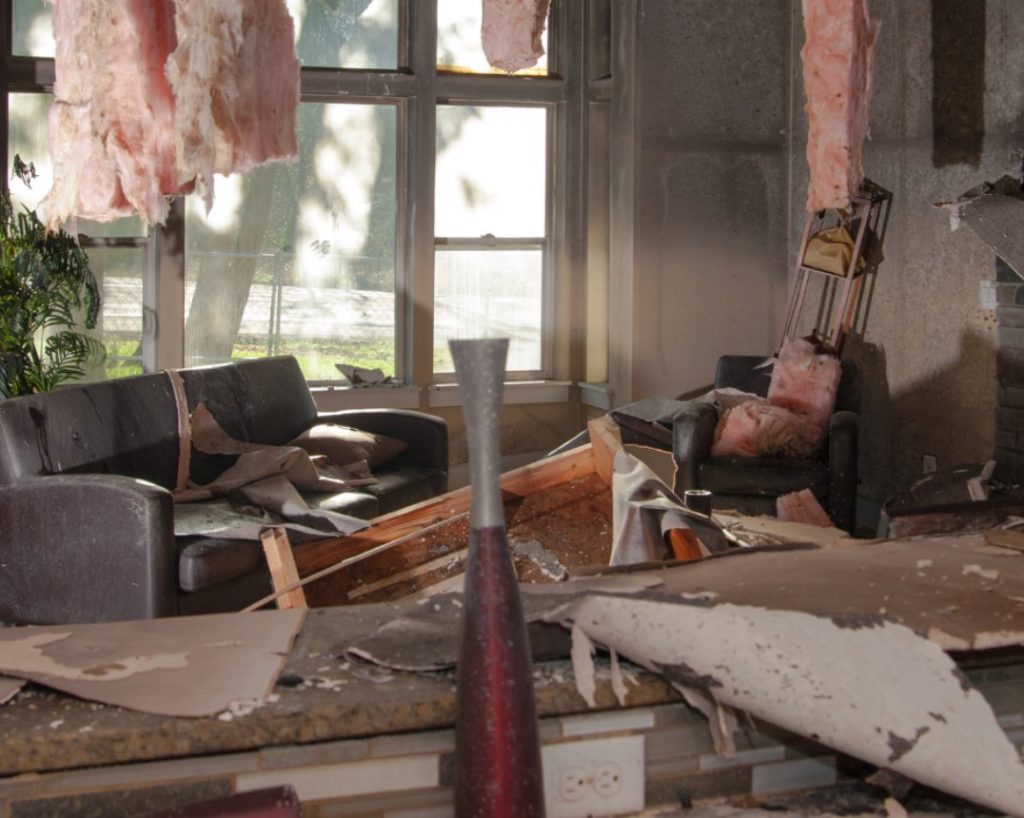
Responding quickly after a fire will help limit further damage to your property, and will protect the health of you and your loved ones. Taking the right steps immediately can significantly reduce the long-term effects of fire damage on indoor air quality.
The first priority is safety. Make sure everyone has exited the building and contact emergency services if needed. Do not reenter the property until professionals confirm it is safe Even though structural damage may not be visible, it is always dangerous.
Once the fire is fully extinguished and access is permitted, several actions can help prevent additional harm:
- Open windows and doors to release trapped smoke and improve ventilation
- Avoid touching or moving fire-damaged items, as soot can spread easily
- Photograph and document all damage for insurance purposes
- Contact a professional fire damage restoration company as soon as possible
These early measures can greatly reduce lingering smoke residue and toxins. Fast action often leads to a smoother, more effective recovery.
Importance of a Quick Response
A rapid response limits how deeply smoke, soot, and harmful chemicals penetrate surfaces and materials. The sooner cleanup begins, the easier it is to restore healthy indoor conditions.
Immediate ventilation helps lower health risks in the critical hours following a fire. Acting promptly also helps preserve the structure of your property, potentially reducing repair costs and preventing more complex restoration work later.
Professional Fire Damage Cleanup
Our professional fire damage restoration team is trained to address the full scope of fire damage on indoor quality. They use specialized equipment and proven techniques to remove soot, neutralize odors, and eliminate airborne contaminants.
Experienced technicians can safely manage hazardous residues and clean areas that are often overlooked during DIY efforts. Their comprehensive approach ensures a cleaner, safer environment.
Overall, professional intervention plays a vital role in restoring indoor air quality and peace of mind. Trusting experts with the cleanup process helps ensure your property is truly safe and ready to be occupied again.
Health Risks Associated with Fire Damage

Fire damage can have serious and lasting effects on human health. Even after the flames are extinguished, harmful particles can remain suspended in the air, which creates ongoing risks inside the property.
These pollutants are more than just unpleasant odors or surface residue. Fire damage on indoor air quality introduces hazardous particles that can significantly impact health, particularly for vulnerable populations.
Smoke and soot particles easily infiltrate homes, embedding themselves in walls, furniture, and ventilation systems. This fire damage on indoor air quality can lead to repeated exposure as particles continue to circulate through the air. Breathing in these pollutants may cause a range of health problems.
Short-term symptoms often include irritation of the eyes, nose, and throat, along with headaches or coughing. While these effects can be uncomfortable, the long-term consequences of untreated fire damage on indoor air quality are far more concerning.
Extended exposure can worsen pre-existing conditions such as asthma, allergies, or other respiratory disorders. Children and older adults are especially at risk, as their immune systems may be less able to tolerate prolonged contact with airborne toxins.
Restoring a healthy indoor environment after a fire requires thorough and professional cleanup. Without proper remediation, fire damage on indoor air quality can continue to pose health threats long after the initial incident.
Respiratory Issues and Long-Term Health Effects
A fires’ smoke contains a complex mix of toxic chemicals that can damage the lungs and respiratory system when inhaled. Continued exposure may contribute to chronic breathing difficulties and reduced lung function.
For individuals with asthma or other respiratory conditions, symptoms can intensify over time. Long-term exposure to fire-related pollutants has also been linked to cardiovascular issues and an increased risk of certain cancers.
Addressing fire damage on indoor air quality promptly is critical to protecting long-term health. Effective cleanup and air quality restoration help reduce risks and create a safer living environment for everyone.
Smoke Damage Restoration Techniques
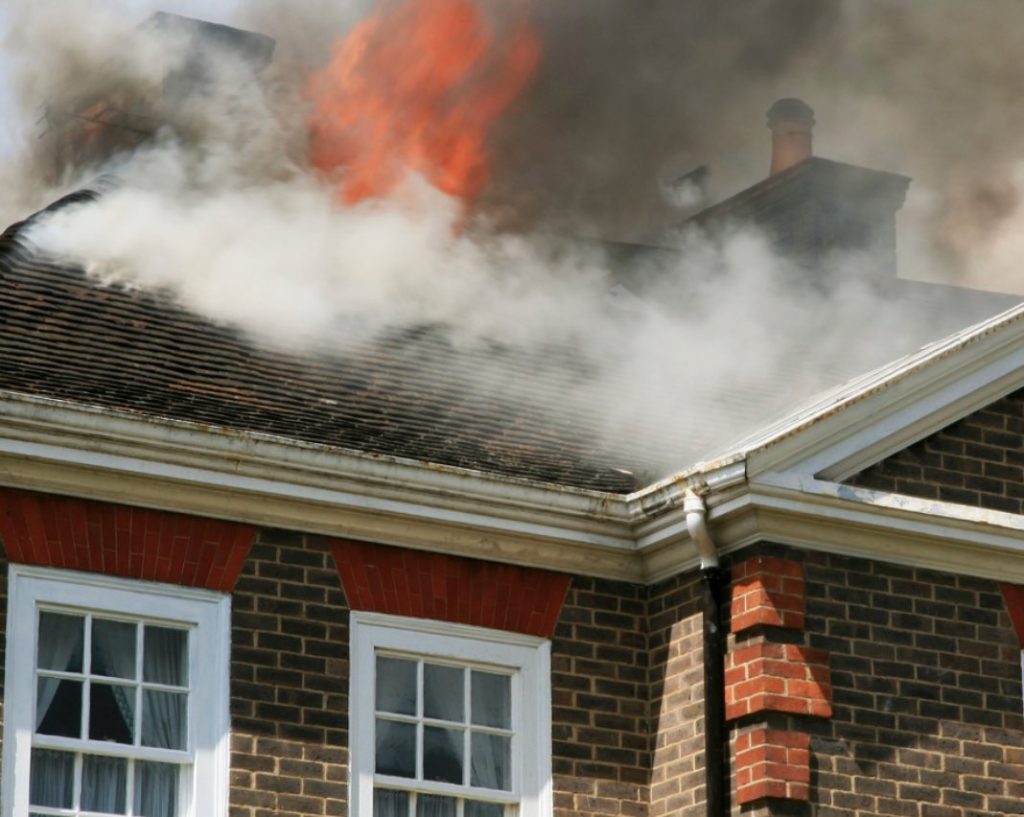
Effective smoke damage restoration plays a critical role in restoring indoor air quality after a fire. The process involves a series of systematic steps designed to remove contaminants, improve safety, and return the space to a healthy condition.
Professional restoration teams use specialized methods to eliminate soot, odors, and harmful airborne particles from affected areas. Thorough cleaning is essential, as smoke residue can settle on both visible surfaces and hidden materials such as insulation, ductwork, and wall cavities. Addressing all affected areas helps prevent long-term air quality issues.
Specialized Equipment and Techniques
Restoration experts rely on advanced equipment to ensure a comprehensive cleanup. Air scrubbers and HEPA vacuums are used to capture fine smoke particles that remain suspended in the air or embedded in surfaces.
Ozone generators are often employed to neutralize stubborn smoke odors by breaking them down at a molecular level. Another effective technique, thermal fogging, disperses deodorizing agents in a fine mist that penetrates hard-to-reach areas, providing deep and uniform odor removal.
Maintaining Indoor Air Quality After Fire Damage
Once fire damage cleanup is complete, maintaining indoor air quality requires ongoing attention. Continued efforts help prevent residual contaminants from affecting occupants over time.
Regular HVAC maintenance is essential. Replacing air filters and cleaning ductwork helps stop the circulation of lingering particles. Air purifiers equipped with HEPA filters can further improve air quality by capturing remaining pollutants.
Key steps to maintaining healthy indoor air include:
- Replacing HVAC filters on a regular schedule
- Using air purifiers with HEPA filtration
- Monitoring indoor air quality levels consistently
These measures contribute to a safer, more comfortable living or working environment.
Air Quality Monitoring and Improvement
Monitoring fire damage on indoor air quality is an important part of long-term recovery. Air quality monitors provide real-time data, helping ensure conditions remain safe.
Routine inspections by restoration professionals can identify hidden issues before they become serious problems. This proactive approach supports a healthier indoor environment and reduces the risk of future complications.
Professional Fire Damage Restoration
Professional fire damage on indoor air quality restoration ensures that cleanup and air quality restoration are handled thoroughly and correctly. Trained experts use advanced tools and proven techniques to address all potential hazards.
Investing in professional restoration services not only protects health and property but also provides peace of mind. Knowing that smoke, soot, and airborne contaminants have been properly removed allows occupants to return to their space with confidence.
For expert fire and smoke damage restoration services for your home or business, contactPuroClean Disaster Mitigation in Alsip at 708-708-7876 for expert services.


 PuroClean Disaster Mitigation