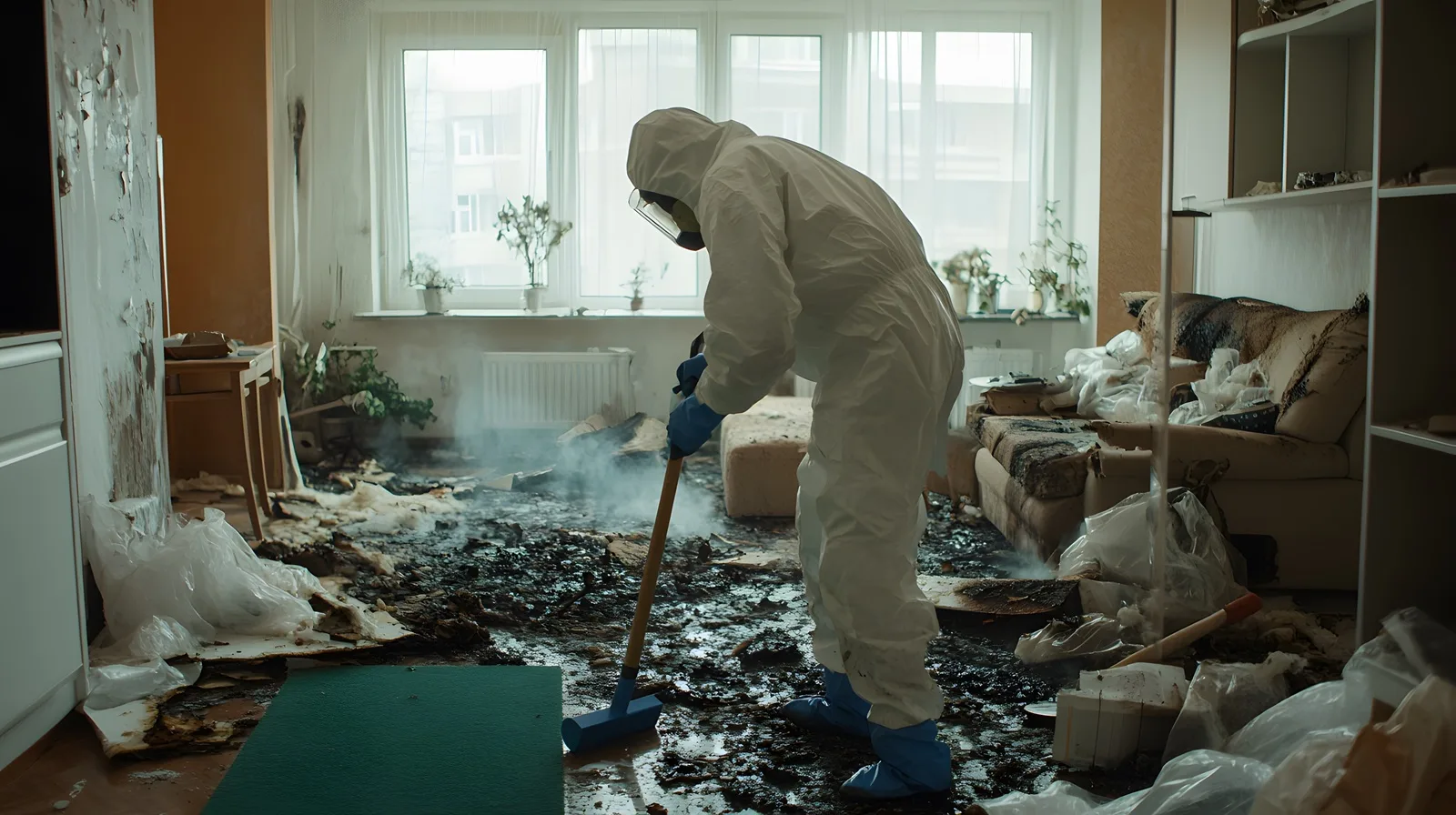
After a house fire, the danger unfortunately doesn’t stop once the flames have been put out.
Water is the biggest enemy of hardwood floors.
Portable electrical heaters come in different shapes and sizes, but all of them can use large amounts of electricity.
The cold temperatures of winter can cause serious damage to your home.
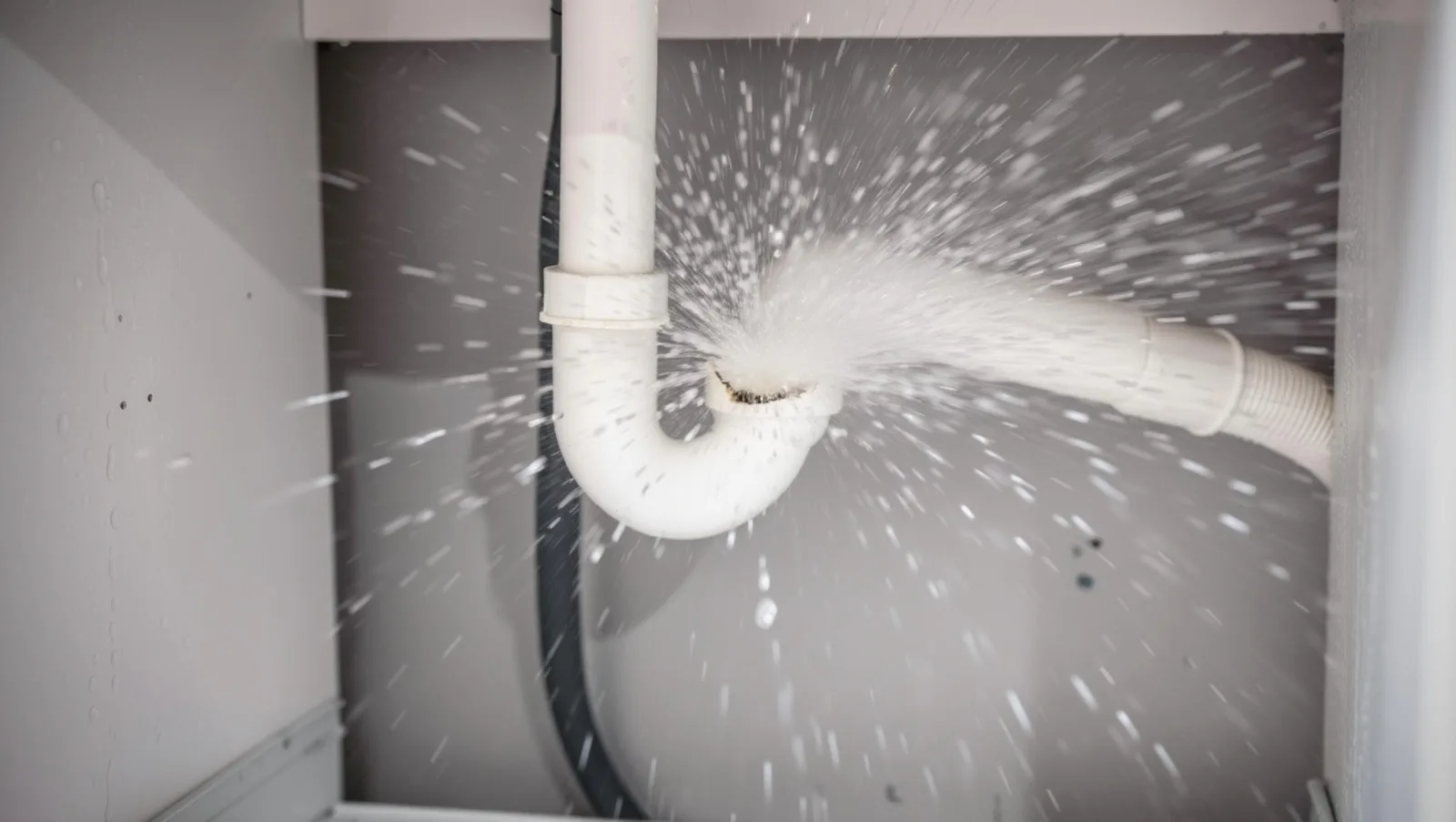
Dishwasher leaks can be caused by a number of reasons, such as overloading the dishwasher, using too much detergent or by a faulty gasket.
When our driveways are covered in snow, we either remove the snow with snow blowers or – the old school way – using shovels.
Gasoline is an essential part of everyday life, but failing to use it carefully can lead to injuries, fires or other disasters.
When a fire breaks out in your home, you only have a few minutes to act.
Due to their natural curiosity, children may unknowingly put themselves at risk by playing with matches and lighters.
Outdoor animals are exposed to great risks during snowstorms.
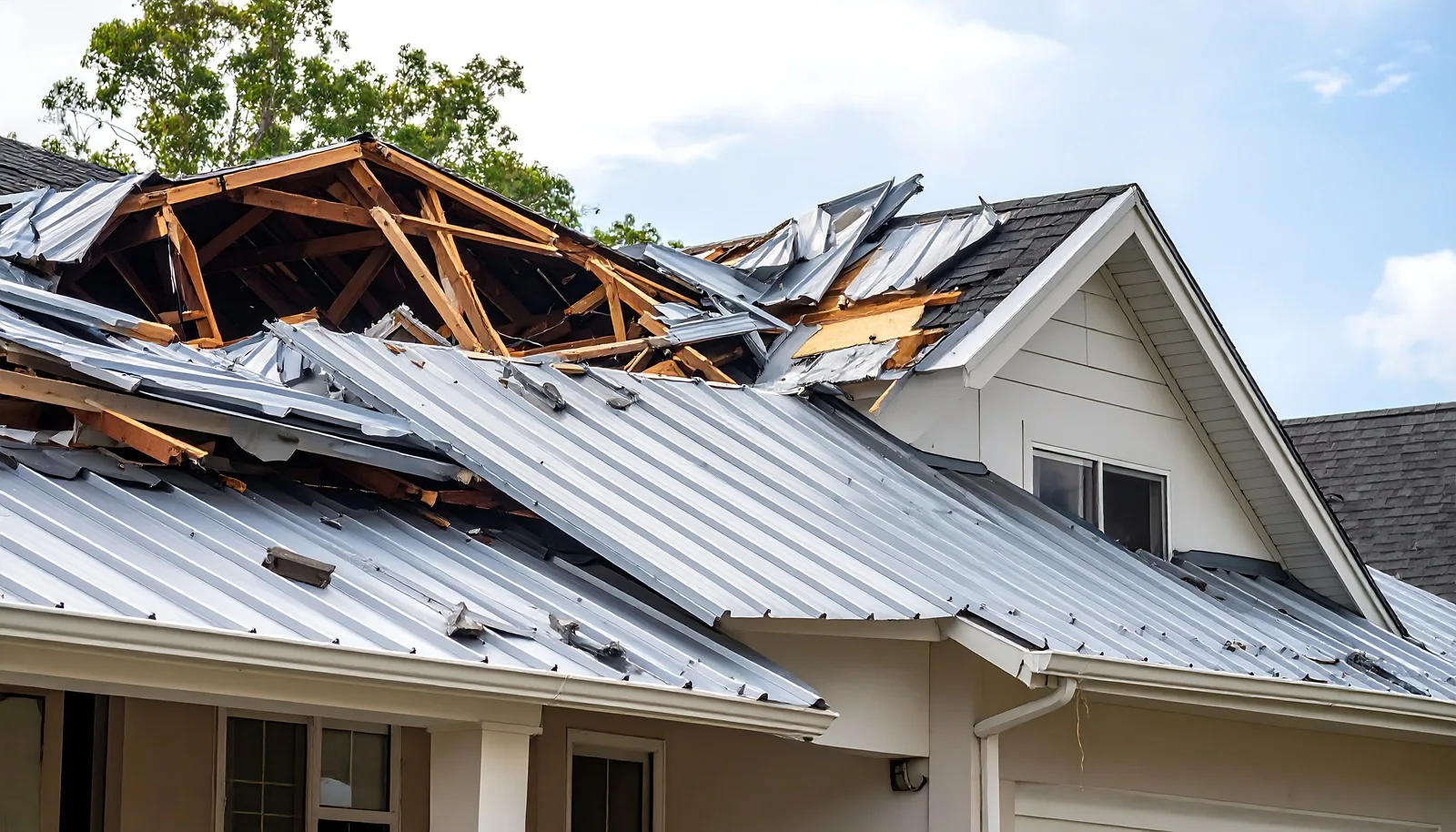
Even though most building codes require that residential roofs support the biggest snowfalls in your area, there is still a risk of roof damage.
Each year, we strive to better ourselves by making and keeping a new set of resolutions.
When entering a place of public assembly (nightclubs, restaurants, exhibition halls, etc.
You may have experienced this situation before: the air in your home feels stuffy, your allergies are acting up, or there’s a lingering musty smell that won’t go away.
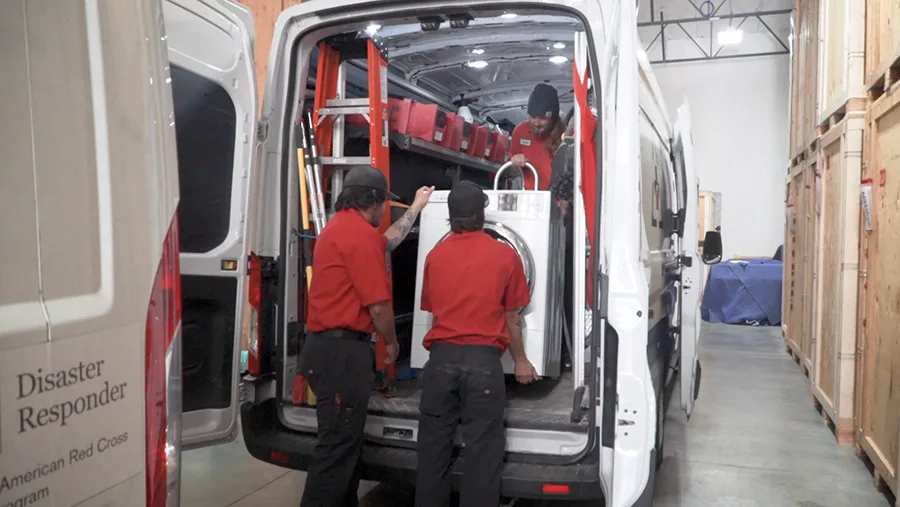
After a home disaster caused by fire, water, or mold, protecting your belongings becomes just as important as repairing the structure itself.
Each year, many homeowners set goals focused on health, finances, or productivity, but often overlook their living space.
When cold weather arrives, you dust off your warm shoes and jackets and turn the heat up in your home, but preparing for colder months involves more than adjusting the [...]