 PuroClean of Ft. Lauderdale South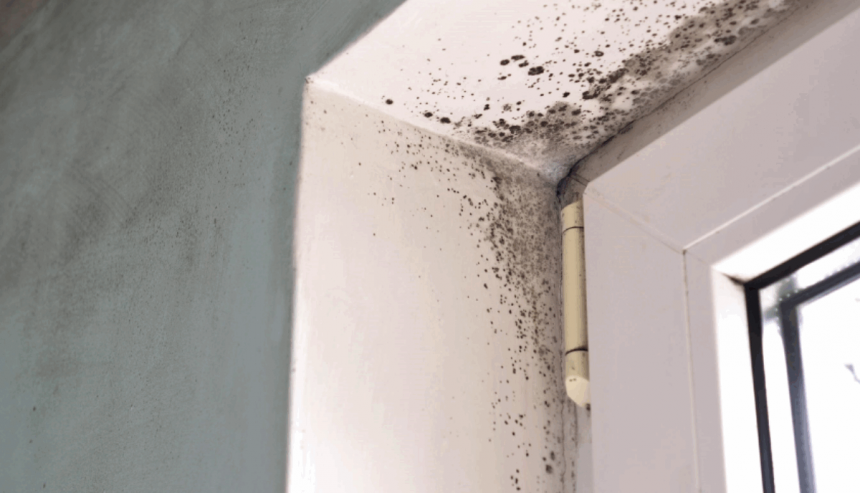
Mold remediation in Fort Lauderdale often starts with chasing down the humidity that’s baked into our daily weather here in South Florida. I pulled up to a job in Pembroke Pines last week where the caller mentioned a slight damp smell in the utility room—it ended up being mold creeping up from an AC leak that had gone unnoticed for days. In Fort Lauderdale condos, where the air stays thick even in winter, moisture from daily rains or poor ventilation sets the stage for growth behind walls or in vents. We’ve handled dozens of these from our Hollywood office, covering South Broward spots like Lauderdale Lakes, where quick assessments make the difference between a simple cleanup and ripping out drywall.
The key is understanding how our local climate drives these issues. Mold remediation in Fort Lauderdale isn’t just about scrubbing spots; it’s tracing back to sources like condensation on pipes or unsealed windows. I’ve seen adjusters on site pushing for 48-hour timelines to dry things out, knowing delays let spores spread. Let’s get into what we’ve learned from real calls, breaking down the risks and how we tackle them for homes and commercial properties alike.
Table of Contents
How High Humidity Fuels Mold Growth in Fort Lauderdale
Our air down here rarely dips below 70%, and that constant moisture invites trouble indoors. On a recent inspection in a South Broward warehouse, humidity readings topped 65% in the back rooms, where boxes blocked airflow—perfect for mold to take root on concrete. EPA guidelines warn that levels over 60% accelerate this, and in Fort Lauderdale, hitting that mark happens without much effort if dehumidifiers aren’t in play.
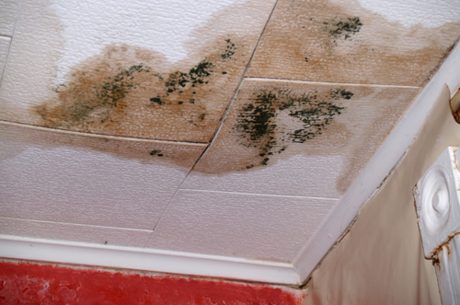
In homes, it often builds in bathrooms or kitchens from steam that doesn’t vent properly. For businesses, like offices in Pembroke Pines, it’s slab foundations that wick up dampness. Ignore it, and you end up with staining on ceilings or that telltale odor indicating it’s embedded deeper.

Mold Remediation in Fort Lauderdale: Steps We Take on Site
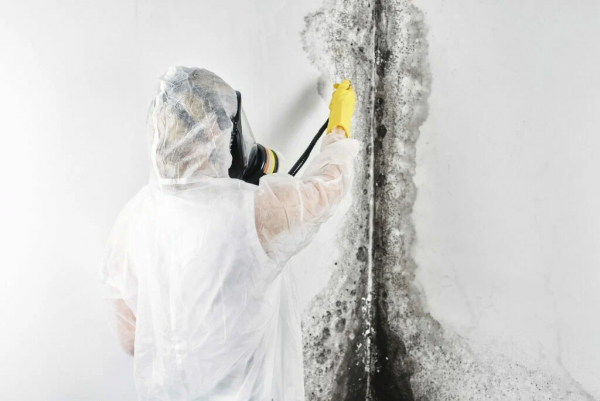
For mold remediation in Fort Lauderdale, timing is everything in this humid setup. I’ve arrived at emergency calls where a homeowner spots dark patches after a downpour, and we immediately scan with moisture probes to uncover hidden areas, like under flooring. We seal off the zone first to contain airborne spores, then remove affected materials carefully, filtering the air with HEPA units.
Take a Hollywood apartment we did last month: mold from humidity in the HVAC had the tenant coughing more than usual. We cleared the ducts, sanitized surfaces, and ran tests to confirm it was gone. In commercial spaces, such as a Fort Lauderdale retail spot, we time it for off-hours, drying overnight to avoid closing doors during peak times.
Simple habits help prevent recurrence—keep vents clear, fix drips right away, and watch local weather trends for humidity surges that push risks higher.

Water Damage and Its Link to Mold Remediation in Fort Lauderdale
Much of the water damage we see ties directly to humidity, not just big leaks. Pipes sweat in Pembroke Pines garages, pooling water that soaks into subfloors and invites mold if not extracted fast. We’ve pulled equipment in for jobs where a slow drip went unchecked, turning into widespread growth that requires full mold remediation in Fort Lauderdale homes.
The process starts with pumping out visible water, followed by fans and dehumidifiers to pull moisture from joists or carpet. In a South Broward condo last Tuesday, humidity loosened a seal during rain, letting water track down walls—we had it stable in 72 hours, heading off further issues. Home calls often come after spotting soft spots; for offices, it’s about saving files or gear from corrosion. Check our water damage restoration page for more on how we coordinate with insurance on these.
Fire and Smoke Damage Complications in Humid Fort Lauderdale Air
Fires strike anytime, but cleanup gets messier with our humidity binding soot to everything. I worked a kitchen incident in a Fort Lauderdale rental where residues turned sticky, digging into paint and making removal tougher—sometimes linking back to mold remediation in Fort Lauderdale if moisture lingers.
We wipe down with targeted cleaners, then hit odors that moisture traps in fabrics or insulation. A Pembroke Pines house had smoke lingering in the attic weeks later—we hauled out the damaged parts and fogged to break it down. Businesses, like cafes in Lauderdale, need us to move quick to reopen; we log every step for adjusters. See our fire and smoke damage restoration details if you’re dealing with something similar.
Dealing with Biohazards in a Humid South Florida Climate
Biohazards worsen fast in warm, damp conditions—sewage backups breed bacteria quicker here. A mid-week call in Hollywood involved a humid bathroom overflow; the mix sat long enough to start molding on grout, often requiring mold remediation in Fort Lauderdale alongside the cleanup.
Full gear on, we remove soiled items, disinfect walls and floors, and monitor drying since humidity extends the timeline. In hoarding cases across South Broward, cluttered spaces trap moist air, amplifying decay or pests—we clear layer by layer to restore usability. For more on our approach, head to the biohazard cleanup section.
Strategies for Smoke Odor Removal in Fort Lauderdale
Odors from smoke embed deeper in humid environments, resurfacing on wet days. We’ve treated Fort Lauderdale condos where post-fire smells hid in upholstery, requiring air scrubbers to filter them out—humidity can even spark secondary mold issues needing remediation in Fort Lauderdale.
Then it’s enzyme treatments or fogging for porous spots. An office in Lauderdale Lakes had furniture holding the scent—we targeted it without tossing everything. These steps tie back to broader mold remediation in Fort Lauderdale when humidity plays a role.
Storm Damage Aftermath and Humidity in Broward County
Storms leave roofs vulnerable, and trapped humidity under tarps sparks interior problems. Post-2025 squalls, we fixed Pembroke Pines homes where moisture caused staining without obvious leaks, leading straight to mold remediation in Fort Lauderdale for affected interiors.
We board up, extract, and dehumidify while documenting for claims. Adjusters expect tight schedules—we deliver with on-site decisions to minimize spread. Explore our storm damage repair page for hurricane-specific tips.
Preventing Mold from Humidity in Pembroke Pines and Beyond
Stopping mold remediation needs in Fort Lauderdale means daily checks: use meters to keep indoors under 50%, seal gaps, and run fans in tight areas. I’ve advised property managers on simple AC maintenance that avoids half our calls, cutting down on full-scale mold remediation in Fort Lauderdale businesses.

What to Do Next If You’re Spotting Signs in Fort Lauderdale
A musty whiff, visible growth, or sudden allergies? Test humidity—over 60% signals action. CDC on mold health effects highlights why not to wait in our climate. From Hollywood, we offer inspections for South Broward properties, residential or commercial. If it feels off, a quick look often catches it early, saving major work. Give us a ring to walk through your setup.

 PuroClean of Ft. Lauderdale South