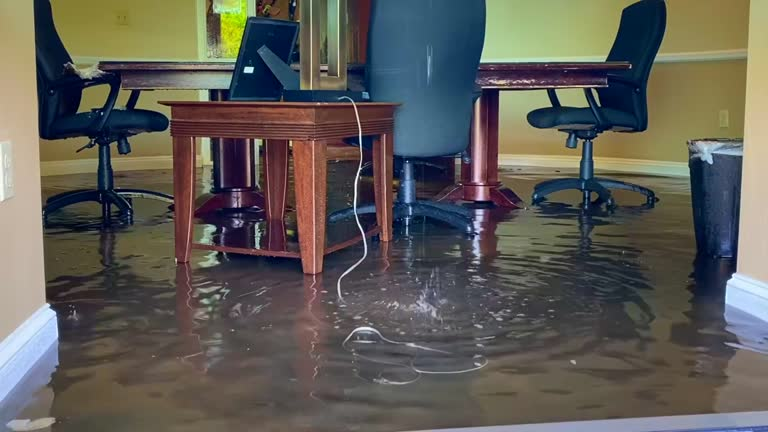
A major flood can leave behind much more than standing water. Floors, walls, furniture, insulation, electrical systems, and personal belongings can all be affected, sometimes in ways that are not immediately visible. That is why flood water damage restoration involves much more than simply pumping water out of a property.
After a flood, the first priority is safety. Once the property is safe to enter, the restoration process focuses on removing standing water, identifying hidden moisture, cleaning affected areas, drying materials, and repairing damage. Acting quickly can help reduce the amount of damage and prevent moisture-related problems from getting worse.
For homeowners and businesses in Peoria, understanding what happens after a major flood can make the situation feel more manageable. Professional restoration teams use specialized equipment and established procedures to help return the property to a safe, usable condition.
Table of Contents
1. The First Step Is Making Sure the Property Is Safe
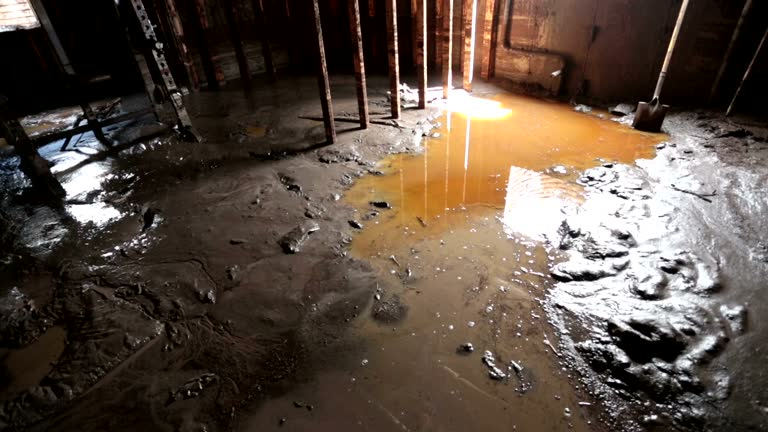
After a major flood, it can be tempting to walk inside immediately and start cleaning. However, floodwater can create hazards that are not always obvious.
Floodwater may contain contaminants, debris, sewage, chemicals, or other substances that make direct contact unsafe. There may also be electrical hazards, structural damage, unstable flooring, or weakened walls.
Before beginning cleanup, restoration professionals assess the property and look for potential hazards.
Common concerns include:
- Standing water near electrical outlets or appliances
- Damaged ceilings, floors, walls, or structural components
- Contaminated floodwater
- Broken glass, nails, or other debris
- Sewage backups or wastewater
- Hidden moisture behind walls or beneath flooring
Do not assume a property is safe simply because the water level has dropped. A professional assessment can help determine what areas require attention before restoration begins.
Once the property is considered safe to enter, the actual flood water damage restoration process can begin.
2. The Floodwater Needs to Be Removed
One of the first major restoration tasks is removing standing water.
The longer water remains inside a property, the more opportunity it has to soak into building materials and belongings. Water can move into carpeting, drywall, subfloors, insulation, cabinets, furniture, and other porous materials.
Professional restoration crews may use equipment such as:
- Submersible pumps
- Wet vacuums
- Portable extraction equipment
- Commercial-grade air movers
- Dehumidifiers
- Moisture detection equipment
The amount of equipment needed depends on the size of the flood and the amount of water present.
A small amount of standing water in one room requires a different response than several inches of water throughout an entire building.
Removing visible water is an important milestone, but it does not mean the property is dry.
That is where the next stage becomes especially important.
3. Professionals Look for Hidden Moisture
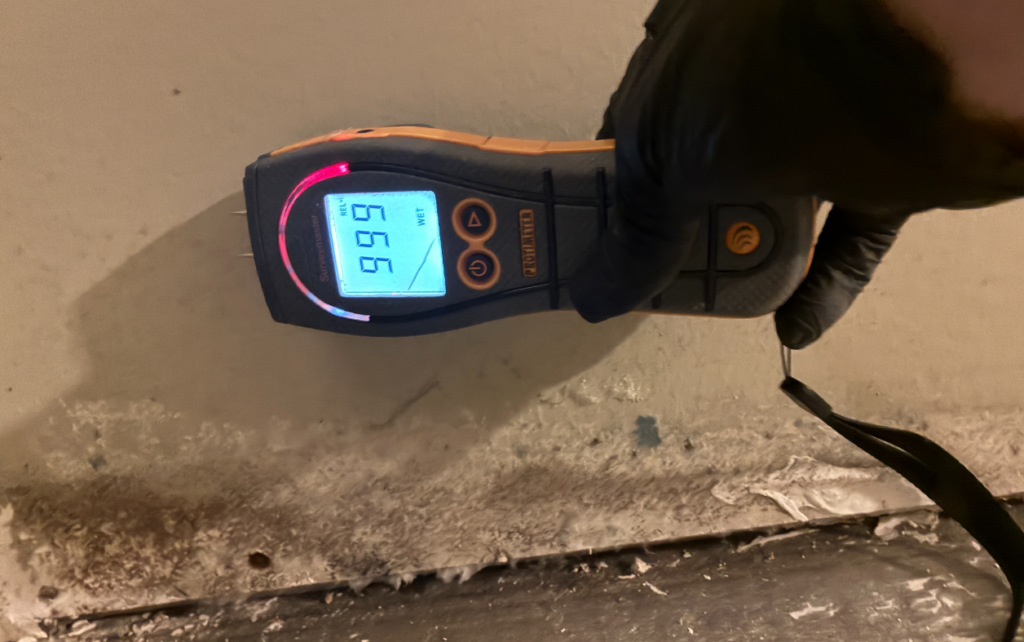
One of the biggest challenges after a flood is moisture that cannot be seen.
Water can travel beneath flooring, behind drywall, inside cabinets, under baseboards, and into insulation. A surface may feel dry while moisture remains underneath.
This is why professional flood water damage restoration often involves moisture detection equipment and eventual mold remediation processes.
Restoration professionals may check:
- Walls and drywall
- Flooring and subflooring
- Baseboards
- Cabinets
- Ceilings
- Insulation
- Carpeting and padding
- Furniture
- Crawlspaces and other concealed areas
Moisture measurements help restoration professionals determine which materials are wet and which areas require additional drying.
This is particularly important after a major flood because the visible water is only part of the problem.
If hidden moisture is left behind, it can contribute to additional property damage and create conditions that support mold growth.
4. Some Materials May Need to Be Removed
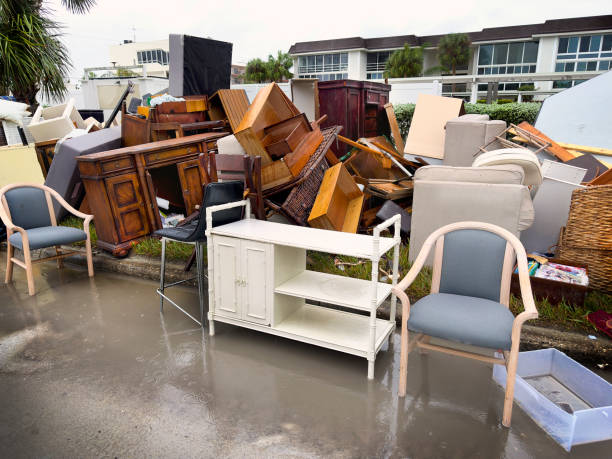
Not every item affected by floodwater can simply be dried and put back.
Porous materials can absorb large amounts of water. Depending on the type of water involved, the length of exposure, and the condition of the material, some items may need to be removed and discarded.
Examples can include:
- Saturated drywall
- Wet insulation
- Severely damaged carpet padding
- Certain types of flooring
- Heavily saturated building materials
- Contaminated porous belongings
Professionals evaluate affected materials based on their condition and the type of water involved.
Floodwater can be particularly concerning because it may contain contaminants. Materials exposed to contaminated water may require different handling than materials affected by a clean water leak.
The goal is not to remove everything. The goal is to determine what can reasonably be cleaned and restored and what cannot.
5. Drying Starts After the Standing Water Is Gone
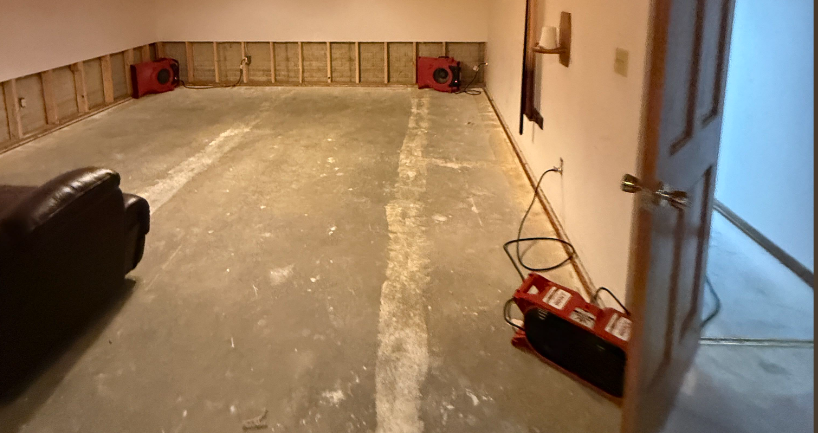
Once standing water has been removed, the property still needs to be thoroughly dried.
This is one of the most important parts of flood water damage restoration.
Professional drying typically involves strategically placing air movers and dehumidifiers throughout affected areas. These machines help move moisture out of building materials and into the air, where dehumidification equipment can remove it.
The drying process can vary depending on:
- How much water entered the property
- How long the materials were exposed
- The type of materials affected
- Indoor temperature and humidity
- Air circulation
- The amount of hidden moisture
- The size of the affected area
Professionals may monitor moisture levels throughout the process rather than simply running equipment for a predetermined amount of time.
That distinction matters.
A room can look dry while moisture remains inside walls or beneath flooring. Moisture monitoring helps determine when affected materials have reached appropriate drying levels.
6. Cleaning and Disinfecting Become Important
Floodwater can leave behind more than moisture.
Depending on where the water came from, it may carry dirt, bacteria, sewage, chemicals, and other contaminants into the property.
That means cleaning after a major flood may require more than soap and water.
Professional restoration teams can clean affected surfaces and determine what materials require specialized treatment.
Cleaning may involve:
- Removing dirt and debris
- Cleaning hard surfaces
- Disinfecting affected areas when appropriate
- Cleaning salvageable belongings
- Addressing contaminated materials
- Removing materials that cannot be safely restored
The exact cleaning process depends heavily on the source and category of the water.
This is one reason homeowners should be cautious about attempting extensive flood cleanup themselves, especially when the floodwater came from outside, a sewer backup, or another potentially contaminated source.
People also read: Water Damage Restoration in Peoria: What to Do in the First 24 Hours
7. Mold Prevention Is Part of the Restoration Process
Flooding can create ideal conditions for mold growth.
Mold needs moisture and an appropriate environment to grow. After a major flood, that moisture may be present throughout the property.
Mold can potentially develop in areas such as:
- Drywall
- Wood
- Carpet
- Insulation
- Ceiling materials
- Cabinets
- Stored belongings
- Hidden wall cavities
This is why fast drying is such an important part of flood water damage restoration.
Restoration professionals focus on removing excess moisture and drying affected materials. If mold is already present, additional mold assessment and remediation may be necessary.
Do not rely on a property simply “looking dry.” Hidden moisture can remain even after visible water has disappeared.
If you already notice a musty odor, visible mold, or persistent dampness after a flood, professional evaluation can help determine what is happening.
Mold Warning Signs: 6 Dangerous Signals You Should Never Ignore
8. Your Belongings May Need Special Attention
A major flood can affect much more than the structure of your home.
Furniture, clothing, documents, electronics, appliances, photographs, and other belongings may also be exposed to water.
Some items may be salvageable with appropriate cleaning and drying. Others may be too heavily damaged or contaminated to restore.
During flood water damage restoration, professionals can help identify which belongings may be candidates for restoration.
Items may be evaluated based on:
- Material
- Amount of water exposure
- Length of exposure
- Type of floodwater
- Current condition
- Potential contamination
- Whether the item can be safely cleaned
Avoid throwing away everything immediately unless it presents a safety concern. Documentation and professional evaluation can help determine what can be restored.
9. Documentation Can Help With the Insurance Process

Flood damage can be expensive, especially when multiple rooms and building systems are affected.
Before extensive cleanup begins, homeowners may want to document the damage when it is safe to do so.
Useful documentation can include:
- Photos of standing water
- Photos of damaged rooms
- Videos showing the extent of the damage
- Pictures of damaged belongings
- A list of affected items
- Notes about when the flooding occurred
- Receipts or other records for damaged property
Contact your insurance company as soon as practical to report the loss and ask about the documentation they require.
It is important to remember that insurance coverage varies by policy and situation. Flood damage may also involve different coverage considerations depending on the source of the water.
A restoration company can document affected areas and provide information about the restoration work, but your insurance provider determines coverage under your policy.
You should also read: Water Damage Insurance Claim in Mapleton, IL: A Step-by-Step Guide
10. Restoration Does Not End When the Property Is Dry
Drying the property is a major part of the process, but it may not be the final step.
A major flood can damage walls, floors, cabinets, trim, insulation, and other components of the building.
Once cleanup and drying are complete, repairs may be necessary.
Depending on the extent of the damage, restoration may involve:
- Replacing damaged drywall
- Repairing or replacing flooring
- Replacing insulation
- Repairing baseboards and trim
- Rebuilding cabinets
- Painting affected areas
- Repairing other damaged portions of the property
This is where flood water damage restoration can transition from emergency mitigation to reconstruction.
The objective is to address the damage that remains after the water has been removed and the affected areas have been properly dried and cleaned.
11. What Should You Do While Waiting for Professional Help?
If your property has experienced major flooding, there are several steps you can take while waiting for professional assistance.
First, stay out of areas that may have electrical or structural hazards.
Then, if it is safe:
- Keep people and pets away from standing water
- Move undamaged belongings to a dry location
- Avoid using electrical equipment in wet areas
- Do not use household vacuums to remove standing water
- Take photos and videos of the damage
- Contact your insurance company
- Avoid disturbing potentially contaminated materials
- Follow instructions from local authorities and restoration professionals
Do not put yourself at risk trying to save belongings.
Flood cleanup can involve hazards that are difficult to identify without professional training and equipment.
When Should You Call a Professional Restoration Company?

A small amount of clean water from a minor spill may be something a homeowner can handle.
A major flood is different.
Professional flood water damage restoration is especially important when:
- Multiple rooms are affected
- There is significant standing water
- Floodwater entered from outside
- Sewage or contaminated water is involved
- Drywall or insulation is saturated
- Water has entered beneath flooring
- You notice a musty odor
- You cannot determine where moisture has traveled
- The property has electrical or structural concerns
- You need help documenting the damage
Professional restoration teams have specialized equipment and experience to assess the extent of water damage, remove standing water, dry affected areas, and address additional restoration needs.
If you’re already dealing with the aftermath of a major flood, call PuroClean of Peoria at (309) 431-4003 for a fast response.
How PuroClean of Peoria Handles Flood Water Damage Restoration
After a major flood, you need more than someone to remove the water.
You need a restoration process that addresses both visible and hidden moisture.
PuroClean of Peoria provides professional flood water damage restoration services designed to help homeowners and businesses respond to water emergencies.
Our restoration process can include:
- Inspecting the affected property
- Identifying the source and extent of water damage
- Removing standing water
- Using professional drying equipment
- Monitoring moisture levels
- Cleaning affected areas
- Addressing damaged materials
- Helping identify items that may be salvageable
- Supporting the transition into necessary repairs and reconstruction
Our team understands that flood damage can disrupt your home, business, routine, and peace of mind.
The sooner the property is assessed and drying begins, the sooner you can start moving toward recovery.
Frequently Asked Questions About Flood Water Damage Restoration
1. What happens first after a major flood?
Safety comes first. Once the property is safe to enter, professionals assess the damage, identify affected areas, remove standing water, and begin moisture detection and drying.
2. How long does flood water damage restoration take?
There is no single timeline for every flood. A small affected area may dry relatively quickly, while extensive flooding involving walls, flooring, insulation, or multiple rooms can require significantly more time. The amount of water, materials affected, hidden moisture, and contamination all influence the timeline.
3. Can everything damaged by floodwater be saved?
Not necessarily. Some materials and belongings can be cleaned and restored, while others may need to be removed because of severe damage or contamination. Professionals evaluate affected materials individually.
4. Can floodwater cause mold?
Yes. Flooding introduces significant moisture into a property, and hidden moisture can remain after visible water has been removed. Prompt water removal, drying, and moisture monitoring can help reduce the conditions that support mold growth.
5. Should I clean up floodwater myself?
It depends on the situation. Major flooding, contaminated water, sewage backups, electrical hazards, and extensive structural damage should be handled by trained professionals. Attempting cleanup without the proper equipment or protective measures can expose you to unnecessary hazards.
Final Thoughts: Start Restoration as Soon as It Is Safe
A major flood can change the condition of a property in a matter of hours. Standing water is only the beginning. Moisture can move into walls, flooring, insulation, furniture, and other materials where it may continue causing damage after the surface appears dry.
That is why professional flood water damage restoration focuses on the entire problem, from water removal and moisture detection to drying, cleaning, damage assessment, and repairs.
If your Peoria home or business has experienced major flooding, do not wait for hidden moisture to become a bigger problem.