

Homeownership is a significant investment, representing not just a financial commitment but also a personal one. Protecting this investment is essential, as it provides both security and peace of mind.
Among the various concerns homeowners face, mold damage stands out due to its potential to cause serious structural issues and health risks. Mold is notorious for its ability to spread quickly and its resilience, making it a formidable threat if not addressed promptly.
This article aims to clarify the interaction between homeowners insurance and mold, including the specifics of coverage for mold removal and remediation. By understanding these elements, homeowners can better protect their properties and families from the detrimental effects of mold.
What Is Mold and Why Is It Dangerous?
Mold is a fungus that thrives in damp, humid environments and can be found in various parts of a home, such as basements, bathrooms, attics, and kitchens. These areas often provide the ideal conditions for mold growth due to the presence of moisture and limited ventilation. Mold reproduces by releasing spores into the air, which can be inhaled, leading to a range of health issues. When mold spores are present in large quantities, they can cause allergic reactions, respiratory problems, and even exacerbate conditions like asthma.
Beyond health concerns, mold can compromise the structural integrity of your home by feeding on materials like wood, drywall, and insulation, leading to costly repairs and devaluation of your property.
Common Causes of Mold Growth
Understanding the causes of mold is crucial for prevention and effective management. Mold growth typically occurs due to a combination of moisture, warmth, and organic material for it to feed on.
Water Leaks
Leaky roofs, plumbing issues, or broken appliances can lead to water damage, creating an ideal environment for mold. Even minor leaks, if left unchecked, can result in significant mold growth over time.
High Humidity
Regions with high humidity levels or homes lacking proper ventilation are at higher risk. Without adequate airflow, moisture levels can rise, leading to condensation and creating a breeding ground for mold.
Flooding
Natural disasters or broken pipes that result in flooding can lead to mold if the water isn’t removed promptly. Floodwaters can seep into walls and floors, making it difficult to completely dry out affected areas, thus providing mold with the perfect conditions to thrive.
What’s Included and What’s Not
The question of whether homeowners insurance covers mold is not straightforward and largely depends on the source of the mold problem. Insurance policies are designed to cover unforeseen and accidental damages, not issues arising from neglect or improper maintenance. Here’s how coverage typically works:
Covered Scenarios
Homeowners insurance usually covers mold if it results from a peril already covered by the policy. These perils often include:
- Sudden and Accidental Water Damage: If a pipe bursts and causes water damage that leads to mold, your policy may cover the mold remediation. This is because the mold was a direct result of a covered peril, which is the sudden water damage.
- Fire or Lightning: Mold growth resulting from water used to extinguish a fire might be covered. The logic here is that the mold was a consequence of the firefighting efforts, which are part of the covered peril of fire.
- Vandalism: If vandalism leads to mold-inducing conditions, you might have coverage. This could include situations where vandals damage your property, leading to water intrusion and subsequent mold growth.
Exclusions and Limitations
Most insurance policies do not cover mold if it results from homeowner neglect or lack of maintenance. Insurance companies expect homeowners to maintain their properties and address issues before they escalate. Scenarios typically not covered include:
- Ongoing Leaks: If mold grows due to a slowly leaking pipe that wasn’t fixed, it’s unlikely to be covered. This is because the issue could have been prevented with proper maintenance.
- Flooding: Standard homeowners insurance does not cover flood damage, and by extension, mold resulting from such floods unless you have separate flood insurance. Homeowners in flood-prone areas are often encouraged to purchase additional flood insurance to cover such eventualities.
Some insurance companies offer optional mold endorsements for an additional premium. These endorsements can extend coverage to situations that wouldn’t otherwise be covered, providing peace of mind for homeowners in mold-prone areas. By adding a mold endorsement, homeowners can ensure a wider range of mold-related issues are covered, which can be particularly beneficial in areas with high humidity or frequent water issues.
Responding to Mold Discovery

If you discover mold in your home, prompt action is essential to prevent further damage and health risks. The process of dealing with mold typically involves two steps: remediation and removal. Addressing mold quickly can prevent it from spreading and causing more extensive damage.
Mold Remediation Process
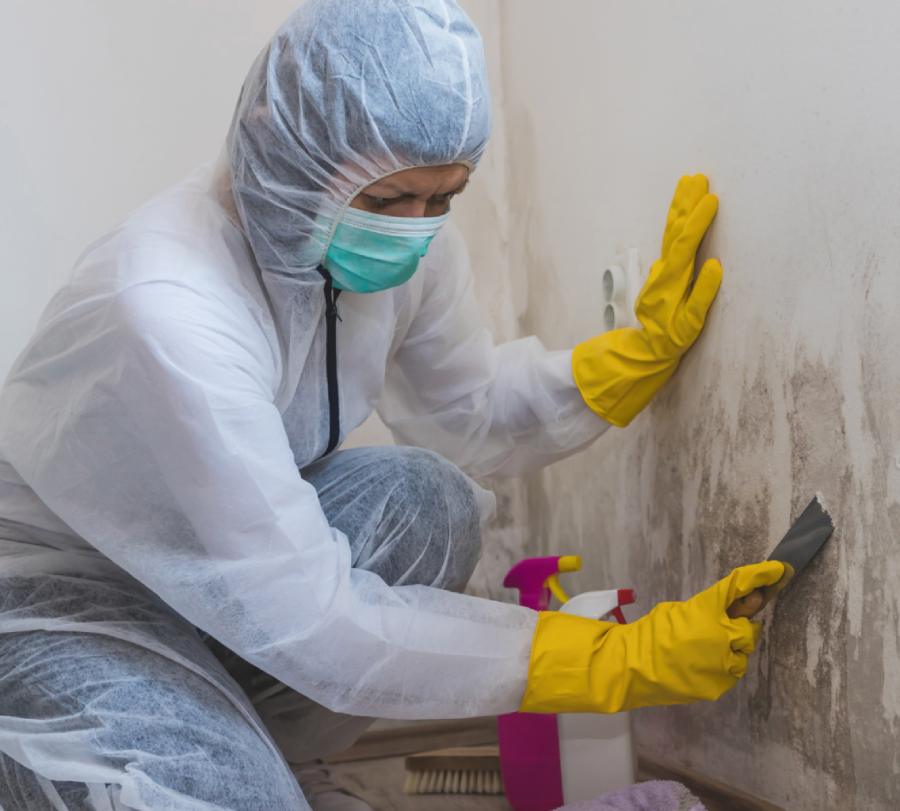
Mold remediation refers to the process of cleaning and removing mold from an affected area. This process is comprehensive and involves several critical steps:
- Assessment: A professional evaluates the extent of the mold damage to determine the appropriate course of action. This assessment includes identifying the source of moisture and the types of mold present.
- Containment: The affected area is sealed off to prevent mold spores from spreading to other parts of the home. This step is crucial to ensure that the mold problem is contained and does not affect other areas.
- Cleaning and Disinfecting: Surfaces are cleaned, and mold-infested materials may be removed. This step often involves using specialized cleaning agents and equipment to ensure that all mold spores are eradicated.
- Repairs: Any damaged areas or materials are repaired or replaced to restore the home to its original condition. This may include replacing drywall, flooring, or other structural components affected by mold.
Mold Removal
Mold removal is a part of the remediation process and focuses specifically on eliminating existing mold. It involves using specialized techniques and equipment to ensure that mold is thoroughly eradicated. Mold removal experts often use advanced technology, such as HEPA filters and air scrubbers, to capture mold spores and prevent them from spreading. The goal is to remove the mold completely and prevent recurrence by addressing the underlying moisture problem.
Navigating the Insurance Claims Process

- Document the Damage: Take photos and notes of the affected areas to provide evidence for potential insurance claims. This documentation can be crucial when negotiating with insurance companies for coverage.
- Contact Your Insurance Provider: Report the mold issue to your insurer and inquire about coverage specifics. Understanding your policy’s coverage will help you navigate the claims process more effectively.
- Hire a Professional: Engage a certified mold remediation expert to assess and handle the situation. Professional expertise is vital to ensure that the mold is removed safely and effectively.
- Prevent Future Mold: Address any sources of moisture, improve ventilation, and conduct regular home inspections. Taking proactive steps can help prevent mold from returning and safeguard your home from future issues.
Tips for Preventing Mold Growth
Preventing mold is more cost-effective than dealing with its aftermath. By taking proactive measures, homeowners can avoid the hassle and expense of mold remediation. Here are tips to help keep mold at bay:
- Fix Leaks Promptly: Repair leaky roofs, windows, and pipes as soon as they are discovered. Quick action can prevent moisture accumulation and the subsequent growth of mold.
- Control Humidity Levels: Use dehumidifiers and air conditioners, especially in humid climates. Maintaining optimal humidity levels can significantly reduce the likelihood of mold growth.
- Ensure Proper Ventilation: Ensure that your home, particularly areas like bathrooms and kitchens, is well-ventilated. Good airflow helps reduce moisture buildup, which is a key factor in mold prevention.
- Conduct Regular Maintenance: Regularly inspect your home for signs of water damage and address issues immediately. Routine maintenance can help identify potential problems before they escalate into serious mold issues.
Protect Your Home and Health
Understanding the relationship between homeowners insurance and mold coverage is crucial for protecting your home and health. While insurance may cover mold resulting from specific perils, preventative measures and swift action are your best defenses against mold problems.
By staying informed and proactive, you can better manage the risks associated with mold and ensure that your home remains a safe and healthy environment.
If you suspect mold in your home, contact your insurance provider and our team at PuroClean of Pineville promptly to address the issue. With the right knowledge and approach, homeowners can effectively safeguard their properties against the damaging effects of mold.