


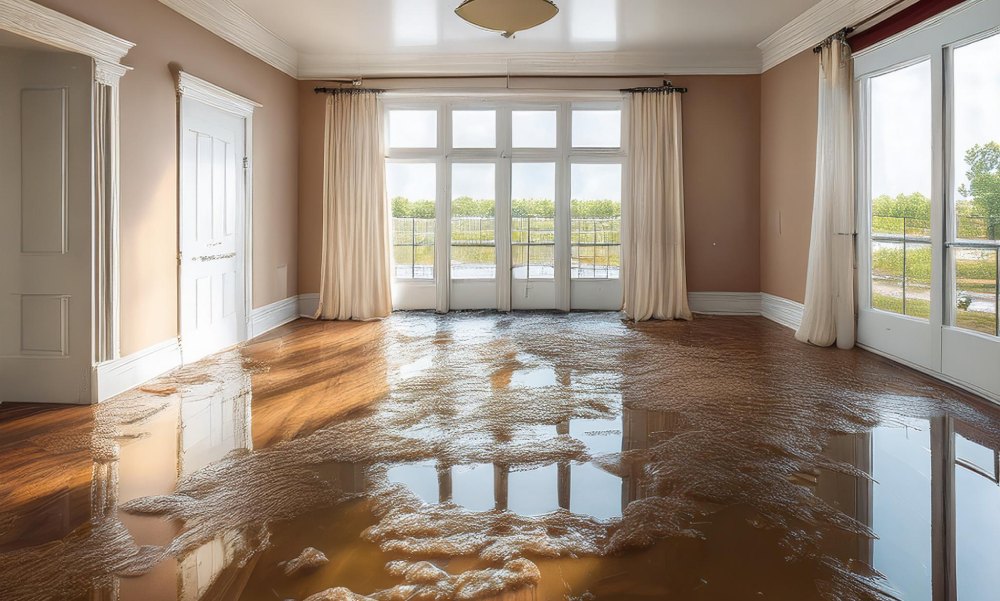
Water damage is one of the most time-sensitive property emergencies a homeowner can face. Whether caused by a burst pipe, leaking appliance, roof failure, or flooding event, water begins damaging your home almost immediately after it enters the structure. While a small amount of water may not seem like a major concern at first, the reality is that moisture continues to spread and penetrate building materials every hour it remains untreated.
Many property owners delay restoration because the visible water appears manageable. Unfortunately, what you can see is often only a fraction of the actual damage. Water quickly travels beneath flooring, behind walls, into insulation, and throughout structural components, creating problems that become more expensive and difficult to repair with each passing hour.
Understanding why water damage worsens over time can help homeowners act quickly and minimize the long-term impact on their property.
Water Begins Spreading Immediately
Water naturally seeks the path of least resistance. Once released into a home or business, it rarely remains confined to a single location. Gravity pulls water downward while porous materials absorb moisture and allow it to spread throughout the structure.
Within minutes, water can begin moving into:
- Drywall
- Baseboards
- Wood flooring
- Carpet and padding
- Insulation
- Furniture
- Cabinets
- Structural framing
Even if standing water is limited to one room, moisture can migrate into adjacent spaces and affect areas that initially appear dry.
The First Few Hours: Materials Begin Absorbing Moisture
During the first several hours after a water loss, building materials start absorbing moisture rapidly. Wood expands as it absorbs water, drywall softens, and carpet padding becomes saturated.
At this stage, homeowners may notice:
- Discoloration on walls or ceilings
- Swollen wood trim
- Wet carpeting
- Damp odors
- Water pooling in low areas
Although the damage may appear minor, moisture is often penetrating deeper into materials than is immediately visible.
The sooner water is removed, the greater the likelihood that affected materials can be saved rather than replaced.
After 24 Hours: Damage Accelerates
Once water has been present for approximately 24 hours, the restoration challenge becomes much more significant.
At this point:
- Drywall may begin losing structural integrity
- Wood flooring can start warping or buckling
- Laminate flooring may separate
- Paint can blister or peel
- Metal surfaces may begin corroding
- Furniture may suffer permanent damage
Water trapped behind walls and beneath flooring often remains hidden, allowing damage to continue even after visible water appears to have disappeared.
Professional moisture detection equipment is often necessary to identify these hidden pockets of moisture before they cause further problems.
Mold Growth Can Begin Within 24 to 48 Hours

One of the biggest reasons water damage worsens so quickly is the risk of mold growth.
Mold requires three basic conditions to thrive:
- Moisture
- Organic material
- Moderate temperatures
Most homes provide all three. Drywall, wood, insulation, and carpeting all contain organic materials that mold can use as a food source.
When excess moisture remains present, mold colonies can begin developing in as little as 24 to 48 hours. Once mold starts growing, remediation becomes significantly more complex and costly than standard water damage restoration.
In addition to damaging materials, mold can affect indoor air quality and create concerns for occupants.
Structural Damage Becomes More Severe Over Time
Many homeowners focus on visible damage such as wet carpets or stained ceilings. However, some of the most costly consequences of water damage occur within the structure itself.
As moisture continues penetrating wood framing and support materials, it can weaken critical structural components.
Long-term water exposure may lead to:
- Wood rot
- Warped framing
- Sagging ceilings
- Subfloor deterioration
- Damaged insulation
- Foundation moisture issues
These structural problems often require extensive repairs that could have been avoided through early intervention.
Hidden Moisture Continues Causing Damage
One of the most dangerous aspects of water damage is that moisture often remains hidden long after standing water is removed.
Water can become trapped:
- Behind drywall
- Beneath flooring
- Inside wall cavities
- In crawl spaces
- Around insulation
- Under cabinets and fixtures
Because these areas are not visible, homeowners may mistakenly believe the problem has been resolved.
Professional restoration companies use moisture meters, thermal imaging cameras, and specialized drying equipment to locate and remove hidden moisture before it causes additional damage.
Odors Become More Difficult to Remove
As water sits, unpleasant odors often begin developing throughout the property.
These odors can result from:
- Damp materials
- Bacterial growth
- Mold development
- Contaminated water sources
The longer moisture remains, the more deeply odors can penetrate building materials and furnishings.
Early drying and cleaning often prevent odor issues from becoming long-term problems.
Restoration Costs Increase Over Time
One of the most compelling reasons to address water damage immediately is cost.
A small water intrusion that is addressed quickly may only require:
- Water extraction
- Drying
- Minor repairs
However, waiting several days can transform the same situation into a much larger restoration project involving:
- Mold remediation
- Flooring replacement
- Drywall removal
- Structural repairs
- Extensive reconstruction
The longer water remains present, the more expensive recovery becomes.
Professional Drying Is Critical
Many homeowners attempt to dry affected areas using household fans or dehumidifiers. While these tools may help with surface moisture, they are rarely capable of removing moisture trapped deep within building materials.
Professional water damage restoration teams use:
- Commercial water extractors
- High-capacity air movers
- Industrial dehumidifiers
- Moisture monitoring equipment
- Thermal imaging technology
These tools help ensure the property is thoroughly dried and restored according to industry standards.
Don’t Wait to Address Water Damage
Water damage is one of the few property emergencies that becomes significantly worse with every passing hour. What starts as a minor leak can quickly develop into widespread structural damage, mold growth, and costly repairs if left untreated.
The sooner restoration begins, the greater the likelihood of minimizing damage, reducing costs, and preserving your property. If you discover water damage in your home or business, acting quickly and contacting a professional restoration company can make all the difference in protecting your investment and avoiding larger problems down the road.