 PuroClean of Plantation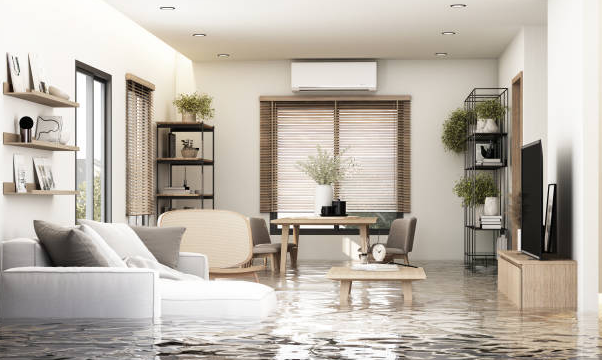
Table of Contents
If you are wondering what to do after flooding in home, here is the short answer: Stop the water source, cut power if safe, document everything with photos, call a certified water damage restoration professional, and begin extraction within 24 hours. Acting fast is the single most important thing you can do to prevent mold, structural collapse, and long-term property loss.
Why the First Hour After Flooding in Home Defines Everything
There is a moment right after water floods your home when everything feels still.
The water has stopped rising, the storm has passed, or the pipe has finally been shut off. And in that moment, most homeowners breathe out and think the worst is over.
It is not.
What happens in the hours and days after flooding in a home determines whether you spend a few thousand dollars on cleanup; or tens of thousands on structural repairs, mold remediation, and full room reconstruction.
According to industry data, mold can begin developing within 24 to 48 hours of water exposure. Once it starts, the cost and complexity of restoration multiply fast. Floodwater also weakens drywall, warps hardwood floors, corrodes electrical systems, and creates invisible moisture pockets behind walls that homeowners rarely detect on their own.
This guide is built to help homeowners, property managers, and businesses across Plantation, Fort Lauderdale, Davie, Hollywood, and surrounding South Florida communities understand exactly what to do after flooding in home; step by step, from the first five minutes to full restoration.
Step 1: Prioritize Safety Before Anything Else
Before you walk back into a flooded room, stop and ask yourself one question: Is it safe to enter?
Water and electricity are a deadly combination. If floodwaters have reached electrical outlets, your breaker panel, or any appliances, do not step inside until a licensed electrician confirms it is safe. The safest move is to shut off power at the main breaker before re-entering; but only if you can do so without walking through standing water.
If gas lines run through the flooded area, turn off the gas supply at the meter. Floodwater in contact with gas lines can cause leaks, and the risk of ignition is real.
Here is what to assess before entering:
The structural integrity of the building matters too. Look for visible ceiling sagging, wall cracking, or buckling floors before walking in. If the structure looks compromised, wait for a professional inspection.
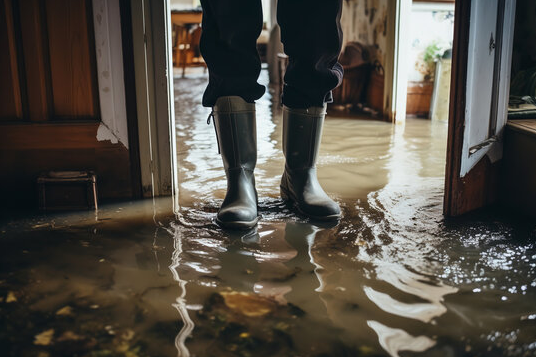
Floodwaters are rarely clean. Water from sewer backups, storm surges, and flooded streets often carries bacteria, viruses, and other contaminants. Wear rubber boots, thick gloves, and protective clothing whenever you must wade through standing water.
Step 2: Stop the Source and Document All Damage
If the flooding came from a burst pipe, a leaking water heater, or an overflowing appliance; shut off the main water supply immediately. Every additional minute of active water flow compounds the damage.
If flooding came from outside, such as a storm surge or heavy rainfall, the source has likely stopped naturally. But that does not mean the water is safe. Outdoor floodwater almost always carries contaminants.
Once the source is controlled, document everything before touching anything. This step is non-negotiable for insurance purposes.
Walk through every affected room with your smartphone and take clear, well-lit photos and videos. Capture:
Water lines on walls, warped flooring, damaged furniture, soaked insulation, and waterlogged personal belongings. Do not skip any room, even rooms that appear to have only minor moisture. Adjusters need a complete picture.
Write down the time and date you discovered the flooding. Note the suspected cause. This documentation becomes your paper trail throughout the entire insurance claim process.
Step 3: Call Your Insurance Provider Right Away
Most homeowners know they need to call their insurance company; but they delay it, assuming they should wait until the water is gone.
Do not wait.
Contact your insurance provider as soon as it is safe to do so. Most policies have time-sensitive reporting requirements, and delaying your call can complicate your claim. Your adjuster will need to see the damage before major cleanup begins, which is another reason documentation from Step 2 matters so much.
It is important to understand that standard homeowners insurance typically does not cover flooding caused by storms or rising water from outside the property. That is where separate flood insurance comes in. Review your policy carefully, and ask your agent to clarify exactly what is covered before you approve any work.
A certified restoration company like PuroClean of Plantation works directly with your insurance provider. Their team understands the claims process, helps document damage thoroughly, and prevents gaps in coverage communication that can slow your recovery down. If you need to reach someone, call (954) 477-7007 anytime, day or night.
Step 4: Extract Standing Water Quickly
Speed matters more in water damage restoration than in almost any other home emergency.
The longer water sits, the deeper it penetrates. Hardwood floors begin to warp within hours. Drywall becomes saturated quickly and starts losing structural integrity. Subfloor materials absorb moisture and begin to weaken. Carpeting becomes a breeding ground for bacteria after just a day of sustained contact with standing water.
For minor flooding, a wet vacuum, mop, and buckets can help remove surface water while you wait for professionals. For anything beyond a small spill, you need professional-grade water extraction equipment.
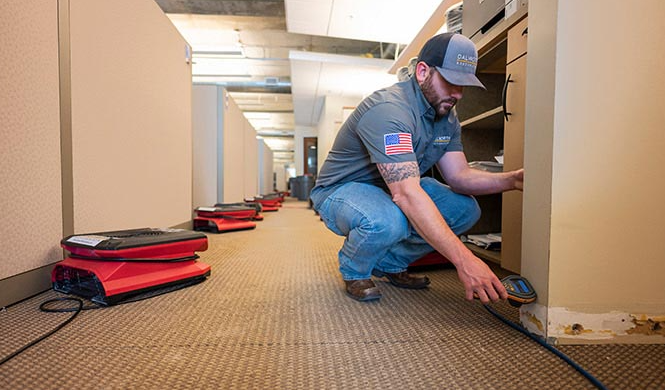
PuroClean of Plantation uses an industry-leading QuickDry System™, which manages dehumidification and temperature control through applied psychrometric science. It is not just about removing visible water; it is about identifying and eliminating moisture hidden inside walls, under flooring, inside cabinets, and within insulation cavities that the naked eye simply cannot detect.
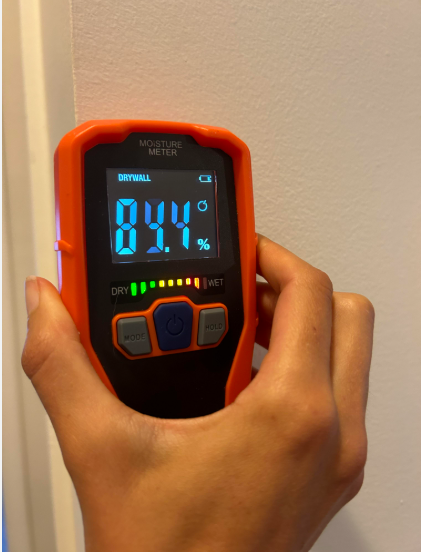
IICRC-certified technicians use thermal imaging cameras and professional moisture meters to map every wet zone before beginning extraction. This level of precision is why professional water damage restoration after flooding in a home produces fundamentally different results than DIY cleanup.
Step 5: Dry, Dehumidify, and Ventilate the Space
Once standing water is extracted, the drying process begins. This phase is often underestimated by homeowners, and it is one of the most common reasons mold appears weeks after a flood.
Drying a flooded home properly can take anywhere from 72 hours to a full week, depending on the extent of water intrusion, the materials affected, and the climate. In South Florida, the combination of heat and humidity creates near-ideal conditions for mold growth; which means thorough drying is not optional here. It is critical.
Industrial-grade air movers and commercial dehumidifiers work together to pull moisture out of structural materials. Simply opening windows and running household fans is not sufficient after serious flooding; and in a humid Florida climate, that approach can actually make things worse by introducing outdoor moisture.
Daily moisture monitoring ensures that walls, flooring, and ceilings are reaching their dry standard before any repairs begin. Skipping this step and moving straight to reconstruction is one of the most expensive mistakes property owners make after flooding in a home.
Step 6: Clean, Disinfect, and Check for Mold
After the space is dry, it needs to be sanitized.
Floodwater carries bacteria and organic material that clings to surfaces even after they dry out. Every surface that was in contact with water needs to be cleaned with appropriate disinfectants, not just wiped down.
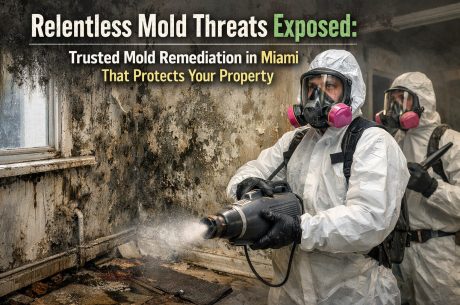
This is also the phase where mold prevention becomes the top priority. The EPA recommends professional mold remediation for any growth that covers more than 10 square feet. In South Florida homes, where humidity levels are already elevated, that threshold is reached faster than most homeowners expect.
Signs of mold after flooding in a home include musty odors, discoloration on walls or ceilings, and visible dark spotting near baseboards, behind furniture, or inside closets. But not all mold is visible. That is why professional post-flood inspections involve moisture readings and air quality testing; not just a visual check.
PuroClean of Plantation uses HEPA-filtered air scrubbers and HEPA vacuums to capture airborne mold spores during the remediation process, protecting indoor air quality throughout the cleanup. For a deeper look at how water damage connects to mold in South Florida homes, visit their Water Damage FAQs page for answers to the questions homeowners ask most.
Step 7: Repair, Restore, and Rebuild the Right Way
Once your home is fully dry and sanitized, structural repairs can begin.
Flooding in a home often means replacing drywall, subfloor sections, insulation, flooring, and sometimes cabinetry. Wiring that was submerged may need to be evaluated or replaced by a licensed electrician. In cases of serious flooding, load-bearing structures may also need professional inspection before reconstruction begins.
Do not rush this phase. Wait for your insurance adjuster to complete their evaluation before beginning any permanent repairs. Document every contractor estimate, every permit, and every purchase related to the restoration. These records are essential if your claim is disputed or if additional damage surfaces during reconstruction.
Work only with licensed, insured, and IICRC-certified contractors. After major weather events across South Florida; including hurricanes, tropical storms, and severe flooding; unlicensed contractors often target overwhelmed homeowners. Protecting yourself legally and financially at this stage is just as important as the repairs themselves.
For more guidance on finding the right restoration professional in your area, read PuroClean of Plantation’s trusted resource on water damage restoration near you in Plantation, FL.
Hidden Dangers Most Homeowners Miss After a Flood
Knowing what to do after flooding in home also means knowing what to look for when nothing looks obviously wrong.
These are the warning signs that often get missed:
Electrical damage: Wiring submerged in water can develop delayed short circuits. Even after your home dries out, wet wiring inside walls can cause fires weeks later if not professionally inspected.
HVAC contamination: If floodwaters entered your duct system, every time your air conditioning runs, it can distribute bacteria, mold spores, and contaminants throughout the home. Duct cleaning after flooding is not optional; it is essential. PuroClean of Plantation offers professional duct cleaning services as part of their full restoration process.
Hidden moisture behind walls: Walls and flooring can appear dry on the surface while retaining significant moisture inside. This is the leading cause of mold growth that homeowners discover two or three months after a flood; often after they have already completed repairs.
Structural weakening: Extended water exposure softens wood framing, weakens foundation materials, and can compromise load-bearing walls in ways that are not visible without a professional evaluation.
How PuroClean of Plantation Responds When Flooding Happens
For homeowners across Plantation, Fort Lauderdale, Davie, Hollywood, Lauderhill, Oakland Park, Wilton Manors, and the surrounding communities, PuroClean of Plantation offers 24/7 certified emergency response to water damage.
Their Certified Priority Response (CPR) Program is designed specifically to reduce claim costs and increase satisfaction by following strict certification standards, pre-approved scopes of work, and clear protocols that insurance carriers recognize. From the moment a call comes in, the team works to respond quickly, efficiently, and cost-effectively; every single time.
IICRC-certified technicians arrive with industrial water extraction equipment, thermal imaging tools, professional-grade dehumidifiers, and the training to handle both visible and hidden water damage across residential properties, commercial spaces, and managed properties.
PuroClean of Plantation also helps navigate the insurance claims process from start to finish; communicating directly with your adjuster, documenting damage thoroughly, and helping ensure that your claim reflects the full scope of what was lost.
You can learn more about their water damage restoration approach by visiting their detailed water damage restoration guide for Plantation, FL.
Address: 200 Torchwood Ave, Plantation, FL 33324 Contact: Schedule a consultation here
Get directions to PuroClean of Plantation for in-person emergency visits.
Connect with the team on Facebook, Instagram, LinkedIn, and X/Twitter for restoration tips, storm prep guides, and community updates.
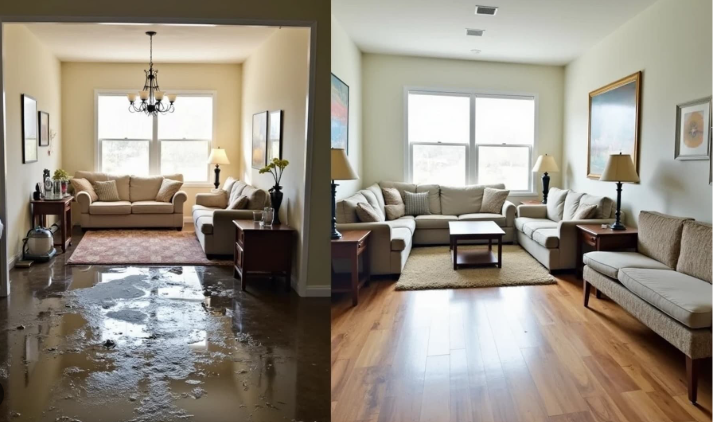
How long does it take to dry a flooded home?
It typically takes between 72 hours and 7 days to fully dry a flooded home, depending on the extent of damage, materials affected, and drying equipment used. Professional restoration teams monitor moisture levels daily to confirm when the dry standard has been reached.
Can I stay in my home after flooding?
Only if the structure is confirmed safe, power has been cleared by an electrician, and water damage is very minor. For significant flooding, temporary relocation is often recommended until the property is professionally dried and inspected.
Will homeowners insurance cover flooding?
Standard homeowners policies typically do not cover storm-related flooding. Separate flood insurance; often through the National Flood Insurance Program; is required for that coverage. Review your specific policy with your agent.
When should I call a professional after flooding in a home?
Immediately. The sooner a certified restoration team begins extraction and drying, the lower the risk of mold growth and the lower the overall cost of recovery.
Flooding Does Not Have to Define What Happens Next
Flooding in a home is one of those experiences that feels like it changes everything in an instant. One moment your floors are dry; the next, you are standing in inches of water wondering where to even begin.
But here is what years of real-world restoration experience have shown; and what the data consistently confirms: the homeowners who recover fastest, spend the least, and avoid the worst long-term damage are almost always the ones who acted quickly and called the right professionals early.
You do not need to figure out what to do after flooding in home on your own. You do not need to guess whether your walls are truly dry or whether mold has started growing behind your baseboards. You do not need to fight with your insurance company alone or wonder if your contractor is cutting corners.
What you need is a certified team that treats your home the same way they would treat their own.
Flooding creates damage that is visible and invisible. It creates urgency that is easy to underestimate when the water has receded and things look mostly okay. It creates stress that can cloud judgment at exactly the moment clear thinking matters most.
Take a breath. Then take action.
If your home has experienced flooding in Plantation, Fort Lauderdale, Davie, Hollywood, Lauderhill, Dania Beach, Oakland Park, Wilton Manors, or anywhere across South Florida; PuroClean of Plantation is available 24 hours a day, 7 days a week.
Their IICRC-certified team arrives with the equipment, the training, and the genuine care to restore your home properly; not just quickly. Their Certified Priority Response (CPR) Program means the process is aligned with your insurance carrier from day one; reducing delays, reducing claim friction, and reducing what comes out of your pocket.
Do not wait until what looks like minor water damage becomes a serious mold problem. Do not wait until a damp subfloor becomes a structural repair.
Call PuroClean of Plantation now at:
Visit them at 200 Torchwood Ave, Plantation, FL 33324, or reach out through their contact page to schedule an assessment.
Your home deserves to be fully restored; not just dried out and forgotten.
Has your home experienced flooding and you are still unsure whether the damage has been fully addressed? What part of the restoration process felt most confusing to you?

 PuroClean of Plantation