 PuroClean of Plantation
When a sewer line is obstructed, the thick, dark sewage that backs up is not only unpleasant but also extremely dangerous to your health, making professional sewage cleanup essential. This sewer waste is highly unsanitary, containing harmful contaminants such as bacteria, viruses, and pathogens, which can pose serious health risks and lead to illnesses in both humans and animals if exposed.If it happens that you experience sewage backup on the property of your home or business, or a toilet backup in either location, fixing either one is of the highest priority.
Having this dirty sewer waste in your home is not safe and should be removed as soon as possible. Furthermore, to know what is causing the sewer backups may aid in stopping this potentially hazardous situation. To help you in handling sewage backups in your home or business, here’s a list of things that may help:
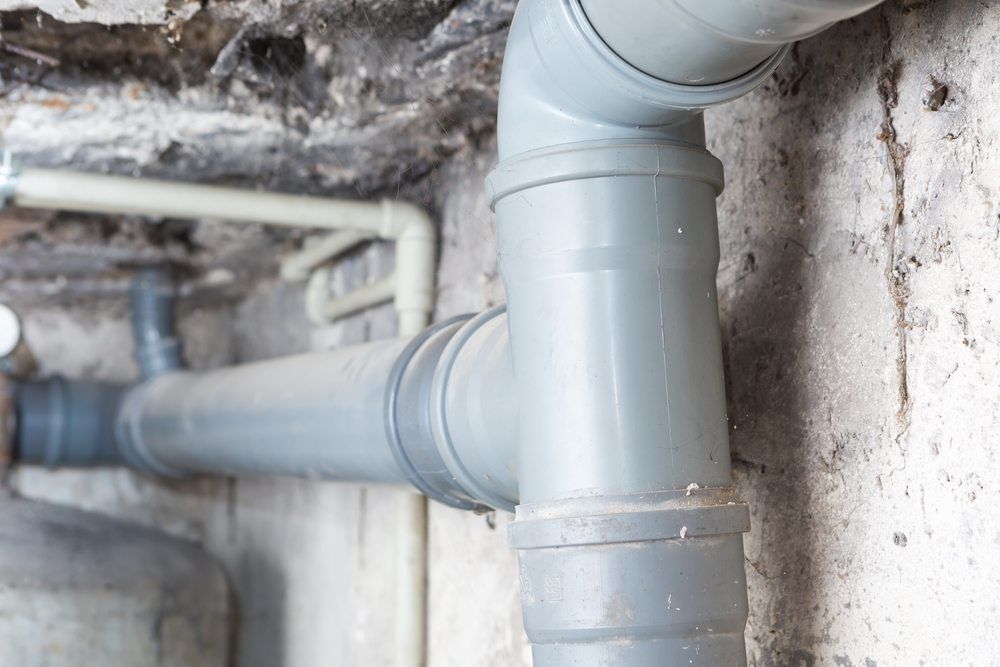
Read more: Sewage Backup Causes and What You Can Do
Our cleaning and remediation procedures for Category 3 water (which describes sewer and contaminated water backup) according to the standards put in place by the IICRC industry are:
1. Ensure the safety of all personnel and non-personnel by managing onsite access to restoration personnel only to prevent health-related issues
2. Valuation of the jobsite along with health and safety surveys.
3. Ensure proper personal protection equipment (PPE) is being utilized by all restoration personnel. This may include but is not limited to:
4. Put engineering controls in place, as well as critical barriers if needed to stop any cross-contamination from occurring.
5. Completely getting rid of any potential safety risks if possible.
6. Bulk water, soil, and contaminates removal
7. Eradication and disposal of all contaminate affected porous and semi-porous items that is not restorable – which can include but is not limited to:
8. Cleaning procedures put in place and the use of EPA approved biocides and antimicrobials
9. Full physical cleaning of all structure items that remain
10. A third-party Certified Industrial Hygienist (CIH) is recommended to perform clearance testing, to ensure the building is returned to a pre-loss condition for health and safety.
11. All materials affected by excess waters are to be dried and returned to pre-loss dry condition
12. Post restoration cleaning of all equipment used
13. Disposal of all demolished materials removed from the building
What happens if a sewer main backup occurs in your home or business? The right answer is: Call PuroClean! For the simple fact that PuroClean technicians are your absolute professionals for sewage abatement and cleaning services. With state-of-the-art equipment and cleaning systems, we efficiently restore, fix and completely cleanse the affected parts in your home or business.
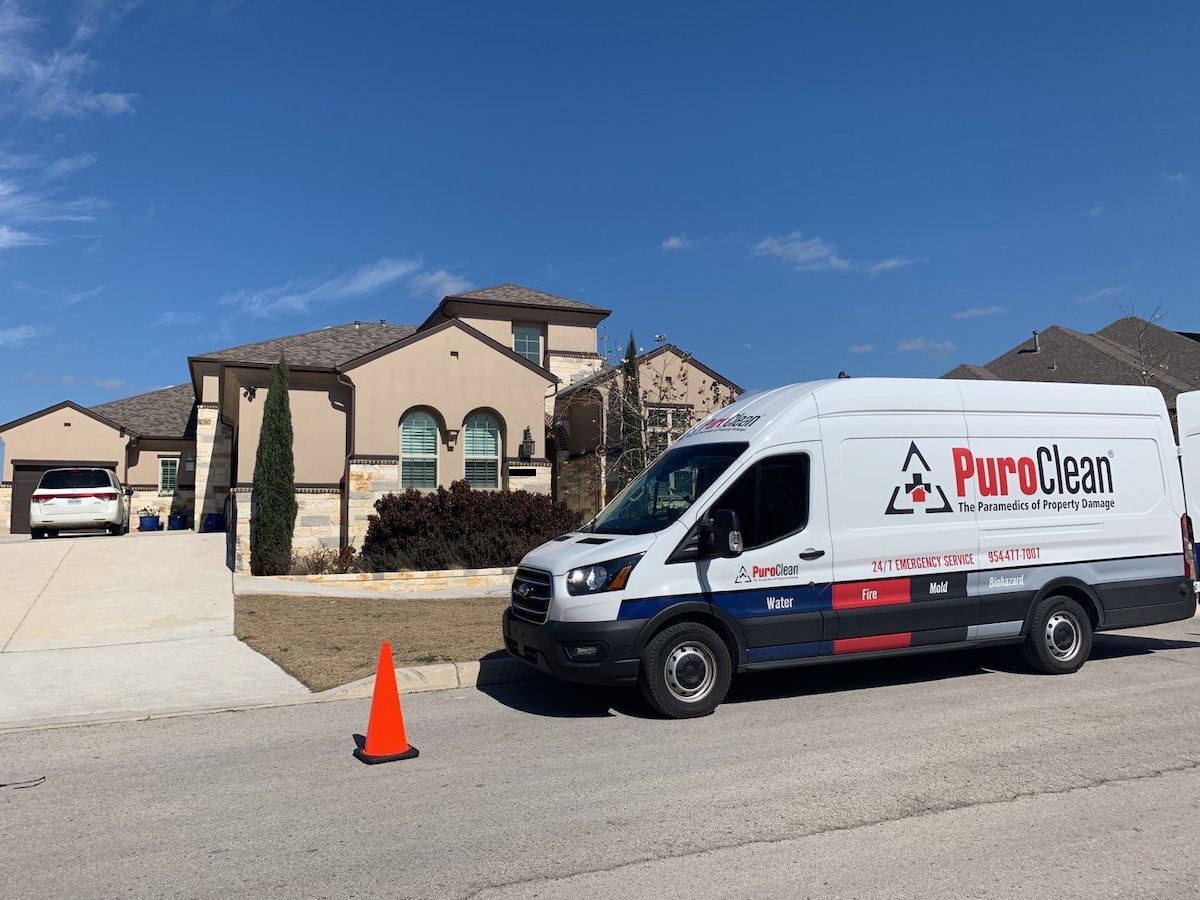
The high goals of our sewage eradication and cleaning services along with the speed in which we complete the work, and the sheer compassion we demonstrate throughout the process make PuroClean your complete damage restoration and remediation company. PuroClean promises to do whatever it takes to save, clean and restore all properties that lie within our service areas.
*Not all PuroClean offices provide sewage cleanup and sanitation cleaning services.
“Coronavirus” is an umbrella term for many types of viruses. This group of viruses has been known for decades and can cause respiratory diseases in both people and animals. What [...]
As of March 17, 2020, the Centers for Disease Control (CDC) does not have information specifically regarding how pregnant women are reacting to COVID-19 exposure. However, it should be noted [...]
Blood itself is not a biohazard, it’s what may be in the potentially hazardous blood, such as bloodborne pathogens (BBPs) or infectious microorganisms, that can cause diseases. [...]
As with any virus, the Coronavirus spreads when an infected person coughs or sneezes, and any respiratory droplets come in contact with another person. Keeping a good distance from infected [...]
Insurance policies have many variables, while Crime Scene or Biohazard cleanup is often covered, you must consult your insurance broker or agent to determine your specific coverages. [...]

 PuroClean of Plantation