 PuroClean Restoration Professionals
A house fire is one of the most stressful events a homeowner can face. Beyond the emotional impact, one of the first questions people ask is, “How much will restoration cost?” While every situation is different, understanding the typical cost factors can help Richmond homeowners prepare, make informed decisions, and navigate insurance claims with confidence.
Fire and smoke damage restoration is a complex process. It often involves debris removal, soot cleanup, odor elimination, structural repairs, and sometimes even reconstruction. In a city like Richmond—where homes range from historic properties to modern builds—the cost can vary widely depending on the home’s age, materials, and layout.
Below is a clear, homeowner-friendly breakdown of what influences restoration costs and what you can expect to pay in 2025.
1. The Size and Severity of the Fire
This is the biggest factor in determining cost. A fire contained to one room may require localized cleaning, while a whole-house fire demands extensive work.
Typical scenarios include:
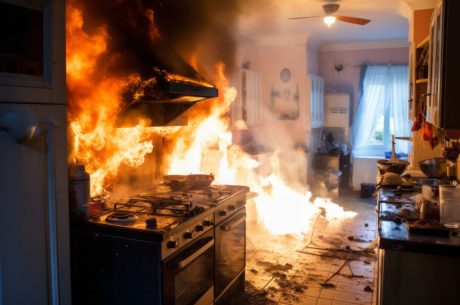
- Small fires (kitchen flare-ups, candle or outlet fires): Lower cost but often heavy smoke damage
- Medium fires: Multiple rooms affected by soot, water, and structural damage
- Large fires: Widespread destruction requiring repairs and major rebuilding
Even small fires can cause thousands of dollars in smoke and odor damage, especially if the HVAC system circulates soot through the home.
2. Type and Extent of Smoke Damage
Smoke behaves unpredictably. It can travel through vents, insulation, and wall cavities, reaching far beyond the burned area. Richmond’s many older homes—with plaster walls, aged wiring, and classic wood trim—tend to hold onto smoke residue more than newer structures.
Costs rise when smoke affects:
- Upper floors
- Attics and basements
- HVAC systems
- Carpets, upholstery, and drapes
- Cabinets, insulation, and structural framing
Removing smoke odor often requires specialized equipment such as thermal foggers, hydroxyl generators, HEPA air scrubbers, and ozone treatment.
3. Water Damage From Firefighting Efforts
Water damage is almost always part of fire restoration. Firefighters may use hundreds of gallons of water to extinguish flames, saturating walls, floors, and insulation.
Common water-related repairs include:
- Drying and dehumidification
- Removing damaged drywall
- Replacing soaked insulation
- Treating areas for mold prevention
If this step is done incorrectly or too slowly, mold can begin forming within 24–48 hours, increasing both cost and repair time.
4. Structural Repairs and Rebuilding
Fires can burn through framing, roofing, flooring, windows, and internal support materials. Homes with older construction—common across Richmond’s neighborhoods—may require more intensive structural work due to brittle materials or outdated building codes.
Depending on the damage, costs may include:
- Removing charred framing
- Rebuilding walls, ceilings, and floors
- Replacing windows or doors
- Repairing roof sections
- Updating electrical wiring or plumbing
The complexity of reconstruction can significantly affect the total price.
5. Cleaning and Restoring Contents

Restoration includes more than the house itself. Personal belongings, furniture, clothing, appliances, and electronics may be salvageable with professional cleaning—far more effective than DIY methods.
Restorable items may undergo:
- HEPA vacuuming
- Ozone or hydroxyl deodorizing
- Ultrasonic cleaning
- Fabric restoration
If items cannot be salvaged, your insurance adjuster will document losses for replacement.
6. HVAC Cleaning and Air Quality Treatment
If smoke reached your HVAC system, professional air duct cleaning is essential. Otherwise, soot and odor will continue circulating throughout the home long after repairs.
This may include:
- Cleaning or replacing ductwork
- Sanitizing vents and returns
- Treating air handlers and coils
- Installing temporary HEPA filters or scrubbers
Richmond’s changing humidity can make trapped smoke odors even more noticeable if HVAC cleaning isn’t performed properly.
7. Local Labor and Material Costs in Richmond, VA
Material and labor costs fluctuate each year. In 2025, Richmond homeowners can expect moderate increases due to labor demand, building material shortages, and rising transportation costs.
Restoration professionals also factor in:
- Specialty equipment
- Disposal fees
- Permit costs for reconstruction
- Emergency service surcharges
Hiring a certified restoration company ensures work is completed safely and meets insurance standards.
8. Typical Cost Ranges for Richmond Homeowners in 2025
While every fire scenario is unique, these ranges provide a general idea:
- Minor fire & smoke cleanup: $3,500 – $10,000
- Moderate damage (multiple rooms): $10,000 – $40,000
- Major fire damage (structural repairs): $40,000 – $150,000+
- Full-fire restoration or rebuild: $150,000 – $350,000+
Insurance usually covers the majority of the costs, but deductibles and policy limits still apply.
Final Thoughts: Restoration Is an Investment in Safety and Long-Term Value
Fire damage restoration is more than cleaning soot off walls—it’s a detailed, multi-step process that ensures your home is safe, structurally sound, and free of toxins or odors. For Richmond homeowners, partnering with experienced professionals is the best way to ensure thorough cleanup and protect the long-term value of your property.

 PuroClean Restoration Professionals