 PuroClean Restoration Professionals
When your Richmond property experiences water or fire damage, the immediate concerns often revolve around structural damage, safety, and insurance. However, one of the most serious issues that can develop in the hours and days after the initial event is mold growth—a problem that can affect your home or business long-term if not handled properly. Knowing what causes mold, why it’s dangerous, and how to prevent it can save you thousands of dollars in repairs and protect your family’s health.
Why Mold Becomes a Threat After Water or Fire Damage
Mold is a type of fungus that’s naturally present in the environment as microscopic spores. Under normal conditions these spores are harmless. But when they land on wet surfaces with the right temperature and food source (like wood, drywall, carpet, or insulation), they begin to grow within 24–48 hours after moisture exposure.
In the aftermath of water damage—from flooding, leaks, burst pipes, or firefighting efforts—your property can remain damp long after the visible water is gone. After fire damage, water used to extinguish flames often leaves behind moisture in structural cavities and materials that may not be evident right away. That damp environment becomes an ideal breeding ground for mold.
Health Risks and Property Damage
Mold isn’t just unsightly—it can pose real health risks, especially for individuals with allergies, asthma, or compromised immune systems. Some of the common symptoms people experience with mold exposure include coughing, sneezing, itchy eyes, skin irritation, and respiratory issues.
Beyond health concerns, mold can also weaken structural elements of your home. Over time, unchecked mold growth can compromise drywall, wood framing, flooring, and insulation. In extreme cases, it can even affect the stability of walls and ceilings.
Hidden Mold: The Silent Invader
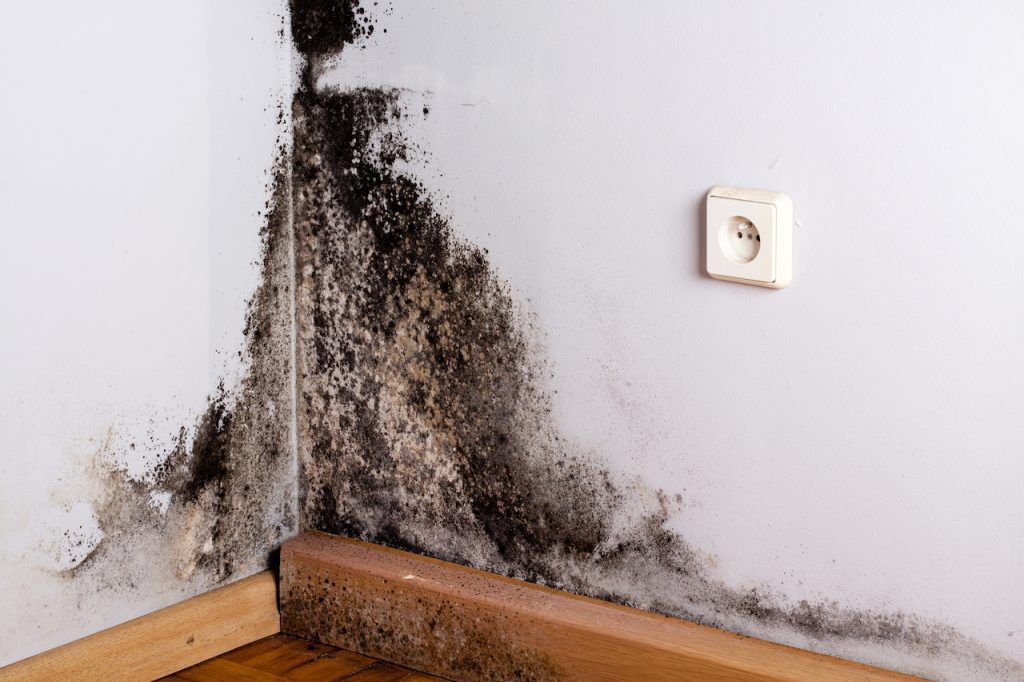
One of the most frustrating aspects of mold growth is that it often starts behind walls, beneath flooring, or inside crawlspaces—places homeowners rarely inspect. Hidden mold can silently spread if moisture isn’t fully removed. Even if surfaces appear dry, moisture trapped inside structural cavities can foster mold growth.
This is why property owners should act swiftly after water or fire damage and not assume that drying out visible surfaces is enough. Professional moisture detection often reveals issues that are invisible to the naked eye.
How to Prevent Mold After Water or Fire Damage
The key to preventing mold is quick and thorough drying. Here’s what that typically involves:
1. Immediate Water Extraction and Drying
Standing water and excess moisture must be removed as quickly as possible using pumps, commercial-grade dehumidifiers, and air movers. The longer moisture remains, the greater the chance mold will take hold.
2. Professional Moisture Detection
Certified technicians use moisture meters and thermal imaging to detect hidden dampness inside walls, floors, and ceilings—places where mold can thrive silently.
3. Containment and Air Filtration
During mold remediation, setting up containment zones and using HEPA filtration prevents mold spores from spreading to unaffected areas.
4. Removal and Cleaning
Damaged materials that cannot be saved—like saturated drywall or carpet padding—are safely removed. Surfaces are then cleaned and sanitized with EPA-approved agents to eliminate existing spores.
5. Restoration
Once mold is removed and the environment is dry, restoration professionals repair and rebuild affected areas to return your property to its pre-loss condition.
Why Professional Help Matters
Mold remediation is more than just surface cleaning. At PuroClean of Richmond, our trained technicians respond quickly to water and fire damage emergencies with state‑of‑the‑art drying equipment and proven remediation protocols. We not only remove water and moisture but also proactively prevent mold before it becomes a larger, more expensive problem.
We’re here 24/7 to help Richmond property owners mitigate both visible damage and hidden threats like mold. If you’ve experienced water or fire damage, don’t wait—call the experts who understand how quickly mold can develop and how critical early action is to protecting your property and your health.


 PuroClean Restoration Professionals