


Summer is one of the most enjoyable times of the year in New Jersey. Families spend more time outdoors, vacations are in full swing, and longer days provide plenty of opportunities to enjoy everything the season has to offer. However, summer also brings unique weather risks that can threaten homes and businesses across the Princeton area.
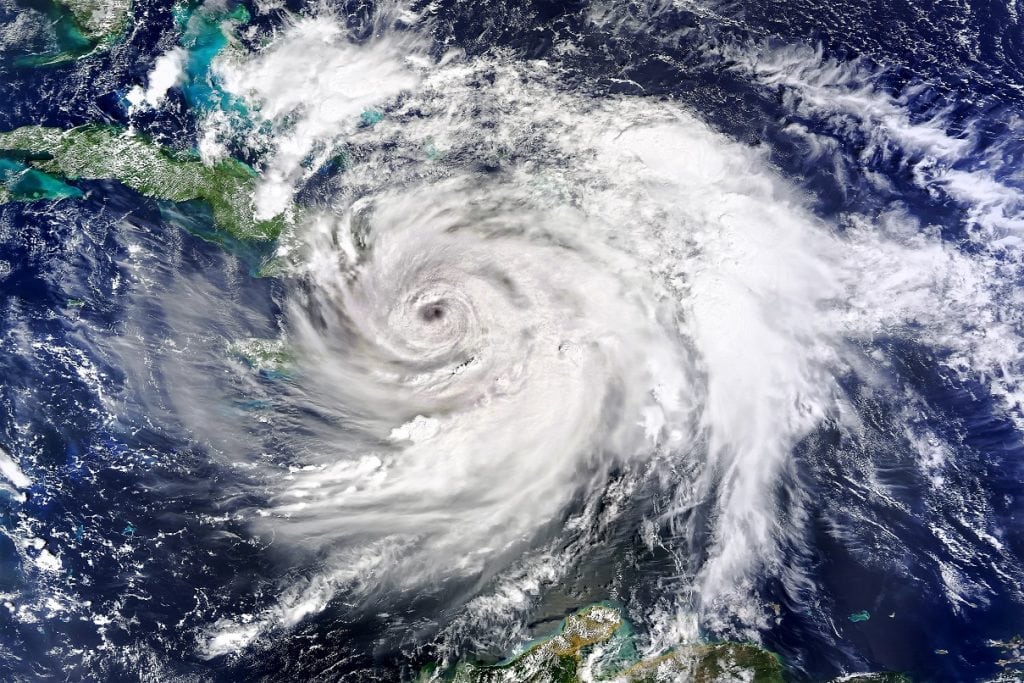
While many people think severe weather comes after winter snowstorms or spring flooding, summer storm damage can be just as destructive. Heavy rainfall, flash flooding, strong winds, lightning, and even tropical systems can cause significant property damage with little warning. Understanding these seasonal risks can help homeowners take proactive steps to protect their properties and avoid costly repairs.
The Growing Threat of Summer Storm Damage
New Jersey experiences a variety of weather patterns during the “summer storms” months. Thunderstorms can develop quickly, bringing intense rainfall that overwhelms drainage systems and causes water intrusion. In some cases, just a few inches of water entering a home can damage flooring, drywall, insulation, furniture, and personal belongings.
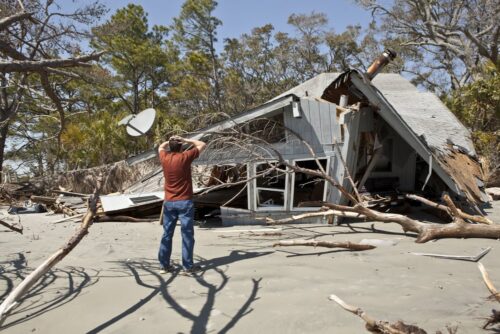
Strong wind gusts can also create problems by damaging roofing materials, breaking tree limbs, and sending debris into windows or siding. Once a roof is compromised, rainwater can easily enter the structure and create hidden moisture issues that may not be immediately visible.
The combination of wind and rain often results in secondary damage that continues long after the storm has passed.
Common Summer Storm Damage Issues
Many homeowners are surprised to learn that some of the most serious property damage occurs after the storm itself. Moisture trapped behind walls, beneath flooring, or inside insulation can create the ideal environment for mold growth.
Some of the most common summer-related property issues include:
- Roof leaks caused by storm damage
- Basement flooding from heavy rainfall
- Water intrusion around windows and doors
- Fallen trees and branch impacts
- Mold growth due to elevated humidity
- Power outages that affect sump pumps and appliances
Even minor leaks can become major problems when left untreated. Water naturally seeks the path of least resistance and can travel throughout a structure before visible signs of damage appear.
How Homeowners Can Prepare
While no property can be completely immune to severe weather, preparation can significantly reduce the risk of damage.
Before summer storms arrive, homeowners should inspect their roofs for missing or damaged shingles and ensure gutters and downspouts are free of debris. Proper drainage is essential for directing water away from the foundation.
Trees should also be evaluated for weak or overhanging branches that could break during high winds. Trimming vulnerable limbs can help prevent costly structural damage.
Inside the home, it’s important to test sump pumps and verify that backup power sources are functioning properly. Many basement floods occur because a sump pump fails during a power outage when it is needed most.
Homeowners should also review their insurance policies annually to understand what types of storm-related damage are covered.
Don’t Ignore Early Warning Signs
After summer storms pass, it’s important to inspect your property carefully. Some warning signs may seem minor at first but can indicate larger issues developing behind the scenes.
Watch for:
- Water stains on ceilings or walls
- Musty odors
- Peeling paint
- Warped flooring
- Damp carpeting
- Visible mold growth
Addressing these concerns quickly can help prevent additional damage and reduce restoration costs.
Fast Action Makes a Difference
One of the most important things property owners can remember is that water damage gets worse over time. Moisture begins spreading immediately, and mold can start developing within 24 to 48 hours under the right conditions.
Quick mitigation and drying efforts can often prevent extensive structural damage and help restore a property more efficiently. Professional restoration teams use specialized equipment to detect hidden moisture, remove excess water, and thoroughly dry affected areas.
If Storm Damage Happens – Dealing with Insurance
- Take photos of the damage and show them to your insurance agent as soon as possible.
- Homeowners insurance generally covers sudden, accidental damage.
- Let’s say there was a thunderstorm with high winds, and your roof suffered damage and is now leaking. Or, a tree falls onto your house and damages your roof. In these cases, your homeowners policy will typically cover the expenses.
- However, some homeowners policies may have windstorm and hail exclusions. That means your policy will not cover damage caused by those perils. To learn about any exclusions in your coverage, read your policy or talk with your agent.
- Also, flooding from natural disasters is generally not covered. For that, you will need separate flood insurance that you can get from The National Flood Insurance Program.
Enjoy Summer Safely
Summer should be a time for relaxation and making memories. By understanding the risks associated with New Jersey’s summer weather and taking preventative measures, homeowners can better protect their investments and reduce the likelihood of costly repairs.
If storm damage, flooding, or water intrusion does occur, acting quickly can make all the difference in minimizing the impact and helping your property return to normal as soon as possible.
Our mitigation experts at Puroclean Princeton are standing by to provide storm damage restoration to return the property to a pre-loss condition. They are well-trained and use the latest state-of-the-art science. We can help you determine the full extent of the damage and perform services following industry standards and best practices. Visit our website or call (732) 366-9300 24/7 to get connected PuroClean of Princeton today!