


Have you ever walked into one room of your home and thought, Why is it so much colder in here than everywhere else? Or maybe you’ve turned up the heat, only to realize that the room still doesn’t seem to be warming up. A clogged air vent could be the problem.
Over time, dust, dirt, pet hair and other debris can collect around your HVAC system and restrict airflow. In some cases, something may even be blocking a vent completely. While a little dust on a vent might not seem like a big deal, restricted airflow can make your heating and cooling system work harder and may contribute to other problems in your home.
What Does a Clogged Air Vent Look Like?
You don’t need to be an HVAC professional to spot some of the common signs of a blocked or clogged air vent. Start by taking a quick look around your home.
1. You Can See Dust and Debris Around the Vent
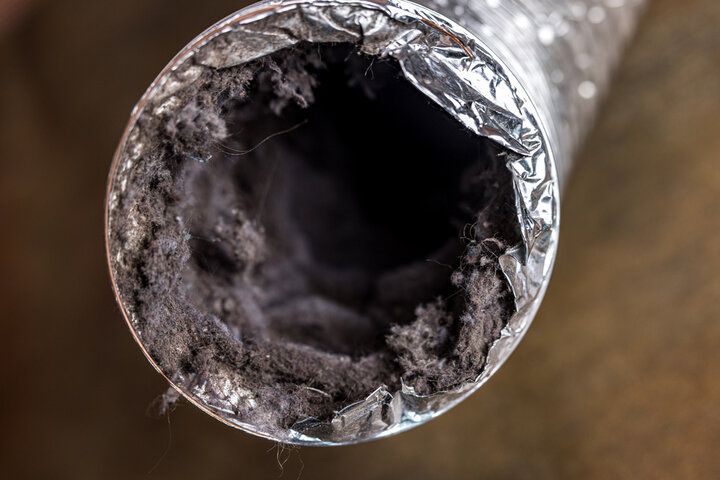
One of the easiest signs to spot is a vent that is visibly dirty. If you see a thick layer of dust, pet hair or debris covering the vent cover, there could be more buildup inside the duct.
Remove the vent cover if you can do so safely and take a look inside. A small amount of dust is normal, but significant buildup may restrict the amount of air that can move through the vent.
2. Very Little Air Is Coming Out
Turn your heating or cooling system on and place your hand over the vent.
Do you feel a strong stream of air? Or is there barely anything coming out?
If one vent has noticeably weaker airflow than the others, something could be blocking that section of the ductwork. Furniture, rugs or other household items can also accidentally cover vents and restrict airflow.
3. One Room Is Always Too Hot or Too Cold
Your HVAC system should distribute conditioned air throughout your home. If one room consistently feels different from the rest of the house, restricted airflow could be one possible explanation.
For example, you might notice that your bedroom stays chilly while the rest of the house is comfortable. Or perhaps one upstairs room becomes noticeably warmer during the summer.
A blocked or poorly functioning vent isn’t necessarily the only cause, but it’s an easy thing to check before calling for repairs.

4. Your HVAC System Seems to Be Running Constantly
If your furnace or air conditioner seems to be running longer than usual without getting your home to the temperature you’ve selected, clogged air vents could be part of the problem.
When your air vents are blocked conditioned air can’t move through your home properly, your system may have to work harder to maintain a comfortable temperature.
5. You Notice Lots of Dust Around Your Home
Have you cleaned your house only to notice that dust seems to return almost immediately?
There can be many reasons for excessive dust, but dirty vents and ductwork may contribute to the problem. If you notice dust collecting around your vents or blowing out when your HVAC system starts, it’s worth investigating.
Why Are Clogged Air Vents a Problem?
A little dust isn’t necessarily an emergency. However, consistently restricted airflow shouldn’t be ignored.
Your heating and cooling system depends on proper airflow to operate effectively. Clogged air vents stop air from moving freely, which may cause the system to run longer or work harder to heat or cool your home.
Clogged air vents can contribute to:
- Uneven temperatures throughout the house
- Reduced heating and cooling efficiency
- Increased strain on HVAC components
- More dust circulating through the home
- Poor indoor comfort
- Potential HVAC problems if an underlying airflow issue is left unresolved
There’s another reason to pay attention to what is coming out of your vents: moisture.
If you notice signs of moisture, water staining, a musty smell or visible mold around an air vent, don’t simply assume the vent needs to be cleaned. Moisture can point to a larger problem, such as condensation, a leak or another source of water intrusion.
What Should You Do If You Have Clogged Air Vents
Start with the simple things.
Make sure furniture, rugs and other objects aren’t covering your vents. Clean visible dust and debris from the vent covers, and check your HVAC filter according to the manufacturer’s recommendations.
If you continue to notice weak airflow, unusual odors, excessive dust or rooms that are difficult to heat or cool, consider having the HVAC system inspected by a qualified professional.
And if you see water damage, staining, or suspected mold around a vent, don’t ignore it. The visible problem may only be a symptom of moisture getting where it shouldn’t.
At PuroClean of Princeton, we understand that water and moisture problems can sometimes begin in places homeowners don’t immediately think to check. If you discover water damage in your home, getting the source addressed and the affected materials dried as soon as possible can help prevent the problem from becoming more extensive. Call our IICRC restoration professionals today at (609) 436-5959 or reach us by our online contact form.