On this page
A washing machine is one of those appliances you probably don’t think twice about until something goes wrong. You load the clothes, press start, and move on with your day. But a leaking hose or clogged drain can quickly cause water damage from your washing machine.
For homeowners in New Jersey, a little preventative maintenance can go a long way. Here’s how to keep your washing machine running smoothly and protect your home from unexpected water damage.
1. Check Your Washing Machine Hoses Regularly
One of the most common causes of washing machine leaks is a worn-out water supply hose. Over time, hoses can crack, weaken, or loosen around their connections, allowing water to escape behind the machine.
Take a few minutes every couple of months to inspect your hoses. Look for bulges, cracks, rust around the fittings, or any signs of moisture. If your hoses are old, consider replacing them with braided stainless-steel hoses for added durability.
This is especially worth doing in older Princeton homes, where laundry rooms and plumbing connections may have been in place for years. A quick inspection today could save you from dealing with damaged flooring, walls, or ceilings later.
2. Pay Attention to Your Laundry Room Drain
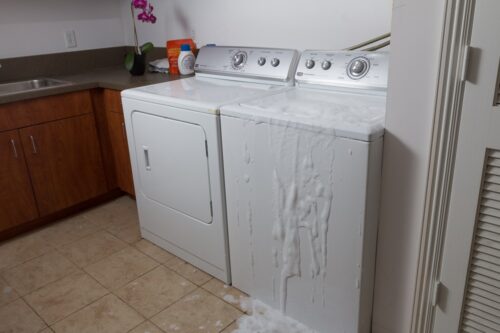
Your washing machine releases a surprising amount of water during each cycle. If the drain pipe becomes clogged or the drain hose slips out of place, that water can spill onto your laundry room floor.
Make sure the drain hose is secured properly and check for signs of slow drainage or unusual odors. If you notice water pooling around the machine after a wash, don’t ignore it. There could be a blockage or plumbing issue that needs attention.
If your washer is on an upper floor, a leak can affect the rooms below, too. That means a small laundry room problem could turn into damaged drywall, ceilings, or flooring elsewhere in the house.
3. Keep Princeton’s Seasonal Weather in Mind
Central New Jersey experiences warm, humid summers and cold winters, with occasional snow and freezing temperatures. These seasonal changes make it important to pay attention to moisture and plumbing throughout the year.
During winter, keep your home adequately heated and protect plumbing in colder areas from freezing. In summer, humidity can make it harder for damp materials to dry out, especially in basements with limited ventilation.
If your washing machine is in a basement, check the surrounding floor and walls periodically for damp spots or musty smells. Even a minor leak can become a bigger concern when moisture lingers.
4. Never Ignore Small Leaks
A little puddle beneath your washer might not seem like a big deal, but it could be an early warning sign of a failing hose, loose connection, or internal appliance problem.
Wipe up standing water and investigate where it came from. Check behind and underneath the machine when it’s safe to do so, and contact a qualified plumber or appliance technician if you can’t identify the cause.
It’s also a good idea to avoid running your washing machine when you’re away from home for several hours. If a hose bursts while you’re out, water could continue flowing until someone discovers the problem.
5. Consider a Washing Machine Leak Detector
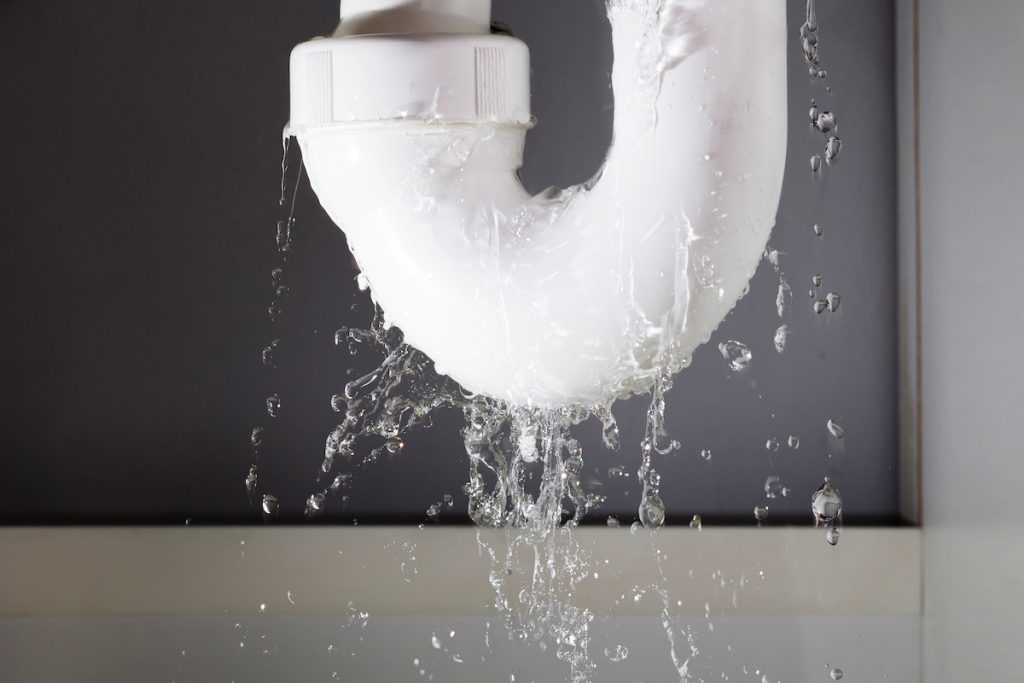
For extra peace of mind, consider installing a water leak detector near your washing machine. Some models sound an alarm when they detect moisture, while more advanced systems can automatically shut off the water supply.
This can be particularly helpful for homes with finished basements, hardwood floors, or laundry rooms located above living spaces.
Protect Your Home Before Water Damage from Your Washing Machine Happens
Preventing washing machine water damage doesn’t have to be complicated. Inspect your hoses, keep your drain secure, watch for leaks, and stay mindful of Princeton’s changing seasons.
If you do discover a leak, stop the water supply if it’s safe, avoid electrical hazards, and arrange for the necessary repairs and drying as soon as possible. Acting quickly can help limit damage and reduce the risk of mold growth.
A few simple checks today can save you a lot of stress tomorrow. When it comes to protecting your home from water damage, prevention really is worth the effort.
If water damage from your washing machine does happen, regardless of how it started, call our IICRC-certified water damage professionals for water damage assistance today.