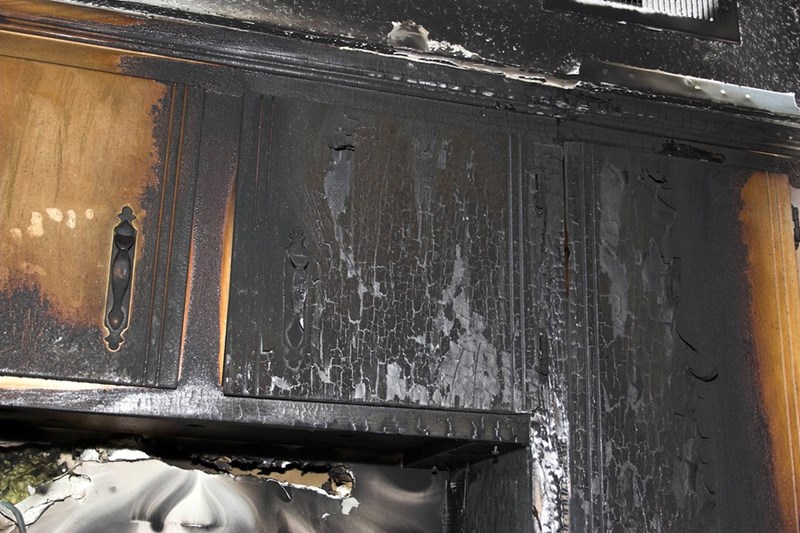
Does your home have too many electrical devices and too few outlets to plug them all in? Chances are you’re using extension cords to power up your electrical devices. However, electrical cords can cause electric shock, sparks, and fires if used improperly.
Thankfully, there are a few safety tips for extension cords we can follow to reduce our risk. Below, we curated some guidelines that will be helpful for safe use in your home or business.
17 Tips For Safely Using Extension Cords
Choose safety-approved extension cords. Look for cords that have been tested and approved by an independent laboratory, such as Underwriters Laboratories (UL)
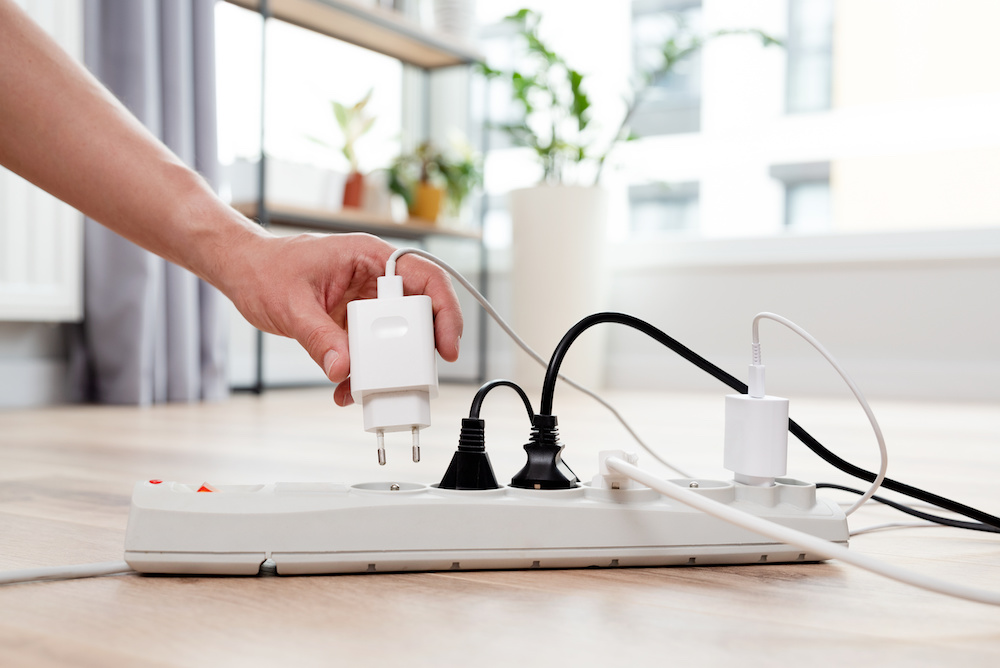
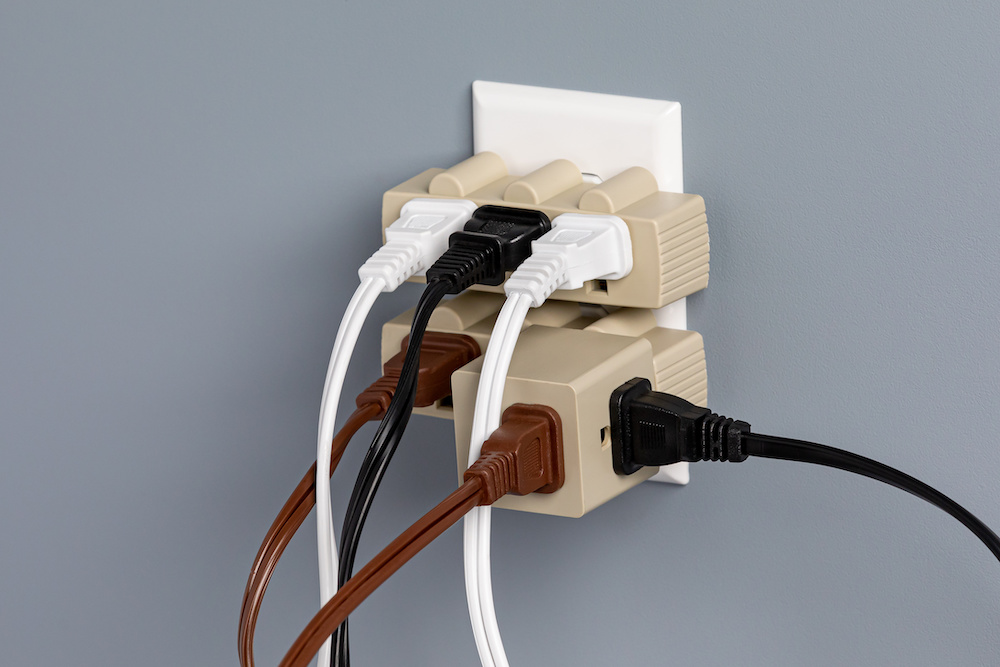
.Avoid overloading extension cords. Plugging too many appliances or devices into a single cord can cause it to overheat and potentially start a fire.
Plug major appliances directly into a wall outlet. Refrigerators, clothes dryers, washing machines, and other high-powered appliances should be connected directly to a properly installed wall receptacle.
Check the cord’s capacity. Before using an extension cord, check its maximum electrical rating and compare it with the requirements of the appliance, tool, or device you plan to connect. Never exceed the cord’s capacity.
Make sure plugs are fully inserted. Push the plug completely into the electrical outlet. A loose connection can create heat and increase the risk of an electrical fire.
Unplug cords when they are not in use. When removing an extension cord, pull it out by the plug rather than pulling on the cord itself.
Use extension cords temporarily. Extension cords are intended for temporary use and should not replace permanent household wiring. If you need a cord continuously in the same location, consider having a qualified electrician install an additional outlet.
Keep cords away from water and snow. Never run a cord through standing water, puddles, or snow. Exposure to moisture can significantly increase the risk of electric shock.
Never hide extension cords under carpets or inside walls. Avoid running cords through ceilings, walls, doorways, or floors. Do not place them underneath rugs or carpets, as covered cords cannot release heat properly and may become a fire hazard.
Keep cords away from high-traffic areas. Place extension cords where they will not become tripping hazards. Avoid leaving cords dangling where they can be pulled down or accidentally caught.
Consider installing additional outlets. If you frequently need multiple extension cords because there are not enough outlets in your home or business, have a qualified electrician install additional receptacles.
Do not connect extension cords together. Avoid “daisy-chaining” multiple extension cords. Instead, use a single cord that is long enough for the job and plug it directly into a properly installed outlet.
Use outdoor-rated cords outdoors. Never use an indoor cord outside. If you need an electrical cord outdoors, make sure it is specifically labeled and rated for outdoor use.
Inspect cords before every use. Look for frayed wires, exposed conductors, damaged insulation, burn marks, or other signs of wear. If a cord becomes damaged or unusually hot during use, stop using it and replace it.
Use polarized or three-prong plugs correctly. Never force a three-prong plug into a two-prong outlet, and never remove or bend the grounding pin to make a plug fit.
Use cord-bundling products carefully. If you use spiral wire wraps or other cord-management products, avoid tightly packing or cramming cords together. Excessive bundling can damage insulation and prevent heat from escaping.
Never secure cords with nails or staples. Do not use nails, staples, or similar fasteners to attach extension cords to walls or other surfaces. They can puncture the insulation and create an electrical hazard.
Contact Your Local PuroClean Office For Fire Restoration Services
To learn more about avoiding electrical hazards in your home, check out our essential home electrical safety tips and the top causes of electrical fires. For professional smoke or fire damage restoration, contact your local PuroClean office for our IICRC-certified restoration professionals.