


As temperatures rise and irrigation systems turn back on, hidden leaks are often the first problem to surface and this is where we see the effects of Spring Water Damage.
Where Problems Start
Spring is when a lot of small issues finally show up resulting in water damage.
Turning irrigation systems back on, temperature shifts, and aging equipment all put pressure on systems that have been sitting dormant through the winter months. Add the windy elements, sunny days and frigid nights, our homes take a beating without much maintenance during this time.
Problems begin with a cracked sprinkler line, slow leaks behind a wall, or a failing water heater can introduce moisture without much warning. At first, it seems minor – beginning with a small stain, a damp spot, or a faint musty smell.
But those early signs rarely stay small creating bigger spring water damage issues.
Behind the Scenes with Spring Water Damage
Most spring water damage builds over time.
Common causes include:
- Irrigation lines damaged during freezing temperatures
- Water heaters reaching the end of their lifespan – which for many Reno homes, that was five years ago
- Small plumbing leaks turn ugly and disastrous
- Ground saturation or water pooling near the foundation – especially with the ground thawing and moving
Because these issues develop gradually, they often go unnoticed until damage becomes visible.
Why It Escalates
Water doesn’t stay contained. Once it gets into materials like drywall, flooring, or insulation, it spreads and absorbs quickly. What starts as a small leak can impact a much larger area if it isn’t addressed early. The longer moisture sits, the more extensive and expensive the repair becomes.
How Spring Water Damage Should Be Handled
The goal is simple: stop the source, dry the structure, and confirm it’s fully resolved. Unresolved water damage can turn into fungal and mold growth which creates another set of problems.
Here is the process we use to address these types of situations:
- Identify and stop the water source
- Remove standing water and/or heavily affected materials
- Professional drying using our efficient and powerful equipment
- Monitor moisture levels to ensure everything is dry
It’s not just about what’s visible, it’s about what remains behind the scenes.
Here is What to Watch For
Early signs are usually subtle and can be brushed off because you have bigger and more important things to worry about! What to look for:
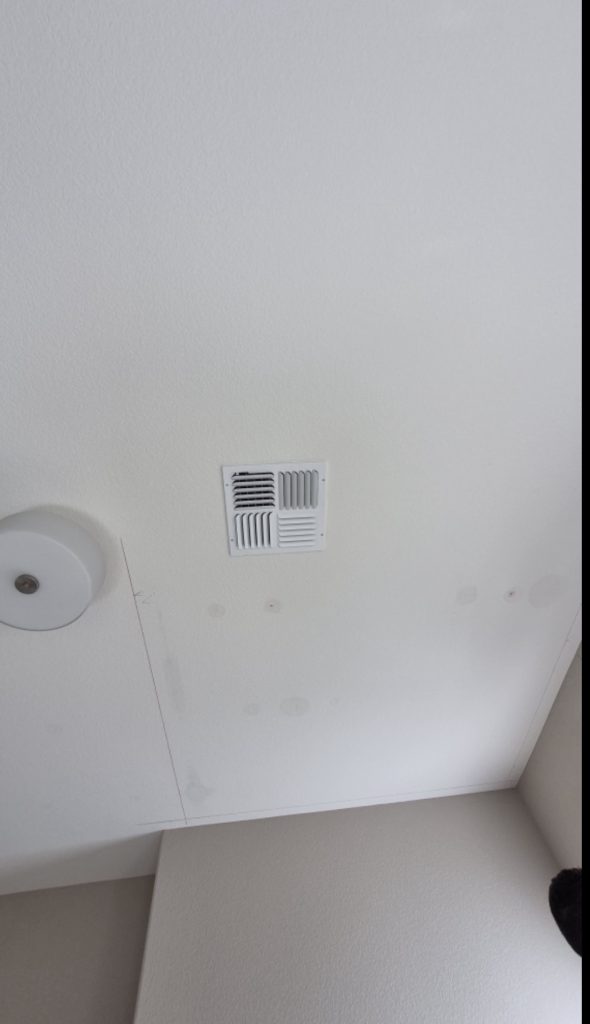
- Water stains on ceilings or walls – these can look like brown spots or rings
- Warped or uneven flooring – especially laminate and hardwoods floors
- An unexplained increase in your water bill. Remember that hose leak?
- Musty or damp odors that won’t go away no matter how hard you air our your space
- Moisture or pooling water near water heaters, irrigation systems, or crawlspaces
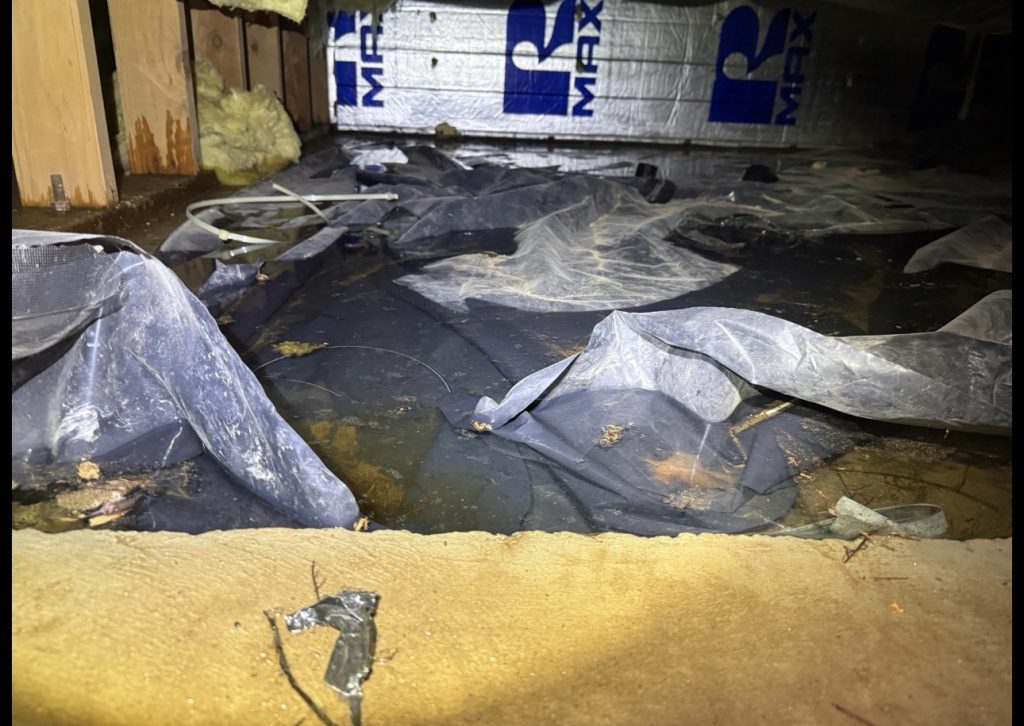
In a recent spring water damage situation, a homeowner accidentally left a hose running for over twelve hours. What seemed like a minor oversight ended up flooding a small section of the yard, allowing water to pool along the home’s foundation.
Because the water wasn’t immediately noticed, it had time to seep into the crawlspace. By the time it was discovered a few days later, there was already standing water beneath the home. That prolonged moisture created the ideal conditions for mold growth, which then required professional remediation.
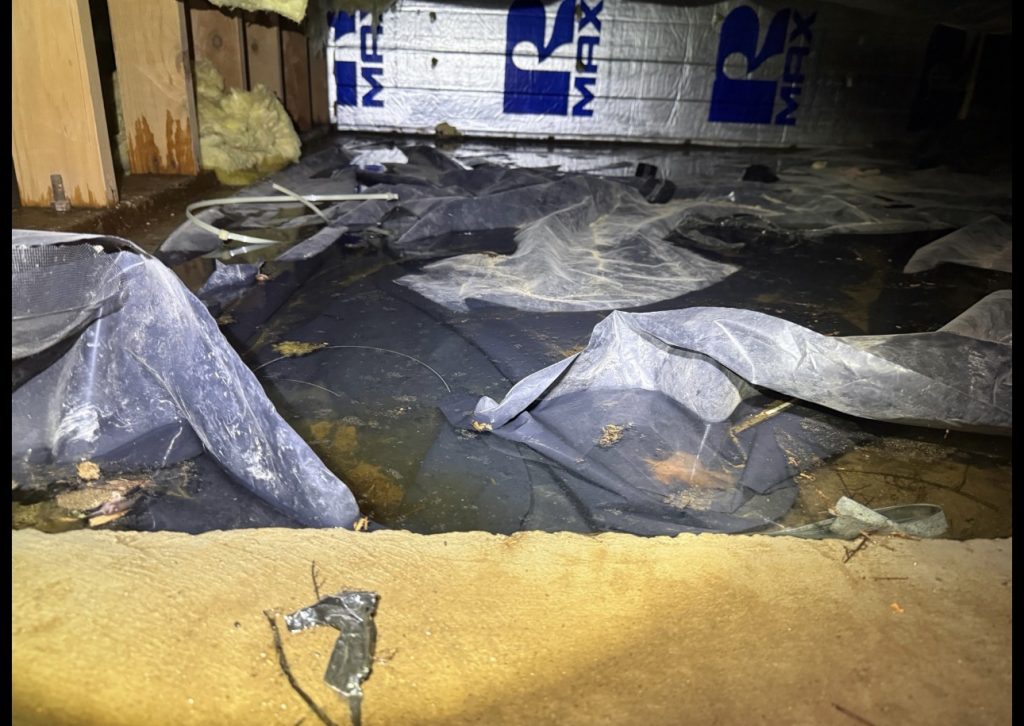
This is a good example of how quickly water can move from the outside of a home to the inside, especially when it sits against the foundation. Something as simple as a running hose can turn into a much larger issue when moisture isn’t addressed early.
When to Act
If something feels off, it’s worth checking sooner rather than later. A professional inspection can identify the source and ensure your home is properly dried before the problem spreads. Call the experts at PuroClean to help you address the problem before more costly damage happens.
Schedule Your Inspection with PuroClean Today!