 PuroClean of Santa Maria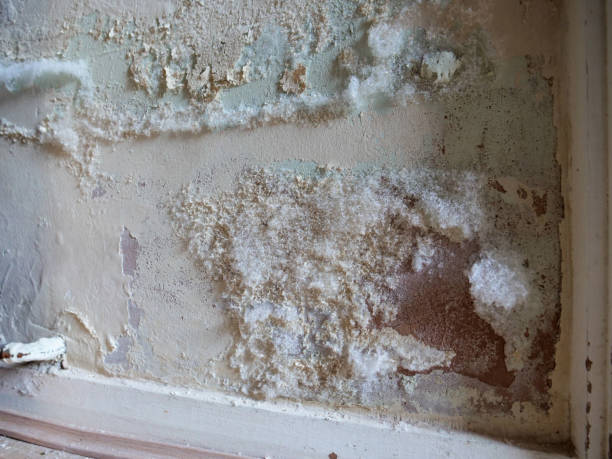
Table of Contents
Is white mold dangerous compared to black mold? This question reveals one of the most persistent and dangerous myths in home health: the belief that mold color determines mold danger. Thousands of Santa Maria homeowners meticulously remove every speck of black mold while completely ignoring white fuzzy growth because they’ve been conditioned to believe that white mold is harmless.
This color-based safety assessment has no scientific basis whatsoever. The question of is white mold dangerous compared to black mold assumes color correlates with toxicity, allergenicity, or health risk. It doesn’t. Mold danger depends on species, concentration, exposure duration, and individual sensitivity, never on color. Yet the black mold panic created by media coverage and internet misinformation has convinced the public that color provides reliable danger assessment.
The consequences of this misconception are serious. Homeowners delay remediation of extensive white mold contamination because it’s “not the dangerous kind.” They attempt DIY removal of black spots while hiring professionals only for black mold. They panic over minor black mold while living comfortably with severe white mold problems. All based on color, which tells you virtually nothing about actual health risks.
This guide presents eight shocking truths about the question of is white mold dangerous compared to black mold, provides scientific species comparisons, examines actual mycotoxin profiles, and explains why professional identification and remediation urgency should never depend on what color the mold appears to be.
Is White Mold Dangerous Compared to Black Mold? The Scientific Answer
Before examining specific truths, the scientific consensus needs clear statement. The question of is white mold dangerous compared to black mold is fundamentally flawed because color doesn’t determine danger. According to the Centers for Disease Control and Prevention, all indoor mold growth should be addressed promptly regardless of type or color. The Environmental Protection Agency explicitly states that color cannot be used to determine whether mold is hazardous.
Mold species produce different pigments during various growth stages and environmental conditions. A single species can appear white when young, green during active growth, and black when producing certain spore types. Conversely, completely different species with vastly different health implications can appear identical in color to the naked eye.
The notorious reputation of “black mold” stems primarily from Stachybotrys chartarum, a species associated with severe health effects and mycotoxin production. However, Stachybotrys represents one species among thousands. The term “black mold” encompasses hundreds of species, many relatively benign. Meanwhile, numerous white-appearing molds produce toxins equal to or more dangerous than Stachybotrys.
Understanding whether is white mold dangerous compared to black mold requires abandoning color-based assessment entirely and examining actual species identification, mycotoxin production, allergen profiles, and exposure circumstances. Here are eight truths that shatter the color = danger myth.
Truth #1: Many White Molds Produce More Dangerous Mycotoxins Than Black Mold
The first shocking truth answering is white mold dangerous compared to black mold involves mycotoxin production. Some white mold species produce mycotoxins considered among the most dangerous naturally occurring toxic compounds known to science, exceeding the toxicity of compounds produced by the black mold everyone fears.
Aspergillus species, which frequently appear white, gray, or greenish-white, produce aflatoxins. According to the National Cancer Institute, aflatoxins are potent carcinogens associated with liver cancer. Aflatoxin B1, produced by certain Aspergillus species, is classified as a Group 1 carcinogen by the International Agency for Research on Cancer, meaning sufficient evidence exists of carcinogenicity in humans.
Compare this to Stachybotrys chartarum, the infamous “toxic black mold.” While Stachybotrys produces trichothecene mycotoxins that can cause serious health effects, aflatoxins from white-appearing Aspergillus species are generally considered more potently carcinogenic. Yet homeowners panic over black Stachybotrys while dismissing white Aspergillus based purely on color.
Penicillium species, another common white mold, produce ochratoxin A, a compound with documented kidney toxicity and potential carcinogenic properties. Some Penicillium species also produce citrinin, patulin, and other mycotoxins with various toxic effects. The mycotoxin profiles of white-appearing Penicillium can be as concerning as those of any black mold.
The critical point: you cannot assess mycotoxin danger by looking at color. Species identification through laboratory analysis provides the only reliable information about what toxins might be present. Answering is white mold dangerous compared to black mold from a mycotoxin perspective reveals that white molds can be equally or more toxic than black molds.
Truth #2: Color Changes Throughout a Mold’s Life Cycle
The second truth involves understanding that individual mold colonies change color as they grow and age. What appears white today might be black next week, not because different mold colonized but because the same colony entered a different growth stage.
Many mold species appear white or light-colored during initial colonization when mycelial growth dominates. As colonies mature and begin producing spores, pigmentation develops. The spore color determines the colony’s visible color at maturity. A “white mold” can become a “black mold” as it ages and begins sporulating heavily.
Alternaria, a common allergenic mold, demonstrates this clearly. Young Alternaria colonies appear white or pale gray. As they mature and produce the dark spores characteristic of this genus, the colonies turn dark brown to black. Someone seeing the colony at different ages might think two different molds were present based on color alone.
This color change means that the question of is white mold dangerous compared to black mold becomes even more meaningless. You might be looking at the same species at different life stages, yet assessing danger differently based on temporary color presentation.
Environmental conditions also affect color. Moisture levels, temperature, available nutrients, and substrate composition all influence pigment production. The same species growing on drywall might appear different from the same species growing on wood, creating false impressions of different molds requiring different responses.
Truth #3: “Black Mold” Includes Hundreds of Species With Varying Danger Levels
The third shocking truth involves the term “black mold” itself. When people ask is white mold dangerous compared to black mold, they typically imagine a comparison between benign white growth and dangerous Stachybotrys. However, “black mold” describes hundreds of species with vastly different health implications.
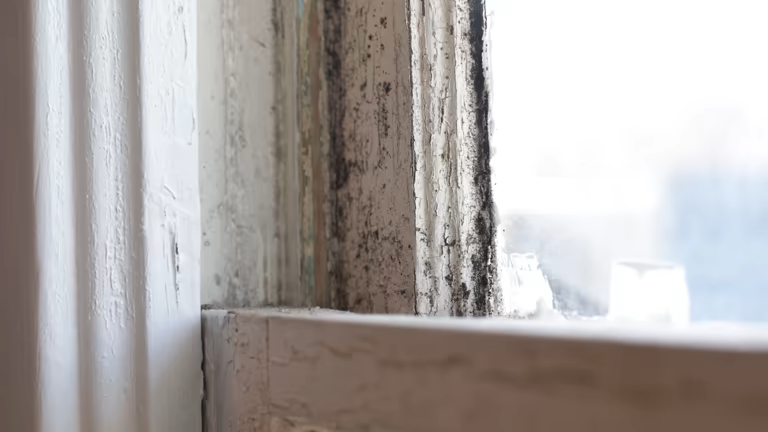
Cladosporium, one of the most common indoor molds, appears dark brown to black. It’s found in virtually every home to some degree. While Cladosporium can trigger allergic responses and asthma in sensitive individuals, it doesn’t produce the concerning mycotoxins that Stachybotrys does. Yet both get labeled “black mold” because of their color.
Aureobasidium, another black-appearing mold common on shower caulk and window frames, is generally considered low toxicity. Ulocladium, Alternaria, and numerous other genera produce dark-colored growth without the specific dangers associated with Stachybotrys. All get feared equally when they’re black, despite having different health implications.
The Stachybotrys panic has created a situation where any black mold triggers extreme concern regardless of actual species. Meanwhile, genuinely concerning white molds get ignored. This backwards response to color rather than actual danger demonstrates why the question of is white mold dangerous compared to black mold misleads homeowners into poor remediation decisions.
According to research from the National Institute of Environmental Health Sciences, focusing on “toxic black mold” as a unique threat ignores the health risks from many other mold species. All indoor mold growth warrants attention and appropriate response regardless of color or specific species.
Truth #4: Allergic Reactions Don’t Discriminate by Color
The fourth truth answering is white mold dangerous compared to black mold involves allergic responses. Mold allergies depend on immune system reactions to mold proteins, not mold color. White molds trigger allergic reactions just as readily as black molds in sensitized individuals.
The American Academy of Allergy, Asthma and Immunology confirms that numerous mold species across the color spectrum cause allergic reactions. Aspergillus, Penicillium, Cladosporium, and Alternaria all rank among the top allergenic molds, and they span white, green, gray, and black in appearance.
Allergic responses include respiratory symptoms (sneezing, congestion, coughing, wheezing), eye irritation, skin reactions, and asthma attacks. These responses occur when the immune system recognizes mold proteins as threats and releases histamine and inflammatory mediators. The protein structure determining allergenicity has nothing to do with the pigments determining color.
Someone allergic to Aspergillus (often white) will react to it more severely than to Stachybotrys (black) if they’re not sensitized to Stachybotrys proteins. Conversely, someone allergic to Cladosporium (black) might have no reaction to Penicillium (white). Individual sensitivity patterns depend on immune system history, not mold color.
For Santa Maria allergy sufferers, this means color-based mold assessment provides zero useful information. The white growth in your bathroom could be triggering your respiratory symptoms more than any black mold would. Professional identification and remediation of all mold, regardless of color, represents the only effective approach to environmental allergy control.
Truth #5: Visual Identification by Color Is Completely Unreliable
The fifth truth involves identification accuracy. Even trained mycologists cannot reliably identify mold species by visual inspection alone. Definitive identification requires laboratory analysis including microscopic examination and often DNA sequencing. Color provides almost no useful identification information.
Hundreds of mold species can appear white. Aspergillus, Penicillium, Fusarium, Acremonium, Mucor, and many others produce white to cream-colored colonies. These species have completely different health implications, mycotoxin profiles, and growth requirements. You cannot distinguish them by looking at color.
Similarly, dozens of species appear black. Stachybotrys, Cladosporium, Alternaria, Aureobasidium, Ulocladium, and others all produce dark growth. Visual inspection cannot differentiate the concerning Stachybotrys from the relatively benign Cladosporium. They look identical to untrained observers, yet have vastly different health implications.
According to mold identification protocols from the American Industrial Hygiene Association, proper species identification requires collecting samples under controlled conditions, culturing them in laboratory settings, and examining under microscopy. Many species require additional biochemical or genetic testing for definitive identification.
The question of is white mold dangerous compared to black mold assumes you can identify what you’re looking at based on color. You can’t. That white fuzzy growth might be relatively benign Mucor or it might be aflatoxin-producing Aspergillus. The black spots might be dangerous Stachybotrys or harmless Cladosporium. Color tells you nothing reliable.
Truth #6: Both Require Identical Professional Remediation Protocols
The sixth shocking truth involves remediation requirements. Professional mold remediation follows the same protocols regardless of mold color. The IICRC S520 Standard for Professional Mold Remediation doesn’t include color-based decision trees because color doesn’t determine appropriate remediation methods.
Remediation protocols depend on contamination extent, affected materials, building use, and occupant vulnerability, not on whether the mold appears white or black. Small isolated areas receive different treatment than extensive contamination. Porous materials get handled differently than non-porous surfaces. Buildings with immunocompromised occupants require more stringent protocols than standard residential spaces.
Proper remediation includes containment preventing spore spread, HEPA air filtration during work, removal of contaminated porous materials that cannot be adequately cleaned, antimicrobial treatment of structural components, and post-remediation verification testing. These steps apply equally to white and black mold.
The belief that black mold requires professional remediation while white mold can be DIY cleaned is completely unfounded. Both require the same careful approach to prevent cross-contamination, ensure complete removal, and verify successful remediation. The question of is white mold dangerous compared to black mold shouldn’t affect remediation decisions because both demand professional attention.
PuroClean of Santa Maria applies identical systematic protocols to all mold contamination regardless of color. We understand that attempting to DIY clean “safe” white mold while hiring professionals for “dangerous” black mold creates inconsistent results and often makes contamination worse through improper handling.
Truth #7: Health Effects Depend on Exposure and Individual Sensitivity, Not Color
The seventh truth answering is white mold dangerous compared to black mold involves actual health outcomes. Medical literature shows no correlation between mold color and severity of health effects. Health impacts depend on exposure concentration, duration, route of exposure, and individual susceptibility.
A person with severe Aspergillus allergies will experience worse health effects from white Aspergillus exposure than from black Stachybotrys exposure. Someone with asthma triggered by Cladosporium (black) might have minimal response to Penicillium (white). Health outcomes are individual and species-specific, never color-specific.
The American Lung Association notes that mold exposure causes respiratory symptoms, triggers asthma, and can lead to serious lung infections in immunocompromised individuals. These health risks exist across the mold spectrum regardless of what color colonies appear.
Concentration matters enormously. Heavy exposure to relatively “benign” mold causes more health problems than minor exposure to “toxic” mold. A small spot of black Stachybotrys in a well-ventilated bathroom creates less exposure than extensive white Penicillium growth throughout a basement where family members spend time.
Duration compounds effects. Chronic low-level exposure to any mold species causes progressive sensitization and health impacts. The white mold you’ve ignored for months creates cumulative exposure exceeding the black spot you immediately removed.
Truth #8: Both Can Indicate Serious Moisture Problems Requiring Attention
The eighth and final truth involves what mold presence actually signals. Whether white or black, indoor mold growth indicates moisture problems requiring immediate attention. The moisture conditions supporting mold growth also support structural damage, attract pests, and create other building problems unrelated to mold itself.
Focusing on color distracts from the underlying issue. The question shouldn’t be is white mold dangerous compared to black mold. The question should be “why do I have moisture conditions allowing mold growth and what damage is this moisture causing?”
Roof leaks, plumbing failures, condensation problems, inadequate ventilation, and foundation water intrusion all create conditions supporting mold. These moisture sources cause wood rot, drywall deterioration, insulation damage, and structural compromise regardless of what color mold appears.
According to building science research, addressing moisture sources represents the only effective long-term mold prevention. Removing visible mold without fixing moisture problems guarantees recurrence. The color of the mold returning is irrelevant; the fact that conditions allowed it to return is what matters.
Santa Maria’s coastal climate creates moisture challenges requiring active management. The marine layer, seasonal rain, and temperature fluctuations mean homes need proper ventilation, moisture barriers, and maintenance to prevent conditions supporting mold growth of any color.
Why the Color Myth Persists and Why It’s Dangerous
Understanding why people continue believing color determines danger helps explain why debunking this myth matters so critically. Media coverage of “toxic black mold” created panic focused on specific species and color. This coverage suggested black mold represented unique dangers while implying other molds were less concerning.
The simplicity of color-based assessment appeals to homeowners wanting easy danger evaluation. “Black = dangerous, white = safe” provides a mental shortcut requiring no expertise or testing. Unfortunately, this shortcut is completely wrong and leads to dangerous decisions.
The consequences include delayed remediation of white mold creating serious health problems, inappropriate DIY attempts on white mold that should receive professional remediation, panic over minor black mold while ignoring extensive white contamination, and wasted resources removing black mold when white mold causes the actual health symptoms.
When Professional Assessment Becomes Essential
Given what we now know about is white mold dangerous compared to black mold, professional assessment provides the only reliable information about mold in your home.
Seek professional help for any visible mold growth exceeding 10 square feet regardless of color, any mold in HVAC systems, mold resulting from contaminated water or sewage, mold in homes with immunocompromised occupants, or situations where you need definitive species identification.
Also seek assessment when experiencing unexplained health symptoms, when selling or buying property, after any water damage even if mold isn’t visible yet, or when you’ve attempted DIY mold removal that has recurred.
Professional assessment includes visual inspection of all accessible areas, moisture mapping identifying conditions supporting growth, air quality sampling measuring spore concentrations, surface sampling for laboratory identification of species present, and comprehensive reporting explaining findings and recommendations.
PuroClean of Santa Maria: Species-Neutral Professional Remediation
Understanding that color doesn’t determine danger shapes PuroClean of Santa Maria’s approach to every mold project. We treat all mold contamination with the same systematic professional protocols because we understand the question of is white mold dangerous compared to black mold has no meaningful answer.
Our assessment process doesn’t prioritize based on color. White, black, green, orange, or any other color receives identical thorough evaluation. We identify contamination extent, determine affected materials, locate moisture sources, and recommend appropriate remediation regardless of what color the mold appears.
Our remediation follows IICRC S520 standards for all mold regardless of species or color. We establish proper containment, use commercial HEPA air filtration, remove contaminated materials appropriately, treat structural components with professional antimicrobials, and verify successful remediation through post-remediation testing.
We educate Santa Maria homeowners that the “not the dangerous kind” dismissal of white mold represents dangerous thinking that allows serious contamination to persist. Our commitment is to science-based assessment and remediation that protects health regardless of what color the mold happens to be.
Frequently Asked Questions
Q: Is white mold dangerous compared to black mold in terms of toxicity?
A: Color doesn’t determine toxicity. Some white molds produce extremely potent toxins including aflatoxins (carcinogenic) and ochratoxins (kidney toxic). Some black molds produce relatively mild toxins or none at all. Toxicity depends on species, not color. Laboratory identification provides the only reliable toxicity information.
Q: Should I be more worried about black mold than white mold?
A: No. Both deserve equal concern and prompt professional attention. The specific health risks depend on species, concentration, and your individual sensitivity, none of which correlate with color. Treat all indoor mold as requiring assessment and appropriate remediation regardless of appearance.
Q: Can I use bleach to remove white mold since it’s less dangerous?
A: This question reflects the dangerous color-based thinking this article debunks. First, white mold isn’t “less dangerous.” Second, bleach is not an appropriate mold remediation solution for any mold color. It provides only superficial treatment on non-porous surfaces and doesn’t address mold within porous materials or moisture sources.
Q: How can I tell if white mold or black mold is more dangerous in my specific situation?
A: You can’t determine this visually. Species identification through laboratory analysis of collected samples provides the only way to know what mold is present and research its specific health implications. Even then, danger depends on concentration and your individual sensitivity, requiring professional assessment of your specific situation.
Q: Is white mold dangerous compared to black mold for people with allergies?
A: Allergy severity depends on individual sensitivity to specific mold proteins, not color. Someone might be severely allergic to white Aspergillus but not allergic to black Stachybotrys. Others have opposite sensitivity patterns. Your specific allergies determine which molds affect you, and color provides no useful information about allergenicity.
Q: Why do people think black mold is more dangerous if color doesn’t matter?
A: Media coverage of “toxic black mold” created public panic focused on Stachybotrys chartarum, a black-appearing species associated with severe health effects. This coverage inadvertently suggested color correlated with danger. Scientific reality is that numerous white, green, and multi-colored molds pose equal or greater health risks than black molds.
Q: Is white mold dangerous compared to black mold in terms of remediation urgency?
A: Both require equal urgency. The question of is white mold dangerous compared to black mold shouldn’t affect your timeline for professional assessment and remediation. All indoor mold growth indicates moisture problems requiring prompt attention regardless of color.
The Bottom Line: Abandon Color-Based Safety Assessment
Eight shocking truths have systematically dismantled the myth that mold color determines mold danger. White molds produce potent mycotoxins. Color changes throughout life cycles. “Black mold” includes hundreds of species with varying danger. Allergies don’t discriminate by color. Visual identification is unreliable. Remediation protocols are identical. Health effects depend on exposure and sensitivity. Both signal serious moisture problems.
The question of is white mold dangerous compared to black mold has been definitively answered: color provides no useful information about danger, and both require professional attention.
You deserve mold assessment and remediation based on science, not on color-based myths that lead to dangerous decisions. Your family’s health deserves protection from all mold contamination regardless of what color it appears.
If you have any mold in your Santa Maria home, whether white, black, green, or any other color, contact PuroClean of Santa Maria for professional assessment. Because when it comes to mold danger, color is irrelevant. Species, concentration, exposure, and proper remediation are what actually matter.
Stop asking is white mold dangerous compared to black mold. Start asking “do I have mold, and how do I eliminate it properly?” That’s the question that protects your family.
Available 24/7/365 | IICRC Certified | (805) 975-0800 | Contact Us Online | Google Business Profile



 PuroClean of Santa Maria