 PuroClean of Santa Maria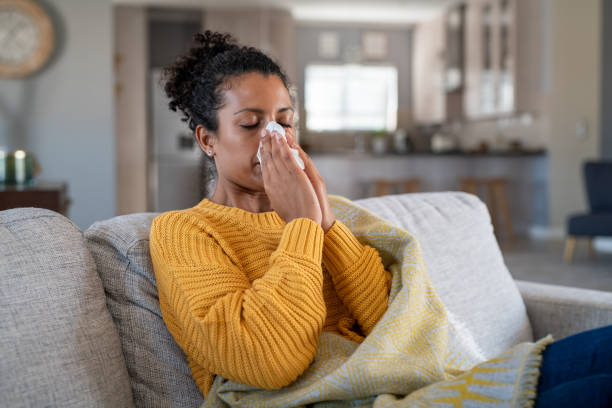
Table of Contents
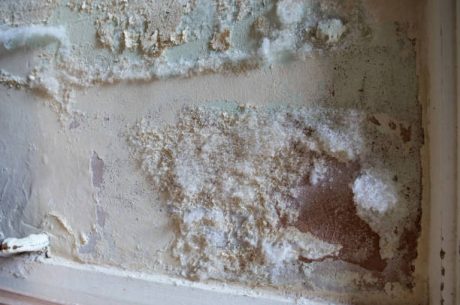
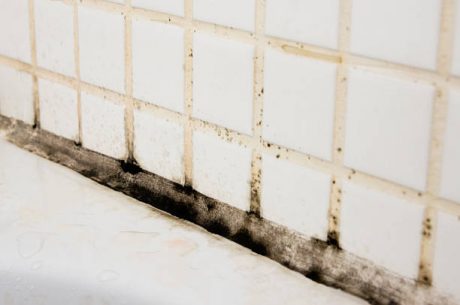
Is white mold dangerous with allergies? The short answer is yes — and often far more dangerous than most allergy sufferers realize. White mold is not a single species but a broad category of fungi that appear white or light-colored, including Aspergillus, Penicillium, Cladosporium, and Trichoderma. For people who already struggle with seasonal or environmental allergies, these molds do not simply add one more trigger to avoid. They can permanently reshape how your immune system responds to a wide range of substances.
At PuroClean of Santa Maria, we regularly work with homeowners and renters across the Santa Maria Valley whose allergy symptoms have worsened dramatically after discovering hidden white mold in their homes. What starts as routine sneezing can progress to chronic respiratory illness. Understanding the specific risks is the first step toward protecting your health.
Is White Mold Dangerous with Allergies? Here Is What the Research Shows
The Centers for Disease Control and Prevention (CDC) acknowledges that mold exposure can cause a variety of health effects, particularly in people with existing allergic conditions. The National Institutes of Health (NIH) has documented that repeated mold exposure leads to progressive immune sensitization, meaning your body’s allergic response does not stay the same over time. It gets worse.
According to research published in the Journal of Allergy and Clinical Immunology, individuals exposed to indoor mold for extended periods showed heightened immune responses not only to mold antigens but to unrelated allergens as well. This cross-sensitization effect is one of the most underappreciated dangers for allergy sufferers living in moldy environments.
Santa Maria’s Mediterranean climate, with mild temperatures, coastal morning fog, and moisture from nearby agricultural activity, creates year-round indoor conditions where white mold can thrive, especially in crawl spaces, attics, and poorly ventilated bathrooms.
Risk 1: Progressive Sensitization That Worsens Over Time
Is white mold dangerous with allergies when exposure is brief? Possibly not. But ongoing exposure is a different matter entirely. Progressive sensitization occurs when repeated contact with mold spores causes your immune system to mount increasingly aggressive responses over time.
What begins as mild nasal congestion can evolve into severe asthma attacks or hypersensitivity pneumonitis, a serious lung condition caused by immune overreaction to inhaled particles. The NIH notes that sensitization to Alternaria and Aspergillus species is strongly associated with severe asthma in both adults and children.
The danger is that sensitization builds silently. Many people do not realize their immune threshold has dropped until they experience a reaction far more serious than anything they have had before.
Risk 2: Cross-Reactivity with Other Allergens
One of the most disruptive effects of white mold exposure is cross-reactivity. When your immune system learns to recognize mold proteins, it may begin reacting to structurally similar proteins found in completely unrelated substances, including pollen, dust mites, certain foods, and latex.
For allergy sufferers in Santa Maria, this is particularly problematic. The Santa Maria Valley is surrounded by agricultural land producing strawberries, broccoli, and wine grapes. Pollen counts are significant for much of the year. If white mold exposure triggers cross-reactivity with plant proteins, a person who previously tolerated local pollen may develop entirely new allergic responses without any change in their outdoor exposure.
Cross-reactivity can also affect food tolerance, which connects directly to the next risk.
Risk 3: Chronic Airway Inflammation
Is white mold dangerous with allergies when it comes to long-term lung health? Absolutely. Chronic airway inflammation is one of the most documented consequences of sustained mold exposure in sensitized individuals.
Mold spores and mycotoxins, the toxic compounds produced by certain mold species, can trigger persistent inflammatory responses in the bronchial lining. Over time, this inflammation can lead to airway remodeling, a process in which the physical structure of the airways permanently changes. This reduces lung capacity and increases sensitivity to cold air, exercise, and chemical irritants.
The American Academy of Allergy, Asthma and Immunology has linked mold sensitization to more frequent and severe asthma exacerbations. For allergy sufferers who already have asthma, white mold exposure can push a manageable condition into a disabling one.
Risk 4: Oral Allergy Syndrome Development
Oral allergy syndrome occurs when the immune system cross-reacts between airborne allergens and raw fruits, vegetables, or tree nuts. While it is most commonly linked to tree pollen, research published in Clinical and Experimental Allergy indicates that mold sensitization can trigger or worsen this condition as well.
For someone already asking whether is white mold dangerous with allergies, the development of oral allergy syndrome adds an unexpected dietary dimension to an environmental problem. Suddenly, eating raw apples, carrots, or stone fruits causes tingling or swelling in the mouth. The root cause, ongoing mold sensitization, is often missed because patients and physicians focus on the food reaction rather than the mold exposure driving it.
Risk 5: Chronic Sinusitis and Nasal Polyps
The sinuses are among the first tissues affected by mold exposure. Repeated inhalation of white mold spores can trigger chronic sinusitis, persistent inflammation of the sinus cavities lasting twelve weeks or longer. The Mayo Clinic has identified fungal species, including those classified as white molds, as a contributing factor in many chronic sinusitis cases.
In some individuals, ongoing sinus inflammation leads to the formation of nasal polyps, noncancerous growths that block nasal passages and further impair breathing. Nasal polyps are notoriously difficult to treat, often requiring repeated surgical procedures and long-term steroid therapy.
For Santa Maria residents, where agricultural dust and coastal fog already burden the sinuses throughout the year, adding white mold exposure to the equation significantly increases the risk of developing chronic sinus disease.
Risk 6: Skin Reactions and Eczema Flares
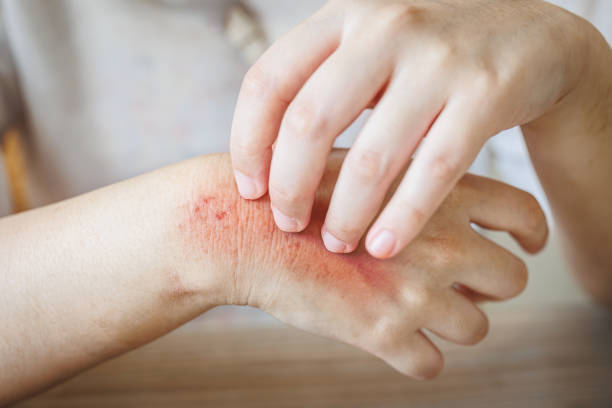
Is white mold dangerous with allergies for your skin? Yes. Many allergy sufferers do not connect skin symptoms to mold, but the link is well-established. Mold spores that land on the skin can trigger contact dermatitis. Systemic immune activation from inhaled spores can simultaneously worsen atopic dermatitis, commonly known as eczema.
Research from the British Journal of Dermatology found that individuals sensitized to Aspergillus and Penicillium showed higher rates of eczema flares during periods of elevated indoor mold exposure. The inflammatory response that mold provokes in the respiratory system does not stay confined to the lungs. It affects the skin barrier as well.
If you have experienced unexplained rashes, persistent itching, or eczema that resists standard treatment, white mold in your home may be a significant contributing factor.
Risk 7: Sleep Disruption and Cognitive Effects
Allergic reactions are exhausting by nature, but mold exposure introduces additional mechanisms that directly disrupt sleep quality. Nighttime nasal congestion caused by mold sensitization forces mouth breathing, reduces sleep depth, and contributes to sleep apnea in predisposed individuals.
Beyond congestion, some mycotoxins produced by white mold species have been associated with neurological effects including brain fog, difficulty concentrating, and disrupted sleep architecture. The NIH has funded studies examining the relationship between indoor mold exposure and cognitive function, particularly in children and adolescents.
Poor sleep compounds every other allergy symptom. When you cannot recover overnight, daytime immune function suffers, and the cycle becomes increasingly difficult to break without addressing the underlying mold source.
Risk 8: Increased Susceptibility to Respiratory Infections
Is white mold dangerous with allergies in terms of infection risk? The evidence says yes. Chronic allergic inflammation compromises the mucosal barriers that protect the respiratory tract from viral and bacterial pathogens. Allergy sufferers with ongoing mold exposure show higher rates of secondary respiratory infections including sinusitis, bronchitis, and pneumonia.
The CDC has noted that individuals with mold-related asthma face greater complications from common respiratory viruses, including influenza. In Santa Maria’s mild year-round climate, cold and flu season is less defined than in colder regions, meaning the window of elevated infection risk extends throughout the calendar year.
Why Antihistamines Are Not Enough
Many allergy sufferers rely on antihistamines as their primary management tool. These medications block histamine receptors and can reduce sneezing, itching, and runny nose. However, they do not address the full scope of mold-related immune responses.
Mold allergens trigger not only histamine release but also cytokine activity, leukotriene production, and IgE-mediated immune cascades that antihistamines cannot block. They also do nothing to prevent the progressive sensitization process or reduce mycotoxin exposure. Taking an antihistamine while continuing to live with white mold is comparable to putting a bandage over a wound that keeps reopening.
Effective long-term management requires removing the source of mold exposure, not simply masking the symptoms.
Santa Maria’s Year-Round Allergen Challenges
Santa Maria’s climate does not offer allergy sufferers a true off-season. Coastal fog keeps indoor humidity elevated from late spring through summer. Agricultural activity generates airborne particulates throughout the year. And because temperatures rarely drop low enough to inhibit mold growth, white mold can develop inside homes during any month of the year.
This combination means that a Santa Maria resident with indoor mold is simultaneously battling mold spores, agricultural pollen, and dust mite populations that thrive in moderate temperatures. The cumulative allergen load accelerates sensitization and makes symptom management significantly harder than it would be in a less allergen-dense environment.
Allergy-Specific Remediation Protocols
Standard mold remediation focuses on physical removal of contaminated materials and surface treatment. For allergy sufferers, the standard is not sufficient. PuroClean of Santa Maria follows enhanced protocols designed specifically for sensitized individuals.
Air quality testing is conducted both before and after remediation to verify that spore counts have returned to safe baseline levels. HEPA filtration is used throughout the remediation process to prevent spore dispersal into clean areas of the home. Every remediation begins with a thorough moisture source investigation, because mold always returns if the underlying water problem is not corrected. Post-remediation clearance testing, conducted by an independent industrial hygienist, confirms the environment is safe before allergy sufferers re-enter.
We also recommend that allergy sufferers consult with their allergist before returning to a remediated space, particularly if testing identified species to which they have known sensitization.
Frequently Asked Questions
Q: Is white mold dangerous with allergies even if I only see a small patch? A: Yes. Even a small visible colony releases millions of spores into the air daily. For sensitized individuals, low spore counts can still trigger significant reactions. The visible mold is also typically only a fraction of the actual growth present.
Q: Can white mold allergies develop suddenly, even in adults with no prior mold sensitivity? A: Yes. Sensitization can develop at any age. Many people live for years near mold without reacting and then cross an immune threshold after sustained exposure.
Q: How do I know if my allergies are mold-related versus pollen-related? A: Mold allergies typically worsen indoors and in humid conditions, while pollen allergies peak outdoors during bloom seasons. An allergist can perform specific IgE testing to identify your exact sensitization profile.
Q: Will HEPA air purifiers protect me from white mold? A: HEPA air purifiers can reduce airborne spore counts and provide some symptom relief, but they do not eliminate the mold source. Professional remediation is still necessary for full protection.
Q: Is white mold dangerous with allergies for children specifically? A: Yes, and potentially more so. Children’s immune systems are still developing, and early mold sensitization is associated with a higher lifetime risk of asthma and severe allergic disease.
Q: How long after mold removal will my allergy symptoms improve? A: Most people notice improvement within weeks of successful remediation, but it can take several months for inflammatory responses to fully subside if sensitization has been developing for years.
Q: Does homeowner’s insurance cover mold remediation? A: Coverage varies by policy. Most policies cover mold resulting from a sudden covered event like a burst pipe, but exclude mold from chronic moisture issues. Contact your insurance provider for your specific situation.
Contact PuroClean of Santa Maria Today
Is white mold dangerous with allergies? The evidence is clear and consistent: yes, significantly, and progressively. Every day of continued exposure increases your sensitization burden, expands your reactivity, and undermines your ability to manage symptoms through medication alone.
PuroClean of Santa Maria provides comprehensive mold inspection, testing coordination, and full remediation services throughout the Santa Maria Valley. Our certified technicians understand the unique environmental challenges of the Central Coast and follow allergy-protective protocols throughout every remediation project.
If you suspect white mold in your home, do not wait for your symptoms to escalate. Call PuroClean of Santa Maria today for a professional assessment.
Sources: Centers for Disease Control and Prevention; National Institutes of Health; American Academy of Allergy, Asthma and Immunology; Journal of Allergy and Clinical Immunology; Clinical and Experimental Allergy; British Journal of Dermatology; Mayo Clinic.
Available 24/7/365 | IICRC Certified | (805) 975-0800 | Contact Us Online | Google Business Profile

 PuroClean of Santa Maria