


Table of Contents
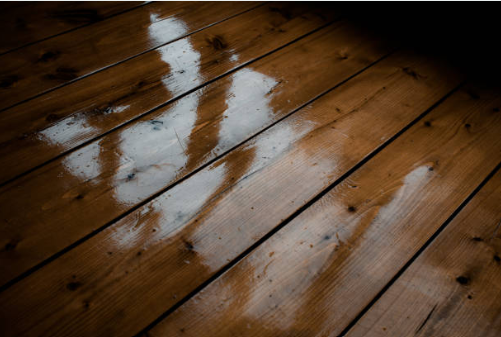
Yes ; hardwood floors can often be saved after water damage, but the outcome depends almost entirely on how quickly professional drying begins. Floors addressed within the first 24 hours, using industrial drying equipment, have the highest survival rate. Solid hardwood that shows early cupping without structural separation is frequently salvageable through professional drying, sanding, and refinishing. Floors contaminated by black water (sewage or floodwater), floors with full buckling and subfloor separation, or floors where moisture was left untreated for more than 72 hours typically require full replacement. The decision is not always obvious from the surface ; which is exactly why a moisture assessment from a certified professional matters before you make any permanent choices.
The Floor That Took Years to Choose Is Now Under Water
There is a specific kind of grief that comes with water damage to hardwood floors.
It is not the same as a flooded basement full of stored boxes or a damaged drywall section that needs a patch. Hardwood floors carry weight that is partly financial and partly something else ; the memory of choosing the species, watching the grain come through under the first coat of finish, the way they looked that first morning after installation. They are part of the home in a way that drywall simply is not.
So when a washing machine line fails at 6 AM, or a toilet overflows while the family is away for the weekend, or a storm sends water under the sliding door and across the entire main floor ; the question that hits hardest is not “how much will this cost?” It is: “are they gone?”
The honest, expert answer is this: it depends on factors you can actually influence right now. Hardwood floor water damage repair is simultaneously a materials science problem and a race against a biological clock. Understanding both of those things clearly puts you in a position to make smart decisions under serious pressure ; which is exactly what this guide is built to help you do.
What follows is not a generic overview. It is the same framework that certified restoration professionals use when they walk into a flooded home in Horsham or Harleysville and have to make rapid, accurate decisions about what can be saved and what has to come out.
1. Why Hardwood Floors React to Water the Way They Do ; The Science Behind the Warping
To understand hardwood floor water damage repair, you first need to understand why wood and water interact so destructively in the first place. This is not intuitive, and most guides skip it entirely ; which leaves homeowners confused about why their floor looks fine on the surface but is already compromised beneath it.
Wood is a hygroscopic material. That means it continuously absorbs and releases moisture from its surrounding environment in an attempt to reach equilibrium with the ambient humidity. In a properly controlled home interior, this process is slow, balanced, and invisible. The wood expands slightly in humid summer months and contracts slightly in dry winter months. You may see small gaps appear between boards in January that close again by June. That is normal wood movement.
When a water event occurs, the equilibrium process is overwhelmed. Instead of a gradual moisture exchange with ambient air, the wood is suddenly in direct contact with liquid water or extremely high humidity. The wood fibers swell rapidly and unevenly ; faster on the exposed face and edges than in the core, faster on the bottom than the top when water is beneath the floor, faster on the side exposed to standing water than the side that is not.
This uneven swelling is what causes the visible damage patterns you will see after a water event:
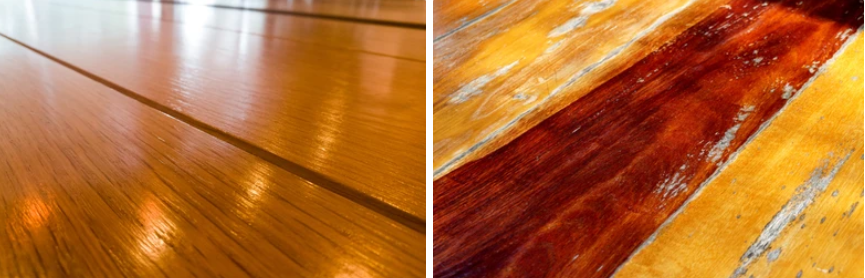
Cupping: The edges of each board rise above the center, creating a concave face across the width of the board. This happens because the bottom of the board absorbs moisture faster than the top ; typically because water is present beneath the floor (in the subfloor cavity) or because the board is sitting in standing water. Cupping is the most common early presentation of hardwood floor water damage and is also, in many cases, reversible if caught quickly.
Crowning: The center of each board rises above the edges. This is the opposite of cupping and is typically caused by the top surface absorbing moisture faster than the bottom ; often the result of surface water sitting on the floor for extended periods, or, ironically, by drying a cupped floor too aggressively on the surface before the moisture in the subfloor has been addressed. Crowning that results from improper drying of cupped floors is a particularly frustrating outcome and is largely preventable with professional oversight.
Buckling: The boards physically lift from the subfloor, sometimes by several inches in severe cases. Buckling occurs when the wood has swollen to the point where lateral expansion forces exceed the holding capacity of the fasteners or adhesive securing the boards. Once a floor buckles, individual board replacement is almost always necessary in the affected zone, even if the surrounding boards are salvageable.
Delamination (in engineered hardwood): Engineered hardwood consists of a real wood veneer bonded over cross-layered plywood or HDF core layers. When moisture penetrates the adhesive bonds between these layers, the veneer lifts and separates from the core. Delamination is generally not repairable ; affected planks must be replaced.
Understanding which of these damage types you are looking at determines the conversation about whether hardwood floor water damage repair is viable and what that repair process will realistically involve.
FEATURED IMAGE ; Position 2 (After the damage science section)
- Photo description: Three-panel educational comparison image on white background. Left panel: mild cupping showing board edges slightly raised. Center panel: moderate buckling with boards visibly lifting. Right panel: severe delamination of engineered hardwood with veneer separating from core. Clean, labeled, clinical. No people.
- Alt text: “hardwood floor water damage repair types cupping buckling delamination comparison guide”
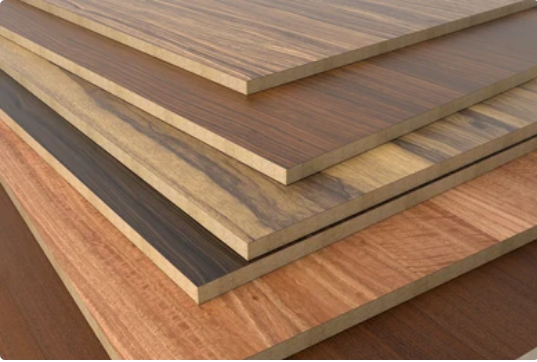
2. The 4 Types of Hardwood Floor Water Damage ; And What Each One Actually Means for Salvageability
Beyond the physical damage patterns above, how a floor is assessed for repairability also depends on the nature of the water event itself. Certified restoration professionals evaluate four distinct scenarios, and each has a different baseline expectation for outcomes.
Scenario A: Clean Water, Short Exposure (Under 24 Hours)
This is the best-case scenario. A burst supply line, refrigerator ice maker line failure, or clean sink overflow that was discovered and addressed within hours gives hardwood floors the highest probability of survival. The wood fibers have absorbed moisture but have not yet been subjected to biological contamination or extended hydration cycles. Professional drying equipment deployed quickly can drive moisture out before structural deformation becomes permanent. Sanding and refinishing after drying is typically sufficient to restore the floor’s appearance.
Scenario B: Clean Water, Extended Exposure (24 to 72 Hours)
A floor that sat in clean water over a long weekend while the homeowners were away is a more complicated case. Significant cupping will be present. The subfloor has likely absorbed meaningful moisture and may be beginning to show signs of swelling or softening. Some boards may need replacement even if the majority can be restored. The drying process will be longer, the moisture monitoring more intensive, and the sanding requirement more aggressive ; but many floors in this category are still salvageable with professional intervention.
Scenario C: Grey or Contaminated Water, Any Exposure Duration
Washing machine drain backup, dishwasher overflow, toilet overflow with solid waste, or any water source that carries biological or chemical contaminants changes the calculus entirely. The restoration protocol for contaminated water damage includes an antimicrobial treatment phase that clean water events do not require. In some cases, particularly where the water has penetrated the subfloor or gotten beneath the boards, the floor must be removed to allow antimicrobial treatment of the framing and subfloor surface beneath ; and then replaced rather than reinstalled.
Scenario D: Black Water or Floodwater
Sewage backup or outdoor floodwater rising into the home is a Category 3 event. Hardwood flooring that has been contaminated by black water is classified as a biohazardous material. It cannot be sanitized in place through drying and antimicrobial treatment alone. Removal is standard protocol. This is non-negotiable from both a health and an insurance standpoint, and any restoration professional who tells you otherwise is not operating at a certified standard.
[For context on how these scenarios play out in Montgomery County homes specifically, see our water damage restoration in Montgomery County guide and our water damage restoration in Schwenksville guide.]
3. The Repair vs. Replace Decision: 6 Factors Certified Professionals Evaluate
When a certified water damage restoration professional walks onto a water-damaged hardwood floor, there is a mental framework guiding the assessment. This is not a gut-feel exercise. It is a structured evaluation of measurable variables. Here are the six factors that drive the decision:
Factor 1: Current Moisture Content of the Wood
Using a calibrated pin or pinless moisture meter, the technician measures the moisture content (MC) percentage of the flooring boards at multiple points across the affected area. The comparison point is the equilibrium moisture content (EMC) for this region ; typically around 7 to 9% for interior wood in Pennsylvania homes. Boards reading 14%, 18%, or 22% MC are significantly elevated and require drying before any further assessment. Boards that have been elevated for extended periods and show physical distortion at those moisture levels are harder to restore.
Factor 2: Subfloor Moisture Content
The subfloor condition is often the deciding variable in borderline cases. A hardwood floor sitting on a dry or minimally affected subfloor has a much better chance of full recovery than the same floor sitting on a subfloor that is reading 25% MC or showing signs of softening and swelling. If the subfloor has been compromised, it must be dried (or replaced) before any hardwood floor repair is certified ; refinishing a floor over a wet or weakened subfloor will cause the problem to recur within months.
Factor 3: Degree and Type of Physical Deformation
Mild cupping across a floor that is otherwise structurally intact is very different from boards that have buckled completely away from their fasteners or show irreversible cross-grain cracking along the face. Professionals look for whether deformation is uniform across the floor (which suggests it is driven by moisture content, and may reverse as moisture is removed) or whether it involves physical separation, cracking, or fastener failure (which suggests permanent damage to individual boards).
Factor 4: Species and Thickness
Denser, tighter-grained species like white oak, hard maple, and hickory absorb moisture more slowly and are generally more resistant to permanent deformation than softer or more porous species like pine or ash. Thicker solid boards (3/4 inch) also have more material available for sanding after drying than thinner options. A 3/4-inch solid white oak floor with moderate cupping is a much stronger candidate for hardwood floor water damage repair than a 5/16-inch engineered floor with the same level of visible damage.
Factor 5: Age and Finish Condition
A floor that has been refinished multiple times over its life has progressively less material remaining above the tongue for future sanding passes. If the floor was already at the limit of its sandings before the water event, the repair sanding required to level out cupping may remove too much material for the floor to remain structurally viable. Conversely, a relatively new floor with a thick finish coat and minimal prior sanding history has significantly more restoration potential.
Factor 6: How Quickly Professional Drying Began
This is the variable that homeowners have the most control over, and the one that most significantly affects every factor above. A floor that was reached by a professional restoration team within two to four hours of water contact has a fundamentally different prognosis than the same floor where drying equipment was not deployed until the following day. Speed is not just one factor among equals ; it is the factor that determines how bad all the other factors get.
[For homeowners in Abington and Roslyn who have faced this exact decision process, our water damage restoration in Abington guide and water damage restoration in Roslyn guide provide real-context examples of how these evaluations played out.]
4. What Professional Hardwood Floor Water Damage Repair Actually Looks Like Step by Step
Here is something worth saying directly: hardwood floor water damage repair is not a job that a flooring contractor alone is equipped to handle. It requires water damage restoration equipment, moisture science expertise, and daily monitoring protocols before a single sanding pass is made. What the flooring contractor does is the last phase of a restoration process ; not the whole thing.
Here is the actual sequence:
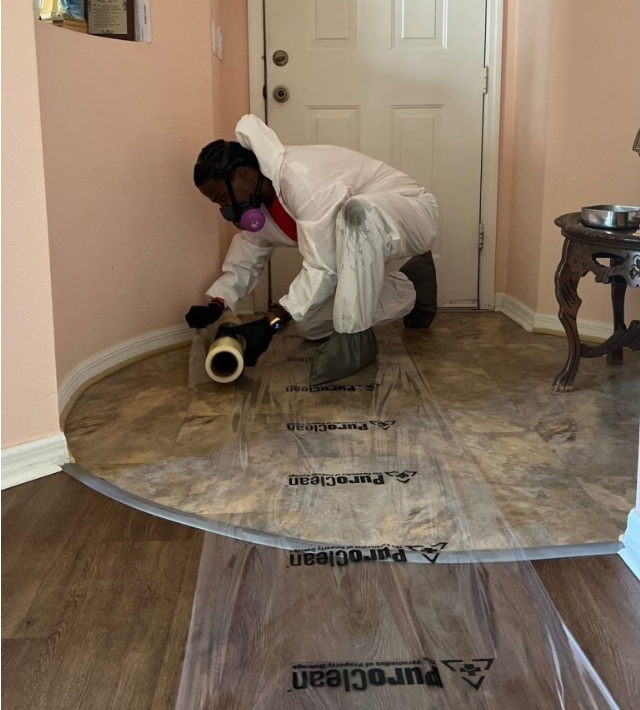
Phase 1: Emergency Water Extraction and Initial Assessment The restoration team extracts all standing water from the floor surface using commercial extraction equipment. They simultaneously conduct an initial moisture mapping of the floor using both meter readings and thermal imaging to understand the full extent of moisture penetration ; including under the floor, in the subfloor cavity, and in adjacent wall bases.
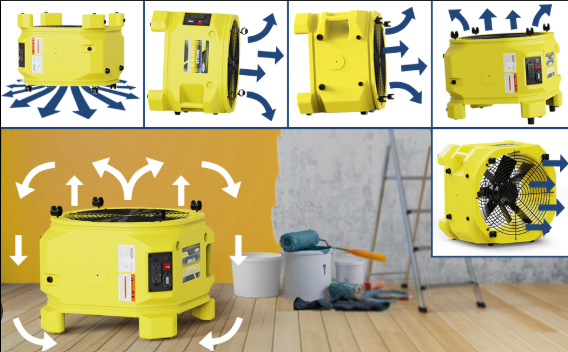
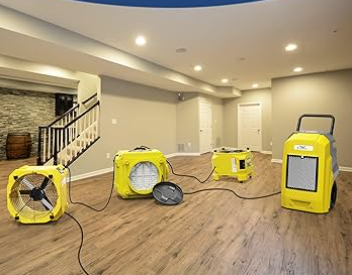
Phase 2: Strategic Equipment Deployment High-velocity air movers are positioned to create a continuous airflow pattern across the floor surface. In many cases, specialty floor drying systems ; which use flexible hoses connected to air movers to force heated, dry air directly beneath the flooring without removing the boards ; are deployed. These systems dramatically accelerate moisture removal from the subfloor cavity, which is often the rate-limiting factor in floor drying.
Alongside the air movers, industrial dehumidifiers pull moisture from the air as it evaporates from the floor and surrounding materials. The dehumidification capacity must match the evaporation load; undersized equipment in a large area simply recirculates humid air rather than removing moisture from the system.
Phase 3: Daily Moisture Monitoring This is where professional hardwood floor water damage repair diverges most sharply from DIY attempts. A certified technician returns daily to measure moisture content at consistent test points mapped across the floor. The readings are logged, compared to the previous day’s readings, and evaluated against target EMC for this wood species in this climate zone.
Drying is not complete when the floor feels dry. It is complete when daily moisture readings have stabilized at or near target EMC for three consecutive days. This typically takes three to seven days for moderately affected floors with professional equipment. It can take two to three weeks without it.
Phase 4: Damage Reassessment Once moisture content is certified stable, the floor is reassessed. Boards that have dried back to near-normal MC without permanent deformation are candidates for sanding and refinishing. Boards that show residual buckles, fastener failure, face checking (cross-grain cracks), or cupping that did not resolve with drying are identified for replacement.
Phase 5: Board Replacement Damaged individual boards are removed, matched with stock of the same species, grade, and width, and installed by a flooring professional. Getting a precise match on older floors or unusual species can take additional time, and this is worth discussing with your restoration team early ; ordering replacement stock before the drying phase is complete saves significant time.
Phase 6: Sanding and Refinishing The entire floor ; both retained boards and new boards ; is sanded back to raw wood using a drum or orbital sander. This levels the surface across the cupping that occurred and removes the existing finish. The floor is then stained to match (if applicable) and finished with new coats of polyurethane, oil, or water-based finish, allowing appropriate cure time between coats.
The result, done correctly, is a floor that shows no evidence of the water event. Done incorrectly ; rushed, with moisture still present in the subfloor, or with compromised boards left in place ; it is a floor that looks fine on the day of refinishing and shows signs of movement and instability within months.
[PuroClean of Lansdale handles the full water damage restoration scope ; including emergency response, professional drying, and coordination with flooring contractors for the sanding and refinishing phase. See our water damage restoration services near me page for what the response process looks like from the first call to certified dry standard.]
5. The Biggest Mistakes Montgomery County Homeowners Make After Floor Water Damage
Knowing what to do is only part of the picture. Understanding what not to do ; and why it feels so logical in the moment ; is equally important.
Mistake 1: Turning on the heat and cranking the thermostat to accelerate drying Warm, dry air does help wood dry. The problem is that raising the ambient air temperature too quickly causes the surface of the wood to dry faster than the interior and the underside. This uneven drying rate is one of the primary causes of face-checking ; cracks that run across the grain and permanently deform the board surface. It can also cause boards that were only mildly cupped to crown as the surface dries faster than the moisture-laden bottom. Maintain normal household temperature, 68 to 72°F, and let professional equipment create the controlled drying environment.
Mistake 2: Placing fans directly on the floor and calling it done Household fans move air. They do not remove moisture from the system ; they just redistribute humid air within the space. Without dehumidification capacity sufficient to pull that evaporated moisture out of the air, fans simply keep the humidity high while giving the homeowner the false impression that active drying is occurring. You need airflow and dehumidification working together, at the right capacity for the affected volume.
Mistake 3: Sanding too soon This is the mistake that seems most logical but is perhaps the most damaging in terms of long-term floor outcomes. Cupped floors visually beg to be sanded flat ; the uneven surface is uncomfortable to walk on and looks terrible. But sanding a cupped floor before the moisture that caused the cupping has been removed results in a flat floor surface that is built on a board that is still wetter on the bottom than the top. As that remaining moisture continues to equalize and migrate out of the wood over the following weeks, the board will crown ; center rising above edges ; and the refinished floor will develop a visible wave pattern across its surface. This is not a new problem. It is the same moisture problem presenting differently after premature sanding. Wait until daily moisture readings confirm equilibrium before sanding a single board.
Mistake 4: Assuming the floor failed if it still looks bad after 24 hours of DIY drying Hardwood floors that have experienced significant water contact do not recover their appearance during the drying phase. They often look worse at 48 hours than they did at 24, as moisture continues redistributing within the wood. The floor’s ultimate appearance cannot be evaluated until after it has been dried to equilibrium, reassessed, had damaged boards replaced, and been sanded and refinished. Homeowners who look at their floor during the drying phase and decide it needs to be replaced ; before a professional assessment has been conducted ; are often making a premature and expensive choice.
Mistake 5: Waiting to call a restoration company because you think you can handle it yourself The most common reason hardwood floors that could have been saved are not is not that the water damage was too severe. It is that the drying window ; the period during which professional equipment makes the decisive difference ; closed before that equipment was deployed. The cost of professional restoration is almost always significantly less than the cost of full floor replacement. And most of it is covered by insurance when properly documented. Call first. Decide later, with full information and a moisture assessment in hand.
[For additional perspective on prevention strategies that protect hardwood specifically, see our 10 ways to prevent water damage guide and our guide on sink overflow causes ; one of the most frequent culprits behind residential hardwood floor damage in Montgomery County.]
6. How Your Insurance Claim Handles Hardwood Floor Damage ; And What to Document
Hardwood floor water damage repair claims have some specific dynamics that homeowners need to understand before they talk to an adjuster.
The like-for-like replacement standard. When a claim results in floor replacement rather than restoration, your insurer is obligated to restore your home to its pre-loss condition using materials of like kind and quality. For a solid hardwood floor, this means solid hardwood replacement ; not laminate, not LVP, not a lesser grade of wood. If an adjuster proposes a settlement based on substitute materials of lower quality, you have the right to dispute it with documentation of what you had.
Matching matters in open floor plans. In an open-concept home where damaged flooring is continuous with undamaged flooring in another zone, there is a legitimate question of whether partial replacement creates a visible mismatch that affects the home’s value and livability. Some policies and some adjusters will account for matching costs. Some will not. Documenting the continuity of your floor from the affected area into adjacent undamaged zones ; with photographs showing the same floor running throughout ; strengthens this argument.
Do not dispose of damaged material. Stack it outside or in the garage. Adjuster documentation of pulled flooring that has been removed and set aside is far stronger than a claim based on photographs alone of flooring that is no longer present.
Work with a restoration company that speaks your adjuster’s language. PuroClean of Lansdale’s CPR Program exists precisely for this. The documentation protocols, scope pre-approvals, and direct insurer coordination that come with a certified restoration response reduce the gap between what actually happened and what the claim accurately reflects.
[For a detailed walkthrough of the insurance claim process in your community, see our guides on insurance claim restoration in Blue Bell and insurance claim restoration in Ambler.]
7. Prevention: How to Protect Your Hardwood Investment Before the Next Incident
The best hardwood floor water damage repair is the one you never have to do. Here is what experienced restoration professionals consistently see as the most preventable causes of hardwood floor water damage in Montgomery County homes:
Washing machine supply hoses. The rubber hoses that connect your washing machine to the water supply degrade over time and are a leading cause of catastrophic residential water damage. They can fail suddenly, without warning, releasing the full pressure of your supply line into the room. Replace rubber hoses with braided stainless steel versions and inspect them annually. Set a calendar reminder. This is genuinely one of the single highest-value preventive measures a homeowner can take.
Refrigerator ice maker water lines. The thin plastic tubing connecting your refrigerator to the water supply is another high-failure item. It is often kinked behind the refrigerator in ways that weaken it over years, and it runs directly over finished flooring. Have a plumber inspect it and replace with a copper line if the current supply is original to the appliance.
Toilet base seals. A deteriorating wax ring at the base of a toilet allows water to seep down through the subfloor with every flush ; often for months before any visible sign appears at the surface. By the time you see staining on a ceiling below or soft spots near the toilet base, significant subfloor and potentially hardwood damage has already occurred. A plumber can replace a wax ring in under an hour. The alternative is a water damage claim and subfloor repair.
Smart water leak detectors. These have become inexpensive and highly reliable. A sensor placed under the kitchen sink, behind the washing machine, under the dishwasher, and near the water heater sends an alert to your phone the moment moisture is detected. In a scenario where you are away from home or asleep, this notification can mean the difference between arriving to an inch of water and arriving to six inches. Investments in prevention of this kind directly protect the hardwood you have already invested in.
Humidity control in shoulder seasons. Pennsylvania’s humidity swings between summer and winter are significant enough to cause meaningful movement in hardwood floors over time. Maintaining indoor relative humidity between 35 and 55% year-round ; using a humidifier in winter and air conditioning or dehumidifier in summer ; minimizes cumulative stress on floor boards and reduces the risk of gaps or surface checking that can allow incidental moisture to penetrate more easily.
8. PuroClean of Lansdale: Hardwood Floor Water Damage Repair Across Montgomery County
PuroClean of Lansdale operates out of Schwenksville, PA and provides certified water damage restoration services ; including hardwood floor assessment, professional drying, and insurance coordination ; to homeowners and commercial clients throughout Montgomery County.
Every technician is IICRC-certified and operates under the PuroClean Certified Priority Response (CPR) framework: pre-established protocols, scope pre-approvals, and direct coordination with major insurance networks. PuroClean works with Nationwide, Encompass, Alacrity Services, Crawford Contractor Connection, Vericlaim Repair Solutions, and Nexxus.
Whether your floor is showing early signs of cupping or you are looking at boards buckled off the subfloor, the first step is the same: a professional moisture assessment that gives you accurate information before you make permanent decisions.
Services include: Water and Flood Restoration, Mold Remediation, Fire and Storm Damage Restoration, Environmental Hazard Remediation, Reconstruction Services, and 24/7 Emergency Response.
Service areas across Montgomery County include: Abington, Ambler, Blue Bell, Center Square, Fort Washington, Harleysville, Horsham, Kulpsville, Lansdale, Maple Glen, Montgomeryville, North Wales, Prospectville, Roslyn, Schwenksville, Skippack, Spring House, Spring Mount, Willow Grove, and Woxall.
Additional community-specific resources:
- Water damage restoration in Blue Bell
- Water damage restoration in Ambler
- Water damage restoration in Prospectville
- Water damage restoration in Center Square
- Mold remediation in King of Prussia
- Professional mold removal cost in Montgomery County
Follow PuroClean of Lansdale: Instagram | Facebook | LinkedIn | X (Twitter)
Read verified reviews and get directions: PuroClean of Lansdale on Google Maps
Address: 2033 Lucon Rd, Bldg. Rear, Schwenksville, PA 19473 Phone: (267) 834-5900 Contact PuroClean of Lansdale online
Conclusion: Your Floors May Still Be Saveable ; But Not for Much Longer
Water damage to hardwood floors is not a binary situation where the floor is either fine or destroyed. It is a spectrum ; and where your floor ends up on that spectrum depends heavily on decisions made in the first few hours after water contact.
The homeowners who walk away from a water event with their floors intact and their insurance claim settled cleanly are not necessarily the ones who had the least damage. They are the ones who called a certified professional immediately, documented thoroughly, and let the science of professional drying work before making any permanent decisions about demolition or replacement.
The ones who end up replacing floors they could have saved are the ones who waited a day to see if it would dry on its own. Or who sanded too early. Or who relied on household fans and a box-store dehumidifier and discovered three months later that there was still elevated moisture in the subfloor ; right about the time the baseboards started showing mold.
You have already lost time reading this. But you have also gained the information to act correctly from this point forward.
Stop reading. Start calling.
PuroClean of Lansdale is available 24 hours a day, 7 days a week. A certified technician can be on your floor with a moisture meter and thermal imaging camera faster than you expect; and that assessment costs you nothing compared to what guessing costs you later. Call (267) 834-5900 right now ; or request service online here. Your floors may still be fully saveable. But that window is measured in hours, not days.
PuroClean of Lansdale | 2033 Lucon Rd, Bldg. Rear, Schwenksville, PA 19473 | (267) 834-5900